
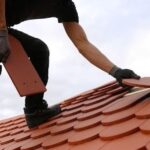
Your roof stands as the stalwart protector of your home, battling the elements and ensuring your family’s comfort. However, the inevitable wear and tear, coupled with unexpected damage, can lead to costly repairs or replacements. Navigating the world of roofing can feel overwhelming, especially when budget constraints loom. This comprehensive guide aims to demystify affordable roofing solutions, empowering homeowners to make informed decisions that safeguard their investments without breaking the bank.
Understanding the Importance of a Well-Maintained Roof:
Before diving into cost-effective solutions, it’s crucial to grasp the fundamental role your roof plays. A sound roof prevents water intrusion, which can lead to structural damage, mold growth, and compromised insulation. It enhances your home’s energy efficiency by regulating temperature, reducing heating and cooling costs. Moreover, a well-maintained roof significantly boosts curb appeal and property value. Neglecting roof maintenance can result in exponentially higher expenses down the line, making proactive care a financially sound strategy.
Identifying Affordable Roofing Materials: Balancing Cost and Durability:
The choice of roofing material significantly impacts both the initial cost and long-term maintenance expenses. Several budget-friendly options offer a compelling balance of affordability and durability:
- Asphalt Shingles: The undisputed champion of affordability, asphalt shingles remain the most popular choice for residential roofing. They come in various styles and colors, offering versatility to match diverse architectural designs. Three-tab shingles are the most economical, while architectural shingles provide enhanced aesthetics and durability at a slightly higher cost. Asphalt shingles typically last 15-30 years, depending on the quality and climate.
- Metal Roofing (Lower Gauge Options): While often perceived as a premium material, lower-gauge metal roofing options, particularly steel or aluminum, can be surprisingly affordable. Metal roofs boast exceptional longevity, often exceeding 50 years, and offer superior resistance to fire, wind, and impact. However, installation costs can be higher compared to asphalt shingles.
- Rolled Roofing: Primarily used for low-slope or flat roofs, rolled roofing is a cost-effective option for garages, sheds, and porches. It consists of mineral-surfaced asphalt rolls applied in overlapping layers. While affordable and relatively easy to install, rolled roofing may not be as aesthetically pleasing as other options and typically has a shorter lifespan.
- Composite Shingles (Recycled Materials): Eco-conscious homeowners may consider composite shingles made from recycled materials like plastic and rubber. These shingles offer durability, weather resistance, and a unique aesthetic appeal. While the initial cost may be slightly higher than asphalt, their longevity and environmental benefits can make them a cost-effective long-term solution.

DIY vs. Professional Installation: Weighing the Trade-offs:
A significant factor influencing roofing costs is whether you opt for DIY installation or hire professional contractors. While DIY can save on labor costs, it requires a significant time investment, specialized skills, and adherence to safety protocols. Improper installation can lead to costly repairs and void warranties.
- DIY Advantages: Cost savings on labor, flexibility in scheduling, and a sense of accomplishment.
- DIY Disadvantages: Time commitment, potential for errors, safety risks, and voided warranties.
- Professional Advantages: Expertise, efficiency, warranty coverage, and peace of mind.
- Professional Disadvantages: Higher labor costs and scheduling constraints.
For complex roofing projects or if you lack experience, hiring a reputable roofing contractor is highly recommended. Obtain multiple quotes, verify licenses and insurance, and check online reviews before making a decision.
Maximizing Roof Lifespan Through Regular Maintenance:
Preventative maintenance is paramount for extending your roof’s lifespan and minimizing costly repairs.
- Regular Inspections: Conduct biannual inspections, preferably in spring and fall, to identify potential issues early. Look for damaged shingles, cracked flashing, and signs of leaks.
- Gutter Cleaning: Clean gutters regularly to prevent water buildup and potential roof damage. Clogged gutters can lead to water backing up under shingles and causing leaks.
- Tree Trimming: Trim overhanging branches to prevent them from rubbing against the roof and causing damage. Falling branches can also puncture the roof surface.
- Ventilation: Ensure adequate attic ventilation to prevent moisture buildup and regulate temperature. Proper ventilation can extend the lifespan of your roof and reduce energy costs.
- Prompt Repairs: Address minor repairs promptly to prevent them from escalating into major problems. Delaying repairs can lead to more extensive damage and higher expenses.
Read More: Longest Lasting Roofing Material: Ultimate Guide to Durability & Lifespan
Exploring Financing Options and Insurance Claims:
Roof repairs or replacements can be unexpected expenses. Explore financing options to manage the cost:
- Home Equity Loans or Lines of Credit: Utilize your home’s equity to secure a loan with favorable interest rates.
- Personal Loans: Consider personal loans from banks or credit unions for unsecured financing.
- Credit Cards: Use credit cards for smaller repairs or if you have access to promotional interest rates.
- Contractor Financing: Some roofing contractors offer financing options, which may include deferred payments or low-interest rates.
If your roof damage is caused by a covered peril, such as hail, wind, or fallen trees, file an insurance claim promptly. Document the damage with photos and videos, and work closely with your insurance adjuster.
Utilizing Energy-Efficient Roofing Solutions:
Investing in energy-efficient roofing solutions can reduce your long-term energy costs and enhance your home’s comfort.
- Cool Roofs: Reflect sunlight and absorb less heat, reducing cooling costs in warm climates.
- Solar Shingles: Generate electricity from sunlight, providing renewable energy and reducing your reliance on the grid.
- Reflective Coatings: Apply reflective coatings to existing roofs to reduce heat absorption.
Navigating Regional Climate Considerations:
The ideal roofing solution for your home depends on your regional climate.
- Hot and Humid Climates: Choose roofing materials with high solar reflectance and resistance to mold and mildew.
- Cold Climates: Opt for roofing materials that can withstand snow loads and temperature fluctuations.
- Coastal Climates: Select roofing materials that are resistant to salt spray and high winds.
People Also Ask (FAQs):
-
Q: How often should I replace my roof?
- A: The lifespan of a roof depends on the material, climate, and maintenance. Asphalt shingles typically last 15-30 years, while metal roofs can last 50 years or more.
-
Q: What are the signs of a leaking roof?
- A: Water stains on ceilings or walls, damp spots in the attic, peeling paint, and mold growth are common signs of a leaking roof.
-
Q: Can I install a new roof over an existing one?
- A: Installing a new roof over an existing one, known as overlaying, can save on tear-off costs. However, it’s not always recommended, especially if the existing roof is damaged or has multiple layers.
-
Q: How much does a new roof cost?
- A: The cost of a new roof varies depending on the size of the roof, the materials used, and the labor costs. Obtain multiple quotes from reputable contractors for an accurate estimate.
-
Q: What is the best time of year to replace a roof?
- A: The best time to replace a roof is typically during dry, mild weather conditions. Spring and fall are often ideal seasons.
Conclusion:
Investing in affordable roofing solutions is not about compromising on quality; it’s about making informed choices that balance cost, durability, and long-term value. By understanding the available materials, weighing the trade-offs of DIY vs. professional installation, and prioritizing regular maintenance, homeowners can protect their investments and ensure the longevity of their roofs. Remember to explore financing options, consider energy-efficient solutions, and navigate regional climate considerations to make the most informed decision. By taking a proactive approach to roof care, you can shield your sanctuary and enjoy peace of mind for years to come.
Read More:
Stop the Drip: Your Guide to the Fastest Roof Leak Fixes
How to Treat a Water Damaged Ceiling
What Does Mitigation Mean for Water Damage?
How Emergency Water Mitigation Protects Your Home from Water Damage







