
A leaking roof is a homeowner’s nightmare. The sight of water stains creeping across your ceiling or the incessant drip, drip, drip of a persistent leak can send shivers down your spine. Beyond the immediate inconvenience, a leaking roof can lead to serious structural damage, mold growth, and costly fastest roof leak fixes if left unattended. But don’t panic! While a complete roof replacement might be necessary for severe damage, there are often quick and effective solutions to temporarily patch up a leak and prevent further damage until a professional can assess the situation.
This comprehensive guide will walk you through the fastest ways to fix a leaking roof, providing step-by-step instructions, exploring the pros and cons of different methods, and answering frequently asked questions. We’ll also delve into some popular fastest roof leak fixes repair products available on the market, offering reviews to help you make informed decisions.
Before you begin:

Safety first! Working on a roof can be dangerous. If you’re not comfortable with heights or the task at hand, it’s always best to call a professional roofing contractor. If you do decide to tackle the repair yourself, ensure you have a stable ladder and wear non-slip shoes.
Identifying the Source:
Before you can fix a leak, you need to find it. This can be trickier than it sounds, as water can travel some distance before it becomes visible inside your home. Here are some tips to help you pinpoint the source:
- Check the attic: Head up to the attic with a flashlight and look for signs of water damage, such as wet insulation, water stains, or mold.
- Follow the trail: Trace the water stains on your ceiling or walls back to their highest point. This can give you a clue about the leak’s location on the roof.
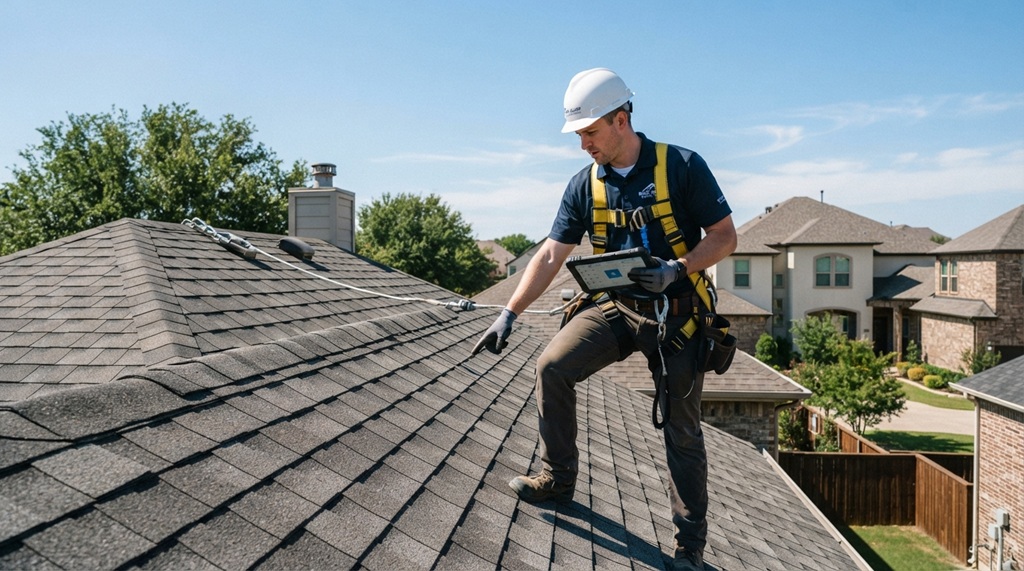
- Inspect the roof: If it’s safe to do so, carefully examine the roof for damaged or missing shingles, cracked flashing, or holes. Pay close attention to areas around chimneys, vents, and skylights, as these are common leak zones.
- Use a hose: If you’re still struggling to find the leak, have someone spray the roof with a garden hose while you observe from the attic. Start low and gradually move the hose higher until you locate the source.
Fast and Temporary Leak Repair Solutions:
Once you’ve identified the culprit, it’s time to take action. Here are some of the fastest ways to temporarily fix a leaking roof:
-
Roof Sealant Tape:
This is a quick and easy solution for small leaks and cracks. Roof sealant tape is a waterproof adhesive tape that can be applied directly to the damaged area. It comes in various materials, including asphalt, rubber, and butyl, and is available in different colors to match your roof shingles.
Pros:
- Easy to apply, requiring no special tools.
- Affordable and readily available at most hardware stores.
- Provides a temporary waterproof seal to prevent further damage.
Cons:
- Not a long-term solution and may need to be replaced frequently.
- Not suitable for large holes or extensive damage.
- Can be unsightly if not carefully applied.
Review:
- Gorilla Waterproof Patch & Seal Tape: This heavy-duty tape boasts excellent adhesion and durability, making it a popular choice for emergency roof repairs. Its thick, rubberized material conforms to uneven surfaces, providing a strong and reliable seal.
-
Roof Cement:
Roof cement is a thick, asphalt-based sealant that can be used to fill cracks, holes, and gaps in your roof. It’s also effective for sealing around flashing and vents. Roof cement is typically applied with a trowel or putty knife and comes in both brushable and caulkable formulas.
Pros:
- Versatile and can be used on various roofing materials.
- Provides a durable and waterproof seal.
- Relatively inexpensive and easy to find.
Cons:
- Can be messy to work with.
- Requires some skill for proper application.
- May need to be reapplied periodically.
Review:
- Henry 208R Wet Patch Roof Cement: This highly-rated roof cement is known for its excellent adhesion and weather resistance. It remains flexible even in cold temperatures, preventing cracks and ensuring a long-lasting repair.
-
Tarps and Plastic Sheeting:
For larger leaks or when facing severe weather conditions, covering the damaged area with a tarp or plastic sheeting can provide temporary protection until a permanent repair can be made. Secure the tarp with weights, such as sandbags or bricks, or by nailing it to the roof.
Pros:
- Provides immediate protection against rain and wind.
- Can cover large areas quickly and easily.
- Relatively inexpensive.
Cons:
- Not aesthetically pleasing.
- Can be noisy in windy conditions.
- May not be suitable for all roof types.
-
Emergency Roof Leak Repair Kits:
These kits typically contain a combination of sealant, patching material, and tools, providing a convenient solution for quick roof repairs. They are designed for easy application and can be found at most home improvement stores.
Pros:
- Contains everything you need for a temporary repair.
- Easy to use with step-by-step instructions.
- Convenient for small to medium-sized leaks.
Cons:
- May not be suitable for all types of roof damage.
- Can be more expensive than purchasing individual components.
Review:
- LeakSeal Flexible Roof Repair Kit: This kit includes a sealant, reinforcing fabric, and a brush applicator, making it a comprehensive solution for various fastest roof leak fixes Its flexible formula adapts to temperature changes, ensuring a durable and long-lasting repair.
Long-Term Solutions:
While the above methods offer quick fixes for a leaking roof, it’s important to remember that they are temporary solutions. For a permanent fix, you’ll need to address the underlying cause of the leak. This may involve:
- Replacing damaged shingles: If the leak is caused by cracked, missing, or curled shingles, they will need to be replaced.
- Repairing or replacing flashing: Flashing is the metal sheeting that seals the joints around chimneys, vents, and skylights. If the flashing is damaged or corroded, it will need to be repaired or replaced.
- Fixing structural damage: In some cases, the leak may be caused by structural damage to the roof deck or rafters. This will require professional repair to ensure the stability and integrity of your roof.
When to Call a Professional:
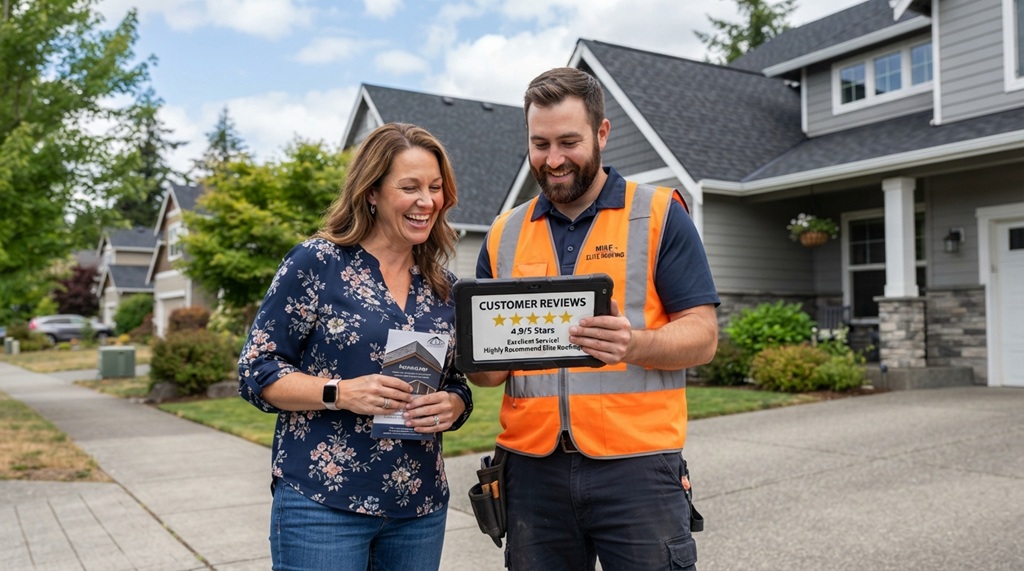
While DIY roof repairs can be tempting, it’s crucial to recognize your limitations. If you’re unsure about the cause of the leak, the extent of the damage, or the best repair method, it’s always best to consult a professional roofing contractor. They have the experience, knowledge, and equipment to properly diagnose and fix the problem, ensuring a safe and long-lasting solution.
Here are some situations where you should definitely call a professional:
- Large or complex leaks: If the leak is extensive or involves multiple areas of your roof, it’s best to leave it to the experts.
- Structural damage: If you suspect there is structural damage to your roof, it’s crucial to have it inspected and repaired by a qualified professional.
- Safety concerns: If you’re not comfortable working on a roof or don’t have the necessary safety equipment, it’s safer to call a professional.
- Warranty issues: If your roof is still under warranty, attempting a DIY repair may void the warranty. It’s best to contact the roofing contractor who installed the roof or the manufacturer for guidance.
Preventing Future Leaks:
Prevention is always better than cure. Here are some proactive measures you can take to minimize the risk of future fastest roof leak fixes :
- Regular inspections: Inspect your roof at least twice a year, in the spring and fall, to identify any potential problems early on.
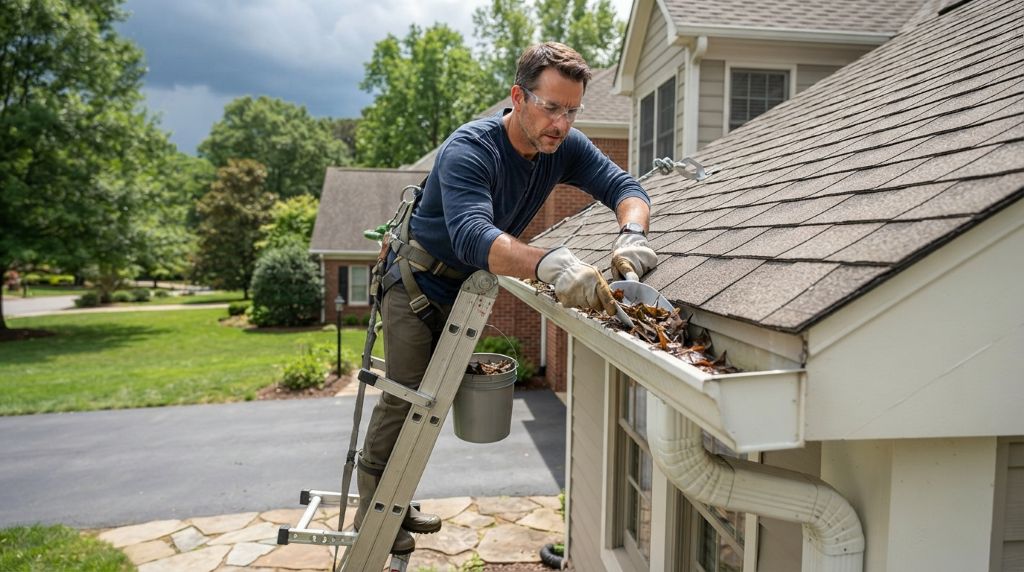
- Clean your gutters: Clogged gutters can cause water to back up and overflow onto your roof, leading to leaks. Clean your gutters regularly to ensure proper drainage.
- Trim overhanging branches: Overhanging branches can scrape against your roof, causing damage to shingles and creating opportunities for leaks. Trim back any branches that are close to your roof.
- Proper ventilation: Adequate attic ventilation helps to prevent moisture buildup, which can contribute to roof damage and leaks. Ensure your attic is properly ventilated with soffit and ridge vents.
- Regular maintenance: Address any minor roof repairs promptly to prevent them from escalating into major problems.
Frequently Asked Questions (FAQ):
Q: Can I use Flex Seal to fix a roof leak?
A: While Flex Seal can be a temporary solution for small leaks, it’s not recommended for long-term roof repairs. Its effectiveness on roofs is debatable, and it may not withstand harsh weather conditions.
Q: How much does it cost to fix a leaking roof?
A: The cost of roof leak repair varies depending on the severity of the leak, the type of repair needed, and the roofing contractor’s rates. Minor repairs can cost a few hundred dollars, while major repairs or roof replacements can cost thousands.
Q: How long does it take to fix a leaking roof?
A: The repair time depends on the extent of the damage and the complexity of the repair. Minor repairs can often be completed in a few hours, while major repairs may take several days.
Q: Can I fix a leaking roof myself?
A: While some minor roof repairs can be tackled by homeowners with DIY skills, it’s essential to assess your capabilities and the complexity of the repair. If you’re unsure or uncomfortable, it’s always best to call a professional roofing contractor.
Q: How do I find a reputable roofing contractor?
A: Ask for recommendations from friends, family, and neighbors. Check online reviews and ratings. Get multiple quotes from different contractors and compare their experience, warranties, and pricing. Ensure the contractor is licensed and insured.
Conclusion:
A leaking roof can be a stressful experience, but with prompt action and the right approach, you can minimize damage and protect your home. By understanding the causes of fastest roof leak fixes , familiarizing yourself with temporary and permanent repair solutions, and knowing when to call a professional, you can effectively address this common household problem and ensure the longevity and integrity of your roof. Remember, regular maintenance and proactive measures are key to preventing future leaks and maintaining a safe and comfortable home.