
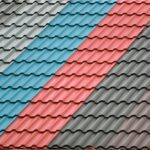
Choosing a roofing material is a significant investment, impacting your home’s protection, aesthetic appeal, and long-term value. With numerous options available, homeowners often grapple with the question: “What is the best longest-lasting roofing material?” This comprehensive guide delves deep into the world of roofing, examining various materials, their lifespans, and factors influencing their longevity, empowering you to make an informed decision.
The Quest for Unparalleled Durability: Defining “Longest-Lasting”
Before diving into specific materials, it’s crucial to understand what constitutes “longest-lasting.” Longevity isn’t solely about the material’s inherent lifespan; it’s a culmination of factors, including climate, installation quality, maintenance, and exposure to environmental stressors. A material that thrives in a dry, temperate climate might deteriorate rapidly in a region with extreme temperature fluctuations and heavy rainfall. Therefore, “longest-lasting” is a relative term, depending on the specific context.
Slate Roofing: The Timeless Titan of Durability
Slate roofing stands as the undisputed champion of longevity, boasting an impressive lifespan of 100 to 200 years, and even beyond in some cases. This natural stone material is incredibly dense and resistant to weathering, fire, and pests. Slate’s inherent strength allows it to withstand harsh climates, including heavy snow, hail, and strong winds. Its natural beauty and timeless appeal further contribute to its desirability.
However, slate roofing comes with a significant upfront cost and requires specialized installation due to its weight and brittleness. Finding experienced installers is crucial to ensure proper installation and maximize its lifespan. Additionally, the weight of slate necessitates a robust roof structure, which might require reinforcement in some homes.
Tile Roofing: A Classic Blend of Longevity and Aesthetics
Tile roofing, encompassing clay and concrete tiles, offers a compelling combination of durability and aesthetic versatility. With a lifespan of 50 to 100 years, tile roofs provide exceptional resistance to fire, rot, and insects. Clay tiles, known for their natural beauty and vibrant colors, are particularly popular in warmer climates. Concrete tiles, while more affordable, offer similar durability and can be manufactured in a wide range of styles and colors.
Like slate, tile roofing is heavy and requires a strong roof structure. Proper installation is paramount to prevent water damage and ensure longevity. The curved nature of some tile profiles can create challenges in areas prone to heavy snowfall, as snow accumulation can exert significant pressure on the roof.
Metal Roofing: A Modern Marvel of Resilience
Metal roofing, encompassing materials like steel, aluminum, and copper, has gained immense popularity due to its exceptional durability and energy efficiency. With a lifespan of 40 to 70 years, metal roofs offer superior resistance to fire, wind, and hail. Their reflective properties help reduce heat absorption, leading to lower energy costs in warm climates.
Modern metal roofing systems are available in a wide range of styles and colors, mimicking the appearance of traditional roofing materials like slate and tile. Their lightweight nature simplifies installation and reduces the load on the roof structure. However, metal roofs can be noisy during rainstorms, and some materials, like steel, are susceptible to rust if not properly coated or maintained.
Copper Roofing: The Prestige of Enduring Elegance
Copper roofing, while a premium option, offers unparalleled longevity and a distinctive aesthetic. With a lifespan exceeding 100 years, copper roofs develop a beautiful patina over time, enhancing their visual appeal. Copper’s inherent resistance to corrosion and its ability to withstand extreme weather conditions make it a highly durable choice.
However, copper roofing is exceptionally expensive and requires specialized installation. Its vulnerability to theft due to its high value is also a consideration. The unique aesthetic of copper, while appealing to some, might not suit every architectural style.
Built-Up Roofing (BUR): A Multi-Layer Defense for Flat Roofs
Built-up roofing (BUR), commonly used for flat or low-slope roofs, consists of multiple layers of asphalt and reinforcing fabrics. BUR systems offer a lifespan of 20 to 30 years, providing a durable and cost-effective solution for commercial and residential buildings with flat roofs.
BUR systems are relatively easy to install and repair, making them a popular choice for large-scale projects. However, they are susceptible to punctures and require regular maintenance to prevent leaks. BUR roofs can also be vulnerable to ponding water, which can lead to premature deterioration.
Modified Bitumen Roofing: A Flexible and Durable Solution
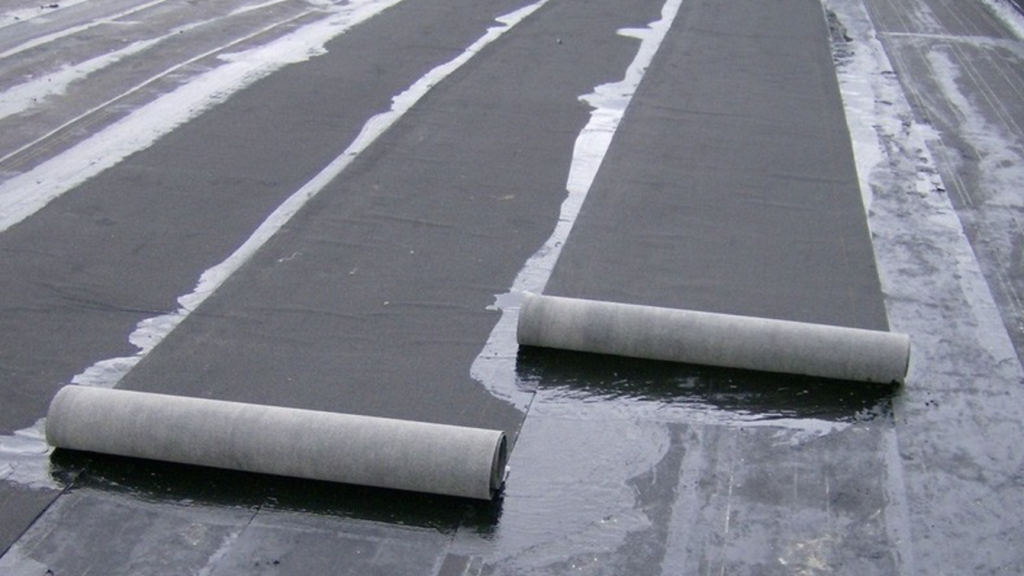
Modified bitumen roofing, another popular choice for flat roofs, utilizes asphalt modified with polymers to enhance its flexibility and durability. With a lifespan of 15 to 20 years, modified bitumen offers improved resistance to weathering and temperature fluctuations compared to traditional BUR systems.
Modified bitumen roofs are available in various installation methods, including torch-applied, self-adhered, and cold-applied. Their flexibility makes them suitable for roofs with complex shapes and penetrations. However, like BUR systems, they
Related: Can You Paint a Metal Roof? A Complete Guide to Metal Roof Painting
Single-Ply Roofing: A Modern Approach to Flat Roofs
Single-ply roofing systems, including TPO (thermoplastic polyolefin) and EPDM (ethylene propylene diene monomer), offer a modern and energy-efficient solution for flat roofs. With a lifespan of 15 to 30 years, single-ply roofs are lightweight, flexible, and resistant to UV radiation and chemical exposure.
TPO roofs are known for their energy efficiency and reflective properties, while EPDM roofs are valued for their flexibility and durability. Single-ply systems are relatively easy to install and require minimal maintenance. However, they are susceptible to punctures and require careful attention to seams and penetrations.
Asphalt Shingles: The Affordable and Versatile Option
Asphalt shingles, the most common roofing material in North America, offer an affordable and versatile solution for pitched roofs. With a lifespan of 15 to 30 years, asphalt shingles are available in a wide range of styles and colors. Their ease of installation and relatively low cost make them a popular choice for homeowners.
However, asphalt shingles are susceptible to weathering and can deteriorate relatively quickly in harsh climates. They are also vulnerable to wind damage and require regular maintenance to prevent leaks. Premium asphalt shingles, like those that are architectural, provide increased longevity, but come with the additional cost.
Wood Shingles and Shakes: A Rustic Charm with Limited Lifespan
Wood shingles and shakes offer a natural and rustic aesthetic, adding character to homes. With a lifespan of 20 to 40 years, wood roofs provide moderate durability and insulation. However, they are susceptible to fire, rot, and insect infestation, requiring regular maintenance and treatment.
Wood roofs require regular maintenance, including cleaning and treatment with preservatives, to prevent deterioration. They are also banned in some areas due to fire concerns.
Related: How to Fix Standing Water on a Roof: A Comprehensive Guide
Factors Influencing Roofing Material Lifespan
- Climate: Extreme temperature fluctuations, heavy rainfall, and exposure to UV radiation can significantly impact a roofing material’s lifespan.
- Installation Quality: Proper installation is crucial for maximizing a roof’s lifespan. Faulty installation can lead to leaks, premature deterioration, and costly repairs.
- Maintenance: Regular maintenance, including cleaning, inspections, and repairs, can extend a roof’s lifespan.
- Ventilation: Proper roof ventilation helps regulate temperature and prevent moisture buildup, contributing to longevity.
- Material Quality: The quality of the roofing material itself plays a significant role in its durability.
People Also Ask (FAQs)
- Which roofing material lasts the longest in hot climates?
- Tile and metal roofing systems are well-suited for hot climates due to their reflective properties and resistance to UV radiation.
- What roofing material is most durable against hail?
- Metal and slate roofs provide superior resistance to hail damage.
- How often should I have my roof inspected?
- It’s recommended to have your roof inspected at least twice a year, preferably in the spring and fall.
- What are the signs of roof damage?
- Signs of roof damage include missing shingles, leaks, water stains on ceilings, and damaged flashing.
- Can I install a roof myself?
- Roofing installation requires specialized skills and knowledge. It’s generally recommended to hire a qualified roofing contractor.
Conclusion: Choosing the Right Roofing Material for Your Needs
Selecting the best longest-lasting roofing material depends on a variety of factors, including your budget, climate, architectural style, and personal preferences. While slate roofing reigns supreme in terms of longevity, other materials like tile, metal, and copper offer compelling combinations of durability and aesthetic appeal.
Ultimately, the key to maximizing your roof’s lifespan lies in proper installation, regular maintenance, and choosing a material that suits your specific needs and environment. By carefully considering the factors outlined in this guide, you can make an informed decision and invest in a roofing system that will protect your home for decades to come.
Read More:
How to Fix Standing Water on a Roof
The Importance of Emergency Water Mitigation After Roof Damage
How to Detect and Repair Skylight Leaks
Top 5 Benefits of Hiring a Certified Roof Inspector for Your Home







