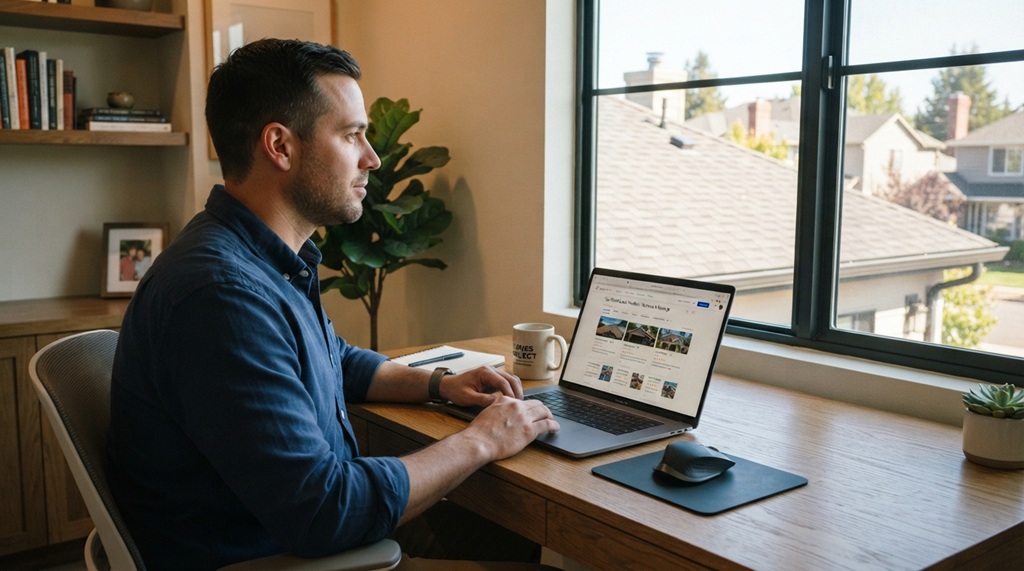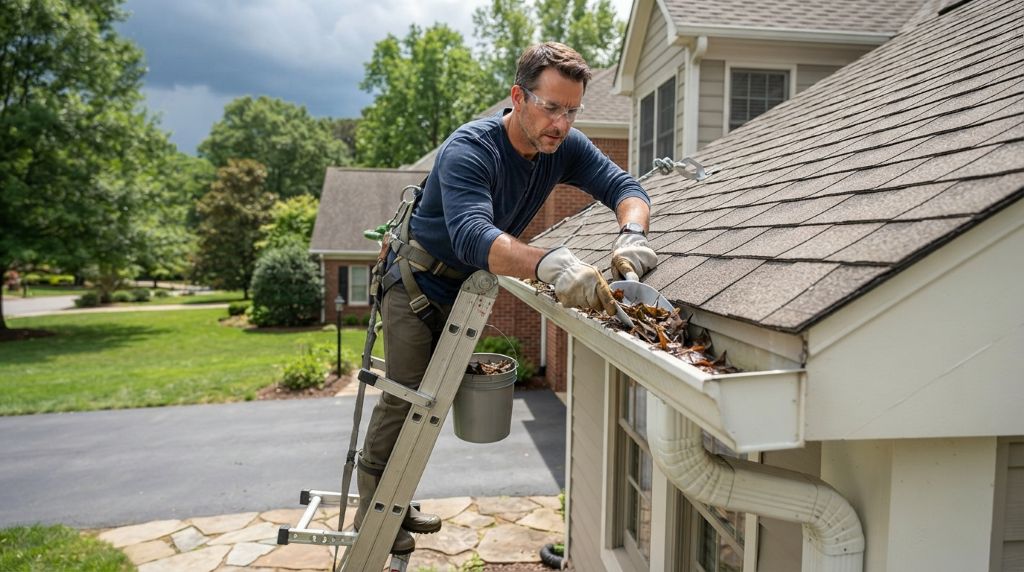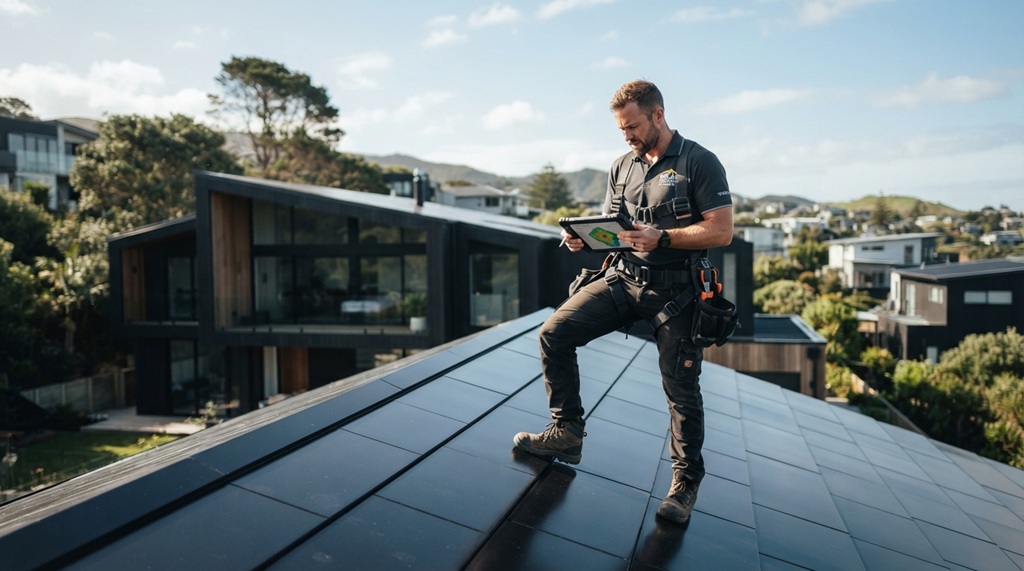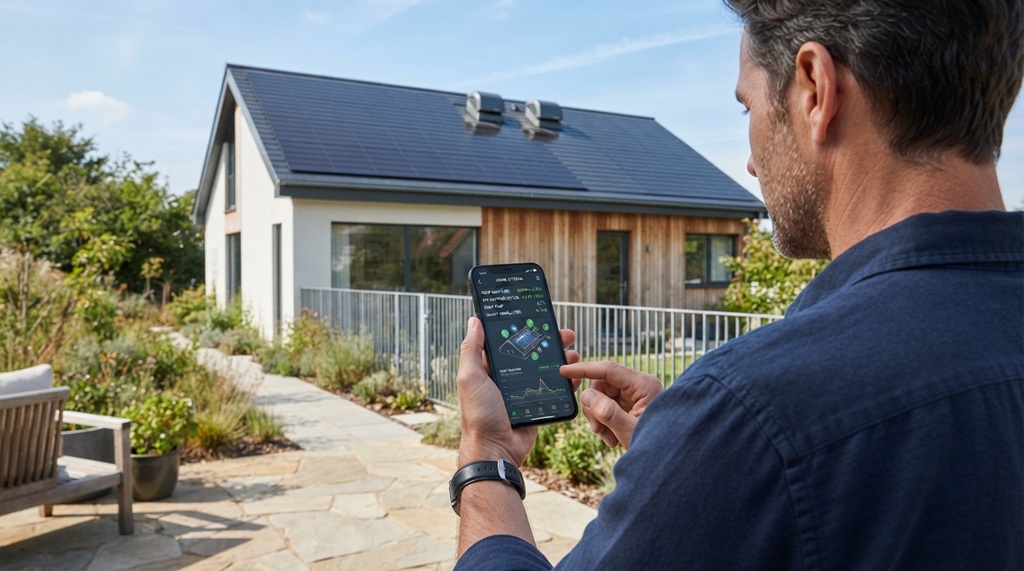
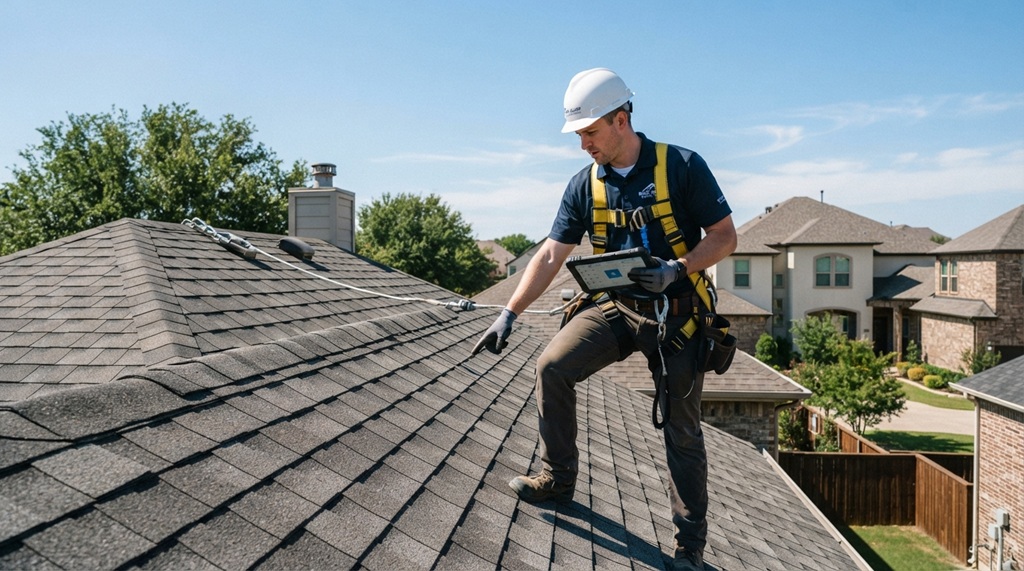
You should check roofing company ratings first because they show how a contractor really works. Ratings reveal past results, honesty, and customer service before you spend a cent. A few minutes of research can save you thousands of dollars.
A new roof is a big investment. It protects your home, your family, and everything inside. A poor installation can lead to leaks, mold, and costly repairs.
This guide explains why ratings matter and where to find them. You will also learn how to read reviews, spot red flags, and combine ratings with other checks.
Why Do Roofing Company Ratings Matter?
Ratings matter because they show real customer experiences. They tell you how a company treats people once the contract is signed.
Anyone can build a polished website. However, a website only tells you what the company wants you to believe. Ratings come from homeowners who have already lived through the project.
Here is what ratings can reveal:
- Whether the crew arrived on time
- How well the team communicated
- If the final price matched the quote
- How the company handled problems
- Whether the roof held up over time
Roofing is also a job you cannot easily inspect yourself. Most homeowners cannot climb up and check the flashing or nailing pattern. Because of this, past customer feedback becomes your best clue about workmanship.
What Ratings Tell You About Quality and Reliability
Ratings tell you whether a company delivers steady, dependable work. One good review means little. A long pattern of good reviews means a lot.
Workmanship and Materials
Look for comments about the finished roof. Happy customers often mention clean lines, tight seams, and neat cleanup. They may also say the crew used the materials promised in the contract.
Comments about leaks after a storm are important. Likewise, notes about a roof that still looks great years later show lasting quality.
Communication and Professionalism
Good roofers answer calls and explain each step. They also send updates if weather delays the job. Many reviews mention this, and it often separates great companies from average ones.
Watch for words like “responsive,” “clear,” and “honest.” On the other hand, repeated complaints about missed calls should make you cautious.
Pricing and Honesty
Reviews often reveal whether a company sticks to its quote. Some contractors add surprise fees halfway through the job. Others push extras that you never needed.
If several customers mention hidden costs, take that seriously. A trustworthy roofer explains every charge upfront.
Where to Find Trustworthy Roofing Ratings
Start with several sources instead of one. Each platform shows a different side of the company, and together they give a fuller picture.
Good places to look include:
- Google Business Profile: Shows recent reviews and star ratings from local customers.
- Better Business Bureau: Lists complaints and how the company responded.
- Yelp and Facebook: Offer extra reviews and photos of finished work.
- Nextdoor: Gives recommendations from your neighbors.
- Manufacturer websites: Some shingle makers list certified installers.
Also ask friends, family, and neighbors. A personal recommendation adds trust that no star rating can match. Then compare what they say with the online reviews.
Spotting Authentic Feedback Behind High Ratings
Star ratings offer a quick snapshot, but the true story of a contractor’s reliability lies within the detailed written feedback. Rather than taking a high average score at face value, analyze review patterns, recent customer experiences, and how the company resolves past complaints to assess their professionalism accurately. Evaluating overall rating trends alongside narrative feedback gives you a clear picture of their workmanship though discerning genuine experiences from inflated praise requires a sharp eye to determine if roof contractor reviews are truly reliable before making a final hiring decision.
Look at the Overall Pattern
A company with a 4.7 rating and hundreds of reviews is usually safer than one with a perfect score and five reviews. A small number of reviews can be easy to influence. Larger numbers give a more honest view.
Check the dates too. Recent reviews show how the company works today. Old praise may not reflect current staff or standards.
Read the Negative Reviews First
Every company gets a bad review at some point. What matters is the type of complaint and the response. Did the owner reply politely? Did they offer to fix the problem?
A calm, helpful reply shows accountability. In contrast, an angry or defensive reply is a warning sign.
Watch for Specific Details
Real reviews often include details. They name the crew, describe the roof type, or mention the timeline. Vague comments like “great job” are fine, but detailed ones carry more weight.
Be careful if many reviews sound alike. Similar wording, posted within a few days, can suggest fake feedback.
Red Flags to Watch For in Roofing Ratings
Some warning signs are easy to spot once you know them. Catching them early can protect you from a bad hire.
Watch out for these red flags:
- A sudden burst of five-star reviews in a short time
- Many reviews with no details or photos
- Repeated complaints about unfinished work
- Complaints about damage that was never repaired
- Owners who blame customers in public replies
- No reviews at all, or a brand-new listing with a perfect score
Storm-chasing contractors deserve special attention. They knock on doors after major storms and often leave town soon after. Because they move around, they may have few local reviews. If a roofer has no local history, ask for references you can call.
Ratings Are Only the First Step
Ratings give you a strong start, but they should not be your only check. Think of them as a filter. They help you narrow the field to a few good candidates.
After that, confirm the basics:
- License: Check that the company meets your local or state rules.
- Insurance: Ask for proof of liability and workers’ compensation coverage.
- Written estimate: Get a detailed quote that lists materials, labor, and timeline.
- Warranty: Ask what the company covers and for how long.
- References: Request a few recent customers you can contact.
Get at least three quotes as well. Compare the scope of work, not just the price. The cheapest bid often leaves out something important.
Finally, trust your instincts. A good roofer will welcome your questions. If a company rushes you or pressures you to sign fast, walk away.
Real-World Example: Two Roofers, Two Outcomes
Imagine you compare two local roofing companies for a repair. Company A has 250 reviews and a 4.6 rating. Customers praise its clear quotes and tidy work. When someone complains, the owner replies within a day and offers a fix.
Company B has 12 reviews and a perfect 5.0 rating. Most reviews are short, and several were posted in the same week. None mention specific details about the job.
Company A is the safer choice here. Its history is long, its feedback is detailed, and its owner handles problems well. Company B might be fine, but you would need more proof before you trust it.
This example shows why the pattern behind the rating matters more than the number itself.
Frequently Asked Questions
What is a good rating for a roofing company?
A rating of 4.5 stars or higher is generally a strong sign, especially with many reviews. Still, read the comments before you decide. A slightly lower score with honest, detailed reviews can beat a perfect score with vague ones.
How many reviews should a roofing company have?
There is no fixed number, but more reviews give you a more reliable picture. Look for a steady flow of reviews over several years. A company with dozens or hundreds of reviews is easier to judge than one with only a handful.
Can roofing reviews be fake?
Yes, some can be. Watch for reviews that sound alike, lack details, or appear in a sudden burst. Checking several platforms helps you spot odd patterns.
Should I hire the highest-rated roofer?
Not automatically. The highest rating does not always mean the best fit for your project. Compare licenses, insurance, warranties, and written estimates as well.
What should I do if a roofer has no reviews?
Ask for references and photos of past work. You can also check the license, insurance, and business registration. If the company cannot provide these, choose another contractor.
Conclusion
Checking roofing company ratings first helps you avoid costly mistakes. Ratings show workmanship, honesty, and reliability before you sign anything. They also expose red flags that a polished website will never reveal.
Your practical takeaway is simple. Read reviews across several platforms, look for patterns, and study how the company handles complaints. Then confirm the license, insurance, and warranty, and compare at least three written quotes.
Take a little time now, and you will protect your home for years to come.