A leaky roof is a homeowner’s nightmare. Whether it’s a sudden downpour or the slow drip-drip-drip that’s driving you crazy, a roof leak needs immediate attention. But what happens when a storm hits on a weekend, or you can’t get a roofer out right away? Don’t panic! You can take control and minimize damage with some temporary fixes. This guide provides step-by-step instructions and helpful tips to keep your home dry until professional help arrives.
Safety First!

Before you climb any ladders or venture into your attic, remember safety first!
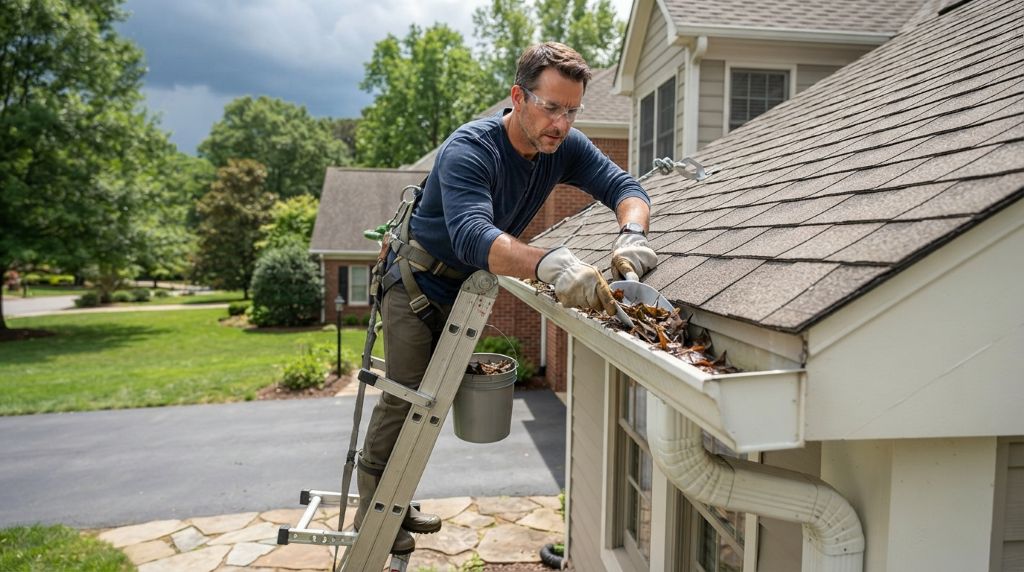
- Solid Footing: Use a sturdy ladder on level ground. Enlist a helper to steady the ladder if possible.
- Mind the Wires: Be aware of overhead power lines and maintain a safe distance.
- Protective Gear: Wear gloves and eye protection, especially when handling sharp objects or chemicals.
- Attic Awareness: Attics can be hazardous with exposed nails, insulation, and limited lighting. Proceed with caution.
Assessing the Situation
Before you can fix a leak, you need to find it. This can be tricky, as water often travels before it drips. Here’s how to pinpoint the source:
- Follow the Trail: Start where you see the leak inside your home. Trace the water stains upwards towards the ceiling and attic.
- Attic Inspection: Head to the attic with a flashlight. Look for water stains, damp insulation, or signs of daylight peeking through the roof.
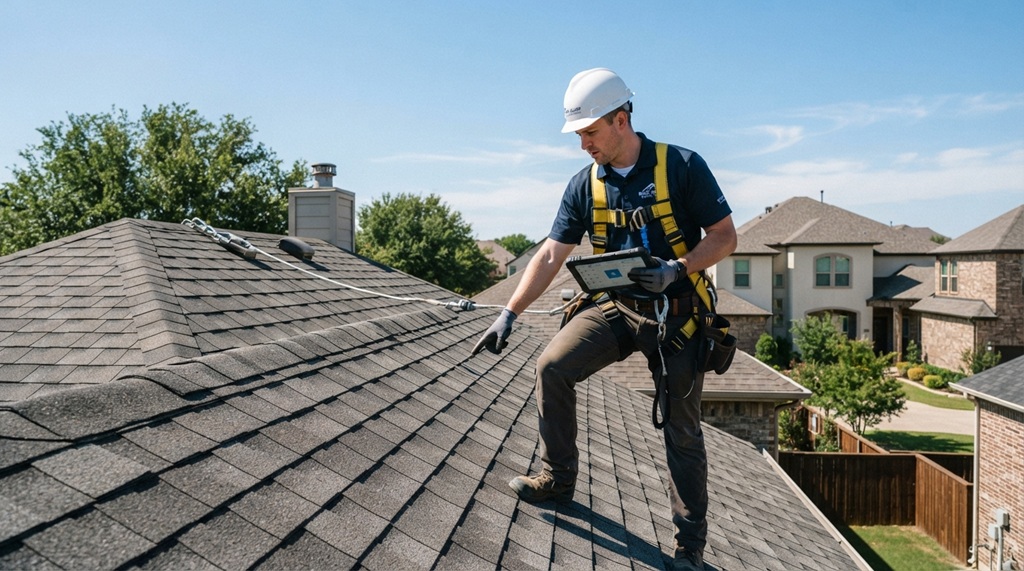
- Exterior Check: If possible, inspect the roof from the outside. Look for missing or damaged shingles, cracked flashing, or gaps around vents and chimneys.
Temporary Leak Repair Solutions
Once you’ve located the leak, it’s time to take action. Here are some effective temporary solutions using common household materials:
-
The Tarp Technique:
- Best for: Large leaks, missing shingles, or damaged sections of the roof.
- You’ll need: A heavy-duty tarp (larger than the damaged area), rope or bungee cords, bricks or heavy objects.
- How-to:
- Spread the tarp over the damaged area, extending it at least 2 feet beyond the leak on all sides.
- Secure the tarp by weighing it down with bricks or heavy objects around the edges. If possible, tie the tarp to secure anchors like chimneys or vents using rope or bungee cords.
- Overlap multiple tarps if needed, ensuring the upper layers overlap the lower ones to direct water flow downwards.
-
The Bucket Brigade:
- Best for: Slow drips or leaks coming from a specific point.
- You’ll need: A bucket, a sturdy container, or a plastic sheet to funnel water.
- How-to:
- Place the bucket directly under the leak to catch dripping water.
- If the leak is spreading, use a container with a wider opening or create a funnel with a plastic sheet to direct the water into the bucket.
- Empty the bucket regularly to prevent overflow.
-
The Patchwork Fix:
- Best for: Small holes, cracks, or damaged shingles.
- You’ll need: Roofing cement or sealant, a putty knife, a piece of flashing or shingle (optional).
- How-to:
- Clean the area around the leak, removing any loose debris or damaged material.
- Apply a generous amount of roofing cement or sealant over the hole or crack, using the putty knife to spread it evenly.
- If the damage is more significant, cover it with a piece of flashing or shingle, then apply another layer of sealant over the patch.
-
The Duct Tape Dilemma:
- Best for: A very temporary, emergency fix in dry weather.
- You’ll need: Heavy-duty duct tape (not the standard kind!).
- How-to:
- Clean and dry the area around the leak.
- Apply duct tape firmly over the hole or crack, ensuring it adheres well to the surrounding roof surface.
- Important: Duct tape is not a long-term solution and can be damaged by sun and rain. Replace it with a more permanent fix as soon as possible.
-
The Interior Barrier:
- Best for: Containing water damage inside your home while waiting for repairs.
- You’ll need: Plastic sheeting, buckets, towels.
- How-to:
- Cover furniture and belongings with plastic sheeting to protect them from water damage.
- Place buckets and towels strategically to absorb dripping water and prevent it from spreading.
Product Reviews
While DIY solutions are great for temporary fixes, using quality products can make a difference. Here are some recommended products for patching roof leaks:
- Roof Sealants:
- Henry Wet Patch Roof Cement: A popular choice for its strong adhesion and ability to seal leaks even in wet conditions.
- Flex Seal Liquid Rubber Sealant Coating: This flexible sealant creates a waterproof barrier that expands and contracts with temperature changes.
- Tarps:
- Gorilla Heavy Duty Poly Tarp: Known for its tear and puncture resistance, this tarp is a reliable option for covering larger areas.
- ABCCANOPY Waterproof Poly Tarp: Available in various sizes and thicknesses, this tarp offers UV protection and reinforced corners for added durability.
Pros and Cons of DIY Temporary Roof Leak Repairs
Pros:
- Immediate action: Prevents further water damage and protects your home.
- Cost-effective: Utilizes common household materials or affordable products.
- Peace of mind: Provides a temporary solution until professional help arrives.
Cons:
- Temporary fix: These solutions are not meant to be permanent and may not withstand harsh weather conditions.
- Safety risks: Working on a roof can be dangerous, especially in wet or windy conditions.
- Potential for further damage: Improperly applied patches or tarps can trap moisture and worsen the problem.
FAQ about Temporary Roof Leak Repairs
Q: Can I use any type of tarp to cover a roof leak?
A: It’s best to use a heavy-duty tarp made of polyethylene or canvas. These materials are more durable and water-resistant than lightweight tarps.
Q: How long can I leave a tarp on my roof?
A: A tarp should only be a temporary solution. Prolonged exposure to sun and weather can damage the tarp and the roof underneath. Aim to have the leak repaired professionally as soon as possible.
Q: Is it safe to walk on my roof?
A: Walking on a roof can be dangerous, especially if it’s wet or sloped. If you’re not comfortable or experienced, it’s best to leave it to the professionals.
Q: What should I do if I can’t find the source of the leak?
A: If you’re having trouble locating the leak, it’s best to contact a qualified roofing contractor. They have the experience and tools to identify and address the issue.
Q: Can I use Flex Seal to fix a roof leak?
A: Flex Seal can be a useful temporary solution for small leaks and cracks. However, it’s not a substitute for proper roof repair.
Don’t Wait, Take Action!
A leaky roof can cause significant damage to your home if left unaddressed. By following these tips and utilizing temporary solutions, you can minimize damage and protect your property until professional help arrives. Remember to prioritize safety and don’t hesitate to contact a roofing expert for assistance. A dry home is a happy home!