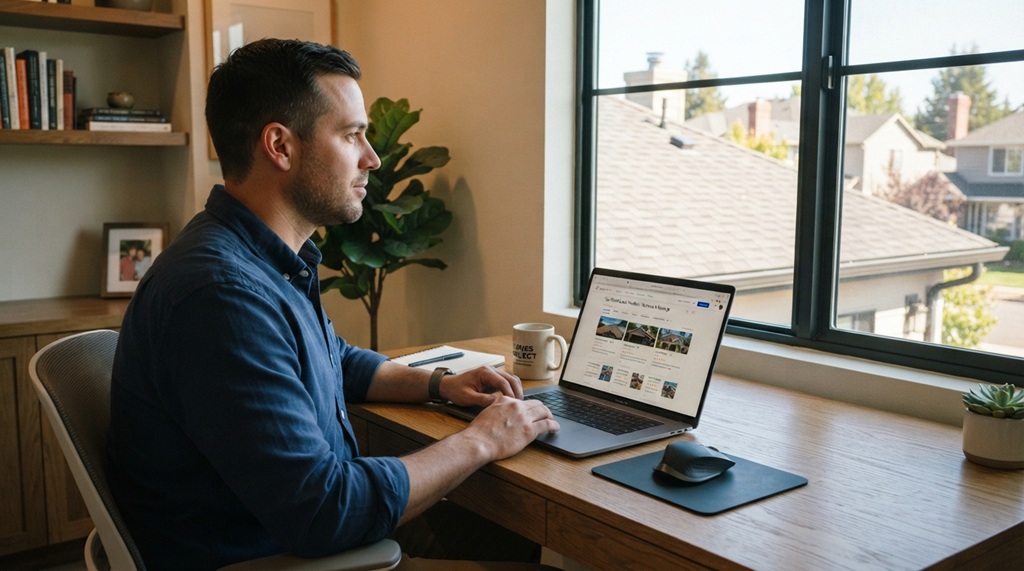
Roof contractor reviews are reliable as a starting point, but not as the final answer. They show you how a company treats customers. They rarely show you how well the roof holds up years later.
Some reviews are honest and helpful. Others are fake, paid for, or written too early to mean much. This guide shows you how to sort the good from the bad. You will also learn a few checks that most homeowners skip.
Why Roof Contractor Reviews Help, But Only Up to a Point
Reviews help most when you use them to judge service, not roof quality. A roof is a long-term product, and most reviews come from the first few days after the job. Keep that gap in mind as you read.
What reviews show well
Reviews are good at revealing everyday behavior. Look for comments about:
- Whether the crew showed up on time
- How clear the estimate was
- Whether the final price matched the quote
- How well the team cleaned up nails and debris
- How the office answered calls and questions
When many customers mention the same thing, treat it as a pattern. Ten people praising a polite crew tells you more than one glowing story.
What reviews miss
A new roof looks great on day one. Leaks from poor flashing or weak sealing can take months to show up. A review written the week after install cannot tell you about those problems.
Reviews also miss details like the shingle brand, the underlayment, and the ventilation plan. Most homeowners do not know to check these. So a five-star rating may reflect friendly service more than skilled work.
How to Spot Fake or Paid Roofing Reviews
Fake reviews often look too perfect, too similar, or too vague. You can catch most of them with a few quick checks. Take two minutes to scan the whole review list, not just the top few.
Warning signs in the wording
- Vague praise. “Great company, great job!” says nothing about the actual work.
- Repeated phrases. Several reviews use the same odd wording or company slogan.
- Sales language. Real customers rarely write like an ad.
- No detail. A real review usually mentions a roof type, a problem, or a person’s name.
Warning signs in the pattern
- A sudden burst. Twenty reviews arrive in one week after months of silence.
- Only five-star ratings. A long history with zero complaints is rare in any trade.
- Thin profiles. Reviewers with one review and no photo deserve extra caution.
- Wrong locations. Reviewers who live far from the service area may not be real customers.
Some contractors also pay for reviews or offer discounts in exchange for five stars. Many review platforms ban this, but enforcement is uneven. That is one reason to never rely on stars alone.
Which Review Sites Give the Best Picture of a Roofer
No single site tells the whole story, so check at least three. Each platform has strengths and weak spots.
Google Business Profile
Google usually has the most reviews, and you can read them in date order. It also shows owner replies and customer photos. The downside is that fake reviews can slip in, so apply the checks above.
Better Business Bureau
The BBB is useful for formal complaints and how the company resolved them. A company that ignores complaints for months is a red flag. Keep in mind that BBB ratings can also reflect whether a company pays for accreditation, so read the complaint details, not just the letter grade.
Local and neighborhood sources
Neighborhood apps and local Facebook groups often give the most honest feedback. Neighbors tend to name names and share photos of finished roofs. You can also ask people to show you a roof the company installed several years ago.
Review sites and lead platforms
Some home-service platforms make money by selling leads to contractors. Reviews there can still be useful, but read them with that business model in mind. Use them to compare, not to decide.
Reading Roofing Reviews: 4 Essential Strategies for Homeowners
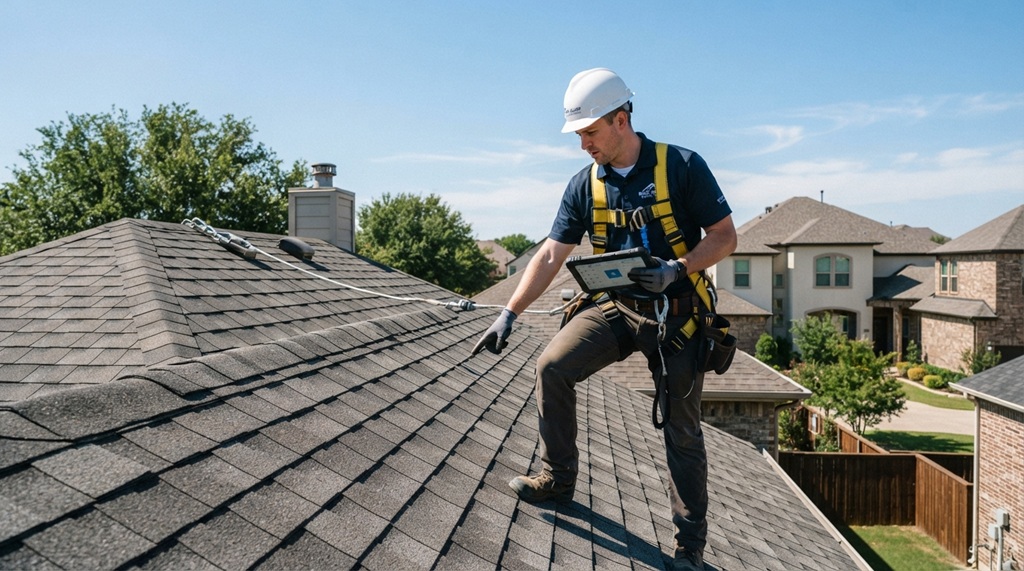
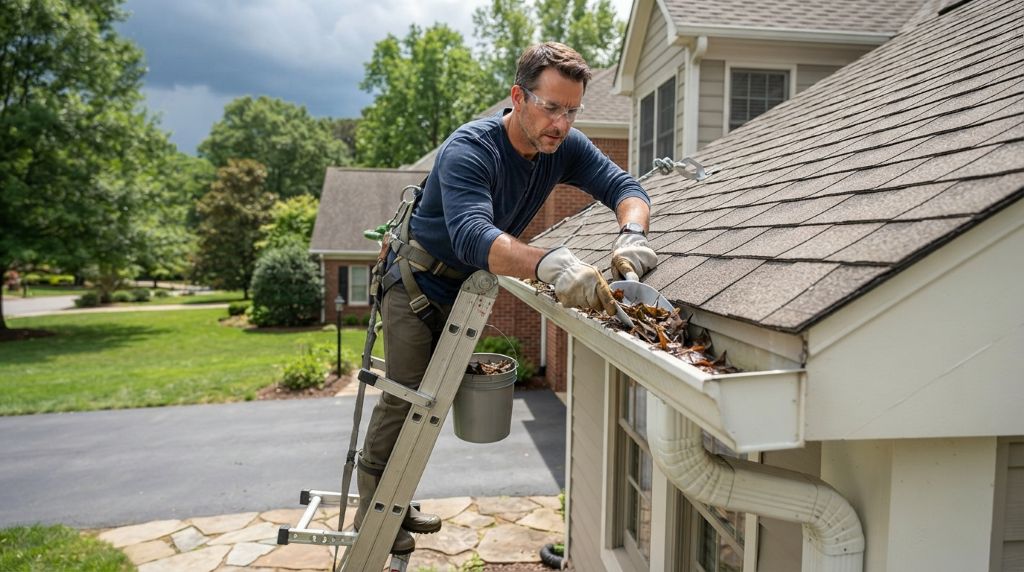
To make online reviews truly work for your home improvement investments, you need to look beyond arbitrary star ratings and evaluate the specific operational details that define exceptional craftsmanship. High-value reviews reveal a contractor’s communication standards, site safety practices, material honesty, and long-term structural reliability. Whether you are vetting trusted local roofers or exploring how modern kitchens in San Diego, CA are using slim filler ideas for better finishes, demanding verifiable quality upfront is the single most reliable way to protect your property’s long-term equity.
Read the three-star reviews first
Three-star reviews are often the most honest. The writer liked some things and disliked others, and usually explains why. Look for the type of problem. A late start is minor. A leak that the company would not fix is serious.
Study how the owner replies
A contractor’s reply to a bad review reveals character. Good owners stay calm, admit mistakes, and offer to fix the issue. Bad owners argue, blame the customer, or copy and paste the same answer. A polite, specific reply can turn a negative review into a reason to trust the company.
Match the job to your own
A contractor who does mostly simple shingle replacements may not suit a slate, tile, or metal roof. Look for reviews that mention your roof type, your home size, or a similar problem. A great review for a small repair does not prove skill on a full replacement.
Look for older reviews
Here is the angle most guides skip. Search for reviews that are two or three years old, then look for follow-up comments. Did the customer come back to say the roof still looks good? Did they mention a warranty claim and how the company handled it? Older feedback tells you what a rushed five-star review cannot.
What to Check Beyond Reviews Before You Hire
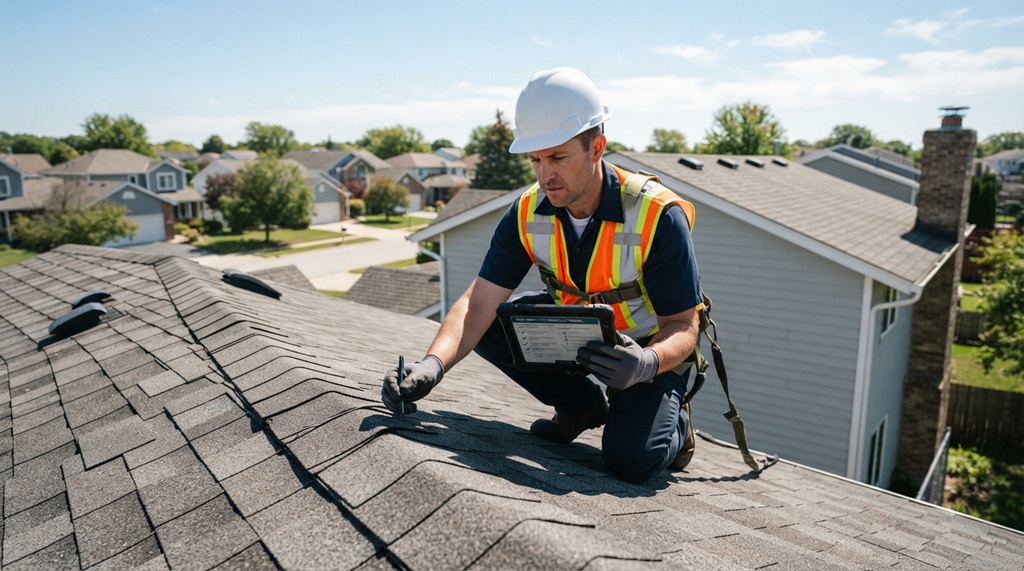
Reviews should support your decision, not make it for you. Once you have a short list, verify the basics yourself. This step protects you far more than any star rating.
Verify license and insurance
Ask for the license number where your state or city requires one, and confirm it with the licensing office. Ask for proof of liability insurance and workers’ compensation. If a worker falls off your roof and the company has no coverage, you could face the bill.
Get written estimates
Collect at least three written quotes. Compare the scope of work, materials, and warranty terms, not just the total price. A very low bid often means cheaper materials or skipped steps.
Ask for recent references
Ask for two or three customers from the past year and two from several years back. Call them. Ask if the crew finished on time, if the price changed, and if any leaks appeared. Most honest contractors are happy to share names.
Understand the warranty
Ask who backs the warranty, the manufacturer or the contractor. Ask how long each part lasts and what voids it. A warranty only matters if the company will still exist when you need it. This is another reason to favor contractors with a long local history.
Extra Caution After a Storm
After hail or high winds, reviews get harder to trust. Storm chasers, meaning out-of-town crews that follow bad weather, often show up with new business names and few or no reviews. Some buy reviews to look established.
Be careful if someone knocks on your door and pushes you to sign quickly. Never sign over your insurance claim or agree to pay in full up front. Check that the company has a local address and a track record that goes back more than one storm season. Call your insurer before you sign anything.
Frequently Asked Questions
Can I trust five-star roofing reviews?
You can trust them when they include real details, such as the roof type, the crew’s names, and the timeline. Be careful when five-star reviews are short, vague, or all posted within a few days. Balance them with reviews from different sites.
How many reviews should a good roofer have?
There is no magic number. A steady flow of reviews over several years is a better sign than a large number posted at once. Aim for a company with a mix of recent and older reviews and a history of answering complaints.
Are negative roofing reviews always a dealbreaker?
No. Every busy contractor gets a few unhappy customers. What matters is the pattern and the response. Repeated complaints about leaks, hidden fees, or ignored warranty claims are serious. A single late-arrival complaint with a polite owner reply is not.
What is the best way to check if a roofing company is legitimate?
Start by confirming the license and insurance, then check for complaints with your local consumer office or the BBB. Ask for references and visit a finished roof if you can. Reviews come last, as a supporting check.
Should I choose the roofer with the highest rating?
Not automatically. A 4.7 rating with detailed reviews and honest owner replies can beat a perfect 5.0 with vague praise. Pick the company that scores well on reviews, credentials, written estimates, and warranty terms together.
Conclusion
Roof contractor reviews are a useful guide, but they are only one piece of the puzzle. They show service quality well. They say little about how a roof performs years later.
Read reviews on several sites, start with the three-star ones, and watch how owners reply. Then check licenses, insurance, references, and warranty terms yourself. That combination gives you the best chance of hiring a roofer you can trust.