

Water damage is a homeowner’s nightmare. Whether it’s a burst pipe, a leaky roof, or a natural disaster, the aftermath of water intrusion can be devastating. In the face of such a crisis, the term “mitigation” becomes crucial. But what exactly does mitigation mean in the context of water damage? This comprehensive guide will delve into the intricacies of water damage mitigation, exploring its processes, benefits, and why it’s essential for restoring your property and peace of mind.
Understanding Water Damage Mitigation
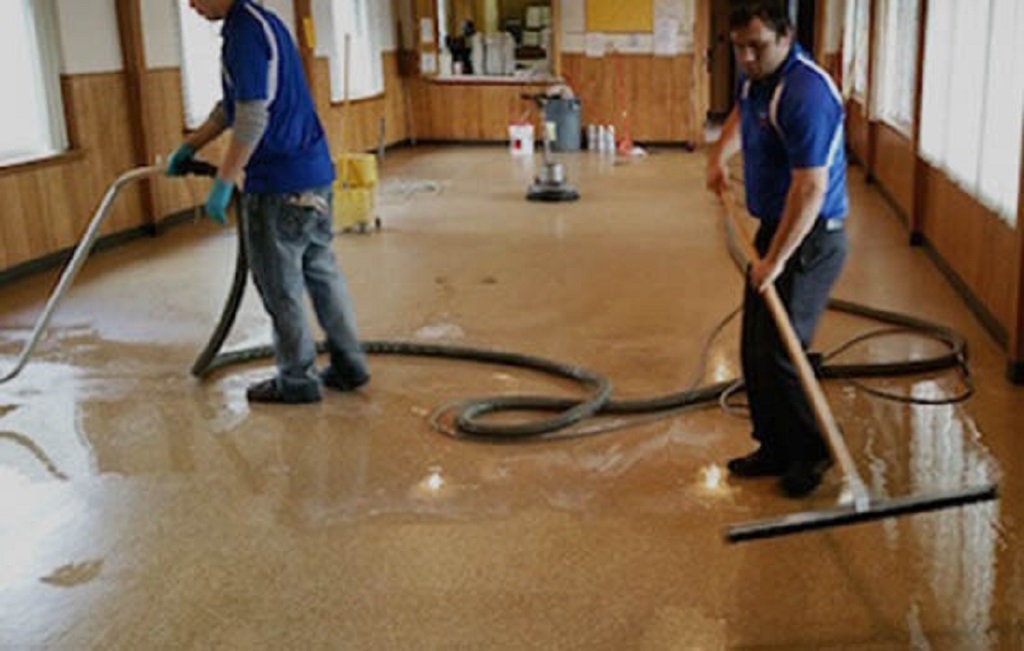
Water damage mitigation is a systematic process that focuses on preventing further damage after water has entered your property. It involves a series of steps aimed at minimizing loss, protecting your belongings, and creating a safe environment for restoration to begin. Think of it as emergency response and damage control rolled into one.
The primary goals of mitigation are:
- Extract Water: The first and most crucial step is removing standing water. This is done using powerful pumps and vacuums to quickly dry the affected areas.
- Prevent Mold Growth: Moisture creates a breeding ground for mold, which can pose serious health risks. Mitigation includes measures to inhibit mold growth, such as dehumidification and antimicrobial application.
- Salvage Belongings: Mitigation specialists work to protect and salvage your furniture, documents, and other valuables by carefully removing them from the affected area, cleaning them, and storing them safely.
- Structural Drying: Water can seep into walls, floors, and ceilings, causing hidden damage. Mitigation involves thorough drying of these structures to prevent warping, rotting, and further deterioration.
The Mitigation Process: A Step-by-Step Breakdown
While the specifics may vary depending on the extent of the damage, the general mitigation process follows these key steps:
- Assessment and Inspection: A professional mitigation team will thoroughly assess the damage, identifying the source of the water, the affected areas, and the extent of the problem. This includes checking for structural damage, safety hazards, and potential contamination.
- Water Extraction: Using specialized equipment like submersible pumps and wet/dry vacuums, the team will remove standing water from the property.
- Drying and Dehumidification: Industrial-grade dehumidifiers and air movers are used to remove moisture from the air and affected materials. This process helps prevent mold growth and further damage.
- Cleaning and Sanitizing: Contaminated materials and surfaces are cleaned and disinfected to prevent the spread of bacteria and viruses.
- Content Manipulation: Personal belongings are carefully removed, cleaned, and stored. This might involve packing and inventorying items for off-site storage or restoration.
- Monitoring and Documentation: Throughout the process, the mitigation team monitors moisture levels and documents the progress, ensuring that the drying process is effective.
Why is Mitigation Important?
Mitigation is not just about cleaning up the mess; it’s about preventing further damage and protecting your health and well-being. Here’s why it’s crucial:
- Minimize Losses: Swift action can significantly reduce the extent of the damage, saving you money on repairs and replacement costs.
- Prevent Mold Growth: Mold can cause serious health problems, especially for people with allergies or respiratory issues. Mitigation helps prevent mold by controlling moisture levels.
- Protect Your Belongings: Mitigation specialists take steps to salvage and restore your valuable possessions, reducing emotional and financial loss.
- Ensure Safety: Water damage can create safety hazards like electrical problems and structural instability. Mitigation addresses these issues to make your home safe.
- Facilitate Restoration: By stabilizing the situation and preventing further damage, mitigation prepares the property for the restoration process.
Choosing a Water Damage Mitigation Company: What to Look For
Selecting the right mitigation company is critical for effective and efficient restoration. Here are some factors to consider:
- Experience and Certification: Look for companies with extensive experience in water damage restoration and certifications from reputable organizations like the Institute of Inspection, Cleaning and Restoration Certification (IICRC).
- Response Time: Water damage requires immediate action. Choose a company that offers 24/7 emergency services and can respond quickly to your call.
- Equipment and Technology: Ensure the company uses advanced equipment and techniques for water extraction, drying, and dehumidification.
- Insurance and Licensing: Verify that the company is properly insured and licensed to operate in your area.
- Customer Reviews and Testimonials: Read online reviews and testimonials to get an idea of the company’s reputation and customer satisfaction.
Pros and Cons of Professional Water Damage Mitigation
Pros:
- Expertise and Efficiency: Professionals have the knowledge, skills, and equipment to handle water damage effectively and efficiently.
- Reduced Stress: Dealing with water damage is stressful. Hiring professionals allows you to focus on other important matters while they handle the restoration.
- Minimized Losses: Professional mitigation can significantly reduce the extent of the damage and save you money in the long run.
- Improved Safety: Professionals can identify and address safety hazards, ensuring a safe environment for you and your family.
- Insurance Assistance: Many mitigation companies can assist with insurance claims, making the process smoother and less stressful.
Cons:
- Cost: Professional mitigation services can be expensive, depending on the extent of the damage.
- Potential for Scams: Unfortunately, there are unscrupulous companies that may take advantage of homeowners in distress. It’s important to choose a reputable company.
Frequently Asked Questions (FAQ) about Water Damage Mitigation
-
How much does water damage mitigation cost?
The cost of mitigation varies depending on several factors, including the extent of the damage, the type of water (clean, gray, or black), the size of the affected area, and the location. It’s best to get a quote from a reputable mitigation company for an accurate estimate.
-
Does insurance cover water damage mitigation?
Most homeowners insurance policies cover water damage caused by sudden and accidental events, such as burst pipes or storms. However, coverage may vary depending on the cause of the damage and your specific policy. It’s essential to contact your insurance company as soon as possible to file a claim and understand your coverage.
-
How long does the mitigation process take?
The duration of the mitigation process depends on the severity of the damage. It can take anywhere from a few days to several weeks to completely dry and stabilize the property.
-
Can I do water damage mitigation myself?
While it may be tempting to tackle the cleanup yourself, it’s generally not recommended, especially for significant water damage. Professional mitigation companies have the expertise, equipment, and experience to handle the situation safely and effectively.
-
How can I prevent water damage in my home?
There are several steps you can take to reduce the risk of water damage, including:
- Regularly inspect and maintain your plumbing system.
- Repair any leaks promptly.
- Clean your gutters and downspouts.
- Ensure proper insulation and ventilation in your attic and crawl spaces.
- Install water leak detection devices.
-
What is the difference between water damage mitigation and restoration?
Mitigation focuses on preventing further damage and stabilizing the property after water intrusion. Restoration, on the other hand, involves repairing and rebuilding the damaged areas to restore the property to its pre-loss condition.
-
What should I do if I suspect mold growth after water damage?
If you notice any signs of mold, such as a musty odor or visible mold growth, contact a professional mold remediation company immediately. Mold can pose serious health risks and requires specialized treatment.
-
How do I choose the right water damage mitigation company?
Look for companies with experience, certifications, quick response time, advanced equipment, and positive customer reviews. Get multiple quotes and compare services before making a decision.
Beyond Mitigation: The Restoration Process
Once the mitigation process is complete and the property is stabilized, the restoration phase begins. This involves repairing and rebuilding the damaged areas to restore your home to its pre-loss condition. The restoration process may include:
- Structural Repairs: Repairing or replacing damaged walls, floors, ceilings, and other structural elements.
- Content Restoration: Restoring or replacing damaged furniture, appliances, electronics, and other personal belongings.
- Mold Remediation: If mold is present, specialized remediation techniques will be used to remove it safely and prevent its return.
- Painting and Finishing: Repainting walls, replacing flooring, and completing other finishing touches to restore the aesthetic appeal of your home.
The Importance of Documentation
Throughout the entire process, from mitigation to restoration, it’s crucial to document everything. This includes:
- Photos and Videos: Take detailed photos and videos of the damage before, during, and after the mitigation and restoration process.
- Inventory of Damaged Items: Create a detailed inventory of all damaged belongings, including their condition and estimated value.
- Communication Records: Keep records of all communication with the mitigation company, insurance adjusters, and other relevant parties.
- Receipts and Invoices: Keep all receipts and invoices for expenses related to the water damage and restoration.
This documentation will be essential for insurance claims and can also help protect you in case of any disputes.
Preventing Future Water Damage
While you can’t always prevent water damage from happening, there are steps you can take to minimize the risk and protect your home:
- Regular Maintenance: Regularly inspect and maintain your plumbing system, roof, gutters, and appliances.
- Leak Detection: Install water leak detection devices that can alert you to leaks early on.
- Proper Grading: Ensure that the ground around your home slopes away from the foundation to prevent water from pooling.
- Sump Pump: If your home is prone to basement flooding, consider installing a sump pump.
- Emergency Preparedness: Have a plan in place for dealing with water damage emergencies, including contact information for mitigation companies and your insurance provider.
By taking these proactive measures, you can significantly reduce the risk of water damage and protect your home and belongings.
Conclusion
Water damage mitigation is a critical process that can help minimize losses, protect your health, and facilitate the restoration of your property. By understanding the process, choosing the right mitigation company, and taking steps to prevent future damage, you can navigate this challenging situation with greater confidence and peace of mind. Remember, swift action is key when it comes to water damage. The sooner you address the problem, the less damage it will cause and the faster you can return to a safe and comfortable home.
Read More:
The Importance of Emergency Water Mitigation After Roof Damage
What Does Mitigation Mean for Water Damage? A Comprehensive Guide
Stop the Drip: Your Guide to the Fastest Roof Leak Fixes
Roof Leak Got You Covered? Temporary Fixes Until the Pros Arrive







