
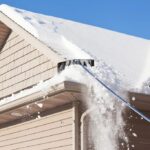
Winter’s pristine beauty often comes with a hidden adversary: snow buildup on your roof. While light dusting can evoke a cozy, picturesque scene, excessive snow accumulation poses significant risks, from structural damage and leaks to ice dam formation and potential safety hazards. Understanding how to proactively prevent snow buildup is crucial for protecting your home and ensuring peace of mind during the harshest winter months.
This comprehensive guide delves into the multifaceted approach to snow buildup prevention, covering everything from structural considerations and insulation strategies to practical tools and preventative measures. We’ll also address common concerns through a detailed FAQ section, equipping you with the knowledge to tackle winter’s challenges head-on.
Understanding the Enemy: The Dynamics of Snow Buildup
Before we dive into prevention, it’s essential to understand how snow accumulates on a roof.
Several factors contribute to this phenomenon, including:
- Roof Design: The pitch and shape of your roof play a significant role. Steeper roofs tend to shed snow more easily, while flatter roofs are more susceptible to accumulation. Valleys, where two roof sections meet, are particularly vulnerable to snow drifts.
- Weather Patterns: Heavy snowfall, coupled with wind, can lead to significant snow accumulation. Cycles of freezing and thawing can exacerbate the problem, leading to the formation of ice dams.
- Roof Temperature: A warm roof, often caused by inadequate insulation or poor ventilation, can melt the bottom layer of snow. This meltwater can then refreeze at the roof’s edge, creating ice dams that trap subsequent snowfall.
- Obstructions: Chimneys, skylights, and other roof protrusions can act as barriers, trapping snow and creating areas of concentrated buildup.
Proactive Measures: Structural Considerations and Roof Maintenance
Preventing snow buildup starts with a solid foundation – literally. Regular roof inspections and maintenance are crucial for identifying and addressing potential vulnerabilities.
- Roof Inspections: Conduct thorough inspections before the onset of winter. Look for signs of damage, such as cracked or missing shingles, deteriorated flashing, and sagging areas. Address these issues promptly to prevent water infiltration and structural weakening.
- Reinforcing Structural Integrity: In areas prone to heavy snowfall, consider reinforcing your roof’s structure to withstand the added weight. Consult with a qualified roofing contractor to assess your roof’s load-bearing capacity and implement necessary reinforcements.
- Proper Flashing and Sealing: Ensure that all flashing around chimneys, vents, and skylights is in good condition and properly sealed. This prevents water from seeping under the roofing material and contributing to ice dam formation.
- Gutter Maintenance: Clean gutters and downspouts regularly to prevent blockages that can lead to water backup and ice dam formation. Ensure that downspouts extend far enough away from the foundation to prevent water from pooling around the base of your home.
Insulation and Ventilation: Controlling Roof Temperature
A well-insulated and ventilated attic is crucial for maintaining a consistent roof temperature and preventing snow melt.
- Adequate Insulation: Ensure that your attic is adequately insulated to prevent heat from escaping into the roof. This helps maintain a consistent roof temperature and reduces the risk of snowmelt.
- Proper Ventilation: Install adequate attic ventilation to allow for proper airflow. This helps regulate attic temperature and prevents moisture buildup, which can contribute to ice dam formation. Ridge vents, soffit vents, and gable vents are effective ventilation options.
- Sealing Air Leaks: Seal any air leaks in your attic to prevent warm air from escaping into the roof. This includes sealing gaps around pipes, wires, and light fixtures.
Related: Stop the Drip: Your Guide to the Fastest Roof Leak Fixes
Practical Tools and Preventative Measures: Taking Action

Beyond structural considerations, several practical tools and preventative measures can help mitigate snow buildup.
- Roof Rakes: Use a long-handled roof rake to remove snow from the roof’s edge. This is particularly effective for preventing ice dam formation. Exercise caution when using a roof rake, and avoid standing directly under the roof’s edge.
- Heated Roof Cables: Install heated roof cables along the roof’s edge to melt snow and prevent ice dam formation. These cables are particularly useful in valleys and around gutters.
- Snow Guards: Install snow guards on your roof to prevent large sheets of snow from sliding off and posing a safety hazard. They also help distribute snow load more evenly.
- Professional Snow Removal: For heavy snowfall or complex roof designs, consider hiring a professional snow removal service. They have the expertise and equipment to safely remove snow from your roof.
- Ice Melt Products: Apply ice melt products to gutters and downspouts to prevent ice buildup. Choose a product that is safe for your roofing material and landscaping.
- Regular Monitoring: During periods of heavy snowfall, regularly monitor your roof for signs of excessive snow buildup or ice dam formation. Early detection allows for prompt action and prevents more serious problems.
Related: How to Fix Standing Water on a Roof: A Comprehensive Guide
People Also Ask (FAQs):
Q: How much snow is too much for a roof?
A: The amount of snow a roof can handle depends on its design, construction, and the type of snow. Generally, a foot of wet, heavy snow can weigh as much as 20 pounds per square foot, which can put significant stress on a roof. Consult with a roofing professional to determine your roof’s load-bearing capacity.
Q: Can I use a regular shovel to remove snow from my roof?
A: Using a regular shovel can damage your roofing material. Roof rakes are specifically designed for snow removal and are less likely to cause damage.
Q: Are heated roof cables safe?
A: When installed and used correctly, heated roof cables are safe. Ensure that the cables are properly grounded and that they are not damaged. Follow the manufacturer’s instructions carefully.
Q: How do I prevent ice dams from forming?
A: Preventing ice dams involves a multi-pronged approach, including proper insulation, ventilation, and snow removal. Heated roof cables and ice melt products can also be effective.
Q: What are the signs of roof damage from snow buildup?
A: Signs of roof damage include sagging areas, cracks in the ceiling, water leaks, and excessive ice dam formation. If you notice any of these signs, contact a roofing professional immediately.
Q: Are there any specific roof types that are more prone to snow buildup?
A: Low-slope or flat roofs are more prone to snow buildup than steeply pitched roofs. Valleys, where two roof sections meet, are also vulnerable.
Q: Is it safe to climb on my roof to remove snow?
A: Climbing on a snow-covered roof can be extremely dangerous. It is best to use a roof rake from the ground or hire a professional snow removal service.
Q: How do I choose the right snow guards for my roof?
A: Consult with a roofing professional to determine the appropriate type and placement of snow guards for your roof. Factors to consider include roof pitch, snow load, and roofing material.
Q: Can trees near my house contribute to snow buildup on my roof?
A: Yes, trees can contribute to snow buildup by trapping snow and preventing it from sliding off the roof. Trim branches that overhang your roof to minimize this risk.
Q: What are the long-term effects of repeated snow buildup on a roof?
A: Repeated snow buildup can lead to structural damage, roof leaks, ice dam formation, and premature roof deterioration. It can also increase the risk of mold growth and other moisture-related problems.
Conclusion: A Proactive Approach for Winter Resilience
Preventing snow buildup on your roof requires a proactive and multifaceted approach. By understanding the dynamics of snow accumulation, implementing proper maintenance practices, and utilizing effective tools and preventative measures, you can safeguard your home from the damaging effects of winter weather. Regular inspections, proper insulation and ventilation, and timely snow removal are essential components of a comprehensive snow buildup prevention strategy.
Remember, safety should always be your top priority. When in doubt, consult with a qualified roofing professional or snow removal service. By taking the necessary precautions, you can ensure that your roof remains strong and resilient throughout winter, allowing you to enjoy the beauty of winter without the worry of costly damage.
Read More:
How to Remove an Ice Dam Without Damaging Your Roof
How to Fix Standing Water on a Roof
The Importance of Emergency Water Mitigation After Roof Damage







