
A roof is one of the most critical components of any building. It shields us from the elements, protecting our homes and businesses from rain, snow, and extreme temperatures. However, when a roof suffers damage, it can lead to a cascade of problems, the most immediate being water intrusion.
Why Emergency Water Mitigation Matters

Water damage can quickly escalate from a minor inconvenience to a major catastrophe. Even a small leak can cause significant damage to your property if left unchecked. Here’s why prompt action is crucial:
- Structural Damage: Water can weaken the structural integrity of your building. It can seep into walls, ceilings, and floors, causing them to rot, mold, and eventually collapse.
water damage to a ceiling
- Mold Growth: Mold thrives in damp environments. It can cause respiratory problems, allergies, and other health issues. Mold remediation can be costly and time-consuming.
mold growth on a wall
- Electrical Hazards: Water and electricity are a dangerous combination. Water damage can compromise electrical wiring, increasing the risk of electrical fires and shocks.
- Personal Belongings: Water damage can ruin valuable possessions, including furniture, electronics, and important documents.
- Increased Insurance Costs: Insurance companies often raise premiums for properties with a history of water damage claims.
Steps to Take After Roof Damage
- Assess the Damage: Carefully inspect the affected area to determine the extent of the damage. Look for signs of water stains, leaks, and structural damage.
- Contain the Damage: If possible, temporarily cover the damaged area to prevent further water intrusion. Use tarps or plastic sheeting to protect your property.
- Contact a Professional: Don’t delay in contacting a qualified water damage restoration company. They have the expertise and equipment to handle the situation efficiently.
- Document the Damage: Take photos and videos of the damage for insurance purposes. Keep a detailed record of all expenses related to the cleanup and repairs.
- Work with Your Insurance Company: File a claim with your insurance company as soon as possible. Provide them with all necessary documentation to expedite the claims process.
Choosing a Water Damage Restoration Company
When selecting a water damage restoration company, consider the following factors:
- Experience: Choose a company with a proven track record and experience in handling water damage emergencies.
- Certifications: Look for certifications from reputable organizations, such as the Institute of Inspection, Cleaning, and Restoration Certification (IICRC).
- Insurance: Ensure that the company is adequately insured to cover any potential damages or injuries.
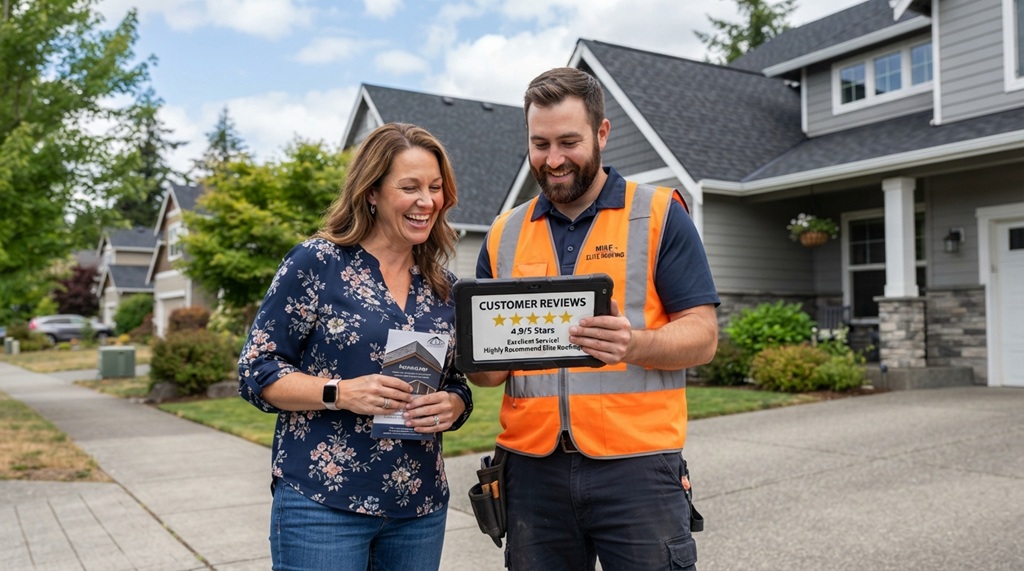
- Customer Reviews: Read online reviews to get a sense of the company’s reputation and customer satisfaction.
- Emergency Services: Choose a company that offers 24/7 emergency services to address your needs promptly.
Preventing Future Water Damage
To minimize the risk of future water damage, consider these preventive measures:
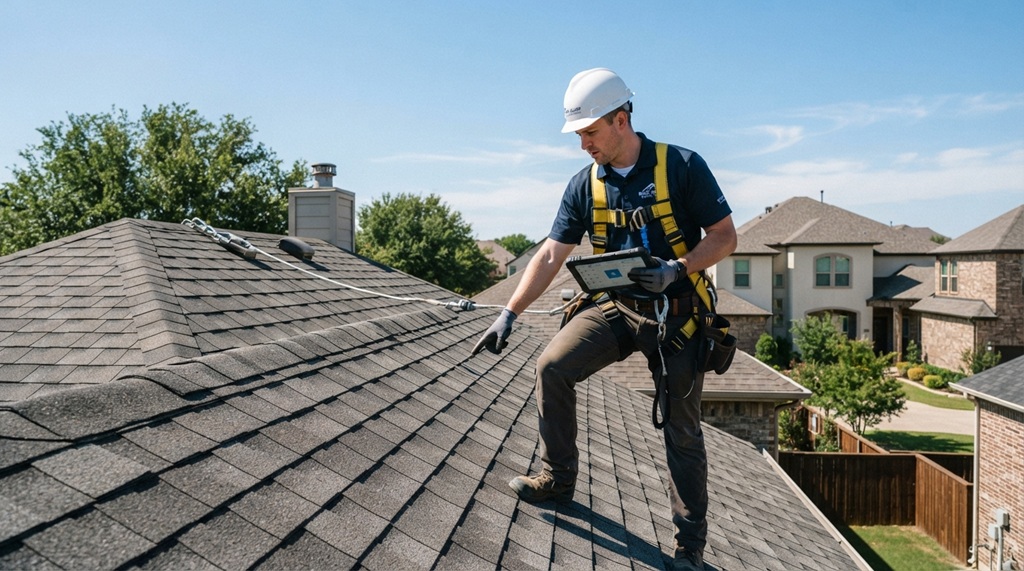
- Regular Roof Inspections: Schedule regular roof inspections to identify and address potential problems early on.
- Proper Roof Maintenance: Keep your roof in good condition by cleaning it regularly, trimming overhanging branches, and repairing any damage promptly.
- Quality Roofing Materials: Use high-quality roofing materials that are resistant to weather damage.
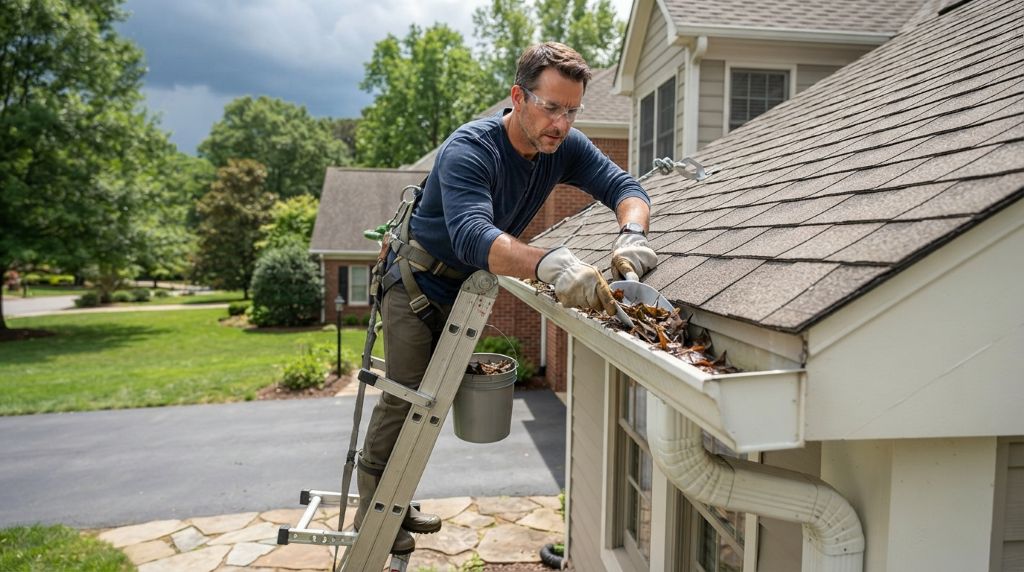
- Gutter Maintenance: Clean your gutters regularly to prevent water buildup and overflows.
By taking immediate action and following these guidelines, you can mitigate the damage caused by water intrusion and protect your property from long-term consequences. Remember, time is of the essence when dealing with water damage. Don’t hesitate to seek professional help to restore your property to its pre-damage condition.
Read More:
Why You Should Hire a Certified Roof Inspector Before Roof Replacement
Roofer Contractor vs. Certified Roof Inspector: What’s the Difference?
How Emergency Water Mitigation Protects Your Home from Water Damage
How to Detect and Repair Skylight Leaks: A Step-by-Step Guide
Top 5 Benefits of Hiring a Certified Roof Inspector for Your Home