
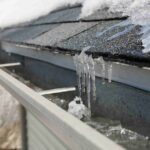
Ice dams, those unsightly ridges of ice that form at the edge of your roof, can cause serious damage if left unchecked. They can force water under your shingles, leading to leaks, mold growth, and even structural damage. While removing an ice dam may seem daunting, with the right approach, you can safely and effectively eliminate it without causing further harm to your roof.
Understanding Ice Dams
Before we delve into removal methods, let’s understand how these icy formations occur. Ice dams typically form in colder climates during winter when snow melts on the warmer roof surface. This melted water then refreezes at the colder eaves, creating a dam. As more snow melts, it gets trapped behind this ice barrier, eventually finding its way under the shingles.
Prevention is Key: Proactive Measures
The best way to deal with ice dams is to prevent them from forming in the first place.
Here are some proactive measures you can take:
- Proper Insulation and Ventilation: Ensure your attic is adequately insulated and well-ventilated. This helps maintain a consistent temperature throughout the roof, minimizing the temperature differential that leads to ice dam formation.
- Regular Roof Inspections: Conduct routine roof inspections, especially during winter. Look for signs of ice dams, such as icicles hanging from the eaves or water stains on the ceilings. Early detection allows for timely intervention.
- Snow Removal: Regularly remove heavy snow from your roof, especially near the edges. This prevents excessive snowmelt and reduces the likelihood of ice dam formation.
- Install Ice and Water Shield: Consider installing an ice and water shield under the shingles in vulnerable areas, such as the eaves and valleys. This waterproof membrane provides an extra layer of protection against water intrusion.
- Consider a Heated Roof Edge: For more severe ice dam problems, you might consider installing a heated roof edge system. These systems use electric cables to melt snow and prevent ice formation.
Safe and Effective Removal Methods
If an ice dam has already formed, it’s crucial to remove it carefully to avoid damaging your roof.
Here are some safe and effective methods:
-
Calcium Chloride Ice Melt (in socks):
- How it works: Calcium chloride is a chemical that melts ice. By placing it in socks and laying them across the ice dam, it creates channels for the trapped water to drain.
- How to do it: Fill old socks with calcium chloride ice melt. Lay the socks horizontally across the ice dam, creating channels for water to flow. Be careful not to spill the ice melt on your landscaping or gutters, as it can cause damage.
- Safety precautions: Wear gloves and eye protection when handling calcium chloride. Avoid inhaling the dust. Do not use rock salt, as it can damage your roof and gutters.
- Advantages: Relatively easy and inexpensive.
- Disadvantages: Can take some time to melt through thick ice dams. Not ideal for very large ice dams.
-
Steaming:

- How it works: A low-pressure steamer uses hot steam to melt the ice dam without causing damage to the roof.
- How to do it: Hire a professional with a specialized steamer designed for ice dam removal. They will use the steamer to carefully melt the ice, creating channels for water to drain.
- Safety precautions: Do not attempt to use a regular steam cleaner, as it can damage your roof. Do not use a pressure washer, as it can damage the shingles.
- Advantages: Very effective and safe for your roof.
- Disadvantages: Requires specialized equipment and professional help. Can be more expensive than other methods.
Related: Stop the Drip: Your Guide to the Fastest Roof Leak Fixes
Roof Raking:
- How it works: A roof rake is a long-handled tool with a flat head that allows you to pull snow off the roof from the ground.
- How to do it: Use a roof rake to carefully pull snow off the roof, working from the top down. Focus on removing snow near the eaves, where ice dams are most likely to form.
- Safety precautions: Be careful not to damage the shingles with the rake. Do not stand directly under the snow as you are raking, as it could fall on you.
- Advantages: Relatively easy and inexpensive. Can be done from the ground.
- Disadvantages: Only effective for removing loose snow. Not effective for removing ice dams that have already formed.
-
Using a hammer and chisel (with extreme care, use as a last resort):
- How it works: This is generally not recommended, as it is very easy to damage roof materials, but some people attempt to break small parts of an ice dam away with a hammer and chisel.
- How to do it: If attempted, very carefully and lightly chip away parts of the ice dam. Lightly tapping is essential.
- Safety precautions: This is an extremely high-risk method. Damage to the roofing material and severe bodily harm are very possible. Use extreme caution, or preferably avoid it entirely.
- Advantages: It can remove ice.
- Disadvantages: Extremely high probability of damage to roofing material.
What Not to Do:
- Do not use a hatchet or axe: These tools can easily damage your roof and create leaks.
- Do not use a power drill or chisel: These tools can damage your shingles and create holes in your roof.
- Do not use excessive force: Applying too much force can damage your roof and cause it to collapse.
- Do not climb on a wet or icy roof: This is extremely dangerous and could result in a fall.
Remove an Ice Dam (FAQs)
- Q: Can I use rock salt to melt ice dams?
- A: No, rock salt can damage your roof and gutters. It can also harm your landscaping.
- Q: How often should I remove snow from my roof?
- A: It depends on the amount of snowfall. In areas with heavy snowfall, it’s recommended to remove snow after every significant snowfall, especially near the eaves.
- Q: Can I prevent ice dams with heated cables?
- A: Yes, heated cables can help prevent ice dams by melting snow and preventing ice formation. However, they should be installed by a professional.
- Q: When is it best to remove ice dams?
- A: The best time to remove ice dams is when the weather is slightly warmer, but still below freezing. This allows the melted water to drain away without refreezing immediately.
- Q: Will gutter guards prevent ice dams?
- A: Gutter guards can help prevent debris from clogging gutters, but they will not prevent ice dams. Ice dams form on the roof, not in the gutters.
- Q: Does attic insulation prevent ice dams?
- A: Proper attic insulation is a key component of ice dam prevention. By keeping the attic space cold, heat is unable to melt roof snow unevenly. Proper ventilation and roof sealing also play important roles.
- Q: Are ice dams covered by home insurance?
- A: It depends on your insurance policy. Some policies may cover damage caused by ice dams, while others may not. It’s best to check with your insurance provider.
- Q: Should I hire a professional for ice dam removal?
- A: If you are not comfortable or confident in your ability to remove ice dams safely, it’s best to hire a professional. Professionals have the experience and equipment to remove ice dams without causing damage to your roof.
Conclusion
Ice dams can be a serious problem for homeowners in colder climates. By understanding how they form and taking proactive measures, you can minimize the risk of damage to your roof. If an ice dam does form, it’s essential to remove it carefully using safe and effective methods. Remember to prioritize safety and avoid any actions that could damage your roof. If you are unsure about any aspect of ice dam removal, it’s always best to consult a professional. By following these guidelines, you can protect your home from the damaging effects of ice dams and ensure a warm and dry winter.







