A leaky roof is a homeowner’s nightmare, but the problem often starts long before the first drip. Standing water, also known as ponding water, is a major culprit behind roof damage and can lead to a cascade of expensive repairs if left unaddressed. This comprehensive guide will walk you through the causes, dangers, and solutions for dealing with standing water on your roof, empowering you to protect your home and your wallet.
Why is Standing Water on My Roof a Problem?
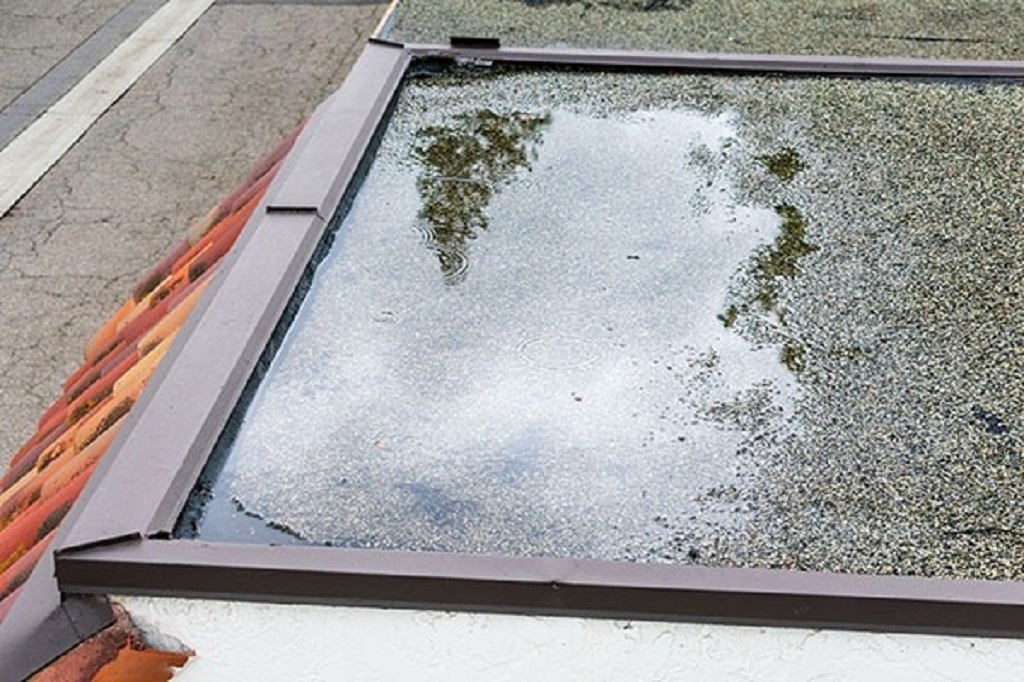
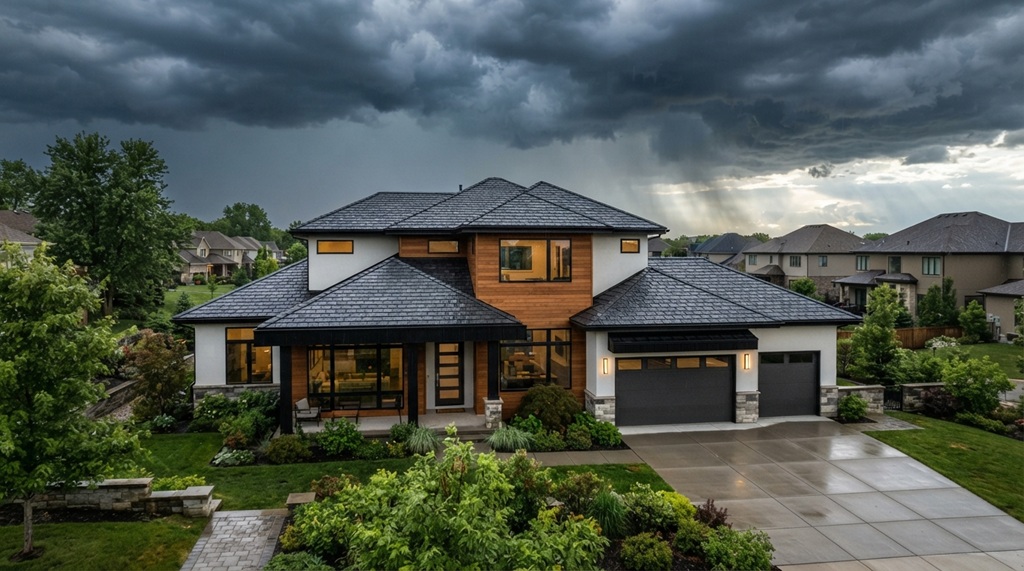
Picture this: after a heavy rainstorm, you notice puddles lingering on your roof, shimmering innocently in the sunlight. While it might seem harmless, that stagnant water is slowly but surely wreaking havoc. Here’s why:
- Structural Damage: Prolonged exposure to water weakens roofing materials, leading to sagging, cracking, and eventual collapse.
- Leaks: Standing water can seep through even the smallest cracks or gaps in your roof, causing leaks that damage your attic, insulation, ceilings, and walls.
- Mold and Mildew Growth: Damp conditions create the perfect breeding ground for mold and mildew, which can compromise indoor air quality and pose health risks.
- Increased Weight Load: Water is heavy! Excess weight on your roof can strain its structural integrity, especially during periods of heavy snow or ice accumulation.
- Reduced Roof Lifespan: All of these factors contribute to premature aging of your roof, requiring costly repairs or even complete replacement sooner than expected.
What Causes Standing Water on a Roof?
Before we dive into solutions, it’s crucial to understand the root causes of standing water. Here are the most common culprits:
- Improper Slope: A roof needs adequate slope (usually a minimum of ¼ inch per foot) to ensure proper drainage. Flat roofs or those with insufficient slope are particularly susceptible to ponding water.
- Clogged Drains: Leaves, debris, and even bird nests can obstruct gutters and downspouts, preventing water from flowing freely off the roof.
- Sagging Roof Deck: Structural issues like a sagging roof deck can create low spots where water accumulates.
- Damaged Flashing: Flashing, the material used to seal joints and seams around chimneys, vents, and skylights, can deteriorate over time, allowing water to penetrate.
- Ice Dams: In colder climates, ice dams can form along the eaves, preventing meltwater from draining and leading to ponding.
How to Identify Standing Water on Your Roof
While sometimes visible from the ground, it’s often necessary to get a closer look. Safety first! If you’re uncomfortable climbing a ladder, hire a qualified roofing professional. Here’s what to look for:
- Visible Puddles: After rainfall, inspect your roof for any areas where water is pooling.
- Sagging Areas: Look for dips or sags in the roof surface, which may indicate underlying structural problems.
- Discoloration or Staining: Water stains, moss growth, or discoloration can be telltale signs of chronic ponding water.
- Check Gutters and Downspouts: Ensure they are clear of debris and functioning correctly.
DIY Solutions for Fixing Standing Water on a Roof
For minor ponding water issues and handy homeowners, here are some DIY solutions you can try:
-
Clear Debris:
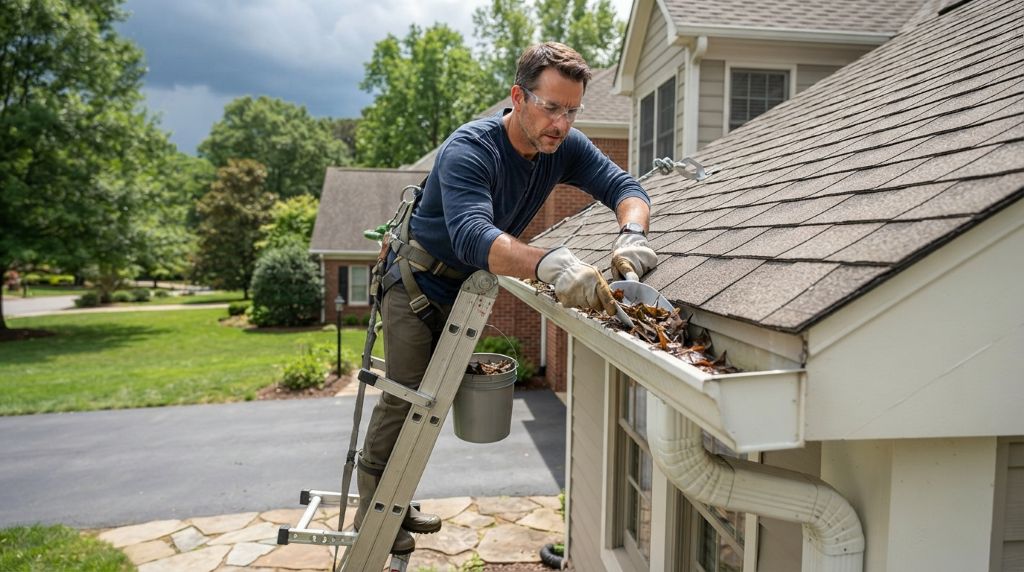
- Gutters and Downspouts: Remove leaves, twigs, and any other obstructions from your gutters and downspouts to ensure proper drainage. Consider installing gutter guards to prevent future clogs.
- Roof Surface: Carefully remove any debris, such as leaves or branches, that may be contributing to water accumulation.
-
Improve Drainage:
- Roof Drains: If your roof has drains, ensure they are clear and functioning correctly. You can use a plumbing snake or a garden hose to flush out any blockages.
- Extend Downspouts: Make sure downspouts direct water away from the foundation of your house to prevent basement flooding. Consider adding extensions to carry water further away.
-
Address Minor Sagging:
- Shim Low Spots: For small areas of sagging, you can carefully insert shims (thin wedges of wood or plastic) under the roofing material to create a slight slope and encourage drainage. Caution: This is a temporary fix and should only be attempted for minor sagging.
Important Note: DIY solutions are best suited for minor ponding water issues and require careful consideration of safety and your own skill level. For significant problems or if you’re unsure, it’s always best to consult a professional roofing contractor.
Professional Solutions for Standing Water on a Roof
For persistent or severe standing water problems, it’s essential to seek professional help. A qualified roofing contractor can accurately diagnose the cause and recommend the best course of action. Here are some common professional solutions:
-
Roof Repair or Replacement:
- Repairing Damaged Flashing: A roofer can replace or repair damaged flashing around chimneys, vents, and other roof penetrations to prevent water infiltration.
- Replacing Damaged Roofing Materials: If the roofing material is damaged or deteriorated, it may need to be replaced to ensure a watertight seal.
- Addressing Structural Issues: For significant sagging or structural damage, a contractor may need to reinforce or replace the roof deck.
-
Improving Roof Slope:
- Adding Taper: A roofer can install tapered insulation or crickets (small triangular structures) to create a slope and direct water towards drains.
- Re-pitching the Roof: In some cases, it may be necessary to re-pitch the entire roof to achieve adequate slope. This is a major undertaking but can be a long-term solution for chronic ponding water issues.
-
Installing a Roof Drainage System:
- Internal Drains: For flat roofs, a roofer can install internal drains that connect to the building’s plumbing system.
- Scuppers: Scuppers are openings in the parapet wall that allow water to drain off the roof.
Choosing a Roofing Contractor
Selecting a qualified and trustworthy roofing contractor is crucial for ensuring a successful and long-lasting repair. Here are some tips:
- Get Multiple Quotes: Obtain quotes from several reputable contractors to compare prices and services.
- Check Credentials: Verify that the contractor is licensed, insured, and has a good track record.
- Ask for References: Request references from previous clients and contact them to inquire about their experience.
- Read Online Reviews: Check online reviews and ratings on websites like Google My Business, Yelp, and Angie’s List.
- Inquire About Warranties: Ask about warranties on both labor and materials.
Preventing Standing Water on Your Roof
Prevention is always better than cure. Here are some proactive measures you can take to prevent standing water on your roof:
- Regular Inspections: Inspect your roof at least twice a year, especially after heavy storms or winter weather.
- Keep Gutters Clean: Clean your gutters and downspouts regularly to prevent clogs.
- Trim Overhanging Trees: Trim branches that overhang your roof to prevent leaves and debris from accumulating.
- Address Roof Issues Promptly: Repair any damage to your roof, such as cracked shingles or damaged flashing, as soon as possible.
- Consider a Roof Coating: A roof coating can provide an extra layer of protection and help prevent water penetration.
Reviews of Popular Roof Drainage Solutions
Here’s a brief overview of some popular roof drainage solutions and their pros and cons:
- Internal Drains:
- Pros: Effective for flat roofs, hidden from view, can handle large volumes of water.
- Cons: More expensive to install, requires connection to the building’s plumbing system.
- Scuppers:
- Pros: Simple and cost-effective, suitable for parapet walls.
- Cons: May not be suitable for all roof types, can be susceptible to clogging.
- Gutters and Downspouts:
- Pros: Widely available, relatively inexpensive, effective for sloped roofs.
- Cons: Require regular cleaning, can be damaged by ice or debris.
- Tapered Insulation:
- Pros: Creates a gradual slope for improved drainage, can be used on flat or low-slope roofs.
- Cons: Can be expensive, may require professional installation.
Pros and Cons of DIY vs. Professional Roof Repair
DIY:
- Pros: Cost-effective, can be empowering, allows for immediate action.
- Cons: May not address underlying issues, risk of injury, potential for further damage.
Professional:
- Pros: Expertise and experience, access to specialized tools and equipment, warranties on labor and materials.
- Cons: More expensive, may require scheduling and waiting time.
Read More Also: The Importance of Emergency Water Mitigation After Roof Damage
FAQ about Standing Water on Roofs
-
How long can water stand on a roof before causing damage?
Even a short period of standing water can be detrimental. The longer water sits on your roof, the greater the risk of damage. It’s best to address any ponding water as soon as possible.
-
Can I use a pressure washer to clean my roof?
While a pressure washer can be effective for removing dirt and grime, it’s not recommended for cleaning your roof. The high pressure can damage shingles and other roofing materials.
-
Does my homeowner’s insurance cover damage caused by standing water?
It depends on your specific policy and the cause of the standing water. Generally, damage caused by negligence (e.g., failing to clean gutters) may not be covered. It’s essential to review your policy and contact your insurance agent for clarification.
-
How often should I have my roof inspected?
It’s recommended to have your roof inspected at least twice a year, in the spring and fall. However, more frequent inspections may be necessary if you live in an area with harsh weather conditions or if your roof is older.
-
Can I install a new roof over an existing one with standing water issues?
It’s not advisable to install a new roof over an existing one with standing water problems. The underlying issues will persist and could cause even more damage to the new roof. It’s crucial to address the root cause of the ponding water before installing a new roof.
Conclusion
Standing water on your roof is a serious issue that can lead to costly damage if left unaddressed. By understanding the causes, identifying the signs, and taking proactive measures, you can protect your home and ensure the longevity of your roof. Whether you opt for DIY solutions or seek professional help, addressing standing water promptly is an investment in the safety and value of your property.
Read More:
How to Treat a Water Damaged Ceiling?
A Complete Guide to Metal Roof Painting
Guide to the Fastest Roof Leak Fixes