Water is dripping through your ceiling at 10 p.m., and you have no idea who to call for a roof leak. The bucket is filling, the stain is spreading, and every minute feels like an hour. Before you panic-dial the first number you find, it helps to know exactly which professional handles which situation.
Quick answer: For an active leak, call a licensed roofing contractor first—they diagnose the source and handle most repairs. If water is near electrical fixtures or the damage is severe, call an emergency roofer or a water-damage restoration company immediately. Your insurer should hear from you within 24 hours.
This guide explains who to call in each scenario, why the right choice protects your home and wallet, and which mistakes cost homeowners the most. You’ll finish knowing exactly who to contact the moment a leak appears.
What is who to call for a roof leak?
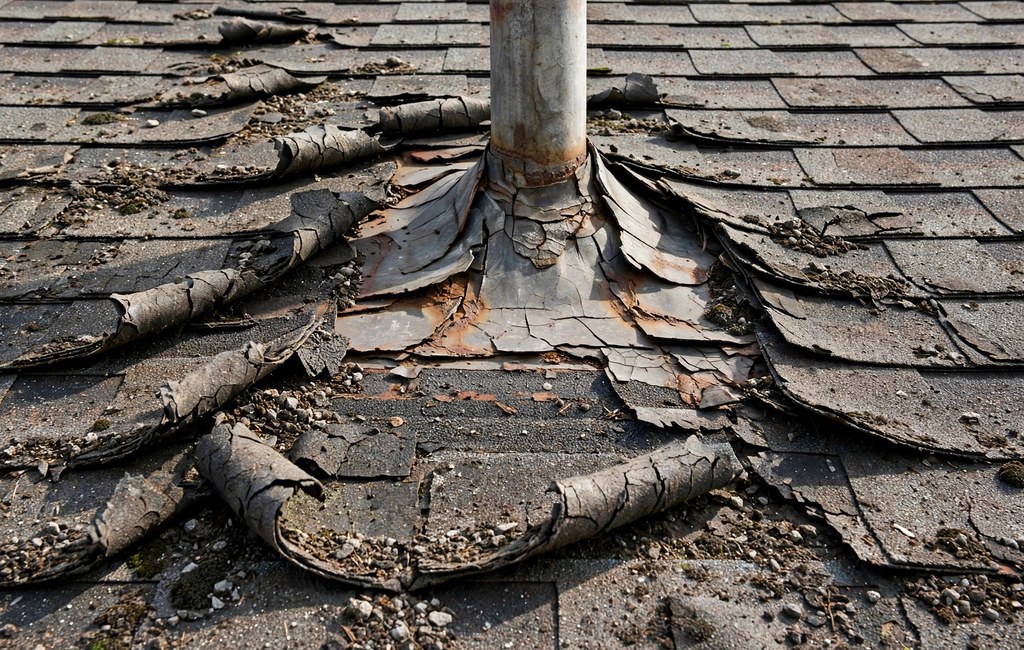
The phrase points to a practical decision: matching a specific leak problem to the right professional. A roof leak isn’t one problem. It might be a missing shingle, a cracked flashing joint, a clogged valley, or a failed seal around a vent. Each calls for different skills, and sometimes different trades.
Here are the main contacts and when each one fits:
- Licensed roofing contractor — the default choice for diagnosis and repair. They can trace a leak to its source and fix flashing, shingles, underlayment, and seals.
- Emergency roof repair service — for leaks during storms, at night, or when water is pouring in. Many roofers offer after-hours tarping to stop the immediate damage.
- Water-damage restoration company — when water has soaked insulation, drywall, or flooring. They dry the structure and prevent mold.
- General contractor — when the leak has damaged interior structure, such as ceiling joists or framing, and repairs cross multiple trades.
- Roofer versus plumber — a leak near a chimney or vent pipe is often a roofing issue, not plumbing. A plumber handles pipes inside walls; a roofer handles the roof surface and penetrations.
- Insurance agent or adjuster — not a repair contact, but the person who opens a claim and documents damage.
One useful distinction: a roofer fixes the entry point, while a restoration crew fixes what the water did inside. Most leaks need the first. Only larger leaks need both.
Timing also shapes the answer. During a storm, the first call is whoever can tarp the roof that night; the full diagnosis and permanent repair usually wait for calmer weather. Matching the professional to the moment matters as much as matching them to the damage.
Water travels along framing before it drips. A ceiling stain in a hallway may trace back to a flashing failure several feet away. This is why a trained eye matters more than a quick patch.
Takeaway: start with a licensed roofing contractor unless water is actively threatening your safety or interior—then add restoration and your insurer.
Why who to call for a roof leak matters
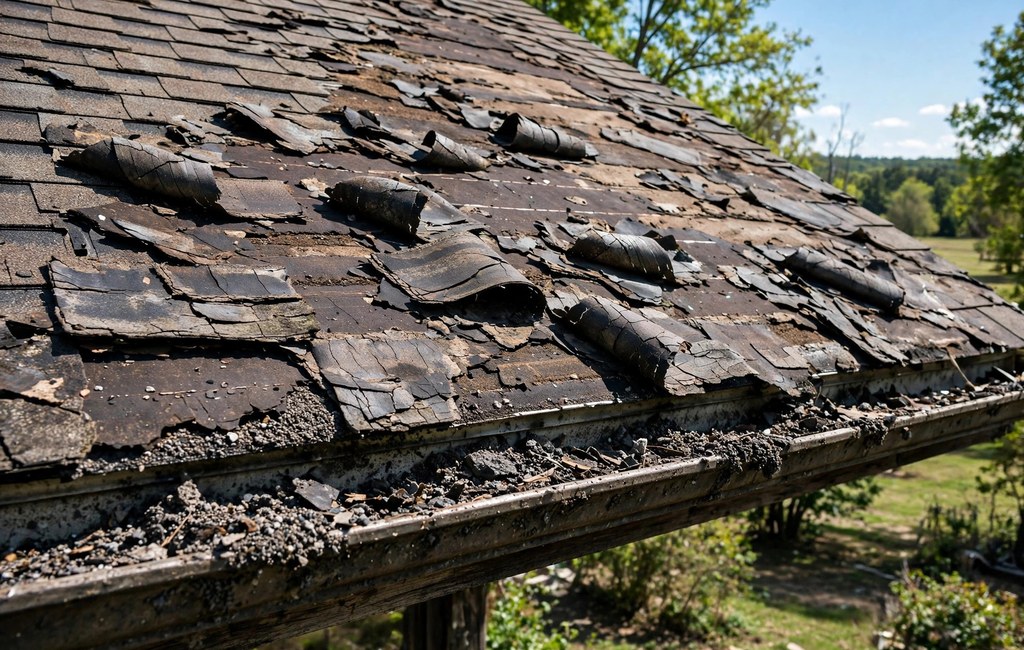
Choosing the wrong contact turns a small repair into an expensive project. A handyman who patches a shingle without finding the real source leaves the leak to return with the next storm. By then, wet decking may have rotted, and the bill climbs.
Speed is the second reason. Water damage compounds. Drywall softens, insulation loses effectiveness, and mold can begin growing within a day or two in damp conditions. Calling a roofer who offers emergency tarping stops the water from spreading while you plan the permanent fix.
The third reason is money and paperwork. Insurance claims go more smoothly when a licensed contractor documents the damage with photos and a written scope. Adjusters respond better to clear evidence than to a vague description over the phone.
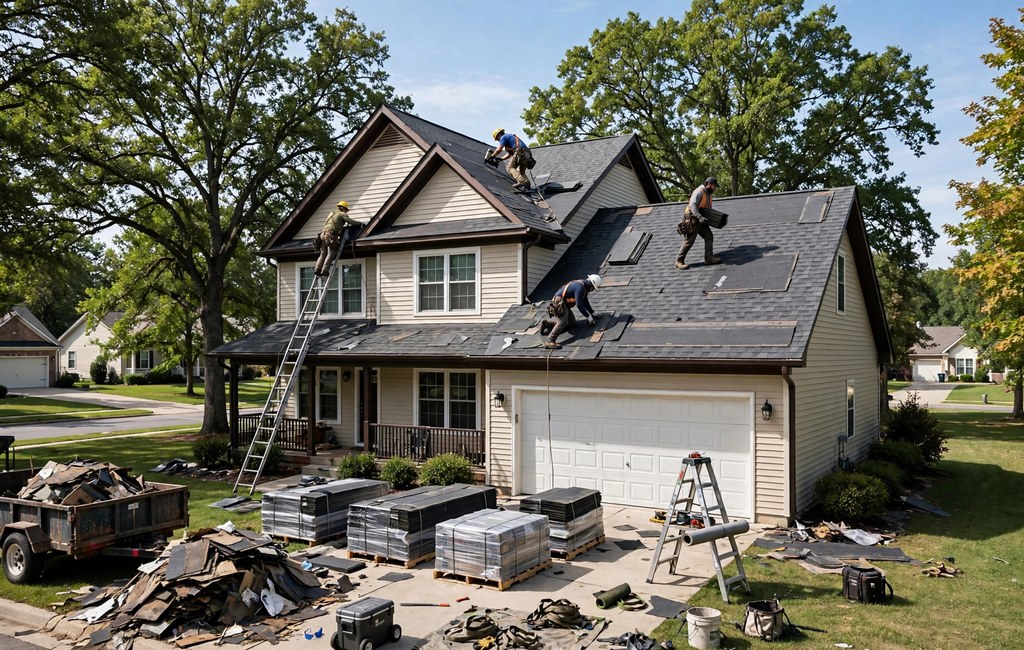
There’s also a safety dimension. Climbing onto a wet roof is genuinely dangerous. Roofing crews have harnesses, ladders, and experience working on slick surfaces. A homeowner with a bucket and a flashlight is one misstep from a serious fall.
Licensing and insurance protect you too. A licensed roofer carries liability coverage and workers’ compensation. If an uninsured worker falls on your property, you could face the consequences.
| Situation | Best first call |
|---|---|
| Active drip, no electrical risk | Licensed roofing contractor |
| Water near lights, outlets, or panel | Emergency roofer, then electrician |
| Soaked ceilings or walls | Restoration company |
| Storm damage, widespread | Roofer plus insurance agent |
Cloudy days are actually the best condition for an inspection, since shade reveals missing shingles more clearly than harsh midday sun. A contractor who can schedule a non-emergency visit within a few days is usually booking steady work and tracking jobs properly. That responsiveness is a small but reliable signal of how they will handle a callback if the repair fails.
Keep the paperwork together from the start. Store the contractor’s estimate, the invoice, and your photos in one folder, digital or paper. If you sell the home later, buyers and their inspectors often ask for proof of roof work, and a clean record prevents disputes over whether the repair was ever done.
Takeaway: the right call protects your safety, your home’s structure, and your claim—so match the professional to the actual problem.
Best practices
A few habits make the whole process faster and cheaper. Start by containing the leak before anyone arrives. Move furniture, place buckets, and if water is near a light fixture, switch off power to that circuit at the breaker and call an electrician alongside the roofer.
Next, document everything. Take photos of the stain, the dripping water, and any damaged belongings. Note the date and time the leak started. This record supports your insurance claim and helps the contractor understand the timeline.
Then verify the contractor before booking. Ask three questions:
- Are you licensed and insured in this state?
- Do you provide a written estimate and warranty?
- Will you inspect the attic, not just the roof surface?
A good roofer checks the attic to trace water paths. They also explain what they found in plain language.
Get at least two written estimates for anything beyond a minor patch. Compare scope, not just price. One bid may include decking replacement while another skips it.
A deposit is normal, but full payment before work begins is a red flag. Hold final payment until you’ve seen the repair and tested it through a rainstorm.
Ask about emergency availability before you need it. Save a roofer’s number in your phone now, so a storm-night search doesn’t leave you calling strangers.
Keep a simple leak log while the problem is active. Note when the drip starts, how heavy it runs, and whether it worsens during wind-driven rain. A leak that appears only in one wind direction often points to a specific flashing joint, and that detail shortens the diagnosis and the bill.
Finally, ask the contractor to show you photos from the roof and attic once the work is done. Pictures of the sealed flashing and the cleared attic space confirm what you paid for and give you a reference point if the same spot leaks again next season.
Takeaway: contain, document, verify, and compare—four steps that turn a stressful leak into a manageable repair.
Common mistakes to avoid
The most common mistake is calling a general handyman for a job that needs a roofer. Handymen can patch, but tracing a leak demands roofing-specific knowledge. A patch that hides the symptom usually fails within a season.
Another frequent error is ignoring the interior damage. Homeowners fix the roof and forget the wet insulation and stained drywall. That trapped moisture can lead to mold, which becomes a separate and costly problem. If the leak was more than a slow drip, bring in a restoration company.
Some people delay the call to save money. Waiting a week lets rot spread through decking and framing. A $400 repair can become a $4,000 reconstruction. The longer you wait, the more the water works.
Failing to notify your insurer promptly is another pitfall. Most policies expect timely notice. A delay can complicate or reduce your claim, even when the damage is clearly covered.
Finally, avoid the door-to-door storm chaser. After big storms, out-of-town crews appear with cash-only offers and no local license. They collect deposits, do quick work, and vanish before any warranty issue surfaces. Stick with established local contractors you can call back.
Watch for crews who pressure you to sign on the spot or offer a “today only” discount. Legitimate roofers give you time to read the contract and compare bids. A written proposal should list materials, square footage, cleanup, and warranty terms, and a firm that resists putting details in writing is telling you something useful.
Also resist the urge to cover the problem with a fresh layer of shingles over the old ones. Overlaying traps moisture, hides rot, and shortens the life of the new surface. Tear-off costs more upfront, but it lets the crew inspect the decking and correct soft spots before they spread.
A professional-sounding salesperson is not proof of a valid license. Verify credentials through your state’s contractor licensing board before signing anything.
Takeaway: the biggest losses come from quick patches, ignored interior damage, and rushed decisions with unverified crews.
FAQ
Should I call a roofer or a plumber for a ceiling leak?
Call a roofer first in most cases. Ceiling leaks usually trace to the roof surface, flashing, or a vent penetration. A plumber is the right call only when the moisture clearly comes from plumbing pipes inside the walls.
How much does an emergency roof repair cost?
Costs vary widely by region, roof type, and damage extent. Emergency calls and after-hours tarping typically cost more than standard daytime repairs. Ask for a written estimate before work begins so there are no surprises.
Can I just patch the leak myself?
A temporary patch can buy time during a storm, but it rarely fixes the source. Water often enters somewhere other than where it drips. A roofer’s inspection finds the true entry point and prevents a repeat leak.
How quickly should I call after noticing a leak?
Call the same day. Water damage worsens by the hour, and mold can start in damp materials within a day or two. Fast action limits both repair scope and cost.
Will my insurance cover a roof leak?
Coverage depends on the cause. Sudden damage from storms is often covered, while leaks from neglected maintenance may not be. Contact your insurer early and keep photos and receipts.
Conclusion
A roof leak is stressful, but the path forward is clear. Match the professional to the situation: a licensed roofer for the source, a restoration crew for interior water damage, and your insurer for the claim. Speed, documentation, and verified credentials protect both your home and your wallet.
Your next step is simple. Save a trusted local roofer’s number in your phone today, before the next storm arrives. If a leak appears, contain the water, document the damage, and make that call within hours—not days.