

Every year, thousands of homeowners attempt DIY roof repairs to save money, only to face expensive consequences later. While tackling home improvement projects yourself can be rewarding, roofing mistakes often lead to structural damage, safety hazards, and repair bills exceeding the original professional quote. Understanding these common pitfalls can help you make informed decisions about when to call experts and when to proceed with caution. This comprehensive guide reveals the most expensive DIY roof repair mistakes and provides practical solutions to protect your home and wallet.
Why Homeowners Choose DIY Roof Repair Solutions
The Appeal of Cost Savings and Personal Achievement
Many property owners gravitate toward DIY roofing projects due to perceived financial benefits. However, the initial savings often become costly mistakes when improper techniques damage surrounding structures. Additionally, homeowners feel accomplished completing challenging tasks themselves, creating emotional investment in the project outcome.
The accessibility of online tutorials and readily available materials makes roofing seem manageable. Unfortunately, videos cannot replace professional training and experience. Therefore, what appears straightforward often involves complex technical knowledge that takes years to master properly.
Most Common DIY Roofing Errors That Lead to Expensive Repairs
Using Incorrect Materials for Your Climate and Roof Type
Selecting inappropriate materials represents one of the most expensive DIY roof repair mistakes homeowners make. Different climates require specific shingle types, underlayments, and fasteners designed for local weather conditions. For instance, using standard asphalt shingles in hurricane-prone areas often results in catastrophic failure during storms.
Furthermore, mixing incompatible materials creates chemical reactions that accelerate deterioration. Metal flashing paired with certain shingle types can cause galvanic corrosion, leading to premature failure. Professional roofers understand these compatibility issues and select materials accordingly, preventing costly replacements within years instead of decades.
Improper Installation Techniques That Compromise Structural Integrity
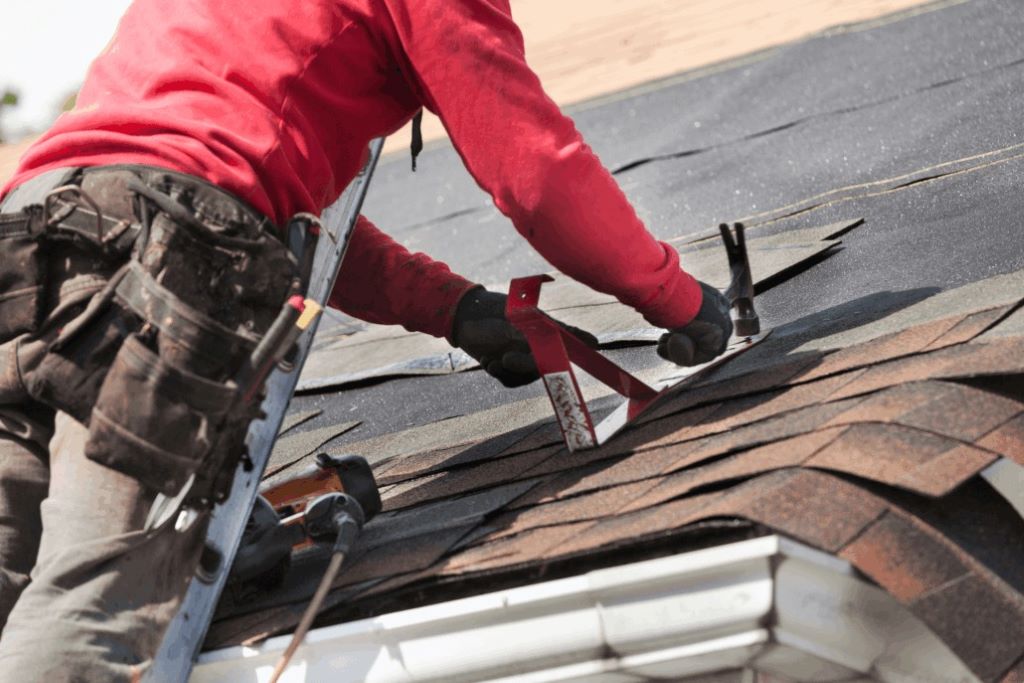
Installation errors frequently cause more damage than the original problem. Overdriven nails create holes that allow water penetration, while underdriven fasteners fail during wind events. Additionally, incorrect nail placement weakens shingle tabs and reduces their lifespan significantly.
Inadequate overlap between materials creates vulnerable points where moisture enters the roofing system. These seemingly minor mistakes compound over time, eventually requiring complete roof replacement rather than simple repairs. Professional installation ensures proper techniques that maximize material performance and longevity.
Ignoring Safety Protocols and Equipment Requirements
Safety violations during DIY projects result in both personal injury and property damage. Working without proper fall protection endangers lives and often leads to rushed, poor-quality work. Additionally, inadequate ladder placement or unstable scaffolding causes accidents that damage gutters, siding, and landscaping.
Moreover, attempting repairs during inappropriate weather conditions multiplies risks exponentially. Wet or icy surfaces create hazardous working conditions that even experienced professionals avoid. Therefore, postponing repairs until safe conditions exist prevents both injuries and additional property damage.
The Hidden Costs of Amateur Roofing Work
Water Damage and Mold Growth From Poor Waterproofing
Improper waterproofing techniques create entry points for moisture that can remain undetected for months. Water infiltration damages insulation, drywall, and structural components before becoming visible inside the home. According to the Insurance Information Institute, water damage accounts for approximately 23% of all homeowners insurance claims, with roof-related issues being a significant contributor.
Furthermore, hidden moisture creates ideal conditions for mold growth, which poses serious health risks and requires professional remediation. The Environmental Protection Agency estimates that mold remediation can cost between $1,500 to $30,000 depending on the extent of contamination. These expenses far exceed the cost of professional roof repair, making DIY mistakes particularly costly.
Structural Damage From Improper Load Distribution
Amateur repairs often ignore load-bearing requirements and proper weight distribution across roof structures. Adding multiple layers of shingles without removing old materials exceeds weight limits and stresses rafters beyond their design capacity. This excessive load can cause sagging, cracking, or complete structural failure.
Additionally, improper flashing installation around chimneys, vents, and skylights creates stress points that weaken surrounding structures. These areas require precise measurements and professional techniques to maintain structural integrity while preventing water infiltration.
When Professional Help Becomes Absolutely Necessary
Complex Roofing Systems Requiring Specialized Knowledge
Multi-level roofs, unusual angles, and intricate flashing details demand professional expertise that cannot be learned through online tutorials. These complex systems require years of experience to install correctly, and mistakes often necessitate complete reconstruction rather than simple repairs.
Additionally, homes with solar panels, satellite equipment, or other roof-mounted systems require specialized knowledge to avoid damaging expensive components. Professional roofers carry insurance and have training to work around these installations safely and effectively.
Building Code Compliance and Permit Requirements
Many DIY projects violate local building codes, creating legal and financial complications during home sales or insurance claims. Professional contractors understand current codes and obtain necessary permits, ensuring compliance with all regulations. Additionally, they provide warranties and documentation that protect homeowners’ investments.
Furthermore, insurance companies may deny claims for damages resulting from unpermitted work or code violations. This denial can leave homeowners responsible for thousands of dollars in repairs that would otherwise be covered under their policies.
Smart Strategies to Avoid Costly Roofing Mistakes
Conducting Thorough Research Before Starting Any Project
Before attempting any roofing work, homeowners should research local building codes, material requirements, and weather considerations specific to their area. Understanding these factors helps determine whether a project falls within DIY capabilities or requires professional expertise.
Additionally, obtaining multiple professional quotes provides valuable insight into project complexity and potential costs. These consultations often reveal underlying issues that inexperienced eyes might miss, preventing expensive surprises during repairs.
Investing in Quality Materials and Proper Tools
Using high-quality materials designed for your specific climate and roof type prevents premature failure and reduces long-term maintenance costs. While premium materials cost more initially, they provide better performance and longer warranties than budget alternatives.
Moreover, investing in proper tools ensures safe, efficient work and professional-quality results. Specialized roofing tools like pneumatic nailers, safety harnesses, and measurement devices significantly improve installation quality and worker safety.
Personal Experience: Learning From Expensive Mistakes
Last spring, my neighbor attempted to repair a small section of damaged shingles after a storm. What seemed like a straightforward replacement became a nightmare when water began leaking into their living room three weeks later. The improper installation had created gaps that allowed moisture penetration, damaging ceiling tiles and requiring professional mold remediation.
The total cost exceeded $8,000, including the original repair, water damage restoration, and mold treatment. A professional roofer could have completed the initial repair correctly for under $500. This experience taught our entire neighborhood the importance of understanding our limitations and investing in professional expertise when necessary.
Cost-Effective Alternatives to Full DIY Projects
Maintenance Tasks Homeowners Can Safely Handle
Regular maintenance helps prevent major repairs and extends roof lifespan without requiring professional expertise. Cleaning gutters, removing debris, and conducting visual inspections can identify problems early when repairs are still manageable and affordable.
Additionally, homeowners can safely perform minor tasks like replacing missing shingles in easily accessible areas or applying roof sealant to small cracks. However, these activities should only be attempted in ideal weather conditions with proper safety equipment.
Knowing When to Call Professionals for Major Repairs
Structural damage, extensive leak repairs, and complete roof replacement always require professional expertise. These projects involve complex calculations, specialized materials, and advanced techniques that cannot be learned through DIY resources alone.
Furthermore, professional contractors provide warranties, insurance coverage, and code compliance that protect homeowners from future liabilities. The peace of mind and quality assurance justify the additional cost for major roofing projects.
Long-Term Financial Impact of Roofing Decisions
Calculating True Costs Over Time
While DIY repairs appear less expensive initially, improper installation often leads to premature replacement and ongoing maintenance issues. Professional repairs may cost more upfront but provide better value through improved durability and warranty protection.
Additionally, quality professional work increases home value and improves energy efficiency through proper insulation and ventilation. These benefits offset higher initial costs through reduced utility bills and increased property value over time.
Insurance Considerations and Coverage Implications
Insurance companies scrutinize roof-related claims carefully, and evidence of improper DIY work can void coverage or reduce claim payments. Professional installations with proper permits and warranties strengthen insurance claims and ensure full coverage when problems occur.
Therefore, documenting all professional work and maintaining detailed records protects homeowners during claim processes and home sales. This documentation proves compliance with building codes and professional standards that insurance companies require.
Conclusion
DIY roof repair mistakes can transform minor issues into major financial disasters that cost thousands of dollars to resolve properly. While the desire to save money and tackle challenging projects is understandable, roofing requires specialized knowledge and experience that cannot be replaced by good intentions alone. Understanding the difference between manageable maintenance tasks and complex repairs requiring professional expertise helps homeowners make informed decisions that protect both their safety and their investment. Remember that professional roofing contractors provide warranties, insurance coverage, and peace of mind that often justify their higher costs. When facing roofing issues, carefully evaluate the complexity, safety requirements, and potential consequences before deciding whether to proceed with DIY repairs or call experienced professionals.
Frequently Asked Questions
What are the most expensive DIY roof repair mistakes homeowners make?
The costliest mistakes include using incorrect materials for local climate conditions, improper installation techniques that compromise waterproofing, and ignoring structural load requirements. These errors often lead to water damage, mold growth, and complete roof replacement rather than simple repairs.
How can I determine if a roofing project is suitable for DIY repair?
Consider the project’s complexity, height requirements, weather conditions, and your experience level. Simple maintenance like gutter cleaning or replacing easily accessible shingles may be manageable, while structural repairs, complex flashing work, or multi-story installations require professional expertise.
What safety equipment is essential for any DIY roofing work?
Essential safety equipment includes proper fall protection harnesses, non-slip footwear, stable ladders or scaffolding, and weather-appropriate conditions. Never attempt roofing work alone, in wet conditions, or without adequate safety measures regardless of project size.
When does DIY roofing work void home insurance coverage?
Insurance companies may deny claims for damages resulting from unpermitted work, code violations, or improper installation techniques. Always check with your insurance provider and local building departments before starting any roofing project to ensure coverage remains valid.
How much money can improper DIY roofing actually cost in repairs?
Costs vary significantly based on damage extent, but water damage restoration can range from $2,000 to $10,000, while mold remediation may cost $1,500 to $30,000. Complete roof replacement due to DIY mistakes can exceed $15,000, far more than professional repair costs.
Read More:







