
Texas homeowners face unique roofing challenges due to the state’s extreme weather conditions. From scorching summer heat to devastating hailstorms, your roof endures constant stress throughout the year. Understanding these common roofing issues in Texas can save you thousands in repair costs and protect your family’s safety.
This comprehensive guide explores the most frequent roofing problems affecting Texas properties and provides actionable prevention strategies. Whether you’re dealing with wind damage from Gulf Coast storms or thermal expansion in Dallas, we’ll help you identify warning signs early. Additionally, you’ll discover professional maintenance tips that extend your roof’s lifespan significantly.
Extreme Weather Damage From Texas Storm Systems
Texas experiences some of the nation’s most severe weather patterns, making storm damage the leading cause of roofing problems statewide. The state’s geography creates perfect conditions for tornadoes, hailstorms, and intense thunderstorms that can devastate residential roofing systems within minutes.
Hurricane season particularly threatens coastal areas from Galveston to Corpus Christi. These powerful storms bring sustained winds exceeding 100 mph, combined with torrential rainfall that can overwhelm even well-maintained gutters. However, inland areas aren’t immune to weather-related damage, as sudden temperature changes and severe thunderstorms occur regularly throughout the year.
Prevention starts with choosing appropriate roofing materials for your specific region. Impact-resistant shingles rated for Class 4 hail provide excellent protection against Texas storms. Additionally, regular professional inspections after major weather events help identify minor damage before it becomes costly structural problems.
Heat-Related Deterioration and Thermal Expansion Problems
The relentless Texas sun creates intense thermal stress on roofing materials, causing premature aging and structural damage. Summer temperatures frequently exceed 100°F for weeks, creating extreme thermal expansion and contraction cycles that weaken shingles, flashing, and underlying structures.
Asphalt shingles suffer the most from heat exposure, becoming brittle and losing their protective granules over time. This deterioration accelerates in urban areas due to the heat island effect, where concrete and asphalt surfaces amplify ambient temperatures. Therefore, proper ventilation becomes crucial for maintaining reasonable attic temperatures and reducing thermal stress.
Installing reflective roofing materials significantly reduces heat absorption and extends your roof’s lifespan. Cool roof technologies can lower surface temperatures by 50-60°F compared to traditional dark materials. Furthermore, adequate attic insulation and ventilation systems prevent heat buildup that damages both roofing materials and increases energy costs substantially.
Hail Damage and Impact-Related Roofing Issues
Texas leads the nation in hail damage claims, with the state experiencing over 60% of all US hail events annually. According to the National Weather Service, Texas averages 132 hail events per year, causing billions in property damage across residential and commercial properties.
Hail damage often appears subtle initially but leads to significant problems over time. Small impacts create micro-fractures in shingles that allow water penetration, eventually causing leaks and structural damage. Moreover, gutters and flashing systems frequently sustain dents that compromise their water-directing capabilities during heavy rainfall.
Immediate post-storm inspections are essential for documenting hail damage before secondary problems develop. Professional roofers can identify impact damage that untrained eyes might miss, including cracked sealants and displaced granules. However, always work with licensed contractors who understand insurance claim processes and local building codes thoroughly.
Wind Uplift and Structural Integrity Concerns
High winds pose constant threats to Texas roofing systems, particularly in open areas without natural windbreaks. The state’s flat terrain allows winds to build tremendous force before encountering structures, creating significant uplift pressure on roof surfaces and edges.
Wind damage typically begins at roof edges and corners where uplift forces are strongest. Loose or improperly installed shingles become projectiles during storms, potentially damaging neighboring properties and exposing your roof deck to water infiltration. Additionally, repeated wind stress weakens fasteners and adhesive bonds over time.
Proper installation techniques significantly improve wind resistance in roofing systems. Using adequate fasteners, appropriate spacing, and high-quality underlayment creates robust protection against wind uplift. Furthermore, regular maintenance inspections help identify loose materials before they become dangerous during the next storm event.

Water Infiltration and Moisture-Related Damage Prevention
Water damage represents one of the most destructive forces affecting Texas roofing systems, often resulting from seemingly minor issues that escalate rapidly. The state’s intense rainfall patterns can overwhelm compromised roofing systems, leading to extensive interior damage and costly structural repairs.
Flashing around chimneys, vents, and skylights creates vulnerable points where water commonly enters homes. These metal barriers must maintain perfect seals against both water and thermal expansion forces throughout extreme temperature variations. Therefore, regular flashing inspections and maintenance prevent most water infiltration problems effectively.
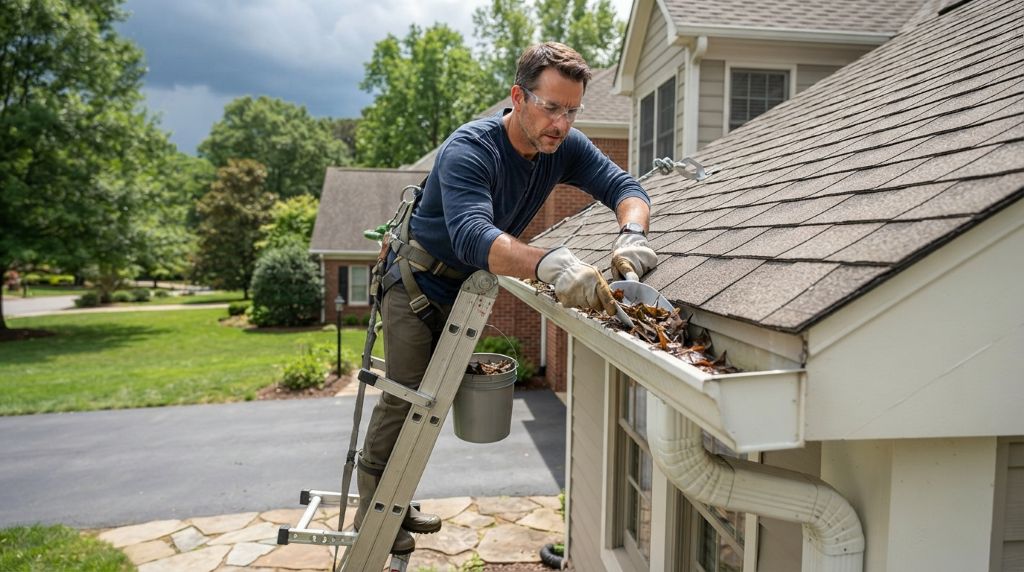
Gutters play crucial roles in directing water away from your foundation and preventing roof edge damage. Clogged or damaged gutters cause water to back up under shingles, creating perfect conditions for rot and structural damage. However, properly maintained drainage systems protect both your roof and your home’s foundation from expensive water damage.
Professional Maintenance Strategies for Texas Roofs
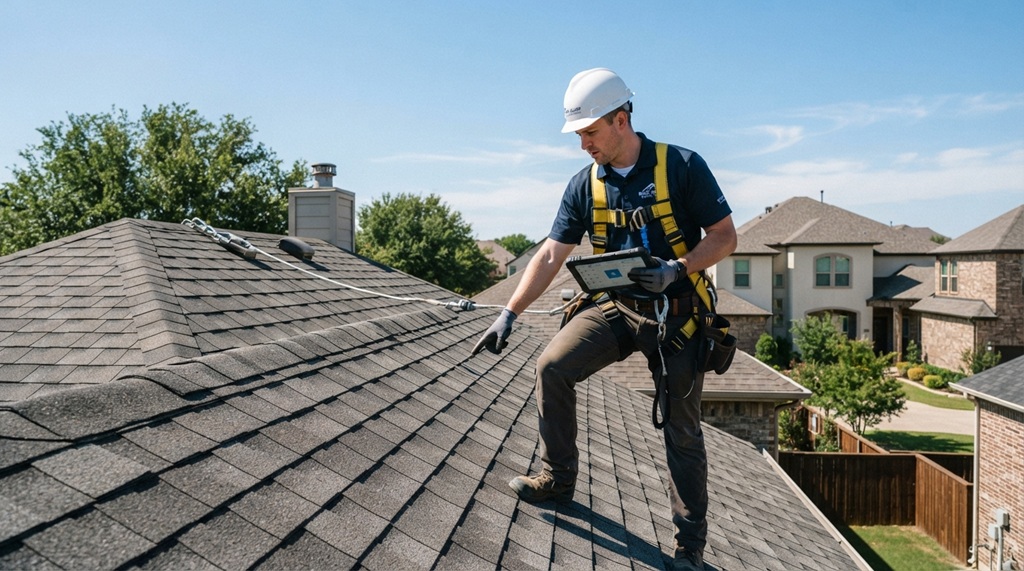
Regular professional maintenance extends roofing system lifespans significantly while preventing costly emergency repairs. Texas roofs require more frequent attention due to extreme weather exposure, making annual inspections essential for maintaining warranty coverage and structural integrity.
Professional roofers identify problems that homeowners typically miss, including subtle signs of wear, improper ventilation, and developing structural issues. These experts understand local weather patterns and building codes, ensuring repairs meet all safety requirements. Additionally, documented professional maintenance helps support insurance claims when storm damage occurs.
Essential Maintenance Tasks Include:
- Bi-annual professional inspections (spring and fall)
- Immediate post-storm damage assessments
- Gutter cleaning and alignment checks
- Attic ventilation system evaluations
- Flashing and sealant condition reviews
- Shingle granule loss monitoring
Cost-Effective Prevention Tips for Texas Homeowners
Smart prevention strategies save Texas homeowners thousands in roofing repair costs while protecting their families and possessions. Understanding your roof’s vulnerabilities helps prioritize maintenance efforts and budget for necessary improvements effectively.
Tree trimming near your home reduces wind-borne debris risks during storms while preventing branches from abrading shingles during high winds. Moreover, maintaining proper distances between vegetation and roofing materials reduces moisture retention and pest intrusion problems significantly.
Money-Saving Prevention Strategies:
- Install impact-resistant shingles during replacement projects
- Upgrade attic ventilation to reduce thermal stress
- Apply reflective coatings to extend material lifespans
- Maintain proper gutter drainage systems year-round
- Schedule professional inspections before problems escalate
Conclusion
Texas homeowners face unique roofing challenges that require proactive maintenance and smart material choices. Understanding these common roofing issues in Texas empowers you to protect your investment through proper care and timely interventions. From extreme weather damage to heat-related deterioration, each challenge has proven prevention strategies.
Remember that professional maintenance provides the best protection against expensive roofing problems. Regular inspections, quality materials, and prompt repairs create robust defense systems against Texas weather extremes. Therefore, investing in prevention today saves significant costs tomorrow while ensuring your family’s safety and comfort.
Don’t wait for problems to escalate into expensive emergencies. Contact qualified roofing professionals to assess your home’s current condition and develop comprehensive maintenance plans. Additionally, share this article with neighbors who might benefit from these prevention strategies.
Frequently Asked Questions
How often should Texas homeowners inspect their roofs?
Texas roofs require professional inspections twice yearly due to extreme weather exposure. Schedule inspections in spring and fall, plus additional assessments after major storms or hail events.
What roofing materials work best in Texas climate?
Impact-resistant shingles, metal roofing, and tile systems perform excellently in Texas. Choose materials rated for high winds and hail impact while considering your specific regional weather patterns.
How much does professional roof maintenance cost in Texas?
Professional roof inspections typically cost $200-500, while basic maintenance ranges from $300-800 annually. However, these investments prevent thousands in major repair costs over time.
When should I replace my Texas roof completely?
Consider replacement when your roof exceeds 20-25 years, shows widespread damage, or requires frequent repairs. Additionally, energy efficiency improvements often justify earlier replacement in Texas heat.
Can I prevent hail damage to my roof?
While you cannot prevent hail, impact-resistant materials significantly reduce damage severity. Proper installation, regular maintenance, and immediate post-storm inspections minimize long-term problems from hail impacts.
Read More: