
Your roof, that stalwart protector against the elements, silently endures sun, rain, wind, and even hail. But like all things, it has a lifespan. Eventually, you’ll face a critical decision: should you opt for a roof repair vs. replacement? This isn’t just about aesthetics; it’s about safeguarding your home, your investment, and your family’s comfort. Understanding the nuances between these two options is crucial to making an informed choice that aligns with your needs and budget.
The Anatomy of a Roof and the Signs of Trouble:
Before diving into the differences, let’s briefly understand the anatomy of a typical residential roof. It comprises several layers, including the structural decking, underlayment (providing a water-resistant barrier), flashing (preventing leaks around penetrations), and the visible roofing material (shingles, tiles, metal, etc.). Each layer plays a vital role in the roof’s overall performance.
Signs that your roof might need attention can range from subtle to obvious. Look for:
- Missing, cracked, or curled shingles: These are often the first visible signs of wear and tear.
- Water stains on ceilings or walls: Indicates potential leaks.
- Granules in gutters: Shingle granules protect against UV damage, and their presence in gutters suggests shingle degradation.
- Sagging roof deck: A serious structural issue requiring immediate attention.
- Visible mold or moss growth: This can indicate trapped moisture and poor ventilation.
- Increased energy bills: A poorly insulated or damaged roof can lead to energy inefficiency.
- Age of the roof: Most roofs have a typical lifespan, and exceeding it increases the risk of problems.
Roof Repair: Patching Up the Problems:
Roof repair involves addressing specific issues without replacing the entire roofing system. It’s a targeted approach aimed at fixing localized damage and extending the roof’s lifespan.
Scope of Work:
- Shingle replacement: Replacing damaged or missing shingles to restore weather protection.
- Flashing repair or replacement: Fixing leaks around chimneys, vents, and skylights.
- Minor leak patching: Sealing small holes or cracks in the roofing material.
- Gutter repair: Cleaning or repairing damaged gutters to ensure proper drainage.
- Ventilation repairs: Addressing issues with roof vents to improve airflow and prevent moisture buildup.
When is Roof Repair Suitable?:
- Minor damage: When the damage is limited to a small area of the roof.
- Relatively young roof: If the roof is within its expected lifespan and in generally good condition.
- Budget constraints: Roof repair is generally less expensive than a full replacement.
- Localized issues: When the problem is isolated and doesn’t affect the entire roof structure.
- Immediate leak control: Repairing a leak quickly to prevent further water damage.
Benefits of Roof Repair:
- Cost-effective: Significantly cheaper than a full replacement.
- Faster turnaround: Repairs can typically be completed in a shorter timeframe.
- Minimal disruption: Less invasive than a full roof replacement.
- Extends lifespan: This can add years to the life of your roof.
Limitations of Roof Repair:
- Temporary solution: This may not address underlying issues or prevent future problems.
- Limited lifespan extension: Repairs may only postpone the need for a full replacement.
- Aesthetic inconsistency: Patched areas may not perfectly match the existing roof.
- Not suitable for extensive damage: If the roof is severely damaged, repairs may be ineffective.
Roof Replacement: A Fresh Start:
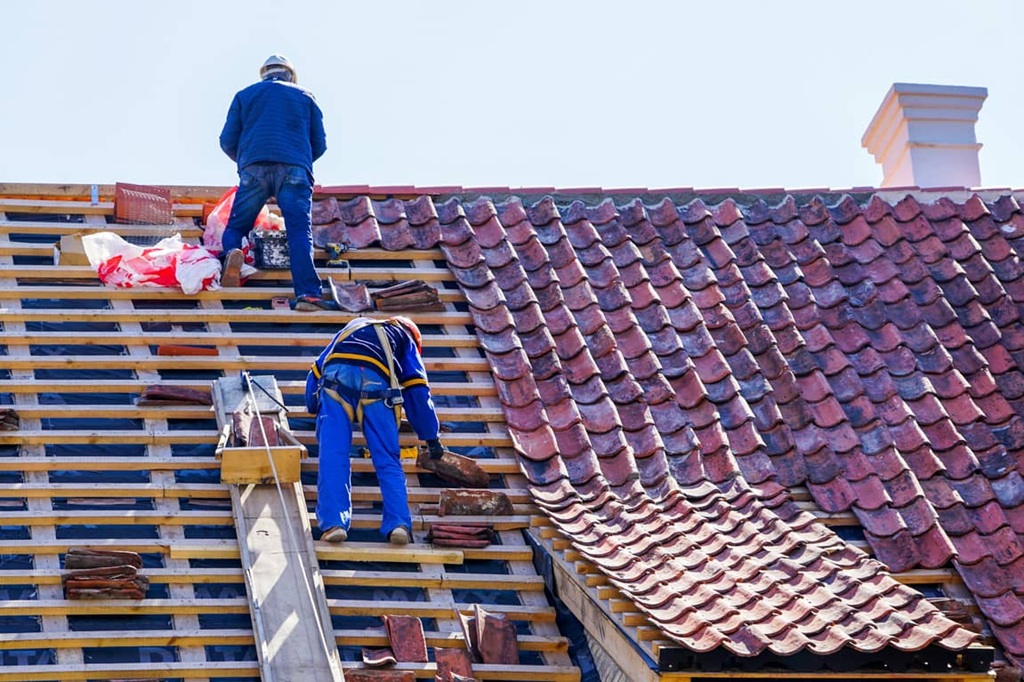
Roof replacement involves removing the existing roofing system and installing a new one. It’s a comprehensive solution that addresses all existing problems and provides a clean slate.
Scope of Work:
- Complete tear-off: Removing all existing roofing materials down to the decking.
- Decking inspection and repair: Addressing any damage to the roof decking.
- Underlayment installation: Installing a new water-resistant barrier.
- Flashing installation: Installing new flashing around all penetrations.
- Roofing material installation: Installing new shingles, tiles, metal, or other roofing materials.
- Ventilation upgrades: Ensuring proper attic ventilation.
When is Roof Replacement Necessary?:
- Extensive damage: When the roof is severely damaged or nearing the end of its lifespan.
- Multiple leaks: When there are numerous leaks or widespread water damage.
- Sagging roof deck: A sign of structural damage that requires immediate attention.
- Age of the roof: When the roof has exceeded its expected lifespan.
- Desired aesthetic upgrade: When you want to change the look of your home.
- Increased home value: A new roof can significantly increase your home’s resale value.
Benefits of Roof Replacement:
- Long-term solution: Provides a new, durable roofing system.
- Improved aesthetics: Enhances the curb appeal of your home.
- Increased home value: A new roof is a valuable investment.
- Enhanced energy efficiency: Modern roofing materials can improve insulation and ventilation.
- Peace of mind: Eliminates the worry of future leaks and repairs.
- Warranty: New roofs come with warranties that protect your investment.
Related: Why You Should Hire a Certified Roof Inspector Before Roof Replacement
Limitations of Roof Replacement:
- Higher cost: Significantly more expensive than roof repair.
- Longer timeframe: Requires more time and labor to complete.
- Disruption: Can be disruptive to your daily life.
Key Differences Summarized:
| Feature | Roof Repair | Roof Replacement |
| Scope | Targeted fixes | Complete overhaul |
| Cost | Lower | Higher |
| Timeframe | Shorter | Longer |
| Lifespan | Extends current roof | Provides a new lifespan |
| Damage Level | Minor, localized | Extensive, widespread |
| Aesthetics | May be inconsistent | Uniform, new look |
| Home Value | Minimal impact | Significant increase |
Export to Sheets
Making the Decision: Factors to Consider:
- Budget: Assess your financial resources and determine what you can afford.
- Roof age: Consider the age of your roof and its expected lifespan.
- Damage extent: Evaluate the severity of the damage and whether it’s localized or widespread.
- Long-term plans: If you plan to sell your home, a new roof can be a valuable investment.
- Professional inspection: Consult with a qualified roofing contractor for an accurate assessment.
Related: Roofer Contractor vs. Certified Roof Inspector: What’s the Difference?
People Also Ask (FAQs):
Q: How do I know if I need a roof repair or replacement?
A: The best way to determine this is to have a professional roofing contractor inspect your roof. They can assess the damage, evaluate the roof’s age, and provide recommendations based on your specific situation.
Q: What is the average lifespan of a shingle roof?
A: The average lifespan of an asphalt shingle roof is 20-30 years, but this can vary depending on the quality of the shingles, weather conditions, and proper installation.
Q: How much does a roof repair cost?
A: The cost of a roof repair depends on the extent of the damage and the type of roofing material. Minor repairs can cost a few hundred dollars, while more extensive repairs can cost several thousand.
Q: How much does a roof replacement cost?
A: The cost of a roof replacement varies depending on the size of your roof, the type of roofing material, and labor costs. On average, a roof replacement can cost between $5,000 and $20,000 or more.
Q: Can I repair my roof myself?
A: While some minor roof repairs can be done DIY, it’s generally recommended to hire a professional roofing contractor. Roof work can be dangerous, and improper repairs can lead to further damage.
Q: How do I find a reputable roofing contractor?
A: Look for a licensed and insured roofing contractor with positive reviews and a strong reputation. Ask for references and get multiple quotes before making a decision.
Conclusion:
The decision between roof repair and replacement is a significant one that requires careful consideration. By understanding the differences between these two options, you can make an informed choice that protects your home and your investment. Remember to consult with a qualified roofing contractor for a professional assessment and guidance. Ultimately, whether you choose to patch up the problems or start fresh with a new roof, prioritize the integrity and longevity of your home’s protective shield.
Read More:
How to Remove an Ice Dam Without Damaging Your Roof
How to Fix Standing Water on a Roof
The Importance of Emergency Water Mitigation After Roof Damage







