
When it comes to your roof, understanding the difference between a roofer contractor and a certified roof inspector is crucial. Both professionals play vital roles in maintaining the health and integrity of your roof, but they have distinct responsibilities and expertise.
Roofer Contractor
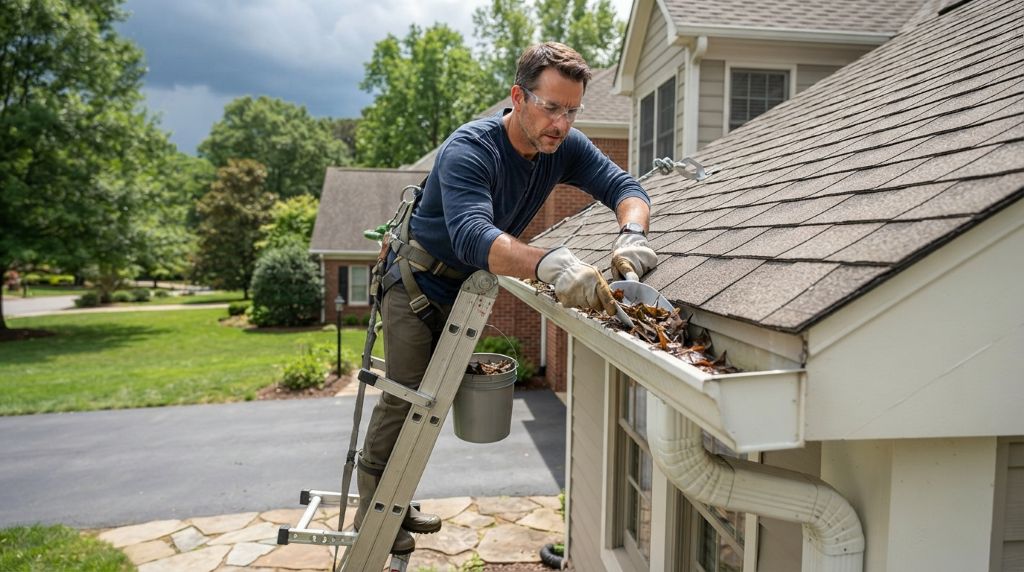
A roofer contractor is a skilled trades person who specializes in installing, repairing, and replacing roofs.
They are responsible for the physical labor involved in roofing projects, including:
- Installation: Laying new roofing materials, such as shingles, tiles, or metal panels.
- Repair: Fixing damaged areas of the roof, such as leaks, holes, or worn-out shingles.
- Replacement: Removing old roofing materials and installing new ones.
Roofer contractors typically have experience working with various roofing materials and techniques. They are often hired by homeowners and businesses to complete specific roofing projects.
Certified Roof Inspector
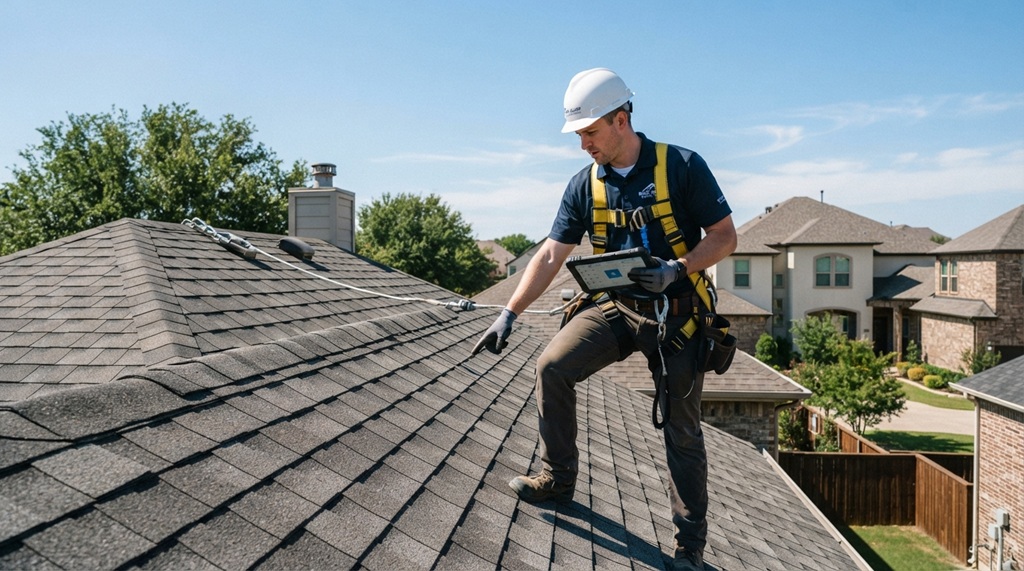
A certified roof inspector is a professional who has undergone specialized training and certification to assess the condition of roofs. They are not involved in the physical labor of roofing but rather focus on evaluating the roof’s structural integrity and identifying potential problems.
A roof inspector’s primary duties include:
- Inspection: Thoroughly examining the roof for signs of damage, wear, and tear, including leaks, missing shingles, damaged flashing, and structural issues.
- Assessment: Evaluating the overall condition of the roof and determining its lifespan.
- Report Writing: Creating detailed reports outlining the findings of the inspection, including any necessary repairs or replacements.
Certified roof inspectors are frequently hired by homeowners, real estate agents, and insurance companies to assess the condition of a roof before a sale, purchase, or insurance claim.
Key Differences
The primary differences between a roofer contractor and a certified roof inspector can be summarized as follows:
- Focus: Roofer contractors focus on the physical labor of roofing, while roof inspectors focus on evaluating the roof’s condition.
- Expertise: Roofer contractors have expertise in roofing materials and techniques, while roof inspectors have expertise in identifying and diagnosing roof issues.
- Role: Roofer contractors are hired to perform specific roofing tasks, while roof inspectors are hired to assess the overall condition of a roof.
When to Hire Each Professional
In general, you should hire a roofer contractor when you need specific roofing work done, such as installing a new roof, repairing a leak, or replacing damaged shingles. You should hire a certified roof inspector when you require an objective evaluation of your roof’s condition, such as before buying or selling a home, or when you suspect a problem with your roof.
Choosing the Right Professional
When choosing a roofer contractor or a certified roof inspector, it’s important to consider the following factors:
- Experience: Look for professionals with experience in your specific type of roof and location.
- Certification: Ensure that the roof inspector is certified by a reputable organization.
- Reputation: Check online reviews and ask for references from previous clients.
- Insurance: Make sure the professional is properly insured to protect you in case of accidents or damage.
- Cost: Get quotes from multiple professionals to compare prices and services.
By understanding the difference between a roofer contractor and a certified roof inspector, you can make informed decisions about your roofing needs and ensure the long-term health and integrity of your roof.
Read More:
Choosing the Right Roofer Contractor: A Complete Homeowner’s Guide
Skylights: A Source of Natural Light and Potential Leaks
Top 5 Benefits of Hiring a Certified Roof Inspector for Your Home