
The roof over your head is more than just a structural necessity; it’s the first line of defense against the relentless forces of nature. From torrential downpours and howling winds to hail storms and blizzards, our roofs endure a constant barrage. In an era of increasingly unpredictable weather patterns, understanding how to safeguard this vital component of our homes is paramount. This comprehensive guide delves into the best ways to protecting your roof during storms, ensuring your home remains a safe haven amidst the tempest.
-
The Preemptive Strike: Regular Inspections and Maintenance
Proactive maintenance is the cornerstone of robust roof protection. Before the storm clouds gather, a thorough roof inspection is crucial. Look for signs of wear and tear, such as cracked, missing, or curled shingles, damaged flashing around chimneys and vents, and any accumulation of debris. A professional roofer can provide a detailed assessment, identifying potential weak points that could compromise your roof’s integrity during a storm. Addressing these issues promptly, whether it’s replacing damaged shingles, resealing flashing, or clearing gutters, strengthens your roof’s resilience.
-
Gutter Guardians: Ensuring Unimpeded Water Flow
Gutters are the unsung heroes of roof protection. Their primary function is to channel rainwater away from your roof and foundation, preventing water damage. However, clogged gutters filled with leaves, twigs, and debris can impede this flow, leading to water pooling on the roof, potential leaks, and even structural damage. Regularly cleaning gutters, ideally twice a year (spring and fall), is essential. Consider installing gutter guards to minimize debris accumulation and simplify maintenance. These guards act as a filter, allowing water to flow freely while blocking leaves and other obstructions.
-
Tree Taming: Mitigating the Threat from Above
Overhanging tree branches pose a significant risk to your roof during storms. High winds can cause branches to break and fall, potentially damaging shingles, puncturing the roof membrane, or even causing structural collapse. Regular tree trimming and pruning are essential to maintain a safe distance between branches and your roof. Remove any dead or diseased branches that are particularly vulnerable to breaking. Additionally, consider the proximity of trees to power lines and ensure they are trimmed by qualified professionals to prevent electrical hazards.
-
Flashing Fortification: Sealing Vulnerable Junctions
Flashing, the thin strips of metal installed around roof penetrations like chimneys, vents, and skylights, plays a critical role in preventing water intrusion. Over time, flashing can become damaged, corroded, or loose, creating pathways for water to seep into your home. Inspect flashing for signs of damage and ensure it is properly sealed and secured. Damaged flashing should be replaced promptly to maintain a watertight seal. Consider using high-quality, weather-resistant flashing materials that can withstand harsh conditions.
-
Attic Armor: Reinforcing Your Roof from Within
The attic plays a crucial role in protecting your roof from the elements. Proper ventilation and insulation are essential for maintaining a stable attic temperature and preventing moisture buildup. Adequate ventilation allows hot, humid air to escape, preventing condensation that can damage roof sheathing and insulation. Insulation acts as a barrier, regulating temperature and preventing heat transfer that can contribute to ice dams and other weather-related issues. Ensure your attic is adequately ventilated and insulated to enhance your roof’s resilience.
-
Shingle Strength: Choosing Durable Roofing Materials
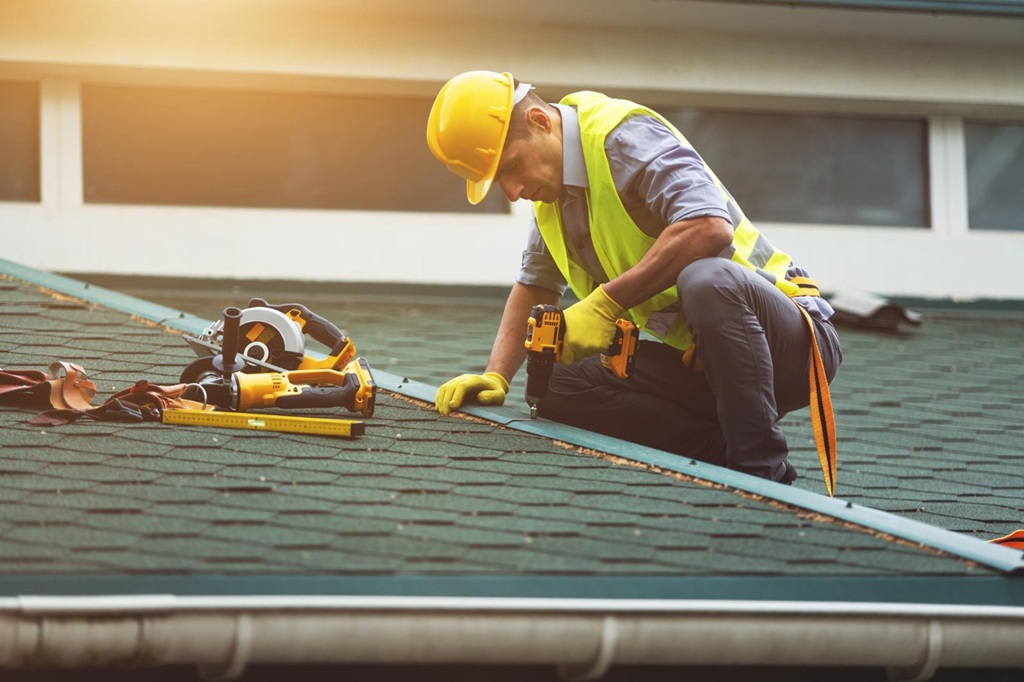
The type of roofing material you choose significantly impacts your roof’s ability to withstand storms. Asphalt shingles, the most common roofing material, offer a balance of affordability and durability. However, consider upgrading to higher-grade shingles with enhanced wind resistance and impact resistance, especially if you live in an area prone to severe weather. Other durable options include metal roofing, tile roofing, and slate roofing, each offering unique advantages in terms of longevity and weather resistance. When selecting roofing materials, consider the specific climate and weather conditions in your area.
-
Reinforcing the Roof Deck: Strengthening Structural Integrity
The roof deck, the plywood or oriented strand board (OSB) sheathing that forms the base of your roof, provides structural support and stability. Ensuring the roof deck is securely fastened and in good condition is essential for preventing roof damage during high winds. Inspect the roof deck for signs of rot, water damage, or loose fasteners. If necessary, reinforce the roof deck by adding additional fasteners or replacing damaged sections. Consider using hurricane clips or straps to further strengthen the connection between the roof deck and the roof framing.
Related: How to Fix Standing Water on a Roof: A Comprehensive Guide
-
Hail Hazard Mitigation: Protecting Against Impact Damage
Hail storms can cause significant damage to roofs, especially asphalt shingles. Consider installing impact-resistant shingles or a hail-resistant roof covering to minimize damage. These materials are designed to withstand the impact of hailstones, preventing cracks, dents, and other forms of damage. Additionally, consider installing hail guards or screens over skylights and vents to protect them from hail damage.
-
Wind-Resistant Roofing Techniques: Securing Against Uplift
High winds can exert significant uplift forces on roofs, potentially causing shingles to lift or blow off. Employ wind-resistant roofing techniques, such as using high-wind nails or screws, installing starter strips, and properly sealing the edges of the roof, to minimize wind damage. Consider using roofing adhesives or sealants to further secure shingles and prevent wind uplift.
-
Emergency Preparedness: Planning for the Unforeseen
Despite your best efforts, storms can sometimes cause unexpected damage. Having an emergency preparedness plan in place can help you respond quickly and effectively. Keep a list of emergency contacts, including your roofer, insurance agent, and local emergency services. Store essential supplies, such as tarps, plywood, and tools, in a readily accessible location. Familiarize yourself with your insurance policy and understand the coverage it provides for roof damage.
Related: Roof Leak Got You Covered? Temporary Fixes Until the Pros Arrive
People Also Ask (FAQs)
Q: How often should I inspect my roof?
A: It’s recommended to inspect your roof at least twice a year, ideally in the spring and fall. However, after any severe weather event, such as a hailstorm or high winds, it’s essential to conduct an additional inspection.
Q: What are the signs of roof damage?
A: Signs of roof damage include cracked, missing, or curled shingles, damaged flashing, water stains on ceilings, leaks, and an accumulation of debris in gutters.
Q: Can I repair my roof myself?
A: While some minor repairs, such as replacing a few shingles, can be done yourself, it’s generally recommended to hire a professional roofer for any significant repairs. Roof repairs can be dangerous and require specialized knowledge and equipment.
Q: How can I prevent ice dams?
A: Ice dams form when the snow melts and refreezes at the edge of your roof, creating a barrier that prevents water from draining. Proper attic insulation and ventilation are essential for preventing ice dams.
Related: Stop the Drip: Your Guide to the Fastest Roof Leak Fixes
Q: What type of roofing material is best for high winds?
A: Metal roofing, tile roofing, and slate roofing are generally considered more wind-resistant than asphalt shingles. However, higher-grade asphalt shingles with enhanced wind resistance can also provide adequate protection.
Q: How do I choose a reputable roofer?
A: When choosing a roofer, look for a licensed and insured contractor with a proven track record. Ask for references, check online reviews, and obtain multiple quotes before making a decision.
Q: Does homeowners insurance cover roof damage?
A: Most homeowners insurance policies cover roof damage caused by covered perils, such as wind, hail, and fire. However, coverage may vary depending on your policy and the age of your roof.
Conclusion: A Proactive Approach to Roof Resilience
Protecting your roof during storms requires a proactive approach that encompasses regular maintenance, preventative measures, and emergency preparedness. By implementing the strategies outlined in this guide, you can significantly enhance your roof’s resilience and safeguard your home from the damaging effects of severe weather. Remember, your roof is your home’s first line of defense, and investing in its protection is an investment in the safety and security of your family and property. By staying vigilant, informed, and proactive, you can ensure your roof stands strong against the elements, providing a safe and secure haven for years to come.







