
The prospect of a full roof replacement can be daunting for any homeowner, both in terms of cost and disruption. This often leads to the question: can you simply install new shingles over your existing ones? This process, known as reroofing or an overlay, is indeed a possibility in certain situations, offering a potentially quicker and more budget-friendly alternative to a complete tear-off.
However, it’s not a universally suitable solution and comes with its own set of considerations, advantages, and drawbacks. This in-depth guide will walk you through the intricacies of reroofing over existing shingles, helping you make an informed decision for your home.
Understanding the Basics: What is Reroofing Over Existing Shingles?
Reroofing, in this context, refers to the installation of a new layer of asphalt shingles directly on top of the existing layer. Instead of stripping the old roofing material down to the deck, the new shingles are laid over the current ones. This method is primarily considered for asphalt shingle roofs, as other materials like wood shakes or slate are generally not suitable for an overlay.
The primary appeal of this approach lies in its potential to save on labor costs and the time associated with a full tear-off. Disposal of old roofing materials, which can be a significant expense and environmental concern, is also minimized. However, the suitability of a reroof depends heavily on the condition of your current roof and local building codes.
Is Your Roof a Candidate? Key Considerations Before You Proceed
Before even contemplating a reroof, a thorough inspection of your existing roof is paramount. Not all roofs are suitable candidates, and proceeding with an overlay on a compromised roof can lead to more significant and costly problems down the line.
Local Building Codes and Layer Limits:
This is the first and most crucial checkpoint. Most building codes strictly limit the number of shingle layers permitted on a roof, typically to a maximum of two. If your roof already has two layers, a complete tear-off is non-negotiable. Exceeding this limit can pose a structural risk due to excessive weight and may lead to issues with insurance coverage or when selling your home. Always consult your local municipal building department to understand the specific regulations in your area. Codes from 2025 and onwards continue to emphasize these limitations for structural integrity and safety.
Condition of the Existing Shingles:
The current shingles must be in relatively good condition to serve as a solid base for the new layer. Ideally, they should be lying flat. If your existing shingles are extensively curled, cupped, cracked, or missing in large numbers, reroofing is generally not recommended. Laying new shingles over a severely damaged or uneven surface will likely result in a poor-quality new roof with a reduced lifespan. The new shingles won’t seal properly, making them vulnerable to wind uplift and leaks.
Underlying Deck Integrity:
One of the major drawbacks of reroofing is that it prevents a thorough inspection of the roof deck (the wooden sheathing underneath the shingles). If there are soft spots, rot, or water damage to the deck, simply covering it with new shingles will not solve the problem. These issues will continue to deteriorate, potentially leading to significant structural damage, leaks, and mold growth. If you suspect any deck issues, a tear-off is the safer and more responsible option.
Weight Concerns:
Asphalt shingles are heavy. Adding a second layer significantly increases the load on your roof structure. While most modern homes are built to withstand the weight of two layers, older homes or those with pre-existing structural issues might not be. This added weight, especially in areas prone to heavy snowfall, can stress the roof framing and decking.
Ventilation Issues:
Proper attic ventilation is crucial for the health and longevity of your roof. A second layer of shingles can potentially trap more heat, which can accelerate the aging of both shingle layers and potentially lead to issues in the attic, such as mold or mildew, if ventilation is already marginal.
Leaks and Previous Problems:
If your current roof has a history of leaks, a reroof might simply cover up the source of the problem rather than addressing it. The underlying cause of the leak, whether it’s damaged flashing, ice dams, or deteriorated underlayment, needs to be identified and repaired. An overlay might offer a temporary reprieve, but the leak could persist or worsen, causing damage between the shingle layers.
The Pros and Cons of Reroofing Over Existing Shingles
Making an informed decision requires weighing the potential benefits against the inherent disadvantages.
Advantages of Reroofing:
- Cost Savings: This is often the most significant driver. By avoiding the labor-intensive process of tearing off the old shingles and reducing disposal fees, reroofing can be considerably cheaper than a full replacement – potentially 20-30% less.
- Faster Installation: With no tear-off involved, the reroofing process is generally quicker, minimizing disruption to your household.
- Less Mess: A tear-off can generate a substantial amount of debris. Reroofing is a cleaner process, reducing the impact on your landscaping and surrounding property.
- Reduced Landfill Waste: By keeping the existing shingles on the roof, you’re diverting a significant amount of material from landfills, making it a somewhat more environmentally conscious option in the short term.
Disadvantages of Reroofing:
- Hidden Damage: As mentioned, an overlay prevents inspection and repair of the roof deck, underlayment, and flashing. Existing problems like rot, mold, or leaks can be concealed and worsen over time.
- Reduced Lifespan for New Shingles: Shingles perform best when installed on a smooth, flat surface. Imperfections in the old layer can “telegraph” through to the new layer, potentially affecting its performance and longevity. The added heat buildup between layers can also shorten the lifespan of the new shingles compared to a roof with a single layer. A second layer typically won’t last as long as a primary layer installed on a fresh deck.
- Increased Weight: The additional weight can stress your home’s structure, particularly if it wasn’t designed for it or if you live in an area with heavy snow loads.
- Potential for Uneven Appearance: If the existing shingles are not perfectly flat, the new layer may also appear uneven or lumpy.
- Difficulty with Future Repairs: Locating and repairing leaks can be more complicated with two layers of shingles.
- Impact on Resale Value: Home inspectors will note the presence of two shingle layers. While not always a deal-breaker, some buyers may be wary, knowing that the next roof replacement will require a tear-off of both layers, incurring higher costs.
- Warranty Considerations: Some shingle manufacturers may have specific stipulations or void warranties if their products are installed over an existing layer of shingles. Always check the manufacturer’s warranty terms for the new shingles.
- Not a Fix for Underlying Issues: If your current roof has problems like poor drainage, inadequate ventilation, or persistent ice dams, reroofing will not solve these fundamental issues.
Related: Battling the Drip: A Comprehensive Guide to Tin Roof Leak Repair in 2025
The Step-by-Step Process: How to Reroof Over Existing Shingles (DIY Approach)
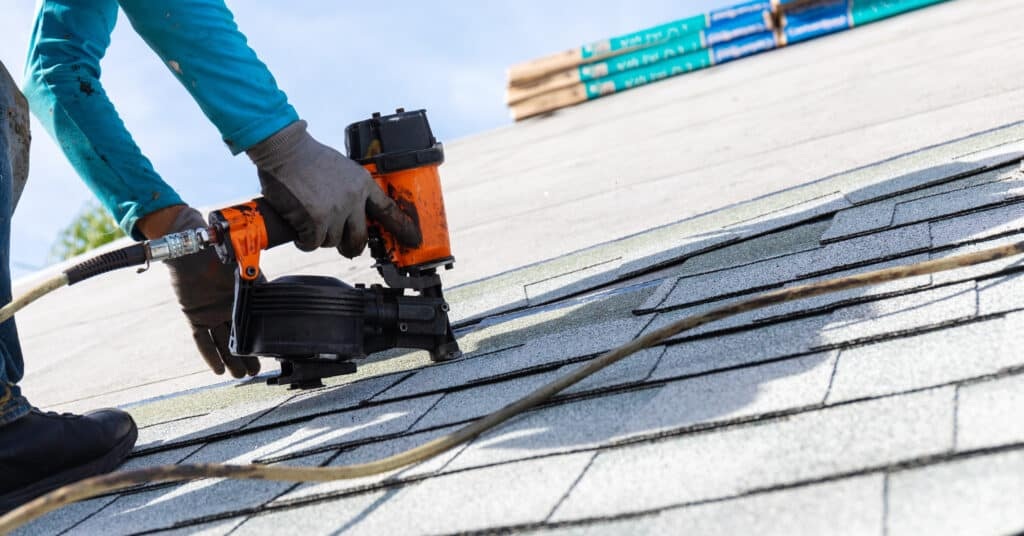
While reroofing is a job best left to experienced professionals due to safety concerns and the need for proper technique, understanding the process is beneficial. If you are an experienced DIYer considering this project, extreme caution and adherence to safety protocols are essential.
-
Safety First and Foremost:
- Weather Conditions: Never work on a wet, icy, or excessively windy roof.
- Proper Gear: Wear appropriate safety gear, including a securely fastened safety harness, non-slip roofing boots, gloves, and safety glasses.
- Ladder Safety: Ensure your ladder is stable, on even ground, and extends at least three feet above the roofline. Follow all ladder safety guidelines.
- Awareness: Be mindful of your footing and surroundings at all times. Power lines can also be a significant hazard.
-
Thorough Roof Preparation:
- Clean the Surface: Remove all debris, leaves, branches, and dirt from the existing shingles. A leaf blower or broom works well for this.
- Address Loose or Damaged Shingles: Remove any clearly loose or badly damaged shingles. Nail down any protruding nails. Cut or trim any significantly curled or lifted shingle tabs to create as flat a surface as possible. Small areas of missing shingles can sometimes be patched with new material to level the surface.
- Inspect and Secure Flashings: Check all existing flashings around chimneys, vents, skylights, and valleys. If they are damaged or deteriorated, they should ideally be replaced. New flashing should be integrated with both shingle layers. However, reusing existing flashing is common in reroofing but carries risks if the old flashing is compromised.
- Remove Ridge Caps: The existing ridge cap shingles at the peak of the roof will need to be removed to allow the new shingles to be installed properly.
-
Install Starter Shingles:
- Along the eaves and rakes (the sloped edges of the roof), install a new row of starter shingles. These are specifically designed for the edges and provide a clean line for the first course of new shingles and proper adhesion for the tabs of the first full course. Some roofers will use standard 3-tab shingles with the tabs cut off as starter shingles.
-
Laying the New Shingles:
- Follow Manufacturer’s Instructions: This is critical. Different shingle types have specific nailing patterns and offset requirements.
- Start at the Bottom: Begin laying the first course of new shingles along the eaves, directly over the starter shingles. Ensure the overhang at the drip edge is correct (typically ¼ to ¾ inch).
- Staggering is Key: Stagger the seams (cutouts) of the shingles from one course to the next. This prevents water from seeping between the shingles. The manufacturer’s instructions will specify the correct offset.
- Nailing: Use roofing nails of the correct length. For reroofing, you’ll need longer nails (typically 1 ½ to 1 ¾ inches, but confirm with shingle and code requirements) to penetrate both layers of shingles and securely anchor into the roof deck. Proper nail placement is vital – too high and the shingles can blow off; too low and the nails can be exposed. Most architectural shingles require 4-6 nails per shingle, depending on wind zone requirements.
- Working Up the Roof: Continue laying courses, working your way up towards the ridge. Use chalk lines to maintain straight and even courses.
- Shingling Valleys: Valleys (where two sloping roof sections meet) are critical areas for leaks. There are different methods for shingling valleys (open, closed-cut, or woven). If reroofing, you’ll typically follow the style of the existing valley or install new metal flashing if converting to an open valley. Ensure the new shingles are properly integrated and sealed.
- Working Around Obstructions: Carefully cut and fit shingles around vents, pipes, and chimneys. Apply roofing cement around these penetrations for an extra layer of waterproofing, integrated with new or existing flashing.
-
Install New Ridge Cap Shingles:
- Once the main field of the roof is shingled, install new ridge cap shingles along the peak (ridge) and any hips. These are specifically designed to straddle the ridge and should be installed starting from the end of theridge opposite the prevailing wind direction.
-
Clean Up and Final Inspection:
- Thoroughly clean the roof and gutters of any debris, nail clippings, and shingle scraps.
- Inspect the entire roof for any loose shingles, exposed nail heads, or areas that may need additional sealant.
Related: Roof Leak Got You Covered? Temporary Fixes Until the Pros Arrive
When a Full Tear-Off is the Better Choice
Despite the allure of cost savings, there are many situations where a full roof tear-off and replacement is the more prudent and ultimately more economical choice:
- If you already have two layers of shingles.
- If the existing shingles are significantly curled, warped, or damaged.
- If there are signs of soft spots, sagging, or rot in the roof deck.
- If you have persistent leaks that haven’t been resolved.
- If you plan to live in the home for many more years and want the longest possible lifespan from your new roof.
- If maximizing your home’s resale value is a priority.
- If you want the peace of mind that comes with a thoroughly inspected and fully renewed roofing system.
- To ensure full compliance with shingle manufacturer warranties.
A tear-off allows your roofing contractor to fully assess the condition of the roof deck, replace any damaged sheathing, install new underlayment (a critical layer of protection), and ensure all components like flashing are new and properly integrated. While more expensive upfront, it can prevent costlier repairs in the future and generally results in a longer-lasting, more reliable roof.
Related: Stop the Drip: Your Guide to the Fastest Roof Leak Fixes
People Also Ask (FAQs)
Q1: How many layers of shingles are allowed on a roof?
A: Most building codes permit a maximum of two layers of asphalt shingles. Always check your local building codes, as this can vary.
Q2: Is it a good idea to roof over existing shingles?
A: It can be a cost-effective solution if the existing roof is in good condition (one layer, flat shingles, no deck damage) and local codes allow it. However, it has drawbacks, such as hiding potential problems and potentially shortening the new roof’s lifespan. Many roofing professionals recommend a tear-off for the best long-term results.
Q3: What are the problems with roofing over existing shingles?
A: Problems include: * Concealing underlying deck damage (rot, mold). * Adding excessive weight to the roof structure. * Potentially shorter lifespan for the new shingles due to heat buildup and an uneven surface. * Difficulty in locating and repairing future leaks. * Possible voiding of shingle manufacturer warranties. * An uneven appearance if the old shingles are curled or buckled. * The next roof replacement will be more expensive as both layers will need to be torn off.
Q4: Can I install new shingles over old ones myself (DIY)?
A: While technically possible for an experienced DIYer. Roofing is a dangerous job that requires proper safety equipment, knowledge, and skill. Mistakes can lead to leaks, further damage, or personal injury. It’s generally recommended to hire a qualified roofing contractor.
Q5: How much cheaper is reroofing over existing shingles compared to a tear-off?
A: Reroofing can be approximately 20-30% cheaper than a full tear-off because it saves on the labor costs of removing the old shingles and disposal fees. However, this can vary based on location, roof complexity, and the contractor.
Q6: Will reroofing over old shingles affect my home’s resale value?
A: It can. Home inspectors will identify a roof with two layers. Some buyers may see it as a future expense (as both layers will eventually need to be removed), potentially impacting their offer. A new roof with a single layer is generally more attractive to buyers.
Q7: What type of shingles are best for reroofing over an existing layer?
A: Lighter-weight asphalt shingles, such as standard 3-tab shingles, were traditionally common for overlays. However, architectural shingles can also be used, provided the existing surface is relatively flat. It’s crucial that the new shingles can conform to the existing layer. Always follow manufacturer guidelines.
Q8: How long does a second layer of shingles last?
A: A second layer of shingles typically will not last as long as a new roof installed directly onto the deck. Its lifespan can be reduced by 15-40% or more, depending on the condition of the first layer, ventilation, climate, and the quality of the installation. Expect a lifespan closer to 10-15 years for a second layer, versus 20-30+ years for a single-layer new roof.
Related: How to Repair Roof Shingles: A DIY Guide
Conclusion: Making the Right Choice for Your Home
Reroofing over existing shingles can be a viable option for homeowners looking for a more immediate and less expensive solution to an aging roof. But only under specific and ideal conditions. A single layer of existing shingles that are lying flat. No suspected deck damage, and compliance with local building codes are essential prerequisites.
However, the potential for hidden problems, the added weight, and the often-reduced lifespan of the new shingles mean that this approach is not without its risks. For long-term peace of mind, optimal roof performance, and the best protection for your home. A complete tear-off and replacement is generally the superior choice.
Before making a decision, obtain multiple quotes from reputable roofing contractors. Discuss both options – reroofing and a full replacement – and ask for a thorough inspection and honest assessment of your current roof’s condition. Understanding the specific circumstances of your roof, your budget, and your long-term plans for the home will ultimately guide you to the best and most responsible decision for your roofing project.







