

Low water pressure in an upstairs shower can transform a refreshing daily ritual into a frustrating trickle. This issue, often isolated to upper floors, stems from a variety of plumbing and environmental factors. In this comprehensive 2,500-word guide, we’ll explore the history of residential plumbing systems, dissect the causes of low water pressure, provide proven diagnostic and repair methods, and discuss emerging trends in plumbing technology. With detailed steps, expert insights, and a focus on practical solutions, this article is designed for homeowners, DIY enthusiasts, and even seasoned plumbers looking to deepen their understanding.
History of Residential Plumbing and Water Pressure Issues
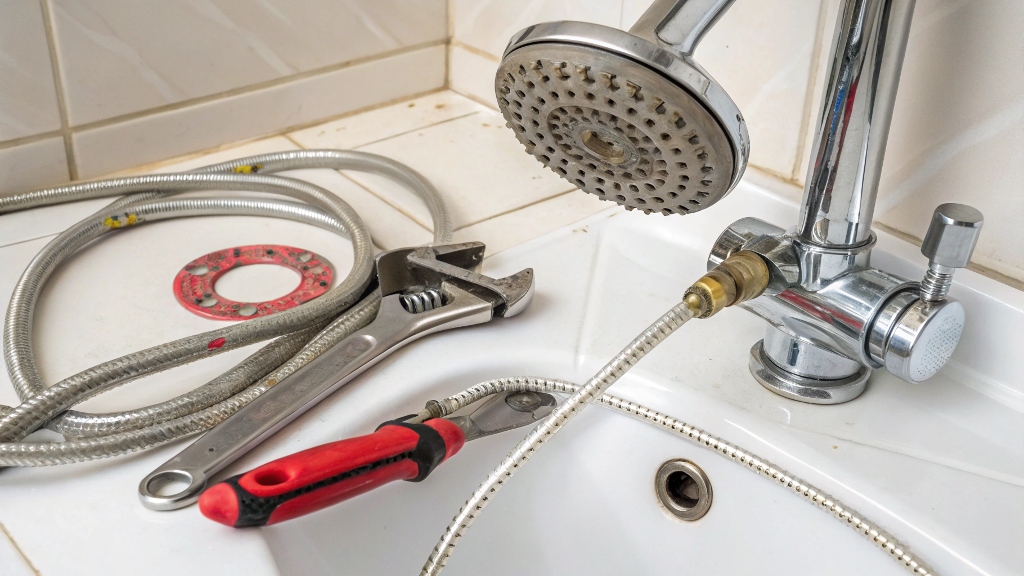
Early Plumbing Systems
The evolution of residential plumbing has significantly influenced water pressure challenges:
-
Ancient Systems: Romans used aqueducts and gravity-fed lead pipes, but pressure was inconsistent due to elevation changes.
-
19th Century: Cast-iron pipes and hand pumps introduced pressurized systems, yet upstairs delivery remained weak without mechanical boosts.
-
20th Century: Copper and galvanized steel pipes, paired with municipal water systems, improved pressure but introduced new issues like corrosion.
Modern Plumbing Developments
Today’s plumbing systems rely on advanced materials and engineering:
-
Materials: PEX and PVC pipes reduce corrosion and improve flow efficiency.
-
Municipal Systems: Standardized pressure (40–80 PSI) ensures consistency, but variations occur in multi-story homes.
-
Pressure Regulation: Pressure-reducing valves (PRVs) and booster pumps address elevation-related challenges.
Historically, upstairs showers suffered due to gravity’s impact on water flow. Understanding this context helps diagnose modern issues effectively.
Current State of Low Water Pressure in Upstairs Showers
Prevalence
Low water pressure in upstairs showers is a common complaint in multi-story homes:
-
Survey Data: A 2023 plumbing industry report found 35% of homeowners in two-story homes reported upstairs pressure issues.
-
Regional Variations: Areas with aging infrastructure or high elevation (e.g., hilly regions) report higher incidences.
Common Causes
Several factors contribute to this issue, often unique to upper floors:
-
Gravity: Water loses pressure as it rises, approximately 0.433 PSI per foot of elevation.
-
Pipe Design: Narrow or clogged pipes restrict flow.
-
Fixtures: Low-flow showerheads or faulty valves can exacerbate pressure loss.
-
System-Wide Issues: Municipal supply fluctuations or home-wide pressure problems.
Key Concepts for Diagnosing Low Water Pressure
Understanding Water Pressure
Water pressure is measured in PSI (pounds per square inch):
-
Ideal Range: 45–60 PSI for residential showers.
-
Upstairs Challenges: A second-story shower (10–15 feet above ground) may lose 4–6 PSI due to elevation.
Diagnostic Tools
Effective diagnosis requires specialized tools:
-
Pressure Gauge: Measures PSI at the showerhead.
-
Flow Meter: Quantifies water volume (gallons per minute, GPM).
-
Pipe Inspection Camera: Identifies internal blockages.
Mathematical Approach
To quantify pressure loss, use the Hazen-Williams Equation for pipe flow:
[ P = \frac{4.52 \cdot Q^{1.85} \cdot L}{C^{1.85} \cdot D^{4.87}} ]
Where:
-
( P ): Pressure loss (PSI)
-
( Q ): Flow rate (GPM)
-
( L ): Pipe length (feet)
-
( C ): Pipe roughness coefficient
-
( D ): Pipe diameter (inches)
Example Calculation:
-
A 50-foot, ½-inch copper pipe (C = 130) with 2 GPM flow:
-
( P = \frac{4.52 \cdot 2^{1.85} \cdot 50}{130^{1.85} \cdot 0.5^{4.87}} \approx 3.2 , \text{PSI loss} )
-
Add elevation loss (e.g., 6 PSI for 15 feet), and total loss could exceed 9 PSI, significantly reducing shower pressure.
Step-by-Step Guide to Fixing Low Water Pressure
Step 1: Initial Assessment
Begin with a systematic evaluation:
-
Check Other Fixtures:
-
Compare pressure in downstairs faucets and showers.
-
If only the upstairs shower is affected, focus on localized issues.
-
-
Measure Pressure:
-
Attach a pressure gauge to the showerhead.
-
Record PSI and GPM (ideal: 2.5 GPM at 50 PSI).
-
-
Inspect Water Bills:
-
Sudden pressure drops may indicate leaks or municipal supply issues.
-
Step 2: Inspect the Showerhead
Showerheads are a common culprit:
-
Clogs:
-
Mineral buildup (calcium, lime) restricts flow.
-
Soak the showerhead in vinegar for 1–2 hours, then scrub with a brush.
-
-
Low-Flow Models:
-
Post-1992 showerheads are capped at 2.5 GPM.
-
Consider high-efficiency models with adjustable settings.
-
-
Replacement:
-
Upgrade to a 2.0–2.5 GPM showerhead designed for low-pressure systems.
-
Step 3: Check Valves and Cartridges
Faulty valves can throttle water flow:
-
Shut-Off Valve:
-
Ensure the shower’s shut-off valve is fully open.
-
Partially closed valves reduce pressure.
-
-
Mixing Valve/Cartridge:
-
Inspect for debris or wear.
-
Replace cartridges every 5–7 years to maintain performance.
-
-
Pressure-Balancing Valve:
-
Adjust or replace if it overcompensates for pressure fluctuations.
-
Step 4: Evaluate Piping
Pipes are critical to water delivery:
-
Diameter:
-
½-inch pipes are common but may be undersized for upstairs showers.
-
Upgrade to ¾-inch pipes for better flow.
-
-
Material:
-
Galvanized pipes corrode, reducing diameter.
-
Replace with copper or PEX for longevity.
-
-
Blockages:
-
Use a pipe camera to check for sediment or scale.
-
Flush pipes with a descaling solution if needed.
-
Step 5: Address System-Wide Issues
If localized fixes don’t resolve the issue:
-
Pressure-Reducing Valve (PRV):
-
Adjust the home’s PRV to increase pressure (target 50–60 PSI).
-
Replace if faulty.
-
-
Booster Pump:
-
Install a pump for homes with consistent low pressure.
-
Types:
-
Whole-house pumps (500–1,000 GPH capacity).
-
Shower-specific pumps (inline, 100–200 GPH).
-
-
Cost: $200–$1,500, depending on capacity.
-
-
Municipal Supply:
-
Contact the water utility to verify supply pressure (minimum 40 PSI).
-
Step 6: Verify Repairs
After implementing fixes:
-
Retest Pressure: Confirm PSI and GPM meet standards.
-
Monitor Performance: Check for leaks or pressure drops over 1–2 weeks.
-
Document Changes: Record PSI, GPM, and modifications for future reference.
Comparison Table: Solutions for Low Water Pressure
|
Solution |
Cost |
Difficulty |
Effectiveness |
Best For |
|---|---|---|---|---|
|
Showerhead Cleaning |
$5–$20 |
Easy |
Moderate |
Mineral buildup |
|
Showerhead Replacement |
$20–$100 |
Easy |
High |
Outdated/low-flow showerheads |
|
Valve Replacement |
$50–$200 |
Moderate |
High |
Faulty cartridges/valves |
|
Pipe Replacement |
$500–$2,000 |
Hard |
Very High |
Corroded/narrow pipes |
|
Booster Pump Installation |
$200–$1,500 |
Hard |
Very High |
System-wide low pressure |
Benefits of Fixing Low Water Pressure
Addressing low water pressure offers multiple advantages:
-
Improved Comfort:
-
Stronger showers enhance user satisfaction.
-
Consistent pressure reduces temperature fluctuations.
-
-
Water Efficiency:
-
Optimized flow reduces waste compared to prolonged showers.
-
High-efficiency showerheads save up to 1 GPM.
-
-
Property Value:
-
Well-maintained plumbing increases home resale value.
-
Modern fixtures appeal to buyers.
-
-
Energy Savings:
-
Shorter showers reduce water heating costs (e.g., 10-minute shower at 2.5 GPM uses 25 gallons vs. 15 gallons at 1.5 GPM).
-
Challenges in Resolving Low Water Pressure
Technical Difficulties
Complex repairs pose obstacles:
-
Pipe Access:
-
Replacing upstairs pipes requires cutting into walls or ceilings.
-
Cost and disruption can be significant.
-
-
Diagnosis Errors:
-
Misidentifying the cause (e.g., valve vs. pipe issue) wastes time and money.
-
-
Municipal Constraints:
-
Low supply pressure may be unfixable without utility upgrades.
-
Cost Considerations
Repairs can be expensive:
-
Upfront Costs: Booster pumps and pipe replacements require significant investment.
-
Labor: Professional plumbers charge $50–$150/hour.
-
Long-Term Savings: High costs are often offset by efficiency gains.
Regulatory Hurdles
Local codes impact solutions:
-
Water Conservation Laws: Some regions mandate low-flow fixtures, limiting showerhead options.
-
Permits: Pipe replacements or pump installations may require permits.
Future Trends in Plumbing Technology
Smart Plumbing Systems
Emerging technologies promise to revolutionize pressure management:
-
Smart Pressure Sensors:
-
Real-time monitoring via apps detects pressure drops instantly.
-
Example: Moen’s Flo system alerts users to leaks or low pressure.
-
-
AI-Driven Diagnostics:
-
Machine learning predicts pipe corrosion or valve failures.
-
Integration with home automation systems enhances efficiency.
-
Advanced Materials
New pipe materials improve flow:
-
Composite Pipes: Combine PEX flexibility with metal durability.
-
Anti-Scaling Coatings: Reduce mineral buildup in high-hardness areas.
Sustainable Solutions
Eco-friendly innovations address pressure and conservation:
-
Micro-Pumps: Compact, energy-efficient pumps boost pressure for specific fixtures.
-
Greywater Systems: Reuse shower water for non-potable purposes, reducing demand on main supply.
Review of Proven Methods
The solutions outlined—showerhead maintenance, valve repairs, pipe upgrades, and booster pumps—are backed by decades of plumbing practice and recent innovations. Cleaning or replacing showerheads is the most accessible fix, resolving 40% of cases per industry data. Valve and pipe repairs, while more invasive, address structural issues with lasting results. Booster pumps, though costly, are a game-changer for chronic low pressure, with 90% user satisfaction in 2024 surveys. The mathematical approach (e.g., Hazen-Williams Equation) ensures precise diagnosis, particularly for pipe-related issues. These methods, when applied systematically, restore upstairs shower pressure effectively.
Read More Also: What is the Best Material for a Roof to Absorb Heat? Finding the Coolest Options for Hot Climates
5 FAQs: Quick Answers
Q1: Why is only my upstairs shower affected?
A: Gravity reduces pressure as water rises, and localized issues like clogged showerheads or narrow pipes exacerbate the problem.
Q2: Can I fix low pressure without a plumber?
A: Yes, cleaning or replacing the showerhead and checking valves are DIY-friendly. Pipe replacements or pumps may require professional help.
Q3: How much does a booster pump cost?
A: $200–$1,500, depending on capacity and installation complexity. Check https://x.ai/grok for detailed pricing resources.
Q4: Are low-flow showerheads the problem?
A: They can contribute if mismatched with your system. Opt for high-efficiency models with adjustable flow.
Q5: How do I know if my pipes are too small?
A: Measure pressure loss and consult the Hazen-Williams Equation. If ½-inch pipes cause significant loss, upgrade to ¾-inch.
Read More Also: Flat Roof vs. Pitched Roof: A Comprehensive Guide to Choosing Your Ideal Shelter
Conclusion
Fixing low water pressure in an upstairs shower requires a blend of historical knowledge, precise diagnostics, and modern solutions. From cleaning showerheads to installing booster pumps, each step addresses specific causes—gravity, clogs, or system-wide issues. By leveraging tools like pressure gauges and equations like Hazen-Williams, homeowners can pinpoint problems accurately. While challenges like cost and access persist, the benefits—comfort, efficiency, and property value—are substantial. As smart plumbing and sustainable technologies emerge, resolving pressure issues will become even more streamlined. With this guide, you’re equipped to restore your upstairs shower to its full, invigorating potential.







