
As the days shorten and a crisp chill fills the air, homeowners in Chittagong, Bangladesh, and indeed across the globe, begin to prepare their homes for the rigors of winter. While cozy blankets and hot beverages often take center stage, one critical aspect of winter preparedness is often overlooked: your roof. Your roof is your home’s first line of defense against the elements, and in winter, it faces a unique set of challenges, from relentless rain and chilly winds to the potential for frost and the dreaded ice dam.
Neglecting your roof during the colder months can lead to a cascade of expensive problems, including devastating leaks, structural damage, and even compromised insulation. But with a proactive approach and a few strategic maintenance steps, you can safeguard your roof, protect your home, and ensure a worry-free winter. This comprehensive guide will equip you with the knowledge and actionable tips to keep your roof in top condition, preventing leaks and ice dams before they even have a chance to form.
The Silent Threats: Understanding Winter’s Impact on Your Roof
Before diving into maintenance strategies, it’s crucial to understand precisely why winter poses such a threat to your roofing system.
-
The Peril of Persistent Moisture:
Winter brings increased precipitation, whether it’s steady rain or occasional frost. This constant moisture can seep into minuscule cracks, deteriorating existing damage and creating new vulnerabilities. When this water freezes, it expands, putting immense pressure on shingles, flashing, and other roofing components, accelerating their breakdown.
-
The Weight of Accumulation:
While heavy snowfall might be less common in Chittagong compared to more temperate regions, even a significant amount of rainfall can add considerable weight to your roof. This added stress, especially on older or already compromised roofs, can lead to sagging, compromised structural integrity, and even collapse in extreme cases.
-
The Ice Dam Dilemma:
Perhaps the most insidious of winter roofing problems is the ice dam. This occurs when heat from your home escapes into the attic, warming the roof deck and melting snow on the upper portions of your roof. This melted water then flows down to the colder eaves, which are typically unheated and remain below freezing. Here, the water refreezes, forming a barrier of ice. As more snow melts, the water backs up behind this ice dam, unable to drain off the roof. This trapped water then seeps under shingles, saturating insulation, damaging ceilings, walls, and even leading to mold growth.
Proactive Winter Roof Maintenance: Your Comprehensive Checklist
The key to preventing winter roofing woes lies in thorough preparation and consistent vigilance. Here’s a detailed checklist to guide your winter roof maintenance efforts:
-
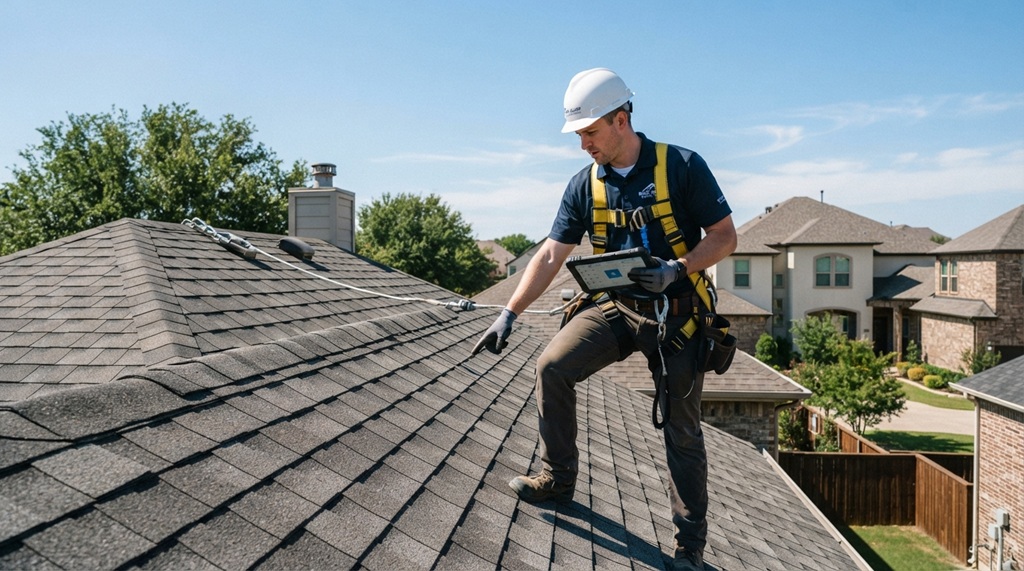
The Essential Pre-Winter Roof Inspection:
This is arguably the most crucial step. Before the cold truly sets in, conduct a thorough inspection of your roof, or better yet, hire a qualified roofing professional.
- Look for Damaged or Missing Shingles: Wind and sun exposure can cause shingles to crack, curl, or even go missing. These compromised areas are prime entry points for water.
- Inspect Flashing: Flashing, the metal strips installed around chimneys, skylights, vents, and roof valleys, is designed to direct water away from vulnerable areas. Check for any signs of lifting, cracking, or corrosion. Even a small gap can lead to significant leaks.
- Examine Gutters and Downspouts: Ensure they are securely attached, free of rust, and properly aligned to channel water away from your home’s foundation.
- Check for Sagging: Stand back and visually inspect your roofline. Any noticeable sagging could indicate a serious structural issue that needs immediate professional attention.
- Assess Soffits and Fascia: These components, located at the edge of your roof, play a role in ventilation and protecting your home. Look for signs of rot, decay, or pest infestation.
-
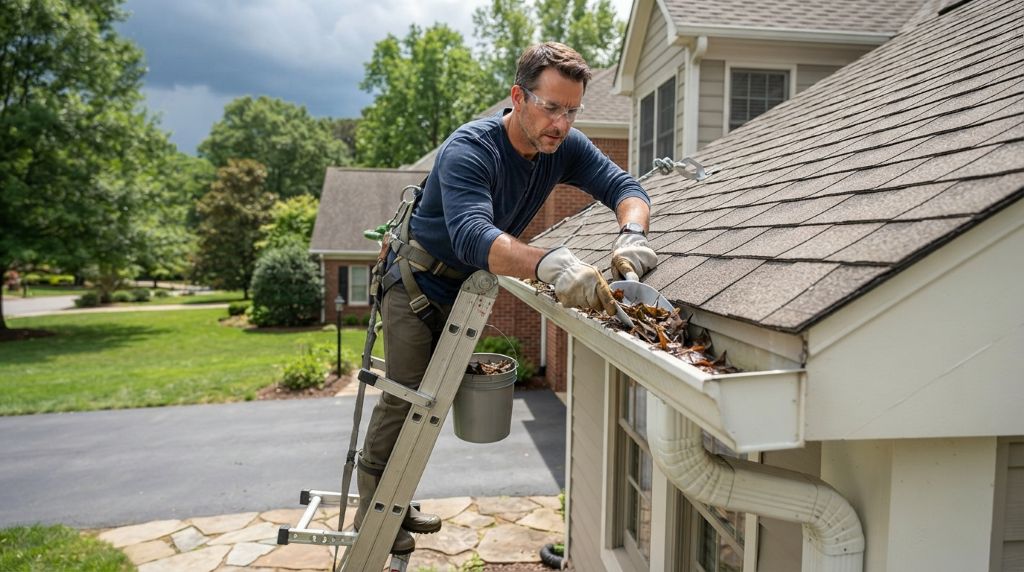
The Gutter Cleaning Imperative:
Clogged gutters are an ice dam’s best friend. Leaves, twigs, dirt, and other debris accumulate in gutters, preventing proper water drainage. When snow melts, this backed-up water freezes, forming an ice dam.
- Thorough Cleaning: Clear out all debris from your gutters and downspouts. A garden hose can be used to flush out any remaining grime and ensure water flows freely.
- Consider Gutter Guards: Installing gutter guards can significantly reduce the amount of debris that accumulates, making future cleanings easier and less frequent.
-
Optimizing Attic Insulation and Ventilation:
This is a critical, yet often overlooked, strategy for preventing ice dams.
- Adequate Insulation: Ensure your attic has sufficient insulation. Proper insulation acts as a thermal barrier, preventing heat from your living space from escaping into the attic and warming the roof deck. The warmer your attic, the more likely snow on your roof will melt unevenly, leading to ice dams.
- Effective Ventilation: Proper attic ventilation allows warm, moist air to escape, keeping the attic temperature closer to the outside temperature. This minimizes the chance of snow melting on the roof and refreezing at the eaves. Check that all soffit and ridge vents are clear and unobstructed.
-
Addressing Tree Branches:
Overhanging tree branches can pose several threats during winter.
- Debris Accumulation: They can drop leaves and twigs into your gutters, contributing to clogs.
- Abrasive Damage: Branches rubbing against your roof can abrade shingles over time, leading to premature wear and tear.
- Ice and Snow Load: Heavy snow and ice accumulation on branches can cause them to break and fall onto your roof, causing significant damage.
- Pruning: Trim any branches that are within 10 feet of your roof. This not only protects your roof but also reduces the risk of pests gaining access to your attic.
-
Sealing and Repairing Minor Issues Promptly:
Small problems can quickly escalate into major ones during winter.
- Seal Cracks and Gaps: Use appropriate roofing sealant to seal any small cracks around vent pipes, chimneys, or skylights.
- Replace Damaged Shingles: If you find any cracked, curled, or missing shingles during your inspection, replace them immediately. This preventative measure can save you from far more extensive and costly water damage down the line.
-
Safe Snow Removal (If Necessary):
While less common in Canada, heavy snow accumulation can occur and put immense stress on your roof.
- Roof Rakes: If you do experience significant snowfall, consider using a roof rake with a long extension handle to safely remove snow from the edges of your roof while standing on the ground. This helps prevent ice dam formation.
- Avoid Walking on Your Roof: Never walk on a snowy or icy roof, as it is extremely dangerous. If the snow accumulation is too heavy or you are uncomfortable with the task, hire a professional.
- Don’t Shovel or Chip Ice: Avoid using shovels or other sharp tools to remove snow or ice directly from your roof, as this can easily damage shingles and other roofing components.
-
Monitoring for Ice Dam Formation:

Even with the best preventative measures, ice dams can sometimes form.
- Look for Large Icicles: While small icicles are normal, large, continuous icicles along your eaves can be a sign of an ice dam forming.
- Water Stains: Water stains on your interior ceilings or walls are a clear indication of a leak, often caused by an ice dam. Address these immediately.
- Consider Heat Cables: For homes consistently plagued by ice dams, installing self-regulating heat cables along the eaves and in gutters can help melt ice and create channels for water drainage. However, these should be installed by a professional to ensure safety and effectiveness.
Beyond the Basics: Long-Term Roof Health
While the above tips are crucial for winter preparedness, maintaining your roof’s health is an ongoing process.
- Regular Professional Inspections: Schedule professional roof inspections annually, ideally in the fall and spring. Experts can identify subtle issues you might miss and recommend necessary repairs.
- Address Repairs Promptly: Don’t procrastinate on roof repairs. Small issues left unaddressed can quickly become costly emergencies, especially in harsh winter conditions.
- Consider Roof Replacement: If your roof is nearing the end of its lifespan (typically 20-25 years for asphalt shingles), consider a full replacement before winter. A new, properly installed roof offers superior protection and peace of mind.
The Return on Investment: Why Winter Roof Maintenance Matters
Investing time and effort in winter roof maintenance isn’t just about avoiding headaches; it’s about protecting your most valuable asset – your home.
- Cost Savings: Preventing leaks and ice dams can save you thousands of dollars in potential water damage repairs, mold remediation, and structural fixes.
- Energy Efficiency: A well-maintained roof with proper insulation and ventilation contributes to better energy efficiency, reducing your heating bills during the colder months.
- Extended Roof Lifespan: Proactive maintenance significantly extends the lifespan of your roof, delaying the need for a costly replacement.
- Enhanced Home Value: A healthy, well-maintained roof adds to your home’s curb appeal and overall value, a significant advantage if you ever decide to sell.
- Peace of Mind: Knowing your roof is prepared for winter allows you to relax and enjoy the season without the constant worry of leaks or damage.
Battling the Blizzard: Mastering Snow Buildup Prevention on Your Roof
Conclusion: Winter-Proof Your Roof, Winter-Proof Your Home
Winter in Chittagong, while not as harsh as some northern climates, still presents unique challenges for your roof. By understanding the potential threats and implementing a diligent maintenance plan, you can effectively prevent leaks, deter ice dams, and protect your home from the damaging effects of cold, wet weather. From routine inspections and gutter cleaning to ensuring optimal attic insulation and ventilation, every step you take contributes to the longevity and integrity of your roof. Don’t wait for the first winter storm to realize your roof needs attention. Act now, be proactive, and enjoy the comfort and security of a winter-proofed home. Your roof and your wallet will thank you for it.
Read More: