
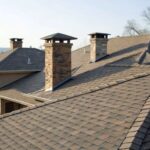
Your roof is arguably the most crucial component of your home’s exterior. It shields your family, your belongings, and your entire structure from the relentless forces of nature – rain, sun, wind, and even snow. Yet, for many homeowners, the roof is an “out of sight, out of mind” element until a problem arises. This reactive approach can lead to costly repairs, premature roof replacement, and a significant amount of stress.
The truth is, a little proactive roof maintenance goes a very long way in preserving your investment and extending the lifespan of your roof by years, if not decades. Think of it like changing the oil in your car; neglecting it leads to bigger, more expensive problems down the road.
In this comprehensive guide, we’ll delve into ten essential roof maintenance tips that every homeowner should know and implement. By following these practical steps, you can significantly prolong your roof’s life, maintain your home’s curb appeal, and protect your most valuable asset.
Why Roof Maintenance Matters More Than You Think
Before we dive into the tips, let’s briefly underscore the importance of consistent roof care.
- Cost Savings: Regular maintenance helps identify minor issues before they escalate into major, expensive repairs. A small leak ignored can lead to widespread water damage, mold growth, and structural rot, costing thousands to fix.
- Extended Lifespan: A well-maintained roof can easily last its intended lifespan, and often beyond. Neglect can cut its life short by 50% or more.
- Energy Efficiency: A damaged or poorly insulated roof can lead to significant heat loss in winter and heat gain in summer, driving up your energy bills. Proper maintenance ensures your roof is doing its part to keep your home energy-efficient.
- Home Value: A healthy, well-maintained roof enhances your home’s curb appeal and adds to its overall market value. Potential buyers will be much more confident in a home with a roof that shows signs of care.
- Safety: A compromised roof can pose safety hazards, from falling debris to structural instability. Regular inspections and maintenance help ensure your roof is sound and safe.
Now, let’s explore those ten essential tips:
-
Regular Visual Inspections (Twice Annually)
This is the cornerstone of effective roof maintenance. You don’t need to be a roofing expert to conduct a basic visual inspection. Aim for at least twice a year – ideally in the spring after winter storms and in the fall before winter sets in.
What to look for:
- From the ground: Look for missing, cracked, curled, or buckled shingles. Check for any sagging or uneven areas. Note any dark streaks or moss/algae growth.
- From a ladder (if safe): Get a closer look at the flashing around chimneys, vents, and skylights. These are common areas for leaks.
- In the attic: Look for water stains on the underside of the roof decking, streaks of light coming through, or any musty odors which could indicate moisture.
If you’re uncomfortable with heights or have a multi-story home, consider hiring a professional roofing contractor for these inspections.
-
Keep Gutters Clean and Clear
Clogged gutters are a primary culprit behind many roof-related problems. When gutters are blocked by leaves, twigs, and debris, water can’t drain properly. This leads to:
- Water pooling: Water can back up under shingles, leading to rot in the fascia and soffit, and eventually into your home’s interior.
- Ice dams: In colder climates, clogged gutters contribute to ice dam formation, which can force melting ice and water under shingles, causing significant damage.
- Foundation issues: Overflowing gutters can saturate the ground around your foundation, potentially leading to cracks and costly foundation repairs.
Clean your gutters at least twice a year, more often if you have a lot of trees nearby. Consider installing gutter guards to reduce the frequency of cleaning.
-
Trim Overhanging Branches
Trees are beautiful, but their branches can be a threat to your roof.
- Abrasion: Branches rubbing against the roof surface, especially during windy conditions, can wear away shingle granules, exposing the asphalt layer to UV damage.
- Debris accumulation: Overhanging branches drop leaves, twigs, and sap onto your roof, creating ideal conditions for moisture retention and moss growth.
- Impact damage: During storms, weak or dead branches can break off and fall onto your roof, causing significant impact damage.
Trim any branches that are within 10 feet of your roof. This not only protects your roof but also reduces the risk of pests gaining access to your attic.
-
Remove Moss, Algae, and Lichen
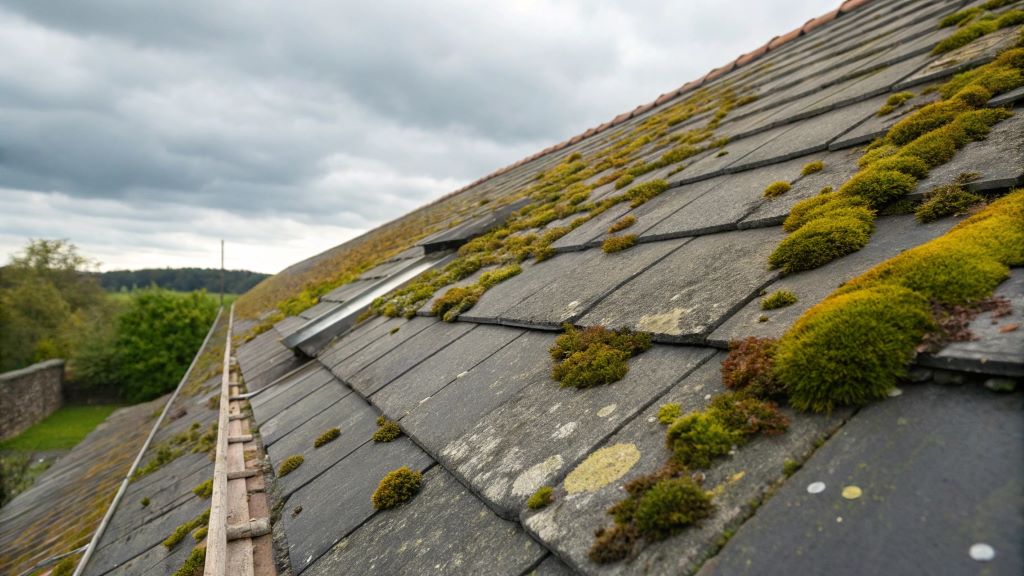
Dark streaks (algae), green patches (moss), and crusty growths (lichen) aren’t just aesthetic issues; they actively damage your roof.
- Moisture retention: Moss and lichen absorb and retain moisture, keeping the roof surface damp for extended periods. This accelerates the deterioration of shingles and can lead to wood rot.
- Granule loss: As these growths expand and contract with temperature changes, they can lift and dislodge shingle granules.
- Shingle degradation: The moisture and biological activity can cause shingles to curl, buckle, and crack.
While you can gently remove these growths with a soft brush and a diluted bleach or specialized roof cleaning solution, be extremely cautious. High-pressure washing can severely damage shingles. If in doubt, hire a professional roofing cleaner who understands how to safely remove these growths without harming your roof.
-
Check and Repair Flashing
Flashing – the metal strips installed around chimneys, skylights, vents, and wall junctions – is crucial for preventing water penetration in vulnerable areas.
- Common leak points: Flashing is a common source of roof leaks because it’s exposed to expansion, contraction, and direct water flow.
- What to look for: During your inspections, check for any signs of rust, cracks, buckling, or loose caulk around the flashing. Ensure it’s securely attached and creating a watertight seal.
If you find any issues, it’s best to have a professional roofer address them immediately. Re-caulking might be a temporary fix, but often, the flashing itself needs to be repaired or replaced.
-
Address Minor Shingle Damage Promptly
Don’t procrastinate when you spot a cracked, curled, or missing shingle. Even a small breach can allow water to seep under the roof, leading to far more extensive and costly damage over time.
- Cracked/Curled Shingles: Can be sealed with roofing cement or replaced if severely damaged.
- Missing Shingles: Need to be replaced immediately to prevent water intrusion. Keep a few spare shingles from your initial roof installation for easy matching.
If you’re comfortable and have the proper safety equipment, replacing a shingle is a manageable DIY task. However, if multiple shingles are damaged or you’re unsure, call a professional.
-
Ensure Proper Attic Ventilation
A well-ventilated attic is vital for the health of your roof and the energy efficiency of your home.
- Heat build-up: Inadequate ventilation traps hot air in the attic during summer, causing shingles to prematurely age and warp from the excessive heat radiating from below.
- Moisture build-up: In winter, poor ventilation can lead to condensation in the attic, which can cause wood rot, mold growth, and ice damming.
- Energy costs: Proper ventilation helps regulate attic temperatures, reducing the strain on your HVAC system and lowering energy bills.
Check your attic vents to ensure they are clear and not blocked by insulation or debris. If you suspect poor ventilation, consult with a roofing professional to assess your attic’s airflow.
-
Inspect and Seal Vents and Pipe Boots
Just like flashing, the rubber boots and seals around vent pipes, exhaust vents, and satellite dishes can degrade over time.
- Cracking and deterioration: UV rays and temperature fluctuations cause the rubber to crack, allowing water to penetrate.
- Loose fasteners: Ensure all vents are securely fastened and that any caulking or sealing around their bases is intact.
Regularly check these penetrations for signs of wear and tear. A simple tube of roofing sealant can often provide a quick and effective repair for minor cracks, but severely deteriorated boots will need to be replaced.
-
Monitor for Sagging or Uneven Spots
Any noticeable sagging or unevenness on your roof is a serious red flag. This can indicate:
- Structural damage: Damaged or weakened roof decking or rafters.
- Excessive moisture: Water damage that has compromised the integrity of the underlying structure.
- Improper installation: Rarely, but can indicate issues from the initial roof installation.
If you observe any significant sagging, do not delay. This requires immediate professional assessment to prevent further structural damage and potential collapse.
-
Consider a Professional Roof Inspection
While regular DIY inspections are valuable, a professional roof inspection is highly recommended every 3-5 years, or after a major storm.
- Expert eye: Professional roofers have the training, experience, and equipment to spot subtle issues that an untrained eye might miss.
- Comprehensive assessment: They can assess the overall condition of your roof, including its age, remaining lifespan, and potential vulnerabilities.
- Peace of mind: A professional inspection gives you a detailed report on your roof’s health, allowing you to proactively plan for repairs or future replacement.
Many roofing companies offer free inspections, making it an easy way to get an expert opinion on your roof’s condition.
Roof Repair vs. Replacement: Key Differences, Costs, & When to Choose
Conclusion: Your Roof, Your Responsibility
Your roof is an investment that protects your most important asset – your home. By dedicating a small amount of time and effort to regular roof maintenance, you can significantly extend its lifespan, prevent costly repairs, improve your home’s energy efficiency, and maintain its value.
Don’t wait for a leak or a major storm to prompt action. Implement these ten essential tips into your home maintenance routine, and enjoy the peace of mind that comes with a strong, healthy roof over your head. Proactive care today saves you money and headaches tomorrow.
Read More:
Battling the Blizzard: Mastering Snow Buildup Prevention on Your Roof







