
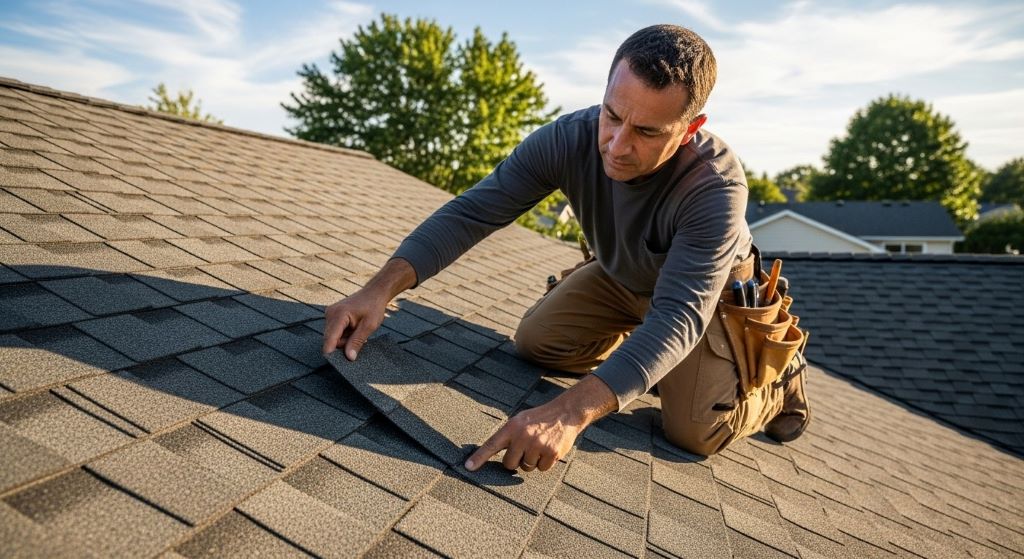
Roof maintenance involves regular inspections, cleaning, and repairs to keep your roof functioning properly. A well-maintained roof protects your home from weather damage and lasts significantly longer than a neglected one. Understanding proper maintenance saves homeowners thousands of dollars in premature replacement costs.
Most roofs fail long before their expected lifespan due to simple neglect. However, implementing a consistent maintenance schedule prevents small problems from becoming expensive disasters. Therefore, learning basic roof care represents one of the smartest home improvement investments.
Understanding Roof Maintenance Basics
Roof maintenance encompasses all activities that preserve your roof’s structural integrity and weatherproofing capabilities. This includes removing debris, inspecting for damage, cleaning gutters, and addressing minor issues promptly. Regular attention prevents water infiltration and material degradation.
Professional roofers recommend biannual inspections in spring and fall. Additionally, homeowners should check roofs after severe weather events. These simple actions catch problems early when repairs cost less and prevent secondary damage.
Maintenance differs from repairs in its preventive focus. While repairs fix existing damage, maintenance stops damage from occurring. Moreover, documented maintenance often validates warranty coverage when problems do arise.
Key Components of Effective Roof Maintenance
Regular Inspections
Visual inspections form the foundation of roof maintenance. Homeowners can safely inspect from the ground using binoculars. Look for missing shingles, sagging areas, or visible damage to flashing around chimneys and vents.
Professional inspections provide more thorough assessments. Roofing experts walk the roof surface, checking for subtle signs of wear. They identify potential problems invisible from ground level. Therefore, scheduling professional inspections every two to three years ensures comprehensive evaluation.
Attic inspections reveal interior warning signs. Water stains, mold growth, or daylight penetrating through the roof deck indicate problems requiring immediate attention. Additionally, proper attic ventilation affects roof longevity significantly.
Debris Removal
Leaves, branches, and other debris trap moisture against roofing materials. This constant dampness accelerates deterioration and promotes moss and algae growth. Regular cleaning prevents these issues from developing.
Fall cleanup proves especially important in wooded areas. Accumulated leaves create dams that redirect water under shingles. Moreover, decomposing organic matter generates acids that damage roofing materials over time.
Roof valleys and areas around chimneys collect debris most readily. These locations require particular attention during cleaning. However, safety remains paramount when accessing roof surfaces.
Gutter Maintenance
Clogged gutters cause water to back up under roof edges. This overflow damages fascia boards, soffit, and roof decking. Furthermore, ice dams form more easily when gutters cannot drain properly.
Clean gutters at least twice yearly, particularly after autumn leaf fall. Check downspouts ensure water flows away from the foundation. Additionally, consider installing gutter guards to reduce cleaning frequency.
Properly functioning gutters extend roof lifespan by directing water away efficiently. According to the National Association of Home Builders, regular gutter maintenance can add years to your roof’s functional life.
Flashing Inspection and Repair
Flashing seals roof penetrations and transitions between different surfaces. These metal strips prevent water from entering vulnerable areas. Damaged or improperly installed flashing causes most roof leaks.
Inspect flashing around chimneys, skylights, vents, and where roof planes meet. Look for rust, cracks, or separating seams. Additionally, check that caulking remains intact and flexible.
Flashing repairs require professional expertise in most cases. Improper repairs create worse problems than the original damage. Therefore, contact qualified roofers when flashing issues appear.
Moss and Algae Control
Moss retains moisture and lifts shingles, allowing water penetration underneath. Algae causes dark streaking that reduces curb appeal. Both organisms shorten roof lifespan through material degradation.
Zinc or copper strips installed along roof ridges prevent growth naturally. Rainwater washing over these metals inhibits organism development. Moreover, specialized cleaning solutions safely remove existing growth without damaging shingles.
Never use pressure washers on asphalt shingles. High pressure dislodges protective granules and damages the underlying material. Instead, gentle brushing with appropriate cleaners proves more effective and safer.

How Maintenance Extends Roof Lifespan
Preventing Water Damage
Water represents the primary enemy of roofing systems. Maintenance identifies and addresses water entry points before extensive damage occurs. Small leaks caught early require simple repairs instead of costly replacements.
Moisture infiltration rots wood decking and structural supports. This deterioration compromises the entire roof system. Additionally, water damage promotes mold growth that affects indoor air quality and health.
Regular maintenance preserves the waterproof barrier that protects your home. Therefore, consistent attention to potential leak sources dramatically extends functional roof life.
Protecting Roofing Materials
Sun exposure, temperature fluctuations, and weather events stress roofing materials constantly. Maintenance helps materials withstand these forces longer. Prompt repairs prevent minor damage from spreading across larger areas.
Asphalt shingles lose protective granules over time. Maintenance identifies excessive granule loss indicating replacement needs. However, catching this early allows strategic repairs rather than complete replacement.
Metal roofs benefit from maintenance addressing fastener integrity and coating condition. Wood shakes require treatment to prevent rot and insect damage. Each material type needs specific maintenance approaches for maximum longevity.
Maintaining Structural Integrity
Roof decking supports all visible roofing materials. Maintenance ensures this foundation remains sound. Soft spots or sagging indicate structural problems requiring immediate professional attention.
Proper ventilation prevents heat and moisture buildup in attic spaces. This circulation protects both the roof deck and shingles from premature aging. Additionally, adequate ventilation reduces energy costs by moderating attic temperatures.
Structural problems often develop slowly but accelerate rapidly once started. Therefore, early detection through maintenance prevents catastrophic failures requiring emergency replacement.
Preserving Warranty Coverage
Most roofing warranties require proof of regular maintenance. Neglecting basic care voids manufacturer warranties even for defective materials. Documentation of maintenance activities protects your warranty investment.
Keep receipts from professional inspections and repairs. Photograph your roof seasonally to document its condition. Additionally, maintain a maintenance log noting cleaning dates and observations.
Warranty claims often fail because homeowners cannot prove proper care. According to This Old House, documented maintenance significantly increases successful warranty claims when problems arise.
Creating a Roof Maintenance Schedule
Seasonal Maintenance Tasks
Spring inspections assess winter storm damage and prepare roofs for rain season. Check for loose or missing shingles, damaged flashing, and gutter functionality. Additionally, trim overhanging branches that could damage the roof during summer storms.
Summer maintenance focuses on ventilation and heat damage prevention. Ensure attic vents remain unobstructed. Look for signs of excessive heat affecting shingles such as curling or blistering.
Fall cleaning removes leaves and debris before winter. Clean gutters thoroughly and inspect for adequate drainage. Moreover, check that flashing remains sealed before freezing temperatures arrive.
Winter maintenance involves monitoring for ice dams and snow load issues. Remove heavy snow accumulations safely from the ground using roof rakes. Additionally, check attics for condensation problems after cold snaps.
Professional vs. DIY Maintenance
Homeowners can safely perform ground-level inspections, gutter cleaning, and debris removal. These tasks require no specialized skills or equipment. However, working on roof surfaces involves significant fall risks.
Professional maintenance provides expertise in identifying subtle problems. Roofers recognize early warning signs that homeowners typically miss. Therefore, combining DIY observations with professional inspections creates the most effective maintenance program.
Repairs almost always require professional contractors. Improper repairs void warranties and often create additional problems. Moreover, reputable roofers carry insurance protecting homeowners from liability.
Cost Benefits of Regular Roof Maintenance
Maintenance costs typically range from 1 to 3 percent of roof replacement costs annually. This small investment prevents major expenses down the road. Additionally, well-maintained roofs increase property values and appeal to potential buyers.
Neglected roofs often require replacement 10 to 15 years early. This premature replacement represents tens of thousands of wasted dollars. Furthermore, emergency replacements cost more than planned projects due to limited contractor selection.
Energy efficiency improves with proper roof maintenance. Well-ventilated, intact roofs reduce heating and cooling costs significantly. Therefore, maintenance savings extend beyond roof longevity to monthly utility bills.
Signs Your Roof Needs Immediate Attention
Curling or buckling shingles indicate advanced aging or moisture problems. Missing shingles expose underlayment to weather damage. Additionally, excessive granule loss in gutters signals shingle deterioration requiring evaluation.
Interior water stains mean active leaks demanding urgent repair. Sagging roof sections suggest structural failure needing immediate professional assessment. Moreover, daylight visible through roof boards indicates serious integrity problems.
Rapidly spreading moss or extensive algae coverage requires treatment before material damage occurs. Damaged flashing around penetrations creates leak vulnerabilities. Therefore, addressing these signs promptly prevents escalating damage and costs.
Conclusion
Roof maintenance involves regular inspections, cleaning, and prompt repairs that preserve your roof’s protective function. This preventive care extends roof lifespan significantly by preventing water damage, protecting materials, and maintaining structural integrity. Therefore, implementing a consistent maintenance schedule saves homeowners thousands of dollars while ensuring reliable protection for their homes. Whether performing DIY tasks or scheduling professional services, regular attention to your roof represents one of the wisest home maintenance investments you can make.
Frequently Asked Questions
How often should I have my roof professionally inspected?
Professional roof inspections should occur every two to three years under normal conditions. However, schedule inspections after severe weather events like hailstorms or hurricanes, and annually for roofs over 15 years old to catch aging problems early.
Can I perform roof maintenance myself or should I hire professionals?
Homeowners can safely handle ground-level tasks like gutter cleaning, debris removal, and visual inspections using binoculars. However, hire professionals for walking on roofs, repairs, and detailed inspections due to safety risks and expertise requirements.
How much does annual roof maintenance typically cost?
Annual roof maintenance costs between $300 and $600 for professional inspections and basic cleaning. This represents 1 to 3 percent of replacement costs but prevents premature failure, making it an excellent investment in your home’s protection.
What is the average lifespan of a well-maintained roof?
Well-maintained asphalt shingle roofs last 25 to 30 years, while neglected ones fail after 15 to 20 years. Metal roofs can exceed 50 years with proper care, and tile roofs may last 100 years when consistently maintained.
Does roof maintenance really void my warranty if I skip it?
Yes, most manufacturer warranties require documented regular maintenance as a condition of coverage. Without proof of proper care through receipts and inspection records, warranty claims for defective materials will likely be denied even for legitimate problems.
Related Topics
Is Roof Ready for Texas Weather? Here’s What to Watch Out For
Can You Install Solar Panels on an Older Roof? Everything Homeowners Need to Know







