
Living in the Lone Star State means dealing with some of the most unpredictable and extreme weather conditions in the country. From scorching summer heat to devastating hailstorms, Texas weather can wreak havoc on your home’s first line of defense – your roof. Therefore, understanding how to prepare and protect your roofing system becomes crucial for every homeowner. Additionally, knowing what warning signs to watch for can save you thousands in repair costs. This guide will help you identify potential vulnerabilities and take proactive steps to ensure your roof withstands whatever Mother Nature throws at it.
Understanding the Unique Challenges of Texas Weather Patterns
Texas experiences a diverse range of weather phenomena that can severely impact roofing systems throughout the year. However, the state’s geographic location creates a perfect storm of conditions that test even the most durable roofing materials.
The combination of intense UV radiation, extreme temperature fluctuations, and severe storm activity makes Texas one of the most challenging environments for residential roofing. Moreover, the state’s vast size means different regions face varying degrees of weather-related stress on their roofing systems.
The Scorching Summer Heat and Its Impact on Roofing Materials
Texas summers are notorious for their relentless heat, with temperatures often exceeding 100°F for extended periods. Furthermore, this extreme heat causes roofing materials to expand and contract repeatedly, leading to premature aging and potential failure.
Asphalt shingles, the most common roofing material in Texas, become particularly vulnerable during these hot months. Additionally, the constant thermal cycling can cause shingles to curl, crack, or lose their protective granules. Metal roofing systems also face challenges, as excessive heat can cause thermal expansion that stresses fasteners and seams.
Hailstorms: The Silent Destroyer of Texas Roofs
According to the National Weather Service, Texas leads the nation in hail damage claims, with an average of 140 hail days per year across the state. However, these storms can occur with little warning and cause devastating damage in minutes.
Hailstones ranging from pea-sized to softball-sized can shatter shingles, dent metal roofing, and damage gutters and downspouts. Therefore, understanding your roof’s vulnerability to hail damage becomes essential for proper maintenance and insurance planning. Additionally, even small hail can compromise your roof’s integrity by creating entry points for water infiltration.
Heavy Rainfall and Flash Flooding Concerns for Homeowners
Texas receives significant rainfall throughout the year, with some areas experiencing over 50 inches annually. Moreover, the state’s topography and urban development patterns contribute to rapid runoff and flash flooding conditions.
Poor drainage systems can cause water to pool on rooftops, leading to membrane deterioration and structural damage. Furthermore, saturated ground conditions can affect foundation stability, which indirectly impacts roofing performance. Additionally, prolonged exposure to standing water accelerates the breakdown of roofing materials and creates ideal conditions for mold and mildew growth.
Tornado Activity and High Wind Damage Prevention Strategies
The state sits in the heart of Tornado Alley, experiencing hundreds of tornadoes annually. However, even areas outside the traditional tornado corridor face significant wind damage risks from severe thunderstorms.
High winds can lift shingles, tear off entire sections of roofing, and drive debris into roofing surfaces. Therefore, proper installation techniques and wind-resistant materials become critical for protecting your investment. Additionally, regular inspections can identify loose or damaged components before they become projectiles during severe weather events.

Essential Pre-Storm Roof Inspection Checklist for Texas Homeowners
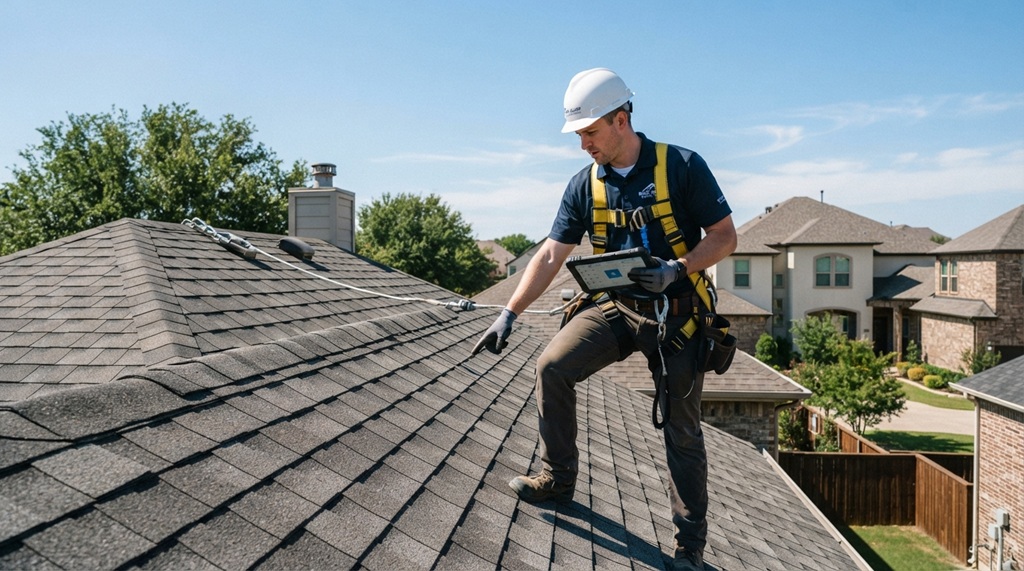
Regular inspections help identify potential problems before they become costly repairs. However, timing these inspections correctly maximizes their effectiveness in preventing weather-related damage.
Spring and fall inspections are particularly important in Texas, as they prepare your roof for the upcoming severe weather seasons. Additionally, post-storm inspections help document any damage for insurance purposes and prevent small issues from becoming major problems.
Key Areas to Examine During Your Inspection
- Check for loose, missing, or damaged shingles
- Inspect flashing around chimneys, vents, and skylights
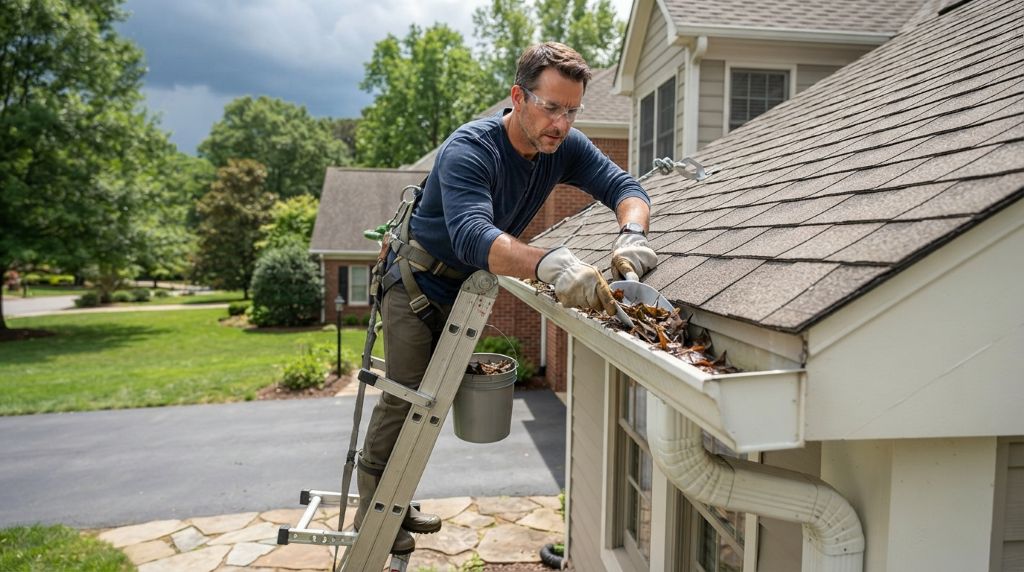
- Examine gutters and downspouts for proper drainage
- Look for signs of water damage or staining on interior ceilings
- Assess the condition of roof penetrations and seals
- Evaluate the structural integrity of the roof deck
- Check for proper ventilation and insulation
Warning Signs That Your Roof Needs Immediate Professional Attention
Recognizing early warning signs can prevent minor issues from escalating into major roofing emergencies. However, some symptoms may not be immediately obvious to untrained eyes.
Interior water stains, missing shingles, and damaged flashing are clear indicators that require prompt professional evaluation. Additionally, granule loss on asphalt shingles, sagging roof lines, and increased energy bills may signal underlying roofing problems. Therefore, addressing these issues quickly can extend your roof’s lifespan and protect your home’s interior.
Choosing the Right Roofing Materials for Texas Climate Conditions
Selecting appropriate roofing materials for Texas weather requires careful consideration of multiple factors. However, not all materials perform equally well under the state’s extreme conditions.
Impact-resistant shingles, metal roofing, and tile systems offer superior protection against hail and wind damage. Moreover, lighter-colored materials help reflect heat and reduce cooling costs during brutal summer months. Additionally, proper ventilation and insulation systems work together with quality materials to create a comprehensive protection strategy.
Top Roofing Material Options for Texas Homes
- Impact-resistant asphalt shingles with a Class 4 rating
- Standing seam metal roofing systems
- Clay or concrete tile roofing
- Modified bitumen membrane for flat roofs
- TPO or EPDM single-ply membrane systems
The Critical Importance of Professional Installation and Regular Maintenance
Even the highest-quality roofing materials will fail prematurely without proper installation and maintenance. Therefore, working with licensed, experienced contractors becomes essential for maximizing your roof’s performance and longevity.
Regular maintenance programs help identify and address minor issues before they become expensive problems. Additionally, professional contractors understand local building codes and weather patterns, ensuring your roofing system meets or exceeds regional requirements. Furthermore, proper installation techniques and quality workmanship can significantly extend your roof’s service life.
Insurance Considerations and Documentation for Texas Weather Damage
Understanding your insurance coverage and documentation requirements can streamline the claims process after severe weather events. However, many homeowners discover coverage gaps only after sustaining damage.
Photographic documentation of your roof’s condition before and after storms provides crucial evidence for insurance claims. Additionally, maintaining receipts for repairs and improvements helps establish your roof’s value and condition. Therefore, regular communication with your insurance agent ensures you understand your coverage limits and deductibles.
Personal Experience: Surviving the 2021 Texas Winter Storm
During the unprecedented February 2021 winter storm, I witnessed firsthand how proper roof preparation made the difference between minor inconvenience and major disaster. However, many neighbors experienced significant damage due to ice dams and frozen pipes in poorly insulated attics.
The families who had invested in proper insulation and ventilation systems fared much better than those with neglected roofing systems. Additionally, homes with regular maintenance schedules experienced fewer emergency repairs during the crisis. Therefore, this experience reinforced the importance of year-round roof care and weather preparedness.
Cost-Effective Strategies for Protecting Your Investment Long-Term
Implementing a comprehensive roof protection strategy doesn’t have to break the bank. However, strategic investments in maintenance and upgrades can provide significant returns through extended roof life and reduced repair costs.
Annual maintenance contracts often cost less than a single emergency repair call. Additionally, energy-efficient roofing improvements may qualify for tax credits and utility rebates. Furthermore, proper maintenance and documentation can help maintain your home’s value and marketability.
Budget-Friendly Roof Protection Tips
- Schedule bi-annual professional inspections
- Clean gutters and downspouts regularly
- Trim overhanging tree branches
- Address minor repairs promptly
- Invest in impact-resistant materials during replacement
- Maintain proper attic ventilation and insulation
Conclusion
Texas weather presents unique challenges that require proactive roof management and regular attention. However, homeowners who understand these risks and take appropriate preventive measures can protect their investments and ensure their families’ safety. Additionally, working with qualified professionals and maintaining proper documentation helps streamline repairs and insurance claims when weather damage occurs.
The key to successful roof protection lies in understanding your local climate conditions and implementing appropriate strategies before problems develop. Therefore, don’t wait for the next severe weather event to assess your roof’s readiness. Moreover, remember that a well-maintained roof not only protects your home but also contributes to energy efficiency and property value.
Take action today by scheduling a professional inspection and developing a comprehensive maintenance plan. Additionally, consider upgrading to weather-resistant materials during your next roof replacement to ensure long-term protection against Texas weather extremes.
Frequently Asked Questions
How often should I inspect my roof in Texas?
Texas homeowners should inspect their roofs at least twice yearly, preferably in spring and fall, plus after any severe weather events. Additionally, professional inspections every 2-3 years help identify issues that untrained eyes might miss.
What are the most common types of roof damage in Texas?
Hail damage, wind damage, and heat-related deterioration are the most common issues. However, flash flooding and ice dams during rare winter storms can also cause significant problems for unprepared roofing systems.
How can I tell if my roof has hail damage?
Look for dented gutters, missing shingle granules, cracked or split shingles, and exposed nail heads. Additionally, check for dents on metal surfaces and damaged roof vents or flashing around penetrations.
Are impact-resistant shingles worth the extra cost in Texas?
Yes, impact-resistant shingles typically pay for themselves through reduced insurance premiums and fewer repair costs. Moreover, many insurance companies offer discounts of 10-35% for homes with Class 4 impact-resistant roofing materials.
When should I replace my roof versus repair it?
Consider replacement if your roof is over 20 years old, has widespread damage, or requires frequent repairs. However, isolated damage from recent storms may only require professional repairs if the overall system remains structurally sound.
Related Topics: