
The Big Question for Homeowners
Solar energy has never been more popular. Rising energy costs, environmental awareness, and government incentives are encouraging more homeowners to consider solar panels. But what if your home has an older roof? Can you still make the switch to solar, or is your roof too worn-out to support it?
This is one of the most common questions homeowners ask when exploring solar energy. The truth is, installing solar panels on an older roof can be possible, but it depends on the roof’s condition, materials, and expected lifespan. In this article, we’ll break down everything you need to know before making a decision—so you can avoid costly mistakes and maximize your solar investment.
Why Roof Condition Matters Before Installing Solar
Solar panels are designed to last 20–30 years. That means your roof needs to be in good shape to avoid problems down the road. Placing solar panels on a failing or near-end-of-life roof can lead to costly reinstallation later.
Key issues with older roofs include:
- Leaks or water damage
- Worn or brittle shingles
- Weak or sagging roof structure
- Poor ventilation or insulation
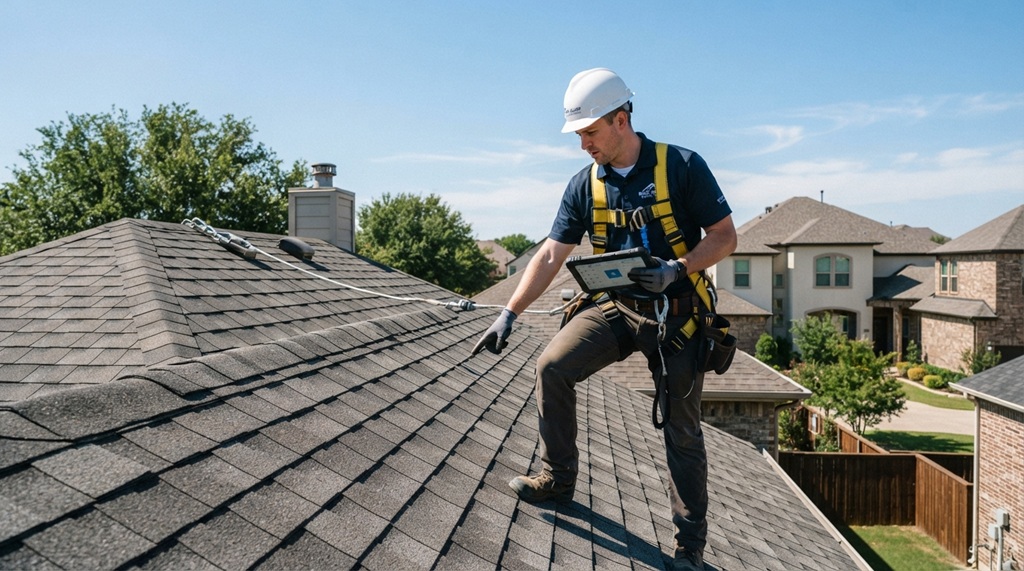
If any of these issues are present, they should be fixed before installing solar. A professional roofing inspection is the first step to determine whether your roof is solar-ready.
Which Roof Types Work Best for Solar Panels?
Not all roofing materials handle solar installations the same way. Here’s a breakdown of how common roof types perform with solar:
- Asphalt shingles – The most common roofing material in the U.S. Works well with solar if the shingles are in good condition. Installation is straightforward.
- Metal roofs – Excellent for solar. Long lifespan (40–70 years), durable, and easy to attach panels without roof penetrations. Standing seam metal roofs are ideal.
- Tile and slate roofs – More complicated because tiles are brittle and can break during installation. Special mounting equipment and careful handling are required.
- Wood shake roofs – Generally not recommended. They are fragile, have a shorter lifespan, and can present a fire risk in some regions.
- Flat roofs – Panels can be installed using ballast or tilted mounting systems, but drainage and waterproofing must be checked first.
Pro tip: If your roof is nearing the end of its lifespan, replacing it before adding solar ensures both investments align for decades.
Matching Roof and Solar Lifespan
One of the biggest considerations is whether your roof will last as long as your solar system. Most solar panels are warrantied for 25 years or more. If your roof only has 5–10 years left, it’s smarter to replace it before installation.
Why? Because removing solar panels to replace a roof later can add thousands in extra costs. Aligning the roof and solar panel lifespan saves money and hassle in the long run.
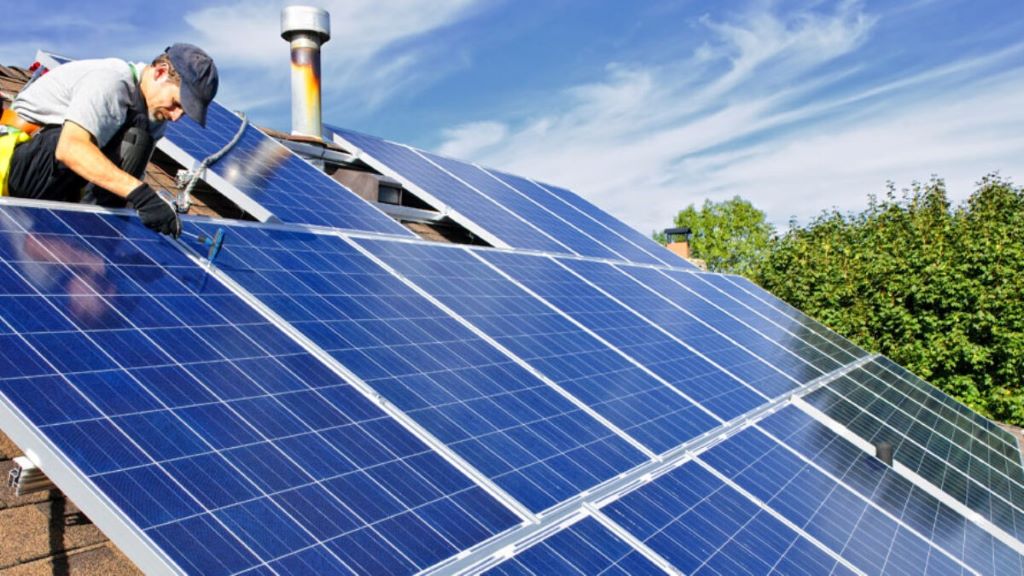
Can Older Roof Structures Support Solar Panels?
Solar panels add weight to your roof—typically 2–4 pounds per square foot. For most homes, this isn’t an issue, but older homes with weaker framing may require reinforcement.
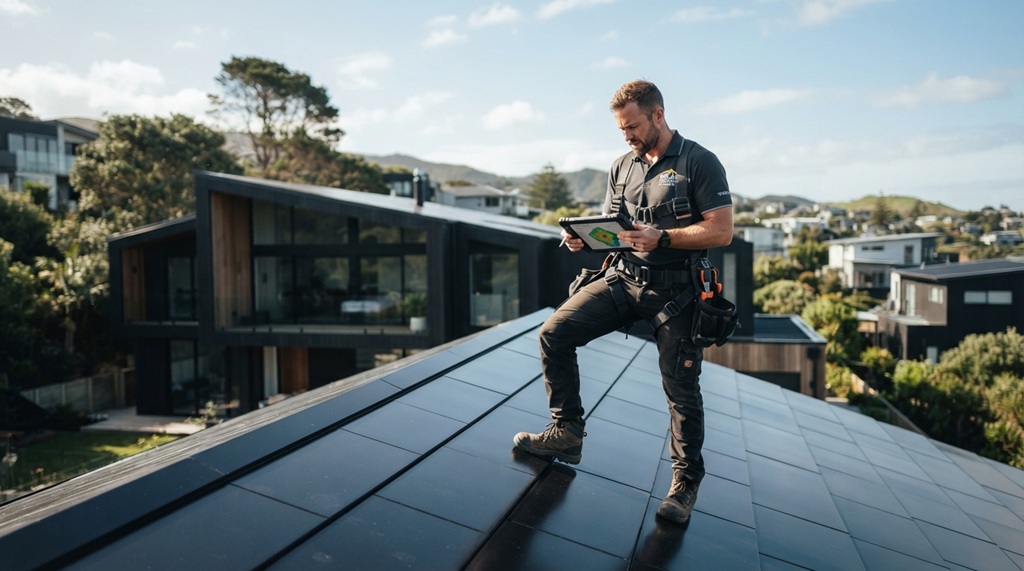
A licensed installer will assess:
- The strength of your rafters and trusses
- Roof pitch and angle
- Local building codes and permit requirements
In some cases, reinforcing the roof structure before installation may be necessary. While this adds cost upfront, it ensures safety and long-term stability.
What If Your Roof Isn’t Suitable for Solar?
Not every roof can support solar panels. If your roof is too old, structurally weak, or shaded by trees, there are still alternatives:
- Re-roofing before solar installation – The most common option for older homes. Many roofing companies work with solar providers to offer bundle deals.
- Ground-mounted solar systems – Panels installed on racks in your yard. Great for homes with large open spaces and poor roof conditions.
- Solar carports or sheds – Panels installed on new structures built for this purpose. These can also provide shade for vehicles or outdoor spaces.
Financial and Practical Considerations
Installing solar on an older roof isn’t just about feasibility—it’s about smart financial planning.
- Replacing your roof and installing solar together can sometimes qualify for tax credits or rebates, reducing costs.
- Solar incentives and net metering can offset electricity bills for decades.
- Bundled roofing and solar packages from some companies make the process seamless.
When comparing costs, remember: the added expense of re-roofing is often far less than removing and reinstalling panels later.
FAQs About Installing Solar on Older Roofs
- Can solar panels damage an old roof?
Not if installed properly. In fact, panels can protect the roof from weathering. The key is making sure the roof is in good condition before installation. - Should I replace my roof before getting solar?
Yes, if your roof has less than 10 years of life left. This prevents future costs of panel removal and reinstallation. - How long do roofs typically last with solar installed?
Solar panels don’t shorten roof life. Asphalt shingle roofs last about 20–25 years, while metal can last 40–70 years. - Can I get solar if my roof is flat?
Yes, but it requires specialized mounting to angle panels correctly for sunlight exposure. - Is there financing for roof and solar together?
Some installers and financing programs allow combined loans for roof replacement and solar installation.
Conclusion: Should You Install Solar on an Older Roof?
Yes, you can install solar on an older roof, but it depends on its condition, material, and lifespan. If your roof is near the end of its life, replacing it before adding solar is the smarter move. For roofs that are structurally sound and have at least 15–20 years of life left, installing solar now makes sense.
The bottom line: get a professional roof and solar inspection before making your decision. This ensures your home is ready for a long-term investment in clean, renewable energy.
Call to Action (CTA)
Thinking about going solar but worried about your older roof? Schedule a free roof and solar assessment today. A professional can help you decide whether to repair, replace, or go straight to solar installation. Don’t miss out on tax credits and long-term savings—take the first step toward energy independence now.
Related Topics:
Advanced Green Roofing Solutions for Combating Urban Heat Islands
Eco-Friendly Roofing Options: Sustainable Materials And Cost-Effective Choices