Your roof is more than just a cover over your head; it’s your home’s primary defense against the elements, a critical component of its structural integrity, and a significant factor in its overall value. Yet, for many homeowners, roof maintenance often falls by the wayside, largely due to the perception of it being an expensive and daunting task. The thought of costly repairs or a full roof replacement can lead to procrastination, which ironically, only makes future problems more severe and more expensive.
However, a healthy roof doesn’t have to come with a hefty price tag. The secret lies in proactive, affordable maintenance strategies that empower you to identify and address minor issues before they snowball into major headaches. This article will delve into practical, budget-friendly tips and DIY approaches that can significantly extend your roof’s lifespan, safeguard your home, and save you a substantial amount of money in the long run. By implementing these smart practices, you can ensure your roof remains a robust shield without draining your wallet.
Why Regular Roof Maintenance Matters
Neglecting your roof is akin to ignoring warning lights on your car’s dashboard – it might seem harmless at first, but it inevitably leads to breakdown and hefty repair bills. Regular roof maintenance is not an optional chore but a fundamental aspect of responsible homeownership, offering a multitude of benefits that extend far beyond simply keeping your home dry.
Firstly, consistent maintenance is the strongest deterrent against premature roof replacement. A well-cared-for roof can easily meet or even exceed its projected lifespan, postponing the need for a major capital expenditure that can run into thousands. By detecting and fixing small issues like loose shingles or minor cracks early, you prevent them from escalating into widespread damage that necessitates a complete overhaul. This directly translates into significant cost savings, as preventative measures are almost always less expensive than reactive repairs.
Beyond monetary savings, a well-maintained roof plays a crucial role in your home’s energy efficiency. Intact shingles, proper flashing, and adequate attic ventilation ensure your home is properly insulated, preventing heat loss in winter and heat gain in summer. This reduces the strain on your HVAC system, leading to lower energy consumption and noticeably smaller utility bills. Conversely, a compromised roof can lead to drafts, moisture intrusion, and inefficient temperature regulation, directly impacting your comfort and your wallet.
Furthermore, a healthy roof directly contributes to your home’s overall value and safety. It protects the entire structure from water damage, which can lead to rot, mold, and compromised foundations. A structurally sound roof also provides peace of mind, knowing your family and belongings are safe from adverse weather conditions. For those considering selling their home, a well-maintained roof is a significant selling point, enhancing curb appeal and preventing costly contingencies during inspections. Lastly, many roofing warranties stipulate regular maintenance as a condition for coverage. Failing to adhere to a maintenance schedule could void your warranty, leaving you financially exposed if a defect arises.
In essence, regular roof maintenance is a small investment of time and effort that yields enormous returns in terms of longevity, financial savings, energy efficiency, and overall home protection.
The Cornerstone of Budget Maintenance: Regular Inspections
The most effective and budget-friendly aspect of roof maintenance is regular inspection. You can identify potential problems early on, often before they require professional intervention or cause significant damage. A thorough inspection should be conducted at least twice a year – typically in the spring and fall – and always after any severe weather event like heavy storms, high winds, or hail.
DIY Ground-Level Inspection
Most of your roof inspection can be done safely and effectively from the ground using a good pair of binoculars. Walk around the perimeter of your house and meticulously examine every visible part of your roof. Here’s what to look for:
Missing, Cracked, or Curling Shingles:
These are clear indicators of wear and tear or storm damage. Missing shingles expose the underlying roof deck to water, while cracked or curling ones lose their protective integrity.
Granule Loss:
Check your gutters and the ground around your downspouts for an excessive accumulation of shingle granules. While some granule loss is normal with aging asphalt shingles, a significant amount can indicate that your shingles are deteriorating and losing their protective UV coating.
Sagging Areas or Uneven Roofline:
A noticeable sag or dip in your roofline can signal serious structural issues, such as compromised decking or rafters due to water damage. This requires immediate professional attention.
Moss, Algae, or Lichen Growth:
These organisms thrive in damp, shaded areas. While algae primarily causes unsightly black streaks, moss can trap moisture against the roof surface, leading to shingle deterioration and rot. Lichen, a combination of algae and fungus, also holds moisture and can be more difficult to remove.
Damaged or Clogged Gutters and Downspouts:
Gutters are designed to channel water away from your roof and foundation. If they are clogged with leaves, twigs, and other debris, water can back up onto your roof, seep under shingles, or overflow and damage fascia boards and your home’s foundation. Look for visible debris, sagging gutters, or water stains on the siding below them.
Issues with Flashing:
Flashing is the metal material installed around roof penetrations like chimneys, vents, skylights, and in valleys where two roof planes meet. It’s crucial for preventing water intrusion. Look for any signs of rust, corrosion, lifting, cracking, or deterioration in the sealant around these areas.
Overhanging Tree Branches:
Branches too close to your roof pose a significant threat. They can scrape against the roof surface, leading to shingle wear, or fall during storms, causing direct impact damage. They also create shade, fostering moss and algae growth.
Debris on the Roof Surface:
Leaves, twigs, and other organic debris can accumulate, especially in valleys and around dormers, trapping moisture and encouraging vegetative growth.
Take photos of any suspicious areas. This documentation can be helpful for tracking issues over time or for showing to a professional roofer.
Attic Inspection

Don’t forget to inspect your roof from the inside! Your attic can provide early warning signs of roof issues that aren’t yet visible from the exterior. Grab a flashlight and look for:
Water Stains on Ceilings or Walls: Any discoloration, bubbling paint, or damp spots on the attic ceiling, interior ceilings, or upper walls are strong indicators of a roof leak.
Mold or Mildew: The presence of mold or mildew in the attic signals excessive moisture, likely from a leak or poor ventilation.
Dripping Sounds: Listen for any sounds of dripping water, especially during or after rain.
Damp Insulation: Check the insulation for any wet or compressed areas, which can indicate water penetration.
When to Call a Professional
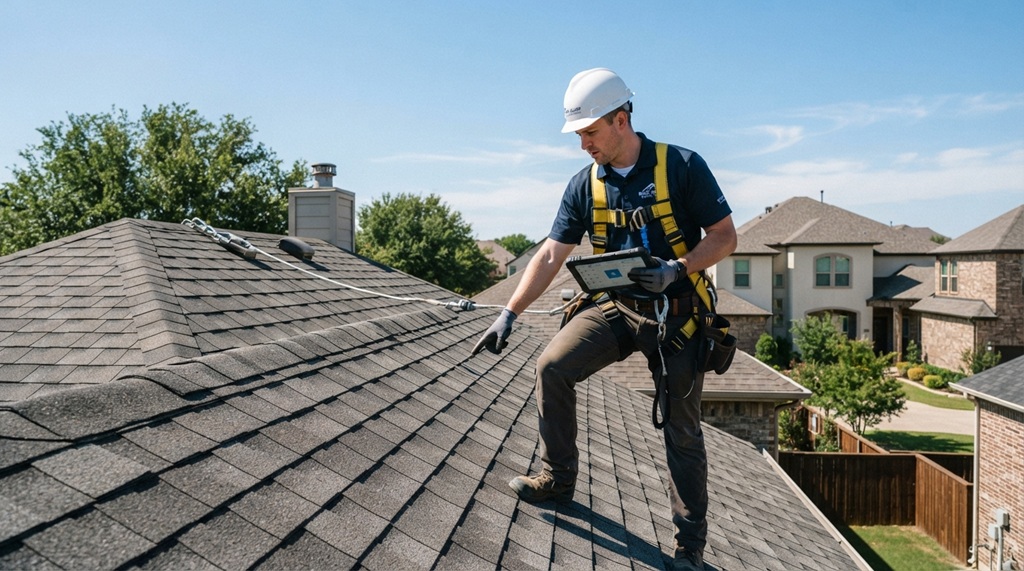
While ground-level inspections are valuable, never compromise your safety. If your roof is too steep, you’re uncomfortable with heights, or you suspect significant damage that requires walking on the roof, it’s always best to call a professional roofer for a thorough inspection. They have the experience, equipment, and safety gear to assess the situation properly.
Budget-Friendly DIY Maintenance Tasks
Once you’ve completed your inspections and identified minor issues, many routine maintenance tasks can be tackled effectively and affordably as a DIY project.
Gutter and Downspout Cleaning
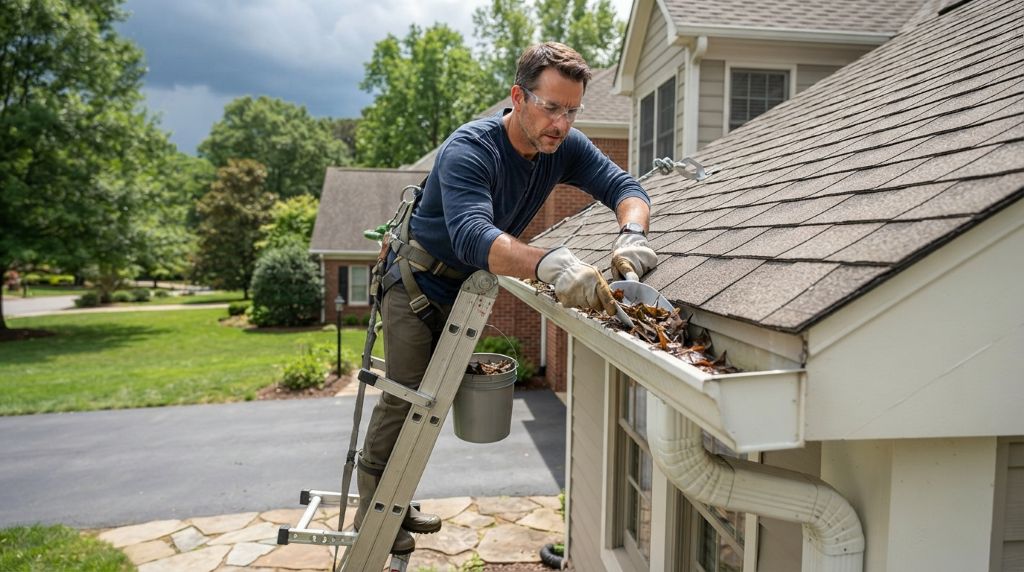
This is perhaps the most crucial and easiest DIY maintenance task. Clogged gutters prevent rainwater from draining properly, causing it to back up under shingles, seep into fascia boards, and even damage your home’s foundation.
Frequency: Clean your gutters at least twice a year, usually in late spring after tree pollen and seeds fall, and in late fall after leaves have dropped. If you have many trees around your home, you might need to do it more frequently.
Method: Use a sturdy ladder, gloves, and a gutter scoop or trowel to remove leaves, twigs, and other debris. Once clear, flush the gutters and downspouts with a garden hose to ensure they are free-flowing. Look for any leaks, rust, or loose connections.
Budget Tip: Consider installing inexpensive gutter guards. While not entirely maintenance-free, they significantly reduce debris buildup and the frequency of cleaning.
Debris Removal
Accumulated leaves, branches, and dirt on your roof’s surface can trap moisture, leading to the growth of moss, algae, and eventually rot and shingle deterioration.
Method: Use a soft-bristled broom or a leaf blower to gently clear debris, especially from roof valleys, around vents, and in any flat areas where water might collect.
Caution: Avoid using harsh tools or pressure washers, as they can damage shingles, strip granules, or force water under the roofing material.
Trimming Overhanging Branches
This preventative measure can save you from significant roof damage.
Importance: Branches scraping against your roof can wear down shingles over time. More critically, dead or overgrown branches can fall during storms, causing punctures or structural damage. Overhanging branches also cast shade, creating a damp environment conducive to moss and algae growth.
Safety Considerations: For large or difficult-to-reach branches, it’s always safer and more effective to hire a professional arborist. They have the specialized equipment and expertise to trim trees safely without damaging your property.
Moss and Algae Treatment
While algae primarily causes unsightly black streaks, moss is more problematic as it traps moisture, leading to shingle deterioration.
Budget-Friendly Methods:
Vinegar Solution: Mix equal parts white vinegar and water in a spray bottle. Apply to affected areas on a dry, overcast day, letting it sit for a few hours before gently scrubbing with a soft brush and rinsing with water.
Hydrogen Peroxide: A solution of hydrogen peroxide can also be effective. Spray it directly onto the moss/algae and let it sit.
Zinc or Copper Strips: For long-term prevention, installing zinc or copper strips along the ridge of your roof can inhibit growth. Rainwater washes over these metals, creating an environment inhospitable to moss and algae.
Caution: Never use bleach, harsh chemicals, or high-pressure washing, as these can damage your roof and void warranties.
Minor Shingle Repairs
Addressing small shingle issues promptly can prevent them from escalating.
DIY Scope: If you have a few loose shingles, you can often reattach them using roofing cement. For small cracks, a dab of roofing cement can temporarily seal the area. For a few missing asphalt shingles, you can often find matching replacements at a hardware store and carefully slide them into place, securing with roofing nails and cement.
Materials: Roofing cement (found in a caulk gun tube), asphalt shingles, roofing nails.
When to Seek Professional Help: If you have extensive shingle damage, multiple missing shingles, or if you’re uncomfortable working on your roof, it’s time to call a professional.
Sealing and Caulking
Vulnerable areas like flashing around chimneys, skylights, and vents are prone to leaks as their seals deteriorate over time.
Method: During your inspections, pay close attention to the caulk or sealant around these penetrations. If you notice any cracks, gaps, or signs of deterioration, carefully remove the old sealant and apply a new bead of exterior-grade caulk or roofing sealant. Ensure the surface is clean and dry before application.
Materials: Good quality exterior-grade caulk or roofing sealant.
Ensuring Proper Ventilation
Proper attic ventilation is crucial for your roof’s health and your home’s energy efficiency. Poor ventilation can lead to heat and moisture buildup in the attic, which can warp decking, damage shingles, and promote mold growth.
Method: Periodically check that your attic vents (soffit, ridge, gable, or static vents) are not blocked by insulation, debris, or bird nests. Ensure there’s a clear path for air to flow.
Smart Choices for Budget-Conscious Repairs
Even with diligent maintenance, some repairs might be necessary. Making smart choices here can still keep costs down.
Prioritize Repairs: Address critical issues like active leaks immediately. Postponing these can lead to far more extensive and expensive interior damage.
Material Selection: When repairs or replacements are unavoidable, consider cost-effective materials. Asphalt shingles remain the most budget-friendly option for residential roofs. While metal roofing has a higher upfront cost, its exceptional durability and longevity often result in long-term savings due to minimal maintenance and a longer lifespan.
Patching vs. Replacement: For isolated damage, a targeted patch repair is often sufficient and much cheaper than replacing an entire section of the roof. However, if the damage is widespread, recurrent, or indicates underlying structural issues, a more extensive repair or partial replacement might be the more economical long-term solution. A professional assessment can guide this decision.
Get Multiple Quotes: For any professional work, always obtain at least three detailed quotes from reputable, licensed, and insured roofing contractors. Compare not just the price, but also the scope of work, materials used, and warranty offered.
Battling the Blizzard: Mastering Snow Buildup Prevention on Your Roof
Conclusion
Your roof is a critical investment in your home’s protection and value. While the thought of roof maintenance can seem daunting, it doesn’t have to be a budget-breaker. By embracing a proactive approach that includes regular, diligent inspections and a commitment to affordable DIY tasks, you can significantly extend your roof’s lifespan and prevent minor issues from turning into costly disasters.
Invest a little time and effort now, and your roof will continue to stand as a resilient shield for years to come, ensuring the safety and comfort of your home without the financial strain.
Read More: