
Storm season brings unique challenges for homeowners, particularly when it comes to roof maintenance. However, preventing roofing problems before severe weather strikes can save thousands in repair costs. Last year, I witnessed my neighbor’s preventable roof failure during a moderate storm, resulting in $15,000 in damage that could have been avoided with simple maintenance.
Additionally, understanding common roofing vulnerabilities helps protect your investment. Therefore, this guide covers eight critical roofing problems that demand attention before the next storm hits your area. Moreover, early detection and prevention ensure your family stays safe and dry when severe weather arrives.
Why Storm Preparation Matters for Your Roofing System
Storm damage to roofs costs American homeowners billions annually. According to the National Storm Damage Center, severe weather causes over $1 billion in property damage each year, with roofing problems accounting for 70% of insurance claims. Furthermore, preventive maintenance reduces repair costs by up to 85% compared to emergency fixes.
Additionally, storms expose existing weaknesses in roofing systems. Therefore, addressing these vulnerabilities beforehand protects your home’s structural integrity. Moreover, proper preparation extends your roof’s lifespan significantly.
Problem 1: Missing or Damaged Roofing Shingles Create Vulnerability
Missing shingles represent one of the most common roofing problems homeowners face. However, even small gaps allow water infiltration during storms. Additionally, damaged shingles lose their protective capabilities, exposing underlying materials to moisture.
Wind uplift during storms targets loose or compromised shingles first. Therefore, inspect your roof regularly for curled, cracked, or missing pieces. Moreover, replacing damaged shingles costs significantly less than repairing water damage later.
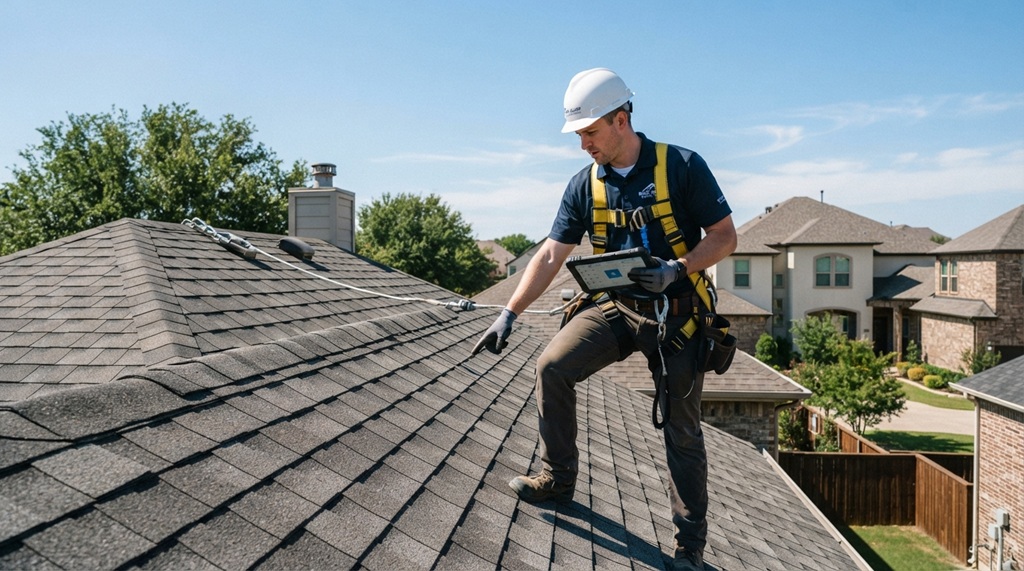
Professional roofers recommend checking shingles twice yearly. Furthermore, look for granule loss, which indicates aging materials. Additionally, photograph any damage for insurance documentation purposes.
Problem 2: Clogged Gutters Lead to Serious Water Damage Issues
Clogged gutters create cascading problems during storm events. However, many homeowners overlook this critical maintenance task. Additionally, blocked drainage systems cause water to back up under roofing materials.
Debris accumulation in gutters weighs down the entire system. Therefore, regular cleaning prevents structural damage to fascia boards. Moreover, proper water flow protects your home’s foundation from erosion.
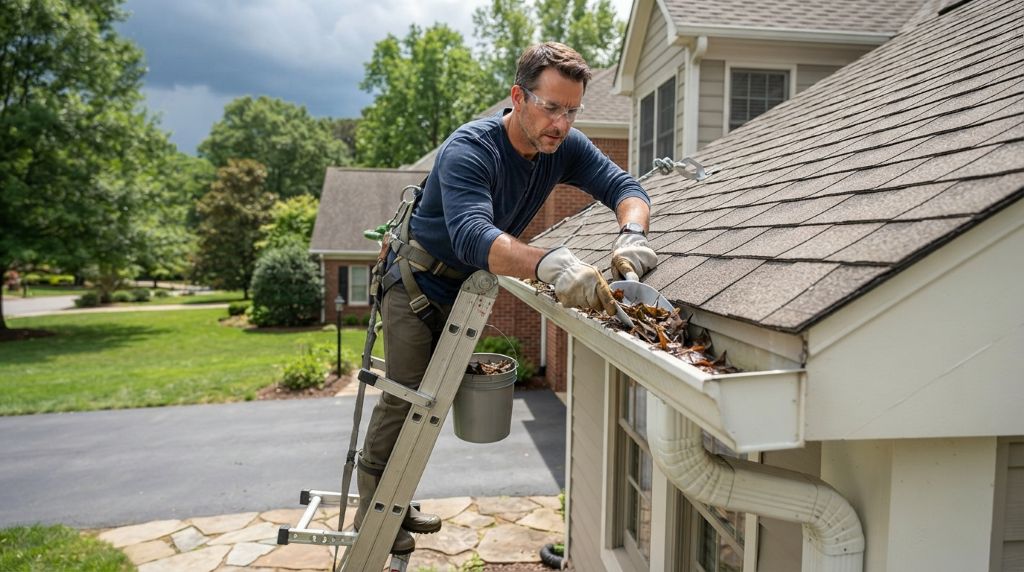
Clean gutters at least twice yearly, preferably in spring and fall. Furthermore, install gutter guards to reduce maintenance frequency. Additionally, ensure downspouts direct water away from your home’s foundation.
Problem 3: Flashing Deterioration Around Roof Penetrations Causes Leaks
Flashing around chimneys, vents, and skylights commonly fails over time. However, deteriorated flashing allows water entry at vulnerable points. Additionally, storms increase pressure on these already compromised seals.
Metal flashing expands and contracts with temperature changes. Therefore, cracks develop along joints and seams gradually. Moreover, improper installation accelerates flashing failure rates significantly.
Inspect flashing annually for rust, cracks, or separation. Furthermore, caulk small gaps immediately to prevent expansion. Additionally, consider professional replacement for severely damaged sections before storm season arrives.
Problem 4: Ice Dam Formation During Winter Storm Conditions
Ice dams form when warm air melts roof snow unevenly. However, refreezing at roof edges creates barriers that trap water. Additionally, trapped water backs up under shingles, causing interior damage.
Poor attic insulation contributes to ice dam formation. Therefore, proper ventilation and insulation prevent temperature variations. Moreover, consistent roof temperatures eliminate the freeze-thaw cycle that creates these problems.
Install adequate attic insulation to prevent heat loss. Furthermore, ensure proper ventilation through ridge and soffit vents. Additionally, remove snow buildup after heavy storms to prevent ice dam formation.

Problem 5: Tree Branch Hazards Threaten Roofing System Integrity
Overhanging branches pose significant risks during storm events. However, many homeowners ignore this preventable hazard. Additionally, falling branches can puncture roofing materials or damage gutters.
Wind-driven branches act like battering rams against roofing surfaces. Therefore, trimming trees regularly reduces storm damage potential. Moreover, removing dead or diseased branches eliminates the greatest threats.
Maintain at least six feet of clearance between branches and roofing. Furthermore, hire certified arborists for large tree maintenance. Additionally, remove any branches showing signs of disease or decay immediately.
Problem 6: Attic Ventilation Problems Create Multiple Roofing Issues
Poor attic ventilation creates numerous roofing problems over time. However, adequate airflow prevents moisture buildup and temperature extremes. Additionally, proper ventilation extends shingle life significantly.
Insufficient ventilation causes ice dams in winter months. Therefore, balanced intake and exhaust systems maintain consistent temperatures. Moreover, good ventilation prevents mold growth in attic spaces.
Install ridge vents and soffit vents for optimal airflow. Furthermore, calculate ventilation needs based on attic square footage. Additionally, clear any blocked vents to restore proper air circulation.
Problem 7: Roof Age and Material Deterioration Increase Storm Vulnerability
Aging roofing materials lose their storm resistance gradually. However, recognizing deterioration signs helps prevent catastrophic failures. Additionally, older roofs require more frequent inspections and maintenance.
Asphalt shingles typically last 20-25 years under normal conditions. Therefore, roofs approaching this age need extra attention before storms. Moreover, extreme weather accelerates aging in all roofing materials.
Document your roof’s age and maintenance history carefully. Furthermore, schedule professional inspections for roofs over 15 years old. Additionally, budget for replacement before materials fail completely during severe weather.
Problem 8: Structural Issues Compromise Overall Roofing System Performance
Hidden structural problems weaken entire roofing systems gradually. However, these issues often go unnoticed until storms expose them. Additionally, sagging areas indicate serious underlying problems.
Roof decking deterioration compromises the entire system’s integrity. Therefore, professional inspections identify structural weaknesses early. Moreover, addressing these problems prevents catastrophic failures during storms.
Look for visible sagging or uneven rooflines from ground level. Furthermore, check for interior water stains indicating leaks. Additionally, hire structural engineers for suspected serious problems.
Creating Your Pre-Storm Roofing Maintenance Checklist
Systematic preparation prevents most storm-related roofing problems effectively. However, timing your maintenance efforts maximizes protection. Additionally, documenting your efforts helps with insurance claims.
Essential Pre-Storm Tasks:
- Inspect and replace damaged shingles immediately
- Clean gutters and downspouts thoroughly
- Check flashing around all roof penetrations
- Trim overhanging tree branches properly
- Ensure adequate attic ventilation systems
- Document existing damage with photographs
- Schedule professional inspections for older roofs
- Review insurance coverage for storm damage
When to Call Professional Roofing Contractors
Certain roofing problems require professional expertise for safe resolution. However, homeowners can handle basic maintenance tasks safely. Additionally, knowing your limitations prevents dangerous situations.
Contact professionals for structural repairs, electrical work near roofing, or extensive damage. Furthermore, steep roofs and multi-story homes require specialized equipment. Additionally, warranty considerations may require professional installation.
Conclusion
Preventing roofing problems before storms arrive protects your home and family effectively. However, systematic preparation requires consistent effort throughout the year. Additionally, early intervention saves significant money compared to emergency repairs.
Therefore, implement these eight prevention strategies to safeguard your roofing system. Moreover, regular maintenance extends your roof’s lifespan while reducing storm vulnerability. Remember, a well-maintained roof provides peace of mind during severe weather events.
Take action today by inspecting your roofing system and addressing any identified problems. Furthermore, establish a maintenance schedule to keep your roof storm-ready year-round.
Have you experienced roofing problems during storms? Share your experiences in the comments below and help other homeowners learn from your situation. Additionally, share this article with neighbors who might benefit from these prevention tips.
Frequently Asked Questions
How often should I inspect my roof for potential problems?
Inspect your roof twice yearly, ideally in spring and fall. Additionally, check after severe weather events for new damage.
What are the most common signs of roofing problems I can spot from the ground?
Look for missing shingles, sagging areas, clogged gutters, and overhanging branches. Furthermore, check for granules in gutters after storms.
How much does preventive roof maintenance typically cost compared to storm repairs?
Preventive maintenance costs 15-20% of emergency repair expenses. Therefore, annual maintenance saves thousands in potential damage costs.
Can I safely perform basic roof maintenance myself?
Simple tasks like gutter cleaning and visual inspections are manageable for most homeowners. However, avoid walking on roofs or electrical work.
When should I consider complete roof replacement before storm season?
Replace roofs over 20 years old showing significant deterioration. Additionally, consider replacement if repair costs exceed 30% of replacement value.
Read more: