
California’s mountainous regions experience significant snowfall each winter, creating unique challenges for homeowners. Ice dams on roofs pose serious threats to property in areas like the Sierra Nevada, Lake Tahoe, and other snow zones throughout the state. These frozen barriers can cause extensive water damage, structural issues, and costly repairs if left unchecked.
Understanding how to prevent ice dams becomes crucial for protecting your investment. This comprehensive guide provides proven strategies specifically tailored for California residents living in snow-prone areas. Additionally, we’ll explore practical solutions that work effectively in the state’s diverse climate conditions. Therefore, implementing these prevention methods will safeguard your home throughout the winter months.
Understanding Ice Dams and Their Formation Process
Ice dams form when snow on your roof melts unevenly, creating a cycle of freezing and thawing. However, the process begins with heat escaping from your home’s interior, warming the roof surface above living spaces. This heat melts snow, which then flows down toward the cooler eaves where it refreezes.
Subsequently, this ice buildup creates a barrier that prevents proper drainage. Water backs up behind the dam, potentially seeping under shingles and into your home. Furthermore, the weight of accumulated ice can stress your roof structure beyond its design limits.
California’s snow zones present unique conditions that accelerate ice dam formation. Mountain regions experience dramatic temperature swings, with sunny days melting snow rapidly followed by freezing nights. Therefore, homeowners must understand these patterns to implement effective prevention strategies.
Identifying California’s High-Risk Snow Zone Areas
The Sierra Nevada mountain range represents California’s primary ice dam risk zone. Areas above 3,000 feet elevation regularly receive substantial snowfall, with some locations getting over 400 inches annually. Lake Tahoe, Mammoth Lakes, and Truckee exemplify communities where ice dam prevention becomes essential for homeowners.
Northern California’s Cascade Range also presents significant risks. Mount Shasta and surrounding communities experience heavy snow loads that create ideal conditions for ice dam formation. Additionally, the San Bernardino Mountains in Southern California receive enough snowfall to warrant preventive measures.
According to the California Department of Water Resources, mountain snowpack typically accounts for 30% of the state’s annual water supply. However, this same snowpack creates challenges for residents living in these beautiful but demanding environments. Therefore, understanding your specific risk level helps determine appropriate prevention strategies.
Essential Roof Insulation Strategies for Prevention
Proper attic insulation serves as your first line of defense against ice dam formation. The key principle involves maintaining consistent roof surface temperatures to prevent uneven snow melting. Adequate insulation keeps warm air inside your home rather than allowing it to heat the roof deck.
California building codes require specific R-values for different climate zones. Mountain areas typically need R-38 to R-49 insulation in attics to meet energy efficiency standards. However, older homes often fall short of these requirements, making upgrades necessary for effective ice dam prevention.
Installing baffles ensures proper airflow between insulation and roof decking. These channels prevent insulation from blocking eave vents while maintaining thermal barriers. Furthermore, sealing air leaks around electrical penetrations, plumbing vents, and other openings prevents warm air from reaching the roof surface.
Ventilation Systems That Work in Mountain Climates
Balanced ventilation systems prove most effective in California’s snow zones. Ridge vents combined with soffit vents create natural airflow that keeps roof temperatures consistent. This continuous air movement prevents hot spots that cause uneven snow melting patterns.
Proper ventilation requires one square foot of net free area for every 150 square feet of attic space. However, many homes lack adequate intake vents at the eaves, creating imbalanced systems. Adding soffit vents or under-eave intake vents corrects this common problem.
Powered ventilation fans can supplement natural airflow in challenging situations. However, these systems work best when combined with adequate passive ventilation rather than replacing it entirely. Therefore, consulting with local roofing professionals ensures optimal ventilation design for your specific situation.
Professional Installation of Heat Cables and De-icing Systems
Heat cables provide targeted ice dam prevention for vulnerable roof areas. These electrical systems melt ice along eaves, gutters, and downspouts where dams typically form. Professional installation ensures proper placement and electrical safety compliance.
Self-regulating heat cables adjust their output based on temperature conditions. This technology prevents overheating while providing consistent ice melting when needed. Additionally, these systems consume less energy than constant-wattage alternatives, reducing operational costs.
California’s electrical codes require GFCI protection for all outdoor heating elements. Licensed electricians should install these systems to ensure code compliance and safety. Furthermore, proper installation includes weatherproof connections and appropriate cable spacing for effective ice prevention.

Gutter Maintenance and Drainage Solutions
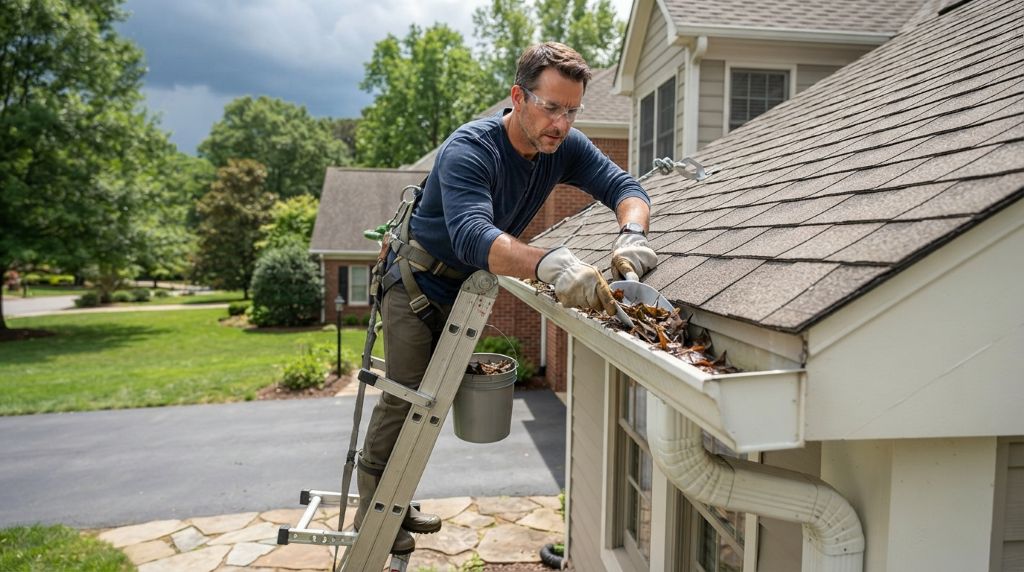
Clean gutters enable proper water drainage, reducing ice dam formation risks. Clogged gutters trap water that freezes, creating the foundation for ice dams to develop. Regular cleaning before winter weather arrives prevents these issues from starting.
Installing gutter guards reduces maintenance requirements while improving drainage efficiency. These systems prevent leaves and debris from accumulating while allowing water to flow freely. However, guards must be compatible with snow loads common in California’s mountain regions.
Heated gutter systems provide active ice prevention for chronically problematic areas. These installations include heating elements in both gutters and downspouts to maintain drainage throughout winter. Therefore, combining heated systems with proper insulation creates comprehensive ice dam protection.
Effective Snow Removal Techniques for Homeowners
Safe snow removal requires proper tools and techniques to avoid roof damage. Roof rakes with telescoping handles allow ground-based snow removal without climbing onto slippery surfaces. Removing snow within 24 hours of storms prevents accumulation that leads to ice dam formation.
Focus removal efforts on the first three to four feet from the roof edge. This area represents the most critical zone where ice dams typically develop. However, avoid using sharp tools or aggressive scraping that might damage shingles or roofing materials.
Professional snow removal services provide safe alternatives for steep or high roofs. These specialists have appropriate equipment and experience for challenging situations. Additionally, they understand how much snow to remove without compromising roof integrity or creating other problems.
Recognizing Early Warning Signs of Ice Dam Development
Icicles hanging from gutters often indicate ice dam formation beginning. While small icicles are normal, large formations suggest drainage problems that require attention. Monitor these formations throughout winter storms for changes in size or location.
Interior water stains or drips signal that ice dams have already caused damage. Check ceilings and walls in rooms below the roof edge regularly during winter months. However, some leaks only appear when ice melts, making detection challenging until damage occurs.
Exterior ice buildup along roof edges provides visible evidence of dam formation. Use binoculars to safely inspect roof conditions from the ground after storms. Therefore, early detection allows for prompt action before significant damage occurs.
Common Mistakes Homeowners Make During Winter
Many homeowners attempt dangerous roof climbing during icy conditions. This approach creates serious injury risks without effectively addressing ice dam causes. Instead, focus on ground-based prevention and removal techniques that provide safer alternatives.
Using salt or chemical ice melts on roofs damages shingles and vegetation below. These products create environmental concerns while providing only temporary solutions. However, calcium chloride ice melt can be used sparingly in emergencies when applied in mesh bags or socks.
Ignoring ventilation and insulation issues leads to recurring ice dam problems. Band-aid solutions like heat cables work temporarily but don’t address root causes. Therefore, comprehensive prevention strategies provide long-term solutions that save money and prevent damage.
Key Prevention Mistakes to Avoid:
- Climbing on icy roofs without proper safety equipment
- Using sharp tools that damage roofing materials
- Applying salt or harsh chemicals to roof surfaces
- Relying solely on heating systems without addressing insulation
- Waiting until ice dams form before taking action
- Blocking ventilation with excessive insulation
- Installing heat cables without professional guidance
Cost-Effective Solutions for Different Budget Levels
Basic prevention starts with improving attic insulation and sealing air leaks. These improvements typically cost $1,500 to $3,500 for average homes but provide immediate benefits. DIY installation reduces costs while delivering effective ice dam prevention.
Mid-range solutions include professional ventilation improvements and gutter upgrades. These projects range from $2,500 to $6,000 depending on home size and complexity. However, long-term energy savings often offset initial investment costs within several years.
Premium systems incorporate heated gutters, professional snow removal services, and comprehensive weatherization. These solutions cost $5,000 to $15,000 but provide maximum protection for valuable properties. Therefore, investment levels should match both budget constraints and risk exposure.
Professional Services Versus DIY Approaches
Licensed contractors provide expertise for complex ventilation and insulation projects. Their knowledge of building codes and local conditions ensures proper installation and performance. Additionally, professional work often includes warranties that protect your investment.
DIY approaches work well for basic maintenance and simple improvements. Homeowners can install additional insulation, seal air leaks, and maintain gutters with proper guidance. However, electrical work and major structural modifications require professional expertise.
Combining professional and DIY approaches often provides optimal results. Have contractors address complex systems while handling routine maintenance yourself. Therefore, this hybrid approach balances cost savings with technical expertise for comprehensive ice dam prevention.
Seasonal Maintenance Schedule for Year-Round Protection
Spring maintenance focuses on assessing winter damage and planning improvements. Inspect roofing materials, gutters, and ventilation systems for issues that need attention. Document problems and prioritize repairs based on urgency and budget considerations.
Summer provides ideal conditions for major improvements like insulation upgrades and ventilation installations. Dry weather allows thorough work without weather-related delays. Additionally, contractors often offer better scheduling and pricing during off-peak seasons.
Fall preparation includes gutter cleaning, final inspections, and emergency supply preparation. Test heating systems and ensure snow removal tools are readily available. Therefore, thorough fall preparation prevents winter emergencies and enables quick response when needed.
Monthly Maintenance Checklist:
- October: Clean gutters and inspect roof condition
- November: Test heat cables and stock emergency supplies
- December: Monitor weather forecasts and remove snow promptly
- January: Check for ice dam formation and interior leaks
- February: Continue monitoring and address any developing issues
- March: Assess winter damage and plan spring repairs
Emergency Response When Ice Dams Form
Immediate action focuses on preventing interior water damage when ice dams develop. Move valuable items away from affected areas and place containers to catch dripping water. Document damage with photographs for insurance purposes.
Professional ice dam removal services provide safe, effective solutions for active problems. Steam removal techniques melt ice without damaging roofing materials. However, these services cost $300 to $600 per hour but prevent thousands in water damage.
Temporary heat sources like roof heating cables can provide emergency relief. Install these systems according to manufacturer instructions and local electrical codes. Therefore, emergency measures buy time for permanent solutions while preventing additional damage.
Long-Term Prevention Investment Strategies
Comprehensive weatherization provides the most effective long-term ice dam prevention. This approach addresses insulation, ventilation, air sealing, and drainage systems together. Initial investments range from $5,000 to $12,000 but eliminate recurring ice dam problems.
Energy efficiency rebates and tax credits offset improvement costs in many situations. California utilities offer rebates for insulation and ventilation upgrades that improve energy performance. Additionally, federal tax credits apply to qualifying energy efficiency improvements.
Property value increases often exceed improvement costs in California’s mountain communities. Proper winterization makes homes more attractive to buyers while reducing insurance risks. Therefore, prevention investments provide both immediate protection and long-term financial benefits.
Conclusion
Preventing ice dams on your roof in California’s snow zones requires comprehensive planning and consistent maintenance. Understanding formation processes, implementing proper insulation and ventilation, and maintaining drainage systems provide effective protection. Additionally, combining professional expertise with DIY maintenance creates cost-effective prevention strategies.
Early action prevents costly damage while ensuring your home remains comfortable throughout winter months. Therefore, implementing these proven techniques protects your investment while reducing stress during challenging weather conditions. Remember that prevention costs significantly less than repair work after ice dam damage occurs.
Take action now to assess your home’s ice dam risk and implement appropriate prevention measures. Your proactive approach will pay dividends when winter storms test your roof’s defenses against California’s challenging mountain weather conditions.
Frequently Asked Questions
What causes ice dams to form on roofs in California’s mountains?
Ice dams form when heat from inside your home melts snow on the roof, which then refreezes at the cooler eaves. This creates a barrier that prevents proper drainage and can cause water to back up under shingles.
How much does professional ice dam prevention cost in California?
Basic prevention measures like insulation improvements cost $1,500-$3,500, while comprehensive solutions including heated systems range from $5,000-$15,000 depending on home size and complexity.
Can I safely remove ice dams myself?
While you can safely remove snow with roof rakes from the ground, active ice dam removal requires professional equipment and expertise. Attempting to climb on icy roofs creates serious injury risks.
What’s the most effective long-term ice dam prevention strategy?
Proper attic insulation combined with balanced ventilation provides the most effective prevention. This approach maintains consistent roof temperatures to prevent uneven snow melting that creates ice dams.
Do heat cables work effectively in California’s snow zones?
Heat cables provide effective targeted prevention when professionally installed and combined with proper insulation. However, they work best as part of comprehensive prevention strategies rather than standalone solutions.
Ready to protect your home from ice dams this winter? Share your experiences with ice dam prevention in the comments below, and don’t forget to share this article with neighbors in California’s snow zones who might benefit from these proven strategies!
Read More: