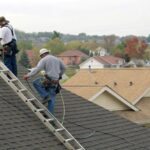
Your roof is arguably the most crucial component of your home’s exterior, silently standing guard against the elements and protecting your most valuable asset. Yet, it’s often the most overlooked. Homeowners frequently question whether regular roof maintenance is a worthwhile investment or an unnecessary expense. The answer, unequivocally, is that roof maintenance is not just worth it, it’s essential. This article delves into a comprehensive cost vs. benefit analysis, highlighting why proactive roof care is a smart financial decision that extends far beyond immediate repairs.
The True Cost of Neglect: A Leaky Wallet and Lingering Headaches
To truly appreciate the value of maintenance, one must first understand the severe financial and structural repercussions of neglecting your roof. Ignoring minor issues can lead to a domino effect of increasingly expensive problems:
Escalating Repair Costs:
A small crack or a few loose shingles might seem insignificant, but they are open invitations for water infiltration. What could have been a minor repair costing a few hundred dollars can quickly escalate into thousands as water seeps into the roof deck, insulation, and even the interior of your home. Rotted wood, damaged rafters, and compromised structural integrity are far more complex and costly to address than replacing a few shingles.
Extensive Water Damage:
Leaks are the most immediate and visible consequence of roof neglect. Water stains on ceilings and walls, bubbling paint, and warped flooring are just the tip of the iceberg. Prolonged water exposure can lead to significant damage to drywall, electrical systems, and even the foundation of your home. Personal belongings, furniture, and electronics can also be irreparably damaged, leading to further financial loss and emotional distress.
Mold and Mildew Infestations:
Moisture from leaks creates a perfect breeding ground for mold and mildew. Beyond being unsightly and unpleasant, mold poses serious health risks, triggering allergies, respiratory issues, and other ailments. Professional mold remediation is a costly and time-consuming process, and if the source of the moisture (the roof leak) isn’t addressed, the problem will simply return.
Decreased Energy Efficiency:
A compromised roof is a direct assault on your home’s energy efficiency. Damaged or wet insulation loses its effectiveness, allowing conditioned air to escape in summer and heat to flee in winter. This forces your HVAC system to work harder, leading to consistently higher utility bills. The gradual increase in monthly expenses might seem small, but over time, the cumulative impact on your budget becomes undeniable.
Structural Deterioration:
Beyond the surface, a neglected roof can compromise the very bones of your house. Chronic water intrusion can lead to wood rot in the roof deck, trusses, and support beams, jeopardizing the structural stability of your entire home. In severe cases, this can necessitate temporary relocation during extensive renovations, incurring additional living expenses and significant financial strain.
Pest Infestations:
Holes, gaps, and deteriorated sections of a neglected roof provide easy access for pests like rodents, insects, and birds. These unwelcome visitors can cause further damage to your home, contaminate insulation, and create health hazards. The cost of professional pest control services, coupled with repairs for the damage they inflict, adds another layer to the expenses of neglect.
Voided Warranties:
Many roofing manufacturers offer warranties that are contingent on proper installation and regular maintenance. Neglecting your roof can void these warranties, leaving you solely responsible for the full cost of any repairs or replacements that arise. This removes a crucial layer of financial protection and can result in significant out-of-pocket expenses.
Decreased Property Value and Sales Challenges:
A visibly damaged or neglected roof is a major red flag for potential buyers. It immediately signals a lack of upkeep and the likelihood of significant future expenses, thereby reducing your home’s market value. Even if you manage to find a buyer, you’ll likely face lower offers and prolonged negotiations over the cost of roof repairs, potentially delaying or even derailing a sale.
The Irrefutable Benefits of Proactive Roof Maintenance: An Investment, Not an Expense
When viewed against the backdrop of potential catastrophic costs, the benefits of regular roof maintenance shine brightly. It’s an investment that pays dividends in longevity, savings, and peace of mind.
Extended Roof Lifespan:
This is perhaps the most significant benefit. Just like a car needs regular oil changes to last, a roof needs consistent attention. Regular inspections and timely repairs of minor issues prevent them from escalating, significantly prolonging the life of your roof. A well-maintained roof can last up to 50% longer than one that is neglected, pushing back the expensive prospect of a full roof replacement by many years, even decades.
Significant Cost Savings:
While professional roof maintenance comes with an upfront cost, it pales in comparison to the expense of major repairs or a full replacement. By addressing small problems early, you avoid the need for costly emergency fixes and comprehensive overhauls. Think of it as preventative medicine for your home – a small regular dose keeps major illnesses at bay.
Prevention of Leaks and Water Damage:
The primary function of your roof is to keep water out. Regular maintenance ensures that this function remains uncompromised. Inspections can identify weak spots, damaged flashing, or cracked shingles before they become sources of leaks, thereby protecting your home’s interior from costly water damage, mold, and structural issues.
Enhanced Energy Efficiency:
A well-maintained roof contributes directly to your home’s energy performance. Ensuring proper ventilation, repairing any gaps or damage that could lead to air leaks, and maintaining the integrity of your insulation means your heating and cooling systems operate more efficiently. This translates to noticeable savings on your monthly energy bills, offering a continuous return on your maintenance investment.
Maintained Structural Integrity:
By preventing water intrusion and addressing underlying issues like rot or compromised decking, regular maintenance safeguards the structural soundness of your entire home. This not only ensures the safety of your family but also protects your property from the devastating effects of structural failure.
Improved Indoor Air Quality:
By preventing mold and mildew growth, regular roof maintenance contributes to healthier indoor air. This is especially beneficial for individuals with allergies or respiratory sensitivities, providing a cleaner and safer living environment.
Curb Appeal and Property Value:
A clean, well-maintained roof significantly enhances your home’s curb appeal. It signals to visitors and potential buyers that the property is well-cared for, increasing its aesthetic appeal and boosting its market value. If you plan to sell, a healthy roof can be a major selling point, leading to faster sales and potentially higher offers.
Insurance Compliance and Lower Premiums:
Many homeowners insurance policies require evidence of regular roof maintenance. Compliance with these requirements ensures that your policy remains valid and that claims related to roof damage are not denied due to neglect. Some insurance providers even offer lower premiums for homes with well-maintained roofs, recognizing the reduced risk of costly claims.
Peace of Mind:
Perhaps the most undervalued benefit of regular roof maintenance is the peace of mind it provides. Knowing that your roof is in good condition, diligently protecting your home and family, offers an invaluable sense of security. You can rest assured that you’re prepared for whatever the weather brings, without the constant worry of unexpected leaks or costly emergencies.
Understanding the Investment: Costs of Professional Maintenance

So, what does professional roof maintenance typically involve, and what are the associated costs?
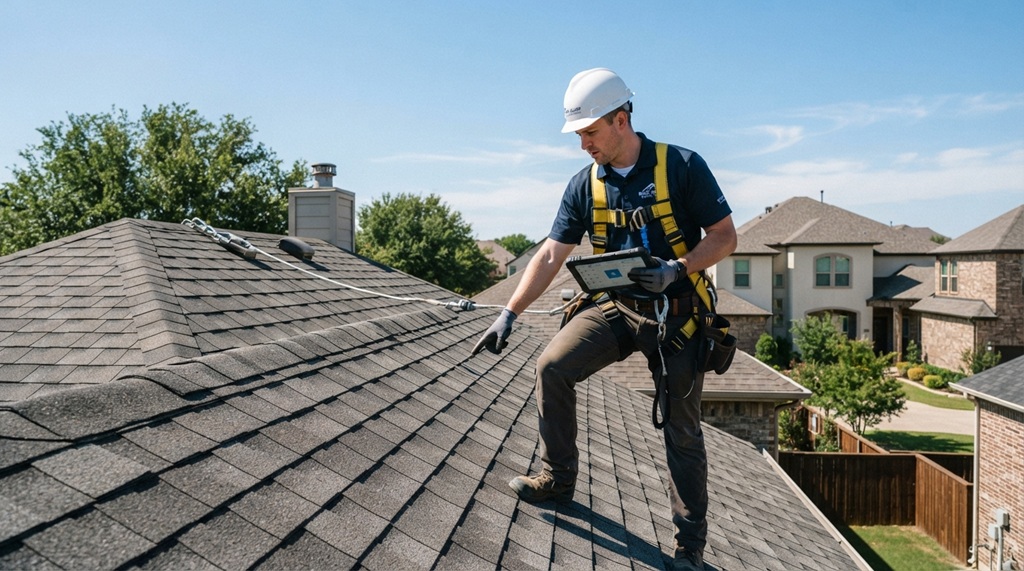
- Routine Inspections: Annual or bi-annual professional inspections are foundational. A qualified roofer will examine the entire roof system, including shingles, flashing, gutters, vents, and the attic space, looking for signs of wear, damage, or potential issues. The cost for a professional roof inspection can range from $75 to $600, depending on the size and complexity of your roof and your location.
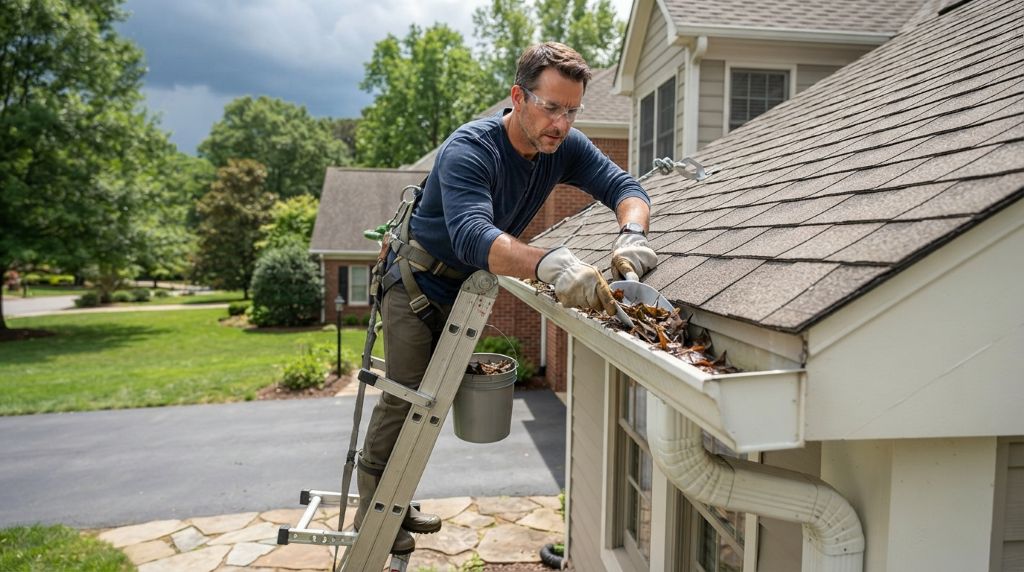
- Cleaning and Debris Removal: This often includes clearing gutters and downspouts of leaves, twigs, and other debris that can cause water backup and damage. It may also involve removing moss, algae, and lichen growth, which can trap moisture and degrade roofing materials. Roof cleaning costs can vary widely, from $100 to $1,750, depending on the size of the roof and the cleaning method (soft wash, power wash, chemical treatment).
- Minor Repairs: These are the proactive fixes that prevent major problems. They can include replacing a few missing or damaged shingles (costing $150 to $1,500 for minor asphalt shingle repairs), re-sealing flashing around chimneys and vents, or addressing small cracks with roofing cement. The cost here is highly variable, depending on the extent and type of repair.
- Gutter Maintenance: Beyond cleaning, this might involve re-attaching loose gutters or repairing minor leaks in the gutter system. Gutter cleaning alone can range from $0.70 to $1.30 per linear foot.
It’s important to note that these are general estimates. Actual costs will depend on your roof’s size, material (asphalt, metal, tile, slate, etc.), pitch, accessibility, and the specific services required. Always obtain multiple quotes from reputable, licensed, and insured roofing contractors.
DIY vs. Professional: Knowing Your Limits
While some minor tasks can be handled by homeowners, it’s crucial to understand the risks and limitations of DIY roof maintenance.
Safe DIY Tasks:
- Cleaning Gutters: With a sturdy ladder and proper safety precautions, homeowners can usually clear leaves and debris from gutters.
- Removing Minor Debris from the Roof Surface: Carefully sweeping or blowing off loose leaves and small twigs can prevent accumulation.
- Visual Inspections from the Ground: Regularly walk around your house to visually inspect your roof for obvious signs of damage, such as missing shingles or significant moss growth.
Tasks Best Left to Professionals:
- Climbing onto the Roof (especially steep or high roofs): Falls from roofs are a leading cause of serious injury.
- Replacing Multiple Shingles or Large Sections: Improper installation can lead to leaks and void warranties.
- Fixing Flashing: This requires precision and expertise to ensure a watertight seal.
- Repairing Roof Decking: This is a structural repair that demands professional knowledge and equipment.
- Dealing with Mold or Rot: These issues require specialized treatment and often indicate a deeper problem.
- Any task involving extensive heights, specialized tools, or hazardous materials.
Ultimately, safety should always be your top priority. When in doubt, call a professional.
The Return on Investment (ROI) of Roof Maintenance
The ROI of roof maintenance isn’t always a direct cash-back figure like some home improvements. Instead, it’s a multi-faceted return on investment that includes:
- Avoided Costs: The most significant ROI comes from avoiding the much larger expenses of major repairs, extensive water damage remediation, structural fixes, and premature roof replacement. These “avoided costs” represent substantial savings.
- Energy Savings: The consistent reduction in utility bills due to an efficiently performing roof adds up significantly over time.
- Increased Property Value: While difficult to quantify precisely, a well-maintained roof is a clear asset during a home appraisal and sale, commanding a higher price and attracting more buyers.
- Peace of Mind: The intangible benefit of knowing your home is protected and safe from the elements has immense value.
According to various industry reports, a new roof replacement can recoup 60-70% of its cost upon resale. While maintenance isn’t a full replacement, it directly contributes to that value by preserving the existing roof’s condition and lifespan, delaying the need for such a major expense.
Top 5 Benefits of Hiring a Certified Roof Inspector for Your Home
Conclusion: A Foundation of Foresight
In the grand scheme of homeownership, roof maintenance is not merely a task on a checklist; it’s a fundamental principle of financial foresight and home preservation. The question “Is roof maintenance worth it?” is answered with a resounding yes. The costs associated with proactive care are a fraction of the expenses you’ll incur by waiting for problems to escalate.
By investing modestly and consistently in regular inspections and timely repairs, you safeguard your home’s structural integrity, protect your belongings, ensure energy efficiency, maintain your property’s value, and most importantly, secure the invaluable peace of mind that comes from knowing your home is protected from the top down. Don’t wait for the drip, the stain, or the sag to prompt action. Be proactive, be vigilant, and ensure your roof continues to serve as the unwavering shield your home deserves.
Read More:
How to Detect and Repair Skylight Leaks: A Step-by-Step Guide
The Importance of Emergency Water Mitigation After Roof Damage