
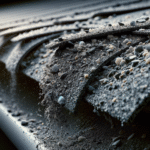
Your roof: the unsung hero of your home, silently battling the elements day in and day out. In hot climates, this battle is particularly fierce. The relentless sun, soaring temperatures, and often oppressive humidity can take a significant toll on asphalt shingles, leading to a common and concerning issue: granule loss. Those tiny, sand-like particles coating your shingles are more than just decorative; they are a critical line of defense. When they start to disappear, your roof’s integrity and your home’s protection are compromised. Understanding why this happens, especially in sun-drenched regions, is the first step towards prevention and timely intervention.
For homeowners in warm environments, noticing an accumulation of these granules in gutters or downspouts, or seeing bald patches on the roof, can be alarming. It’s not just an aesthetic issue. This loss signifies that your shingles are weakening and becoming more vulnerable to further damage, potentially shortening their lifespan and paving the way for costly repairs or premature replacement. This article will delve into the primary culprits behind shingle granule loss in hot climates, explore the science behind the damage, and offer insights into protecting your crucial overhead asset.
Decoding Granule Loss: The Primary Adversaries in Hot Regions
The environment in hot climates presents a unique trifecta of challenges for asphalt shingles: intense solar radiation (UV rays), sustained high temperatures, and often, significant humidity. Each of these elements plays a distinct yet often overlapping role in the degradation of shingles and the subsequent loss of their protective granules. Understanding these factors individually and collectively is key to comprehending the extent of the threat.
The Unseen Assault: How Intense UV Radiation Weakens Granule Bonds
Asphalt shingles are essentially a composite material, typically consisting of a fiberglass or organic mat, a layer of asphalt, and a top coating of ceramic-coated mineral granules. These granules serve multiple purposes: they provide color, offer fire resistance, and most importantly, shield the underlying asphalt from damaging ultraviolet (UV) radiation.
In hot climates, the intensity and duration of UV exposure are significantly higher. This relentless bombardment has a detrimental effect on the asphalt itself. UV rays trigger photochemical reactions within the asphalt, leading to a process called photo-oxidation. This breaks down the chemical bonds of the bitumen (the petroleum-based binding agent in asphalt), causing it to become brittle and lose its elasticity.
As the asphalt hardens and shrinks over time due to UV degradation, its ability to securely hold the embedded granules diminishes. The adhesive bond between the granules and the asphalt weakens, making it easier for the granules to become dislodged by other environmental stressors like wind, rain, or even foot traffic. Furthermore, UV radiation can also degrade the colored coatings on the granules themselves over many years, though the primary concern for granule loss is the deterioration of the asphalt binder. The loss of these UV-blocking granules then exposes more of the asphalt to direct sunlight, accelerating its degradation in a vicious cycle. This makes shingles in sunny regions particularly susceptible to premature aging and granule shedding if not specifically designed for such environments.
The Heat is On: The Impact of Sustained High Temperatures and Thermal Cycling
Sustained high temperatures, a hallmark of hot climates, directly impact the physical properties of asphalt shingles, further contributing to granule loss. Asphalt is a thermoplastic material, meaning it softens when heated and hardens when cooled.
Asphalt Softening and Granule Embedment:
Under the intense summer sun, roof surface temperatures can soar far beyond the ambient air temperature, often reaching 150-190°F (65-88°C) or even higher, depending on the shingle color and ventilation. At these elevated temperatures, the asphalt binder softens. While a certain degree of flexibility is desirable, excessive or prolonged softening can compromise the integrity of the granule layer. If the asphalt becomes too pliable, the granules can shift or become more easily dislodged, especially during accompanying weather events like strong winds or heavy rain. The repeated softening can also lead to a phenomenon where the granules sink deeper into the asphalt, reducing their protective exposure and making the shingle surface appear bald over time. The softening point of the asphalt used in shingle manufacturing is a critical factor here; shingles with a lower softening point will be more vulnerable in consistently hot weather.
Thermal Cycling and Expansion/Contraction Stresses:
Hot climates often experience significant temperature swings, not just seasonally but also daily – hot days followed by cooler nights. This leads to “thermal cycling,” where roofing materials continuously expand with heat and contract with cold. Asphalt shingles are no exception. Each shingle, and the roof deck it’s attached to, undergoes this daily expansion and contraction. This constant movement creates stress within the shingle material and at the interface between the shingles and the roof deck.
For the granules, this repeated stress can gradually weaken their bond with the ever-so-slightly-moving asphalt base. Over many cycles, this “fatigue” can cause granules to loosen and detach. The greater the temperature differential, the more pronounced the expansion and contraction, and the higher the likelihood of granule loss due to this mechanical stress. In regions prone to “thermal shock”—sudden, rapid temperature changes, such as a cool rain shower on a scorching hot roof—the stress can be even more acute, potentially leading to cracking and an accelerated rate of granule shedding.
The Moisture Menace: Humidity’s Role in Shingle Degradation
High humidity, often accompanying hot weather, introduces another layer of complexity to shingle health and granule retention. While granules themselves are largely water-resistant, the overall roofing system can be affected by persistent moisture in the air.
Accelerated Blistering and Material Breakdown: When moisture is absorbed by the shingle material, or trapped within or beneath it due to inadequate ventilation, it can lead to several problems. In hot, humid conditions, this trapped moisture can vaporize, creating small, gas-filled pockets within the asphalt. These are known as blisters. When these blisters eventually rupture, they dislodge the overlying granules, leaving behind pockmarks and exposed asphalt. Furthermore, prolonged exposure to moisture can accelerate the leaching of essential oils from the asphalt, making it more brittle and prone to cracking. Once cracks form, however small, they provide pathways for further moisture ingress, exacerbating the problem and creating more opportunities for granules to break free as the surrounding asphalt deteriorates.
Algae and Fungal Growth: Warm, moist environments are breeding grounds for algae (often appearing as dark streaks) and fungi. While these growths might initially seem like a purely cosmetic issue, they can contribute to granule loss over the long term. Some types of algae and fungi can feed on the limestone fillers present in some asphalt shingles. Their growth can also trap moisture against the shingle surface, further promoting the degradation processes mentioned above. As these organisms establish themselves, their root-like structures or the byproducts of their metabolism can subtly disrupt the granule-asphalt bond, making it easier for granules to be washed away during rain. While some modern shingles include copper or other biocides to inhibit such growth, older or less advanced shingles in humid hot climates are particularly vulnerable.
Related: Reroofing Over Existing Shingles: A Comprehensive Guide to Layering Your Lid
Protecting Your Investment: Prevention and Mitigation Strategies
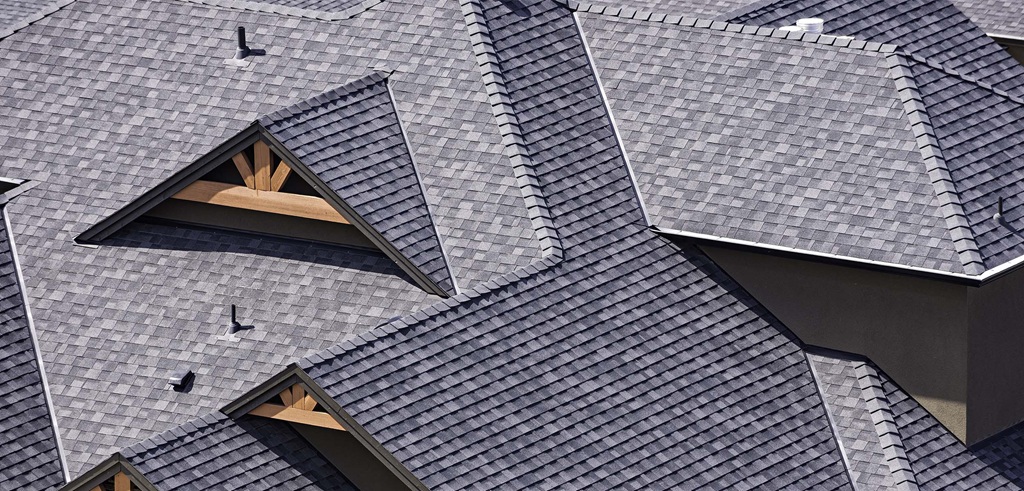
While the forces of nature in hot climates are formidable, homeowners are not entirely defenseless against shingle granule loss. Several proactive and reactive measures can help extend the life of your roof.
-
Choosing the Right Shingles:
If you’re installing a new roof or replacing an old one, selecting shingles designed for hot climates is paramount. Look for:
Cool Roof Shingles: These shingles have highly reflective granules that reflect more sunlight and absorb less heat. This keeps the roof surface cooler, reducing asphalt softening, thermal cycling stress, and energy costs. They often come in lighter colors but are also available in darker shades with special reflective pigments.
Polymer-Modified Asphalt (PMA) Shingles: Shingles made with SBS (Styrene-Butadiene-Styrene) or APP (Atactic Polypropylene) modified asphalt offer enhanced flexibility, impact resistance, and granule adhesion, even under high temperatures and UV exposure. SBS shingles, for example, have a rubberizing effect, improving their ability to withstand thermal shock and hail.
High-Quality Granule Adhesion Technology: Reputable manufacturers often highlight their proprietary technologies for ensuring strong granule adhesion. Inquire about these features and look for shingles with good warranty coverage against manufacturing defects that might lead to premature granule loss.
Algae-Resistant Shingles: Especially in humid hot climates, opt for shingles that incorporate copper granules or other algaecides to inhibit the growth of algae and fungi.
2. Ensuring Optimal Attic Ventilation:
Proper attic ventilation is arguably one of the most critical factors in preserving your roof in a hot climate. A well-ventilated attic helps to: * Reduce Roof Surface Temperature: By allowing hot, moist air to escape from the attic, ventilation reduces the heat buildup under the roof deck. This, in turn, keeps the shingles cooler, mitigating asphalt softening and thermal stress.
Minimize Moisture Buildup: Ventilation helps to expel moisture that migrates from the living space into the attic, preventing condensation on the underside of the roof deck and reducing the risk of moisture-related shingle damage like blistering. A balanced ventilation system typically involves intake vents (e.g., soffit vents) low on the roof and exhaust vents (e.g., ridge vents, turbine vents, or box vents) high on the roof to create a natural airflow. Consult a roofing professional to ensure your attic has adequate ventilation according to local building codes and climate conditions.
Related: Battling the Drip: A Comprehensive Guide to Tin Roof Leak Repair in 2025
3. Regular Roof Inspections and Maintenance:
Catching granule loss and other roofing issues early can save you significant money and headaches down the line. * Professional Inspections: Have your roof professionally inspected at least once a year, and after any severe weather event. A trained eye can spot subtle signs of granule loss, blistering, cracking, or flashing issues that you might miss. * Gutter Cleaning: Regularly clean your gutters and downspouts. A buildup of granules in the gutters is a key indicator of loss. Clogged gutters can also cause water to back up onto the roof, exacerbating moisture problems. * Trim Overhanging Branches: Tree limbs rubbing against the roof can scrape off granules. Keep them trimmed back. * Minimize Foot Traffic: Avoid walking on your roof unnecessarily, as this can dislodge granules, especially on hot, soft shingles.
4. Considering Roof Coatings (with caution):
For existing roofs with minor, uniform granule loss and otherwise good condition, certain reflective roof coatings might be considered to extend their life and improve energy efficiency. However, it’s crucial to consult with a reputable roofing professional. Improperly chosen or applied coatings can sometimes trap moisture or void your shingle warranty. Coatings are generally not a long-term fix for severely damaged shingles or widespread granule loss.
Related: Roof Leak Got You Covered? Temporary Fixes Until the Pros Arrive
People Also Ask (FAQs)
Q1: Is it normal to see some granules in my gutters?
A: Yes, a small amount of granule loss is normal, especially for new roofs (as excess granules from the manufacturing process shed) or very old roofs nearing the end of their lifespan. However, if you notice a sudden increase, large accumulations, or see bare spots on your shingles, it’s a sign of a potential problem and warrants a professional inspection.
Q2: How does the color of my shingles affect granule loss in a hot climate?
A: Darker shingles absorb more solar heat than lighter-colored shingles. This increased heat absorption can lead to higher shingle temperatures, accelerating asphalt degradation, softening, and thermal cycling stress, all of which can contribute to greater granule loss. “Cool” shingles, even in darker colors, use special reflective granules to mitigate this.
Q3: Can lost granules be replaced or put back on the shingles?
A: No, unfortunately, once granules are lost from a shingle, they cannot be effectively reattached. The embedding of granules is a factory process. While some temporary patch products or sealants claim to help, they are not a substitute for the original granule layer. Significant granule loss usually indicates the shingle is damaged and may need replacement.
Q4: How long should asphalt shingles last in a hot climate?
A: The lifespan of asphalt shingles in hot climates can vary widely based on shingle quality, color, attic ventilation, installation quality, and the specific extremity of the climate. Standard 3-tab shingles might last 10-15 years, while high-quality architectural or polymer-modified shingles with good ventilation could last 20-30 years or even more. However, hot climates generally put more stress on shingles, potentially shortening their lifespan compared to milder climates.
Q5: Will my homeowner’s insurance cover shingle granule loss?
A: It depends on the cause of the granule loss. If the loss is due to a covered peril like a hailstorm or severe windstorm, it might be covered. However, granule loss due to normal wear and tear, aging, improper installation, or manufacturing defects is typically not covered. It’s best to review your policy and consult with your insurance provider.
Q6: What are the biggest warning signs of severe granule loss?
A: Key warning signs include: * Large amounts of granules in gutters and around downspouts. * Visible “bald” spots on shingles where the black asphalt or fiberglass mat is exposed. * Shingles that appear unusually thin or worn. * An inconsistent or patchy appearance on the roof. * Increased energy bills, as the roof’s reflective capability might be compromised.
Related: Stop the Drip: Your Guide to the Fastest Roof Leak Fixes
Conclusion: Vigilance is Key in the Face of a Fiery Foe
Shingle granule loss in hot climates is a multifaceted issue driven by the relentless assault of UV radiation, sustained high temperatures, and often, humidity. These environmental factors work individually and in concert to degrade the asphalt binder, weaken granule adhesion, and ultimately compromise the protective capabilities of your roof.
However, by understanding these underlying causes, homeowners can make informed decisions. Choosing climate-appropriate, high-quality shingles, ensuring robust attic ventilation, and committing to regular inspections and maintenance are crucial strategies to combat premature granule loss. While some granule shedding is inevitable over a roof’s lifespan, excessive loss is a clear distress signal that should not be ignored. Protecting your shingles means protecting your home, your comfort, and your investment against the sizzling challenges of a hot climate. Stay vigilant, and your roof will have a fighting chance to serve you well for years to come.







