

In an era defined by growing environmental consciousness, homeowners are increasingly seeking sustainable solutions for their residences. One crucial aspect of this shift is the choice of roofing materials. Traditional roofing options, while durable, often contribute to environmental degradation through resource depletion, energy inefficiency, and landfill waste. Embracing eco-friendly roofing alternatives not only minimizes your carbon footprint but also enhances your home’s energy efficiency, longevity, and aesthetic appeal. This comprehensive guide delves into the latest sustainable roofing options, providing detailed insights into their benefits, costs, and installation considerations, empowering you to make informed decisions for a greener future.
The Urgency for Sustainable Roofing:
The conventional roofing industry heavily relies on materials like asphalt shingles, which are derived from petroleum, a non-renewable resource. Their manufacturing process generates significant greenhouse gas emissions, and their disposal contributes to landfill pollution. Furthermore, dark-colored asphalt roofs absorb and retain heat, exacerbating the urban heat island effect and increasing cooling costs. Shifting towards sustainable roofing solutions addresses these environmental concerns and offers long-term economic advantages. By opting for eco-friendly materials, homeowners can reduce their reliance on fossil fuels, minimize waste, and create healthier living environments.
Exploring the Spectrum of Eco-Friendly Roofing Materials:
The landscape of sustainable roofing is diverse, offering a range of materials tailored to various climates, architectural styles, and budgets. Let’s explore some of the most promising options:
-
Metal Roofing (Recycled and Energy-Efficient):
Metal roofing, particularly those made from recycled aluminum or steel, has gained significant popularity due to its durability, longevity, and energy efficiency. Recycled metal roofs reduce the demand for virgin materials and minimize waste. Their reflective surfaces deflect sunlight, reducing heat absorption and lowering cooling costs. Metal roofs are also highly resistant to fire, wind, and hail, making them a robust choice for various climates. Modern metal roofing comes in a wide array of colors and styles, mimicking traditional roofing materials while offering superior performance. Installation requires skilled professionals, and the initial cost may be higher than asphalt shingles, but the long lifespan and energy savings offset the initial investment.
-
Green Roofing (Living Roofs):
Green roofs, also known as living roofs, are a revolutionary concept that involves planting vegetation on a rooftop. These roofs offer numerous environmental benefits, including improved air quality, reduced stormwater runoff, and enhanced insulation. They also create habitats for wildlife and contribute to urban biodiversity. Green roofs can be categorized as extensive (shallow soil layer, low-maintenance plants) or intensive (deeper soil layer, diverse plant selection). Installation requires careful planning and structural considerations, including waterproofing, drainage, and load-bearing capacity. While the initial investment is substantial, green roofs offer long-term benefits in terms of energy savings, stormwater management, and increased property value.
-
Solar Roofing (Integrated Photovoltaic Systems):
Solar roofing integrates photovoltaic (PV) technology directly into roofing materials, transforming your roof into a power generator. Solar shingles or tiles seamlessly blend with the roof’s aesthetics, eliminating the need for bulky rooftop solar panels. This integrated approach maximizes solar energy capture and enhances the home’s curb appeal. Solar roofing systems reduce reliance on fossil fuels, lower electricity bills, and contribute to a cleaner energy grid. The initial cost of solar roofing can be higher than traditional solar panels, but government incentives and long-term energy savings make it a worthwhile investment. Installation requires specialized expertise to ensure proper integration and electrical connections.
-
Recycled Synthetic Roofing (Plastic and Rubber):
Recycled synthetic roofing materials, crafted from recycled plastic or rubber, offer a sustainable alternative to traditional shingles. These materials divert waste from landfills and reduce the demand for virgin resources. Recycled synthetic roofs are lightweight, durable, and resistant to moisture, mold, and insects. They are also available in a variety of colors and styles, mimicking the appearance of natural materials. The installation process is similar to traditional shingles, making it relatively straightforward. While the cost may be slightly higher than asphalt shingles, the longevity and environmental benefits justify the investment.
-
Clay and Concrete Tiles (Natural and Durable):
Clay and concrete tiles are natural and durable roofing materials that have been used for centuries. Clay tiles are made from natural clay fired at high temperatures, while concrete tiles are made from a mixture of cement, sand, and water. These tiles offer excellent thermal insulation, reducing heating and cooling costs. They are also highly resistant to fire, wind, and hail, making them suitable for various climates. Clay and concrete tiles are available in a wide range of colors and styles, adding aesthetic appeal to any home. While the initial cost may be higher than asphalt shingles, their long lifespan and minimal maintenance requirements make them a cost-effective choice in the long run.
-
Wood Shingles and Shakes (Sustainable Forestry):
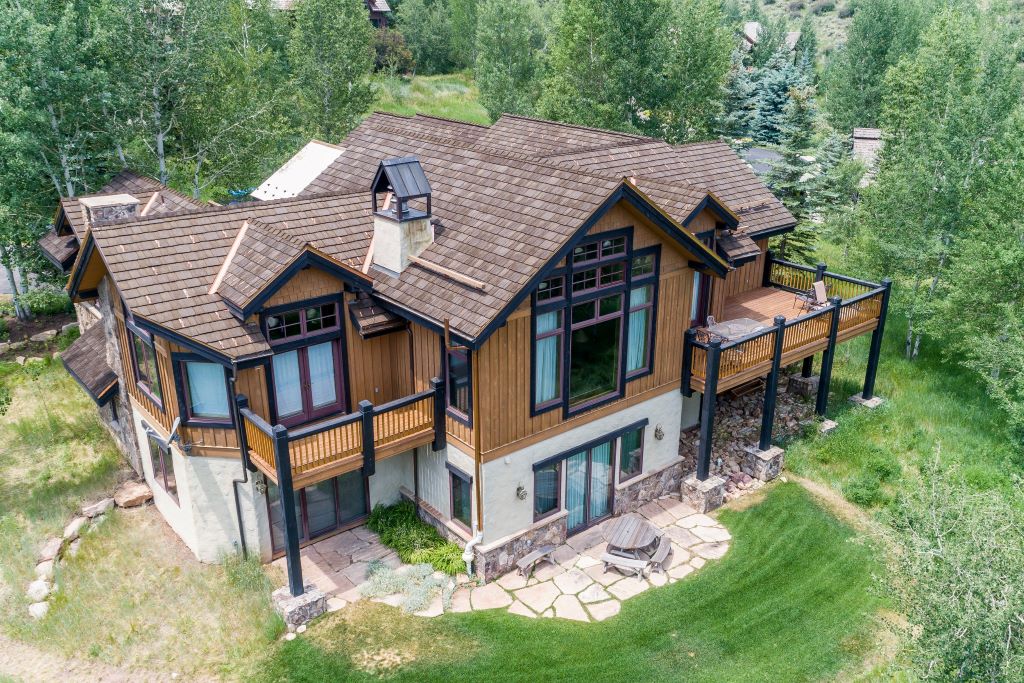
Wood shingles and shakes, made from sustainably harvested timber, offer a natural and aesthetically pleasing roofing option. Look for wood products certified by the Forest Stewardship Council (FSC) to ensure responsible sourcing. Wood shingles and shakes provide excellent insulation and are naturally resistant to insects and decay. They also age gracefully, developing a unique patina over time. Regular maintenance, including cleaning and treatment, is essential to prolong their lifespan. Wood roofing is suitable for various architectural styles, particularly those with a rustic or traditional aesthetic.
-
Slate Roofing (Natural Stone Longevity):
Slate roofing, crafted from natural stone, is renowned for its exceptional durability and longevity. Slate roofs can last for centuries, making them a sustainable choice for generations. Slate is naturally resistant to fire, wind, and hail, and it requires minimal maintenance. Slate roofing adds a timeless elegance to any home, but it is also one of the most expensive roofing options. Installation requires skilled professionals due to the weight and fragility of slate tiles.
Cost Considerations and Return on Investment:
The initial cost of eco-friendly roofing materials may be higher than traditional options, but it’s crucial to consider the long-term return on investment. Sustainable roofs offer significant energy savings, reduced maintenance costs, and increased property value. Government incentives and tax credits may also be available to offset the initial investment. Conduct a thorough cost-benefit analysis, considering factors such as lifespan, energy efficiency, and maintenance requirements, to determine the most cost-effective option for your home.
Installation and Maintenance:
Proper installation is essential to ensure the performance and longevity of any roofing material. Hire experienced and certified contractors who specialize in eco-friendly roofing installations. Regular maintenance, including cleaning, inspections, and repairs, is crucial to prolong the lifespan of your roof. Choose materials that require minimal maintenance to reduce long-term costs and environmental impact.
Read More: How to Remove an Ice Dam Without Damaging Your Roof
People Also Ask (FAQs):
Q: Are eco-friendly roofing options more expensive?
A: While the initial cost may be higher, the long-term benefits, including energy savings and durability, often offset the initial investment.
Q: How long do eco-friendly roofs last?
A: Lifespan varies depending on the material, but many eco-friendly options, like metal, slate, and clay tiles, can last 50 years or more.
Q: Do green roofs require a lot of maintenance?
A: Extensive green roofs require minimal maintenance, while intensive green roofs require more regular upkeep, including watering and pruning.
Q: Are solar roofs worth the investment?
A: Solar roofs can significantly reduce electricity bills and contribute to a cleaner energy grid, making them a worthwhile investment in the long term.
Q: Can I install an eco-friendly roof myself?
A: It’s generally recommended to hire experienced professionals for eco-friendly roofing installations to ensure proper performance and longevity.
Conclusion:
Embracing eco-friendly roofing options is a significant step towards creating a sustainable and environmentally responsible home. By choosing materials that minimize environmental impact, enhance energy efficiency, and offer long-term durability, homeowners can contribute to a greener future while enjoying the benefits of a comfortable and resilient living space. As technology advances and awareness grows, the adoption of sustainable roofing solutions will continue to expand, transforming the landscape of residential construction and paving the way for a more environmentally conscious future. Making informed decisions about roofing materials is an investment in your home’s longevity, your family’s well-being, and the health of our planet. By choosing a sustainable roof, you’re not just protecting your home; you’re contributing to a brighter, more sustainable future for generations to come.
Read More: Longest Lasting Roofing Material: Ultimate Guide to Durability & Lifespan







