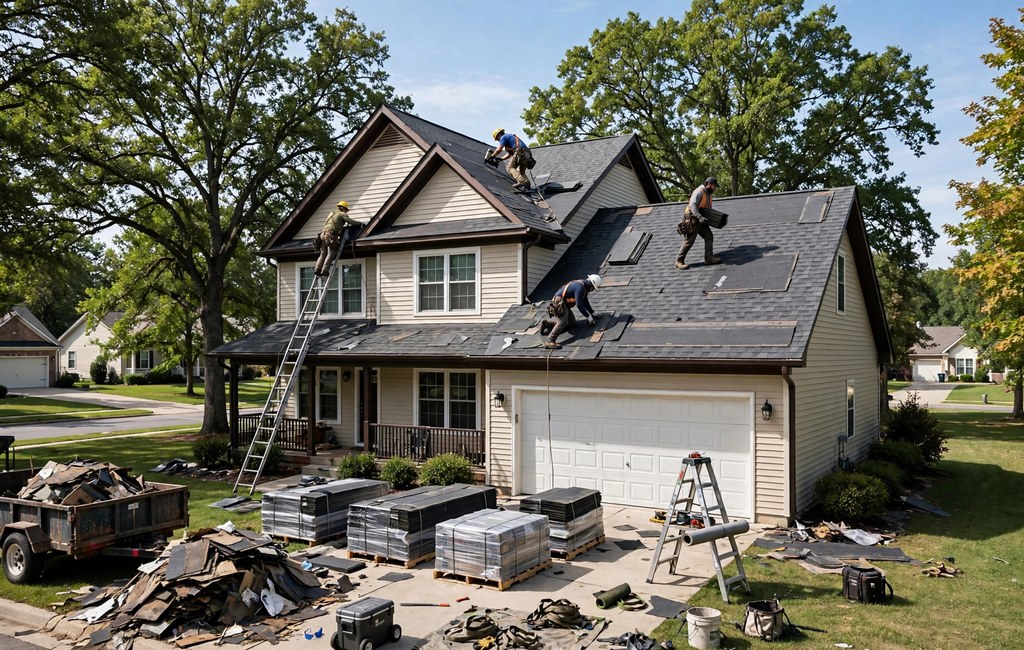
If you’re planning a roof replacement in Oklahoma in 2026, a realistic budget for a typical 2,000-square-foot home with architectural asphalt shingles is roughly $9,000 to $18,000, with many straightforward projects landing around $12,000 to $16,000. Larger homes, steep or complicated rooflines, premium shingles, extensive decking repairs, or metal roofing can push the total well above $20,000.
The important catch: your home’s square footage is not the same as your roof’s square footage. Roof pitch, overhangs, valleys, hips, garages, detached structures, tear-off requirements, and the condition of the decking all affect the final new roof estimate.
Key Takeaways
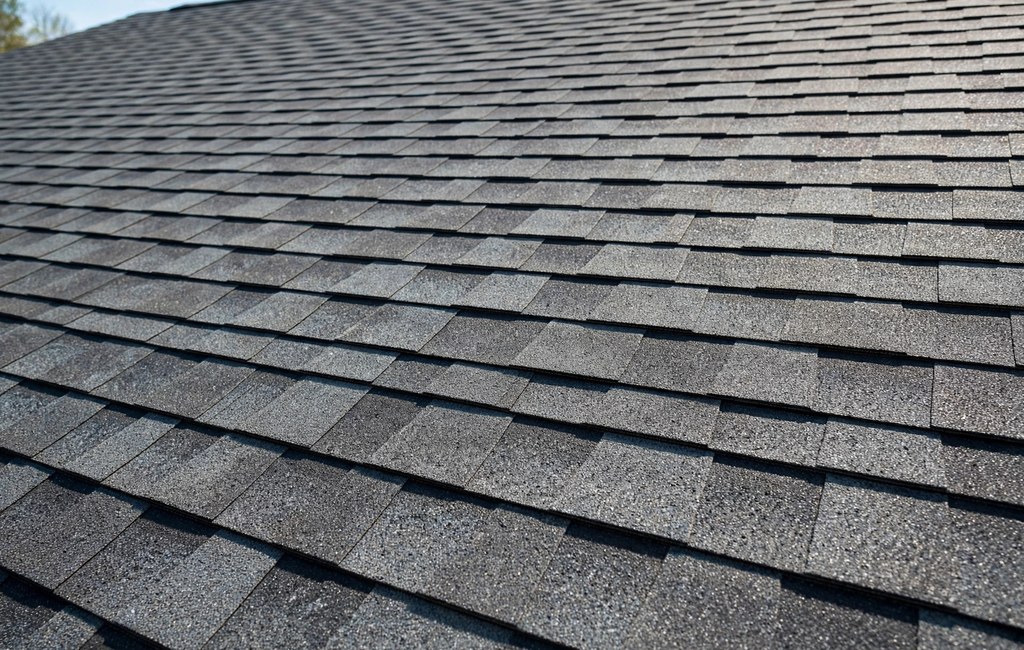
Typical 2026 Oklahoma roof replacement: approximately $9,000–$18,000 for a standard 2,000-square-foot home with architectural asphalt shingles.
Oklahoma City and Tulsa: A typical asphalt-shingle replacement often falls around $10,000–$20,000, depending on roof complexity and materials.
Architectural shingle prices: roughly $4.25–$7.50 per square foot installed in current Oklahoma planning ranges, although actual bids vary by product, roof design, labor and project conditions.
Class 4 impact-resistant shingles cost more initially but may make sense in Oklahoma’s hail-prone environment.
Metal roofing generally costs considerably more upfront but can provide a substantially longer service life.
A professional estimate should identify tear-off, underlayment, flashing, ventilation, drip edge, decking, disposal and labor, rather than giving you one unexplained lump-sum number.
Oklahoma requires roofing contractors to maintain state registration, and residential roofing regulations are changing. Beginning January 1, 2028, a Residential Roofing Endorsement will be required for residential roofing work, with a transition/grandfathering period beginning in 2027.
If your roof was damaged by hail or wind, don’t assume insurance will automatically pay for a complete replacement. Coverage depends on your policy, deductibles, exclusions and the documented damage.
2026 Oklahoma Roof Replacement Cost at a Glance
| Roofing option | Typical installed range | Approximate lifespan* |
|---|---|---|
| 3-tab asphalt shingles | $7,000–$11,000 | 15–20 years |
| Architectural asphalt shingles | $9,000–$18,000 | 25–30 years |
| Class 4 impact-resistant shingles | $11,000–$20,000+ | 25–30+ years |
| Premium/designer asphalt | $14,000–$25,000+ | 30+ years |
| Standing-seam metal | $18,000–$36,000+ | 40–70 years |
| Tile/concrete roofing | $20,000–$40,000+ | 50+ years |
*Lifespan varies with installation quality, product specifications, weather exposure, ventilation and maintenance. These are planning ranges, not guaranteed quotes. Current 2026 market sources put architectural asphalt and metal roofing within similar broad ranges nationally and locally, while Oklahoma-specific estimates show meaningful variation between homes and markets.
Why the numbers vary so much
Two homes with the same 2,000-square-foot floor plan can have dramatically different roofing costs.
A simple ranch-style home with a moderate roof pitch and easy access may require relatively little labor. A two-story house with multiple roof sections, steep slopes, several valleys, dormers, skylights and a detached garage can require significantly more material, labor and safety equipment.
That’s why a reliable new roof estimate should be based on the actual roof—not simply the home’s living area.
What Does an Architectural Shingle Roof Cost in Oklahoma?
Architectural shingles are the most common starting point for homeowners who want a balance between price, appearance and durability.
Current Oklahoma planning data places installed architectural asphalt roofing at approximately $4.25 to $7.50 per square foot, with a typical 2,000-square-foot home translating to a broad project range after accounting for actual roof area, pitch and installation factors.
Another 2026 Oklahoma estimate puts a new architectural-shingle roof at approximately $8,500 to $18,000, while smaller straightforward projects can come in below that range and large or complicated roofs can exceed it.
What you’re actually paying for
A professional roof replacement isn’t just a pile of shingles.
Your price may include:
- Tear-off of the existing roofing
- Disposal and cleanup
- Architectural shingles
- Synthetic or other approved underlayment
- Ice-and-water protection where required or specified
- Drip edge
- Ridge caps
- Starter shingles
- Valley treatment
- Flashing
- Pipe boots
- Roof ventilation
- Labor
- Fasteners
- Job-site protection
- Final cleanup
- Manufacturer and workmanship warranties
If a contractor gives you an unusually low quote, ask what’s missing before assuming you’ve found a bargain.
A $9,000 quote and a $14,000 quote aren’t necessarily comparing the same roof system.
How Much Does a New Roof Cost in Oklahoma City?
Oklahoma City homeowners should generally expect a standard asphalt-shingle replacement to fall somewhere around $10,000 to $20,000 for a typical 2,000-square-foot home, although actual bids can fall outside that range. Local 2026 pricing guides place the average around the mid-teens for a conventional project.
OKC pricing can also move after significant storm activity because roofing labor, inspections, materials and contractor availability can change rapidly.
And Oklahoma’s weather isn’t a minor consideration.
The state regularly experiences severe thunderstorms, hail and damaging winds. Oklahoma Insurance Department guidance notes that hail can cause substantial roof damage and that hail is the most common homeowners insurance claim type, although individual policies may have exclusions, cosmetic-damage limitations or separate wind/hail deductibles.
That makes the quality of your roof system especially important.
What About Tulsa Roof Replacement Costs?
Tulsa homeowners are generally looking at a similar pricing structure.
One current 2026 Tulsa estimate places architectural asphalt roofs at approximately $9,500 to $16,500, with Class 4 impact-resistant shingles around $13,000 to $20,000 and standing-seam metal substantially higher.
Another Tulsa cost analysis estimates approximately $7,575 to $22,300 across a broad range of roof replacement projects, illustrating why a generic “average roof cost” can be misleading.
In other words, don’t judge a Tulsa roofing quote solely against an internet average. Compare the scope of work.
7 Factors That Can Increase Your Roof Replacement Cost
1. Roof size
Roofing contractors generally price roofing by the square, with one roofing square equal to 100 square feet of roof surface.
A 2,000-square-foot house does not necessarily have a 20-square roof. Once pitch, overhangs and other roof sections are included, the actual roof area can be considerably larger.
2. Roof pitch
Steeper roofs require additional safety measures, slower installation and more labor.
A simple low-slope roof and a steep multi-level roof may use similar shingles but have very different installation costs.
3. Number of existing roof layers
If your roof has multiple layers of old shingles, the contractor may need to remove additional material before installing the new system.
That means more labor, disposal and time.
4. Damaged decking
This is one of the most important potential surprises.
Once shingles are removed, the contractor may discover rotten, warped or otherwise compromised decking. Those boards may need to be replaced before the new roof can be installed properly.
A trustworthy estimate should explain whether decking replacement is included, excluded or billed as an allowance.
5. Flashing and ventilation
Chimneys, walls, skylights, valleys and plumbing penetrations all create potential leak points.
Likewise, attic ventilation plays an important role in managing heat and moisture. Cutting corners on these components can undermine an otherwise good shingle installation.
6. Material selection
Architectural shingles are usually more affordable than designer shingles or metal.
But Oklahoma homeowners should consider more than the sticker price. Hail and high winds can make impact resistance, fastening specifications and the complete roofing system important purchasing considerations.
7. Roof complexity and accessibility
Two-story homes, narrow side yards, garages, dormers, skylights and difficult material access can all increase labor requirements.
Does Oklahoma Weather Affect Roof Replacement Decisions?
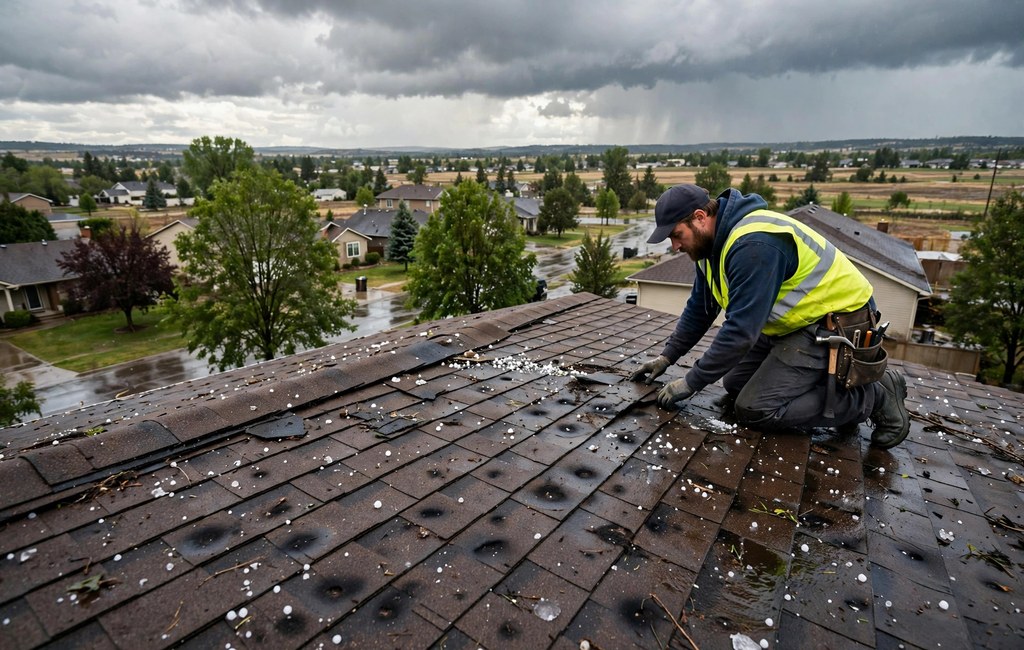
Absolutely.
Oklahoma roofs have to deal with hail, high winds, severe thunderstorms, tornadoes, intense summer heat and large temperature swings.
Recent weather events have reinforced that severe weather isn’t limited to the traditional spring storm season. Multiple tornadoes occurred in Oklahoma during January 2026, an unusual occurrence for the state.
For homeowners, that means roof selection should not be based entirely on curb appeal or the lowest bid.
Consider asking your contractor:
- What wind rating does this shingle have?
- Is this product available in a Class 4 impact-resistant version?
- What is the manufacturer’s installation requirement?
- What underlayment is being installed?
- How will valleys and flashing be handled?
- How will roof ventilation be addressed?
- What workmanship warranty is included?
- Is the contractor currently registered with the Oklahoma Construction Industries Board?
Don’t Choose a Roofer Without Checking Their Credentials
This is particularly important in Oklahoma.
The Oklahoma Construction Industries Board requires roofing contractors to maintain state registration, and residential roofing contractors must provide proof of at least $500,000 in general liability insurance for residential roofing work.
Oklahoma is also implementing a new Residential Roofing Endorsement.
Under the 2026 updates, the transition period begins January 1, 2027, while the Residential Roofing Endorsement becomes required for residential roofing work beginning January 1, 2028. The state also established requirements involving continuing education and supervision of labor-only crews.
Before signing a contract, verify the contractor’s current registration and ask for proof of insurance.
You can also check Oklahoma’s Construction Industries Board resources for registered roofing contractors and consumer information.
Will Homeowners Insurance Pay for a Roof Replacement in Oklahoma?
Sometimes—but don’t assume.
Oklahoma Insurance Department guidance says standard homeowners policies will generally cover hail damage to roofs and other property, but policies can contain important restrictions. These may include cosmetic-damage exclusions or limitations and separate wind or hail deductibles.
Your first step should be understanding your policy.
If you believe your roof has storm damage:
- Photograph visible damage from the ground when possible.
- Avoid climbing onto the roof yourself.
- Have a qualified roofing professional inspect the property.
- Review your policy’s wind/hail deductible and coverage terms.
- Document temporary repairs and prevent additional water intrusion.
- Contact your insurance carrier according to the policy’s claim procedures.
Be cautious about any contractor who promises that insurance will “definitely” pay for a new roof before the damage has been properly documented.
A reputable roofer should help you understand the physical condition of your roof without pressuring you into filing a claim.
How to Compare Three Roof Replacement Quotes
Don’t simply choose the lowest number.
Ask every contractor to quote the same basic scope and compare:
- Roof measurement:How many roofing squares are included?
- Tear-off:How many existing layers are being removed?
- Decking:Is replacement included, excluded or priced separately?
- Materials:What exact shingle and product line are being installed?
- Underlayment:What type and where will it be installed?
- Flashing:Which flashing components are being replaced?
- Ventilation:Are ridge vents, intake vents or other ventilation components included?
- Warranty:What is covered by the manufacturer, and what is covered by the contractor?
- Insurance:Is the contractor currently registered and properly insured?
A detailed quote is often more valuable than a cheap quote.
When Should You Replace an Oklahoma Roof?
Age alone isn’t enough to make the decision.
Look for combinations of age and condition, including:
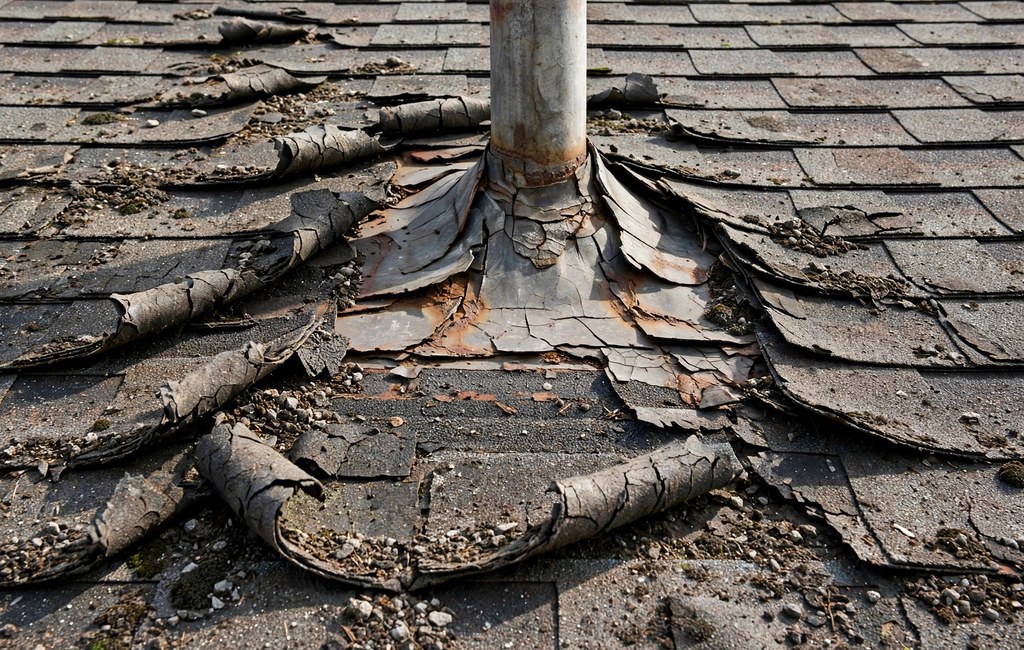
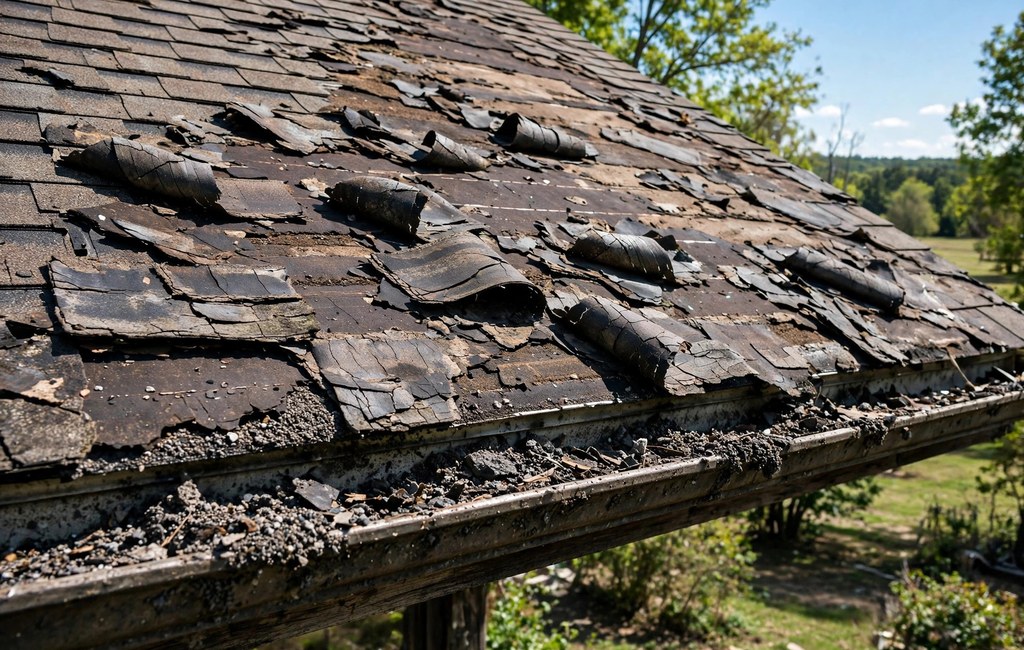
- Repeated leaks
- Missing or damaged shingles
- Granule loss
- Cracked or curling shingles
- Exposed nail heads
- Damaged flashing
- Sagging roof sections
- Water stains in the attic or ceilings
- Extensive hail impact
- Significant wind damage
- A roof approaching the end of its expected service life
If damage is isolated and the roofing system is otherwise healthy, a repair may make more financial sense than replacement.
If the roof has widespread deterioration or repeated failures, continuing to patch individual areas can become false economy.
Frequently Asked Questions
How much does a new roof cost in Oklahoma in 2026?
For a typical 2,000-square-foot home, a reasonable planning range is approximately $9,000 to $18,000 for architectural asphalt shingles. Larger, steeper or more complicated roofs can exceed $20,000.
How much are architectural shingle prices in Oklahoma?
Current Oklahoma planning data puts installed architectural asphalt roofing around $4.25 to $7.50 per square foot, although the final price depends on the actual roof area, product, labor, tear-off, pitch and roof condition.
How long do architectural shingles last?
A typical architectural asphalt shingle roof can last roughly 25 to 30 years, but actual service life depends heavily on installation quality, ventilation, weather exposure and maintenance.
Is a metal roof worth the extra cost in Oklahoma?
It can be, particularly for homeowners prioritizing longevity and durability. Metal generally costs considerably more upfront than asphalt shingles, but quality metal roofing can have a much longer service life.
Should I get Class 4 shingles in Oklahoma?
They are worth considering in areas exposed to frequent hail. Class 4 impact-resistant products typically cost more than standard architectural shingles, so ask your contractor about the price difference and whether your insurance company offers any applicable premium incentives.
Does insurance pay for hail-damaged roofs?
It can, but coverage depends on the policy. Oklahoma Insurance Department guidance specifically warns that homeowners policies can contain hail exclusions, cosmetic-damage limitations and separate hail or wind deductibles.
How long does a roof replacement take?
A straightforward residential asphalt roof can often be completed in a matter of days, but weather, roof size, complexity, material availability and decking repairs can extend the project.
How do I get an accurate roof replacement estimate?
The most accurate approach is an on-site inspection and detailed measurement of the actual roof. Online averages are useful for budgeting, but they cannot account for your roof pitch, layers, decking, flashing or other property-specific conditions.
The Bottom Line: What Should You Budget for a New Roof in Oklahoma?
For 2026, $9,000 to $18,000 is a practical starting range for an architectural-shingle roof on a typical Oklahoma home, while $12,000–$16,000 is a reasonable planning target for many straightforward projects.
But don’t treat that range as a quote.
The actual roof replacement cost depends on your roof’s measured area, pitch, complexity, existing layers, decking, material selection, ventilation, flashing and local labor conditions.
And because Oklahoma’s hail and wind exposure can be significant, the cheapest roof isn’t necessarily the least expensive roof over its full service life.
The best approach is simple: get a property-specific inspection, insist on a detailed scope of work, verify the contractor’s Oklahoma registration and insurance, and compare equivalent roofing systems—not just bottom-line prices.