
Replacing a roof is a significant home improvement project, one that often brings a mix of dread and financial anxiety. The question inevitably arises: “Can I do this myself and save a fortune, or is it a job best left to the professionals?” This article delves deep into the heart of this dilemma, providing a comprehensive comparison of DIY roof replacement versus hiring professional roofers. We’ll explore the costs, risks, benefits, and crucial considerations to help you make an informed decision that suits your skills, budget, and peace of mind.
The Allure of the DIY Route: Potential Savings and Personal Satisfaction
The primary motivator for tackling a DIY roof replacement is undoubtedly cost savings. Labor costs typically constitute a significant portion of a professional roofing project, sometimes accounting for 50-60% of the total expense. By handling the labor yourself, you can potentially save thousands of dollars. Beyond the financial aspect, many homeowners find immense satisfaction in completing a challenging project with their own hands. The sense of accomplishment and the ability to claim “I did that!” can be incredibly rewarding. Furthermore, DIY allows for complete control over the materials used and the pace of the work. You can meticulously select the best shingles, underlayment, and flashing, ensuring a quality installation tailored to your specific preferences.
However, the allure of DIY shouldn’t overshadow the significant challenges involved. Roofing is physically demanding work, requiring stamina, strength, and a keen eye for detail. You’ll be working at heights, often in extreme weather conditions, and handling heavy materials. The learning curve can be steep, and mistakes can be costly. If you’re unfamiliar with roofing techniques, you’ll need to invest considerable time in research and practice.
The Realities of DIY Roofing: Skills, Time, and Safety Concerns
Before embarking on a DIY roof replacement, honestly assess your skill level and available time. Do you possess the necessary carpentry, measurement, and safety skills? Do you have the physical stamina to work long hours in challenging conditions? Do you have a reliable team of helpers? Roofing projects often take longer than anticipated, especially for first-timers. Weather delays, unexpected issues, and the learning process can extend the timeline significantly.
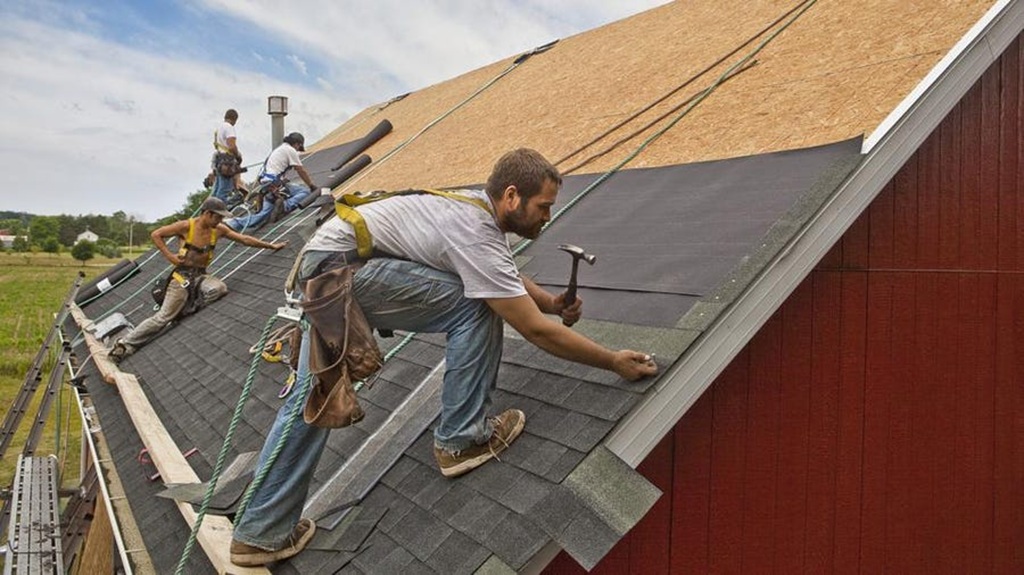
Safety is paramount in any roofing project. Working at heights poses a serious risk of falls, and proper safety equipment is essential. This includes a sturdy ladder, safety harness, non-slip footwear, and protective eyewear. You’ll also need to be aware of the dangers of heatstroke, sunburn, and muscle strain. Additionally, proper disposal of old roofing materials is crucial. Many areas have specific regulations regarding asbestos removal and disposal, which you must comply with.
Furthermore, consider the potential for costly mistakes. Improperly installed shingles, inadequate flashing, or incorrect ventilation can lead to leaks, water damage, and premature roof failure. These issues can be far more expensive to rectify than hiring a professional in the first place. You must also consider the warranty; most material warranties are voided if installed incorrectly by a non-professional.
The Benefits of Hiring Professional Roofers: Expertise, Efficiency, and Peace of Mind
Professional roofing contractors bring years of experience, specialized knowledge, and a skilled workforce to your project. They understand the intricacies of roof installation, are familiar with local building codes, and can handle unexpected challenges with ease. Their expertise ensures a high-quality installation, minimizing the risk of leaks and other problems.
Professional roofers also have access to specialized equipment and tools, such as nail guns, air compressors, and material hoists, which can significantly speed up the project. They can complete the job efficiently, minimizing disruption to your daily life. Moreover, they are insured and licensed, providing peace of mind in case of accidents or damage. Reputable contractors typically offer warranties on their workmanship, giving you added protection.
Hiring a professional also removes the stress and physical burden of tackling a complex project yourself. You can delegate the responsibility and focus on other aspects of your life. They will also handle all required permits and inspections, saving you time and potential headaches.
Related: Why You Should Hire a Certified Roof Inspector Before Roof Replacement
Cost Breakdown: DIY vs. Professional Roofing
To accurately compare costs, consider the following factors:
- Materials: Shingles, underlayment, flashing, nails, and other materials. The cost will vary depending on the type and quality of materials chosen.
- Tools and Equipment: If you’re going the DIY route, you’ll need to purchase or rent tools such as a roofing nailer, ladder, safety harness, and dumpster for debris removal.
- Labor: This is the primary cost difference between DIY and professional installation. Professionals typically charge by the square foot or by the project.
- Permits and Inspections: Building permits are required for most roof replacements, and inspection fees will vary depending on your location.
- Disposal Fees: Removing and disposing of old roofing materials can incur significant costs, especially if asbestos is present.
- Unexpected Costs: Both DIY and professional projects can encounter unexpected costs, such as hidden damage or the need for additional materials.
While DIY can save on labor, it’s essential to factor in the cost of tools, potential mistakes, and the value of your time. Professional contractors may seem more expensive upfront, but their efficiency, expertise, and warranties can ultimately save you money in the long run.
Choosing the Right Roofing Contractor: Due Diligence is Key
If you decide to hire a professional, take the time to research and select a reputable contractor. Get multiple quotes from licensed and insured roofers, and ask for references. Check online reviews and ratings, and verify their credentials with your local licensing board. Ensure they have adequate insurance coverage, including liability and workers’ compensation.
Don’t be afraid to ask questions. A good contractor will be transparent about their process, materials, and pricing. Get everything in writing, including a detailed contract that outlines the scope of work, materials to be used, payment schedule, and warranty information.
Related: Roofer Contractor vs. Certified Roof Inspector: What’s the Difference?
Factors to Consider Before Making a Decision:
- Roof Complexity: Simple gable roofs are easier to tackle than complex roofs with multiple valleys, dormers, and skylights.
- Roof Pitch: Steeper roofs are more challenging and dangerous to work on.
- Roof Size: Larger roofs require more materials and labor, making them more time-consuming and expensive.
- Your Skill Level and Physical Ability: Be honest about your capabilities and limitations.
- Your Budget: Determine how much you can afford to spend on the project.
- Your Time Constraints: Consider how much time you can dedicate to the project.
- Local Building Codes and Regulations: Ensure you comply with all applicable regulations.
People Also Ask (FAQs):
- Q: How long does a DIY roof replacement take?
- A: It depends on the size and complexity of the roof, as well as your skill level and available time. Expect it to take significantly longer than a professional crew.
- Q: What tools do I need for DIY roofing?
- A: Essential tools include a roofing nailer, hammer, pry bar, utility knife, measuring tape, chalk line, ladder, safety harness, and non-slip footwear.
- Q: Can I replace my roof in sections?
- A: While possible, it’s generally recommended to replace the entire roof at once to ensure a uniform and watertight installation.
- Q: How much does a professional roof replacement cost?
- A: Costs vary depending on the size and complexity of the roof, materials used, and labor rates in your area. Get multiple quotes from local contractors for an accurate estimate.
- Q: Will my homeowner’s insurance cover a DIY roof replacement?
- A: Homeowner’s insurance typically covers damage caused by covered perils, regardless of who installed the roof. However, if the DIY installation is faulty and causes further damage, insurance may not cover those subsequent repairs.
- Q: What are the signs I need a new roof?
- A: Signs include missing or damaged shingles, leaks, water stains on ceilings, sagging roof deck, and excessive granule loss from shingles.
Related: Top 5 Benefits of Hiring a Certified Roof Inspector for Your Home
Conclusion:
The decision between DIY and professional roof replacement is a personal one, weighing the potential cost savings against the risks and challenges involved. While DIY can be a rewarding experience for skilled and confident homeowners, it’s not a decision to be taken lightly. If you’re unsure about your abilities or prefer the peace of mind that comes with professional installation, hiring a reputable roofing contractor is a wise choice. Thoroughly research your options, carefully consider your circumstances, and make an informed decision that ensures a safe, durable, and long-lasting roof for your home. Ultimately, the best choice is the one that aligns with your individual needs, skills, and budget, allowing you to have a safe and dry home for years to come.







