
Winter might look magical, but it’s brutal on your roof. Snow, ice, wind, and fluctuating temperatures create a dangerous mix that can turn minor roofing issues into major disasters. Homeowners often underestimate the damage cold weather can do until it’s too late. In this guide, you’ll learn about the real winter roofing challenges and how to overcome them with smart, actionable solutions.
Ice Dams: A Costly Menace
One of the most damaging winter roofing problems is ice dams. When snow melts from the warmer parts of your roof and refreezes at the eaves, it creates a ridge of ice. This dam prevents proper drainage, causing water to back up under the shingles.
Stats back the danger: According to FEMA, ice dams are responsible for millions of dollars in roof and water damage each year in the U.S.
Solutions:
- Insulate your attic: Heat loss from inside your home accelerates snowmelt. Proper insulation minimizes this.
- Ventilation matters: Install ridge and soffit vents to balance roof temperature.
- Heated cables: Run these along your eaves to melt forming ice and maintain drainage flow.
Roofing experts warn that ignoring ice dams can lead to rotten wood, mold growth, and damaged drywall—problems that escalate fast in cold months.
Snow Load: When Your Roof Carries Too Much Weight
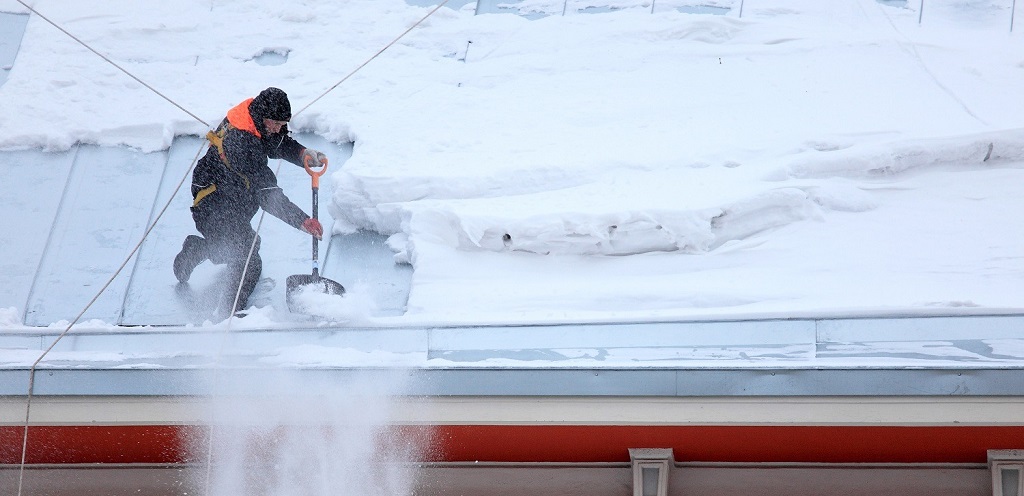
Snow looks harmless, but its weight adds up quickly. A cubic foot of dry snow weighs around 20 pounds; wet snow can weigh as much as 60 pounds. Flat or low-slope roofs are particularly vulnerable, especially in regions with heavy snowfalls.
Real-world example: In 2015, parts of Massachusetts saw numerous roof collapses after several feet of snow fell over a short period. Homes and businesses alike suffered extensive structural damage.
How to beat it:
- Invest in a roof rake: Remove excess snow from your roof safely from the ground.
- Schedule regular inspections: Structural weaknesses often go unnoticed until snow accumulation exposes them.
- Reinforce your roof: If your home is older, consider retrofitting with stronger materials or bracing.
Pro tip: Always clear snow evenly to avoid creating unbalanced pressure points.
Freeze-Thaw Cycles: The Silent Destroyer
Temperature fluctuations cause a roof to expand and contract. Water gets into tiny cracks during the day, freezes at night, and widens those cracks. Over time, this cycle severely damages shingles, flashing, and seals.
Research from the NRCA (National Roofing Contractors Association) highlights that repeated freeze-thaw cycles are one of the most common causes of roofing material degradation in winter-prone areas.
Prevention tips:
- Apply waterproof sealants in fall: This creates a barrier against moisture.
- Use high-quality roofing materials: Some modern shingles are specifically designed to withstand thermal stress.
- Inspect flashing areas: Chimneys and vents are common failure points in winter.
Roofing professionals stress that catching these issues early can add 5-10 years to your roof’s life.
Condensation and Attic Moisture: The Mold Breeder
When warm air from your living space hits the cold underside of your roof, condensation forms. In a poorly ventilated attic, that moisture gets trapped, leading to mold, mildew, and wood rot.
According to Energy Star, nearly 90% of U.S. homes suffer from inadequate attic insulation or ventilation, making them vulnerable to winter moisture buildup.
Fixes include:
- Install vapor barriers: These block warm indoor air from reaching the roof.
- Improve attic airflow: Use gable or ridge vents to keep the attic dry.
- Dehumidifiers: In extreme cases, these help maintain ideal humidity levels.
Unchecked attic moisture not only weakens your roofing structure but also reduces your home’s energy efficiency.
Wind Damage: The Overlooked Threat
Winter storms bring high winds that can tear off shingles, displace flashing, and even strip off roofing entirely in older homes.
A report by the Insurance Information Institute shows that wind and hail accounted for over 45% of homeowner insurance claims in the U.S. in the past five years.
Protection tips:
- Use wind-rated shingles: Especially in areas with frequent winter storms.
- Secure loose shingles before winter: Replace or re-nail any loose sections.
- Trim overhanging branches: These can break off and damage your roof in strong winds.
Keeping your roof secure requires proactive maintenance before winter sets in.
Featured Snippet: Why does winter damage roofs so badly, and what’s the fastest way to prevent it?
Winter damages roofs because of extreme temperature swings, heavy snow loads, ice buildup, and high winds. These conditions strain materials, cause leaks, and promote structural failures. The fastest prevention method includes insulating and ventilating your attic, regularly removing snow, inspecting for damage after each storm, and installing ice-melting systems. These steps reduce moisture buildup, temperature variations, and weight stress on your roof. For quick fixes, heated roof cables and proper sealing around vents and chimneys work effectively in harsh conditions. Investing in winter-specific materials also extends roof lifespan and reduces costly repairs.
Expert Tips to Outsmart Winter Roofing Challenges
- Book a pre-winter inspection: Roofers are less busy in fall, and early action avoids peak-season delays.
- Choose class 4 impact-rated shingles: These provide superior resistance against winter debris and hail.
- Install a metal roof in snow-prone areas: Metal sheds snow easily, reducing snow load concerns.
- Seal chimney and skylight flashing: These areas leak most in freezing rain.
Frequently Asked Questions
How much snow is too much for a roof to handle?
Most modern roofs can handle 20 pounds per square foot. Wet snow can exceed that quickly. Clear snow after 6–12 inches, especially if wet.
Can I use salt to melt ice on my roof?
Avoid rock salt; it corrodes roofing materials. Use calcium chloride instead, specifically designed for roofs.
How do I know if my roof is leaking from an ice dam?
Look for water stains on ceilings, peeling paint, or wet insulation in your attic after snowfall.
Is it safe to remove snow from my roof myself?
Use a roof rake from the ground. Avoid climbing a ladder in icy conditions. Hire pros for heavy buildup.
What type of roofing material is best for winter weather?
Metal, slate, and asphalt shingles with Class 4 impact ratings work best in cold climates.
Should I replace my roof in winter?
It’s possible but less ideal. Cold weather affects adhesives and worker safety. Plan replacements in spring or fall.
Can gutters cause roof issues in winter?
Yes. Clogged gutters trap water, leading to ice dams. Clean them before winter hits.
Read More Also: Weather-Resistant Roofing Systems for Harsh Climates
Final Thought
Winter roofing challenges are more than just seasonal nuisances—they’re high-stakes threats to your home’s safety, energy efficiency, and long-term value. Being proactive is key. Regular maintenance, proper insulation, and seasonal checkups can mean the difference between a secure, cozy winter and thousands of dollars in repairs.
The good news? You don’t need to be a roofing expert. Armed with the right knowledge and a bit of planning, you can tackle winter roofing issues head-on. From ice dams to wind damage, every challenge has a solution if you act early and wisely.
References:







