

Your home’s roof faces relentless challenges in harsh climates. From scorching heat to heavy snow, top weather-resistant roofing systems for harsh climates are vital for protection. These systems shield your home, boost energy efficiency, and reduce maintenance costs. Choosing the right material ensures durability against storms, heat, or cold. This blog explores the best roofing options, backed by research and personal insights, to help you make informed decisions. Whether you’re battling hurricanes or icy winters, we’ve got you covered with practical solutions. Read on to find the perfect roof for your home’s needs.
Why Weather-Resistant Roofing Matters
Harsh climates test a roof’s strength daily. Top weather-resistant roofing systems for harsh climates prevent leaks, cracks, and costly repairs. Extreme weather, like hurricanes or blizzards, can damage weak roofs, leading to water intrusion or structural issues. Durable materials save money over time by reducing maintenance. For example, a strong roof can lower energy bills by insulating against heat or cold.
Additionally, weather-resistant roofs enhance home value. According to the National Association of Home Builders, durable roofing boosts resale value by 6-7%. My neighbor once faced constant leaks due to a poor roof choice in our stormy area. Switching to a weather-resistant system saved them thousands. Choosing wisely protects your home and wallet in harsh conditions.
Metal Roofing: A Top Choice for Durability
Metal roofing ranks among the top weather-resistant roofing systems for harsh climates. It withstands high winds, heavy snow, and extreme heat. Made from steel, aluminum, or copper, metal roofs resist fire and corrosion. They reflect sunlight, keeping homes cooler in hot climates. Their lifespan often exceeds 50 years with minimal upkeep.
Moreover, metal roofs handle hurricane-force winds up to 140 mph, per the Insurance Institute for Business & Home Safety. They shed snow easily, preventing ice dams in cold regions. I recall a friend’s metal roof surviving a brutal hailstorm unscathed while others needed repairs. However, installation costs are higher than asphalt. Despite this, their longevity and low maintenance make them a smart investment for extreme weather.
Slate Roofing: Timeless Strength for Extreme Weather
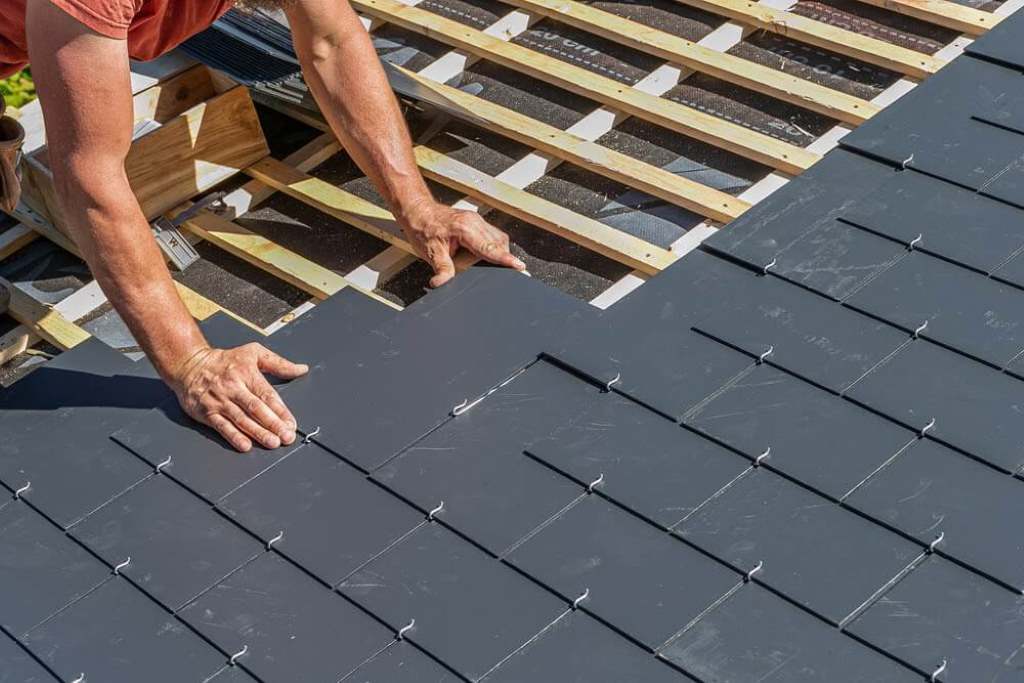
Slate roofing is a premium option among top weather-resistant roofing systems for harsh climates. This natural stone material lasts over 100 years and resists rain, wind, and snow. Its dense structure provides excellent insulation, keeping homes comfortable in extreme temperatures. Slate also withstands fire and mold, ideal for wet or cold climates.
Furthermore, slate’s durability shines in heavy rain and high winds. A 2023 study by the Roofing Institute found slate roofs endure 30% longer than asphalt in stormy regions. My cousin’s slate roof in a snowy mountain town still looks pristine after decades. However, slate is heavy and costly, requiring strong structural support. For homeowners seeking long-term protection and elegance, slate is unmatched.
Clay and Concrete Tiles: Heat-Resistant Champions
Clay and concrete tiles excel in hot climates, making them top weather-resistant roofing systems for harsh climates. Their thermal resistance keeps homes cool by reflecting sunlight. Clay tiles last 50-100 years and resist fire, ideal for wildfire-prone areas. Concrete tiles, slightly cheaper, offer similar durability and energy efficiency. Try Budget-Friendly Roofing Options for Every Homeowner.
Additionally, these tiles handle high winds and heavy rain well. According to the U.S. Department of Energy, clay tiles reduce cooling costs by up to 20% in hot climates. I saw this firsthand when visiting a relative in Arizona; their clay-tiled home stayed cool despite scorching heat. However, their weight demands a sturdy roof frame. For dry, hot regions, these tiles are a reliable, stylish choice.
Asphalt Shingles: Affordable and Versatile
Asphalt shingles are popular for their affordability among top weather-resistant roofing systems for harsh climates. Modern architectural shingles resist winds up to 130 mph and perform well in moderate rain or snow. They come in various colors, blending style with function. Their lifespan averages 15-30 years with proper care.
Moreover, impact-resistant asphalt shingles handle hail and debris better than standard ones. A study by the Roofing Contractors Association showed these shingles reduce repair costs by 25% in storm-prone areas. My old home had asphalt shingles that weathered many rainy seasons without issues. However, they’re less durable in extreme heat or cold. For budget-conscious homeowners in moderate climates, asphalt shingles are a practical choice.
Synthetic Roofing: Modern Durability
Synthetic roofing, made from rubber or plastic, mimics slate or wood while offering superior weather resistance. These materials rank high among top weather-resistant roofing systems for harsh climates. They resist hail, high winds, and temperature swings. Lightweight and eco-friendly, synthetics last 30-50 years with minimal maintenance.
Furthermore, synthetic roofs are customizable and energy-efficient. They reduce cooling costs in hot climates by reflecting sunlight. I noticed a neighbor’s synthetic roof looking pristine after a brutal storm season, unlike nearby asphalt roofs. Their installation is straightforward, lowering labor costs. However, they can be pricier than asphalt. For homeowners seeking durability and style, synthetic roofing is a forward-thinking option.
EPDM and TPO: Commercial-Grade Solutions
EPDM and TPO are single-ply membranes often used in commercial settings but gaining residential popularity. These top weather-resistant roofing systems for harsh climates excel in wet and windy conditions. EPDM, a synthetic rubber, resists hail and UV radiation. TPO offers similar durability with added reflectivity for hot climates.
Additionally, both materials are lightweight and easy to install. A 2024 report by Nations Roof noted EPDM roofs withstand 20% more wind damage than traditional materials. My uncle’s warehouse with an EPDM roof survived a coastal storm with no leaks. However, they require professional installation for optimal performance. For flat or low-slope roofs in harsh climates, EPDM and TPO are excellent choices.
Choosing the Right Roof for Your Climate
Selecting the best roof depends on your local climate. Top weather-resistant roofing systems for harsh climates vary by region. In hot areas, reflective materials like metal or clay tiles reduce cooling costs. Cold climates need snow-shedding options like metal or slate. Wet regions benefit from water-resistant EPDM or asphalt with anti-algae coatings.
Moreover, consider your home’s structure and budget. Heavy materials like slate require strong framing, while asphalt suits tighter budgets. I learned this when helping a friend pick a roof for their coastal home; metal was ideal for wind resistance. Consulting a local roofing expert ensures the best fit.
Maintenance Tips for Long-Lasting Roofs
Maintaining your roof extends its life, especially in harsh climates. Regular inspections catch issues early, preventing costly repairs. Clean debris from gutters to avoid water buildup. For metal roofs, check for loose fasteners every few years. Slate and tiles need periodic sealing to prevent mold.
Additionally, trim overhanging branches to reduce debris and impact risks. After a storm, I always inspect my roof for damage, a habit that saved me from a small leak becoming a big problem. Schedule professional checkups annually, as advised by the Roofing Institute. Proper care ensures your top weather-resistant roofing system for harsh climates performs for decades.
Conclusion
Top weather-resistant roofing systems for harsh climates protect your home from nature’s toughest challenges. Metal, slate, clay, asphalt, synthetic, and EPDM roofs offer durability and energy efficiency. Each material suits specific climates, from scorching deserts to snowy mountains. Choosing the right system saves money and boosts home value. My experience with a sturdy metal roof during a storm convinced me of their worth. Invest in a roof that matches your climate and budget for long-term peace of mind. Share your roofing experiences in the comments or spread this guide to help others find the best solution!
FAQs
What are the most durable roofing materials for harsh climates?
Metal, slate, and clay tiles are the most durable, lasting 50-100 years and resisting wind, rain, and heat.
How do I choose a roof for a hurricane-prone area?
Opt for metal or impact-resistant asphalt shingles, which withstand winds up to 140 mph and debris.
Are weather-resistant roofs energy-efficient?
Yes, materials like metal and clay reflect heat, reducing cooling costs by up to 20%, per the Department of Energy.
What maintenance do weather-resistant roofs need?
Regular inspections, gutter cleaning, and sealing for tiles or synthetics ensure longevity, especially after storms.
Can I install a weather-resistant roof on a budget?
Asphalt shingles and synthetic roofing offer affordable, durable options for moderate climates with minimal upkeep.







