
Texas faces some of the most severe weather conditions in the United States. From devastating hailstorms to powerful hurricanes, weather-related roof problems plague homeowners across the Lone Star State. Understanding these challenges helps property owners prepare for potential damage and make informed decisions about roof maintenance. Additionally, knowing what to expect from Texas weather can save thousands in repair costs. This comprehensive guide explores the most common weather-related roof issues, prevention strategies, and recovery solutions for Texas residents.
Understanding Texas Weather Patterns and Their Impact on Roofing Systems
The Unique Climate Challenge of the Lone Star State
Texas experiences diverse weather patterns that create perfect conditions for roof damage. The state’s vast geography spans multiple climate zones, from humid subtropical in the east to arid desert in the west. However, severe weather systems frequently develop across all regions, making weather-related roof problems a statewide concern.
The convergence of warm, moist air from the Gulf of Mexico with cool, dry air masses creates ideal conditions for severe thunderstorms. These storms often produce large hail, damaging winds, and heavy rainfall that can overwhelm roofing systems. Therefore, Texas homeowners must understand their local weather patterns to protect their investments effectively.
Seasonal Weather Threats That Damage Roofing Materials
Spring typically brings the most destructive weather to Texas. March through June sees peak tornado activity and severe hailstorm frequency. Moreover, this period coincides with rapid temperature fluctuations that stress roofing materials through constant expansion and contraction cycles.
Summer heat creates additional challenges for Texas roofs. Extreme temperatures often exceed 100°F for extended periods, causing asphalt shingles to deteriorate rapidly. Furthermore, intense UV radiation breaks down roofing materials, making them more susceptible to damage from subsequent weather events.
Hailstorm Damage: The Leading Cause of Roof Destruction in Texas
The Scale of Hail Damage Across Texas Counties
Texas maintains its position as the state with the highest recorded losses, revealing a significant figure of $2,207.73 in annual property damage per 100 residents. This statistic demonstrates the enormous financial impact hailstorms have on Texas communities. Additionally, from 1980-2024, there were 190 confirmed weather/climate disaster events with losses exceeding $1 billion each to affect Texas, including 126 severe storm events.
The concentration of hail damage varies significantly across Texas regions. North-central Texas, including the Dallas-Fort Worth metroplex, experiences some of the most frequent and severe hailstorms. However, the Hill Country and South Plains regions also face substantial hail-related roof damage annually.
How Different Hail Sizes Affect Various Roofing Materials
Hail damage severity depends on stone size, wind speed, and roofing material composition. Pea-sized hail (quarter-inch diameter) typically causes minimal damage to quality roofing systems. However, golf ball-sized hail (1.75 inches) can crack asphalt shingles and dent metal roofing materials significantly.
The national average for roof repair from hail damage is $11,750, with golf-ball-sized hailstones driving costs up to $35,000 in some areas. Therefore, understanding hail size classifications helps homeowners assess potential damage and insurance claims more effectively.
Softball-sized hail (4+ inches) can completely destroy most residential roofing systems. These massive stones penetrate shingles, create holes in decking, and compromise structural integrity. Additionally, large hailstones often accompany severe wind conditions that compound the damage to roofing systems.
Hurricane and Tropical Storm Roof Damage Along the Texas Coast
Coastal Vulnerability to Hurricane-Force Winds and Storm Surge
Texas coastal regions face unique challenges from hurricanes and tropical storms. Between 1986 and 2015, hurricanes caused $515.4 billion in insured damages, with Texas among the most heavily impacted states. These powerful storms bring multiple threats that can devastate roofing systems within hours.
Hurricane-force winds exceeding 74 mph can lift shingles, tear off entire roof sections, and launch debris that punctures roofing materials. Additionally, storm surge can flood coastal homes, saturating roofing materials and compromising structural connections. The combination of wind and water damage often requires complete roof replacement.
Inland Hurricane Damage That Extends Beyond Coastal Areas
Many Texas residents underestimate hurricane threats to inland communities. Hurricane Harvey in 2017 demonstrated how tropical systems can maintain destructive power hundreds of miles from the coast. The storm’s slow movement caused prolonged rainfall that overwhelmed drainage systems and created widespread flooding.
Inland hurricane damage often includes roof failures from sustained winds, falling trees, and structural flooding. Moreover, the extended duration of these events allows water infiltration through minor roof compromises that expand into major problems. Therefore, all Texas residents should prepare for potential hurricane impacts, regardless of distance from the coast.
Wind Damage: The Silent Destroyer of Texas Roofing Systems
Understanding How High Winds Compromise Roof Integrity
Straight-line winds and microbursts frequently occur across Texas, causing significant roof damage without the fanfare of hurricanes or tornadoes. These wind events can produce gusts exceeding 100 mph that lift shingles, damage flashing, and compromise roof-to-wall connections.
Wind damage often begins with minor shingle lifting that allows water infiltration during subsequent storms. Additionally, repeated wind exposure gradually weakens fastener connections and creates vulnerable points for future weather events. Regular roof inspections help identify wind damage before it becomes a major structural problem.
Identifying and Preventing Wind-Related Roof Vulnerabilities
Common wind damage signs include loose or missing shingles, damaged gutters, and compromised flashing around chimneys or vents. Furthermore, granule loss from asphalt shingles indicates wind abrasion that reduces the roof’s protective capabilities.
Prevention strategies include proper shingle installation with adequate fasteners, regular maintenance of roof-to-wall connections, and prompt repair of minor damage. Additionally, installing impact-resistant roofing materials can significantly reduce wind damage susceptibility and potentially lower insurance premiums.
Severe Thunderstorm Impacts on Texas Residential and Commercial Roofs
The Destructive Power of Texas Thunderstorm Systems
Texas thunderstorms can produce multiple hazards simultaneously, including large hail, damaging winds, and torrential rainfall. Recent storms in Texas have produced massive hail, leading to injuries and damaged buildings, with reports of collapsed buildings and torn-off roofs. These multi-hazard events often overwhelm roofing systems designed to handle individual weather threats.
The rapid development of Texas thunderstorms gives homeowners little time to prepare for potential damage. Additionally, these storms can produce localized damage patterns where one neighborhood suffers extensive roof damage while adjacent areas remain unaffected.
Lightning Strikes and Electrical Damage to Roofing Components
Lightning strikes can cause immediate roof damage through direct impact or electrical surges that damage roofing accessories. Metal roofing components, satellite dishes, and HVAC equipment create attractive targets for lightning strikes that can puncture roofing materials or cause fires.
Moreover, lightning-induced power surges can damage electronic components in modern roofing systems, including smart vents, solar panels, and monitoring equipment. Therefore, proper grounding and surge protection become essential components of comprehensive roof protection strategies.

Tornado Threats and Catastrophic Roof Failures Across Texas Regions
Texas Tornado Alley and High-Risk Geographic Areas
Texas leads the nation in tornado frequency, with an average of 132 tornadoes annually. The state’s position in Tornado Alley creates conditions where rotating supercells frequently develop and produce destructive tornadoes. Additionally, the flat terrain allows tornadoes to travel long distances, affecting multiple communities.
Moore County, Potter County, and other Panhandle regions experience the highest tornado concentrations. However, tornadoes can occur anywhere in Texas, making statewide preparedness essential. Furthermore, climate change may be shifting traditional tornado patterns, requiring updated risk assessments for insurance and construction purposes.
Preparing Roofing Systems for Potential Tornado Damage
While no residential roof can withstand direct tornado impact, proper construction techniques can improve survival odds for near-miss events. Installing hurricane straps, using appropriate fastener spacing, and choosing impact-resistant materials help roofs survive intense winds and debris impacts.
Safe rooms and storm shelters provide crucial protection for residents during tornado events. Additionally, maintaining detailed roof documentation, including photos and receipts, helps expedite insurance claims after tornado damage occurs.
Regional Weather Patterns That Create Unique Roofing Challenges
East Texas: Humidity, Heat, and Hurricane Threats
East Texas faces unique challenges from high humidity levels that promote moss and algae growth on roofing surfaces. These biological growths can compromise shingle integrity and create moisture retention problems. Additionally, the region’s proximity to the Gulf Coast increases hurricane and tropical storm exposure.
The dense tree coverage in East Texas creates additional roof damage risks from falling branches during severe weather events. Therefore, regular tree maintenance and roof inspections become essential protective measures for homeowners in this region.
West Texas: Extreme Heat and Dust Storm Damage
West Texas experiences some of the most extreme temperature variations in the state. Daily temperature swings of 40°F or more stress roofing materials through rapid expansion and contraction cycles. Additionally, prolonged exposure to intense UV radiation accelerates material deterioration.
Dust storms (haboobs) create unique challenges for West Texas roofing systems. These events can sandblast roofing surfaces, clog gutters with debris, and compromise air intake systems. Moreover, dust accumulation can mask early signs of roof damage, delaying necessary repairs.
Central Texas: Hail Alley and Flash Flood Risks
Central Texas, particularly the Austin-San Antonio corridor, sits in the heart of “Hail Alley” where atmospheric conditions frequently produce large hailstones. Recent storms in areas like San Marcos have demonstrated the destructive power of fast-moving severe weather systems. This region experiences some of the most frequent and severe hail damage in the world.
Flash flooding poses additional challenges for Central Texas roofs. Heavy rainfall can overwhelm drainage systems and create ponding water that infiltrates through minor roof compromises. Additionally, debris-laden floodwaters can damage roof edges and compromise structural connections.
Personal Experience: Surviving the 2021 Texas Freeze and Roof Damage
During the February 2021 winter storm, I witnessed firsthand how extreme weather can devastate unprepared roofing systems. My neighbor’s house suffered significant damage when ice dams formed along the roof edge, causing water backup that infiltrated the attic space. Additionally, the weight of accumulated ice and snow caused several gutters to detach from the roof structure.
The experience taught me valuable lessons about winterization and emergency preparedness. Furthermore, it demonstrated how multiple weather threats can compound damage when roofing systems lack proper maintenance. The insurance claims process took months to complete, emphasizing the importance of detailed documentation and professional damage assessment.
Warning Signs That Indicate Weather-Related Roof Damage
Interior Signs of Roof Compromise
Water stains on ceilings or walls often indicate roof damage that requires immediate attention. Additionally, musty odors, peeling paint, or wallpaper can signal moisture infiltration from compromised roofing systems. These interior signs may appear days or weeks after the initial weather event.
Sagging ceiling areas or visible structural deformation indicate serious roof damage that threatens building integrity. Moreover, unusual drafts or temperature variations between rooms can suggest compromised roof insulation or air sealing. Therefore, homeowners should investigate any interior changes following severe weather events.
Exterior Damage Assessment Techniques
Safety Considerations for Roof Inspection After Severe Weather
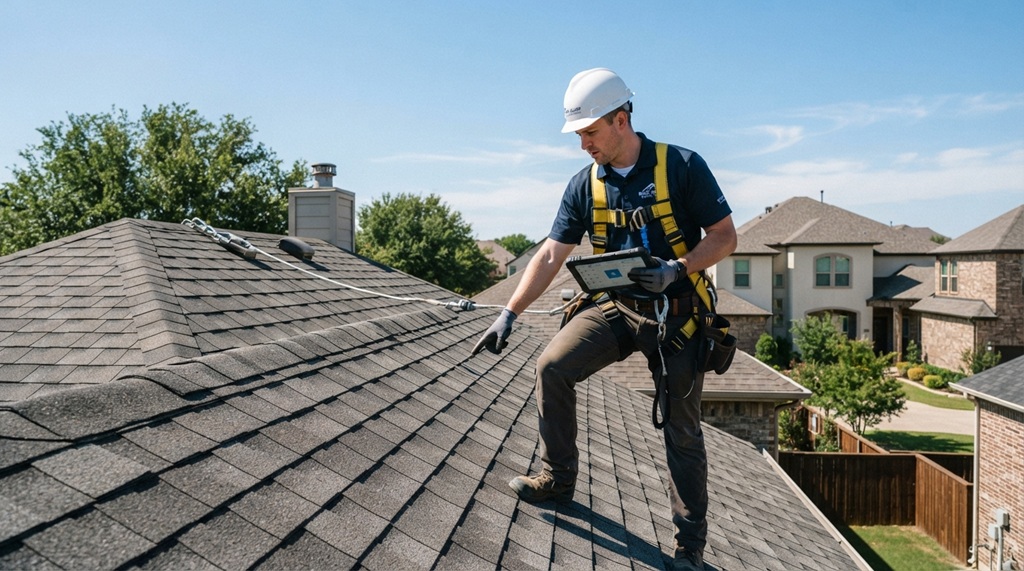
Ground-level inspection should always precede any roof climbing attempts. Using binoculars to examine roof surfaces helps identify obvious damage without risking personal injury. Additionally, checking gutters and downspouts for debris or damage provides clues about roof condition.
Professional roof inspections become essential after significant weather events. Trained inspectors can identify subtle damage that untrained eyes might miss. Furthermore, professional documentation supports insurance claims and helps prioritize repair needs effectively.
Prevention Strategies for Weather-Related Roof Problems
Choosing Weather-Resistant Roofing Materials for Texas Conditions
Impact-resistant shingles rated for Class 4 hail provide superior protection against Texas weather conditions. These materials undergo rigorous testing to withstand repeated impacts from steel balls dropped at terminal velocity. Additionally, many insurance companies offer premium discounts for impact-resistant roofing installations.
Metal roofing systems offer excellent longevity and weather resistance for Texas applications. However, proper installation and fastening become critical for wind resistance. Furthermore, metal roofs require adequate insulation to manage thermal expansion and contraction in extreme temperature conditions.
Regular Maintenance Schedules That Prevent Weather Damage
Seasonal roof inspections help identify minor problems before they become major failures. Spring inspections should focus on winter damage and preparation for severe weather season. Additionally, fall inspections help address summer heat damage and prepare for potential winter weather.
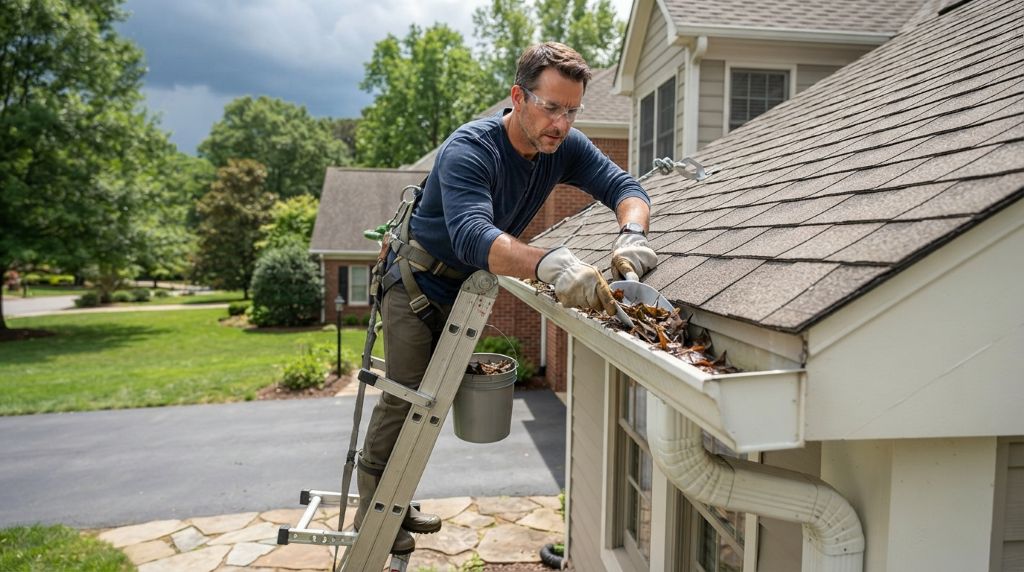
Gutter cleaning and maintenance prevent water backup that can compromise roof edges during heavy rainfall events. Moreover, removing debris and checking flashing connections helps maintain proper drainage and weather protection. Therefore, establishing regular maintenance schedules reduces weather-related damage susceptibility.
Insurance Considerations and Claim Documentation for Texas Weather Damage
Understanding Texas Insurance Regulations and Coverage Options
Texas insurance regulations require specific coverage options for weather-related damage. Additionally, understanding deductible structures helps homeowners make informed decisions about coverage levels. Wind and hail deductibles often differ from general property deductibles, affecting out-of-pocket costs significantly.
Replacement cost coverage provides superior protection compared to actual cash value policies. Furthermore, code upgrade coverage helps address situations where repairs must meet current building standards. Therefore, reviewing policy details annually ensures adequate protection for potential weather damage.
Proper Documentation Techniques for Weather Damage Claims
Photographing damage immediately after weather events provides crucial evidence for insurance claims. Additionally, keeping receipts for emergency repairs and temporary protection measures supports reimbursement requests. Professional damage assessments often carry more weight than homeowner documentation alone.
Maintaining detailed records of roof maintenance and improvements demonstrates proper care that can positively influence claim settlements. Moreover, understanding claim timelines and requirements helps expedite the settlement process. Therefore, proactive documentation significantly improves claim outcomes for weather-related roof damage.
Professional Roof Inspection and Repair Services in Texas
Selecting Qualified Contractors for Weather Damage Assessment
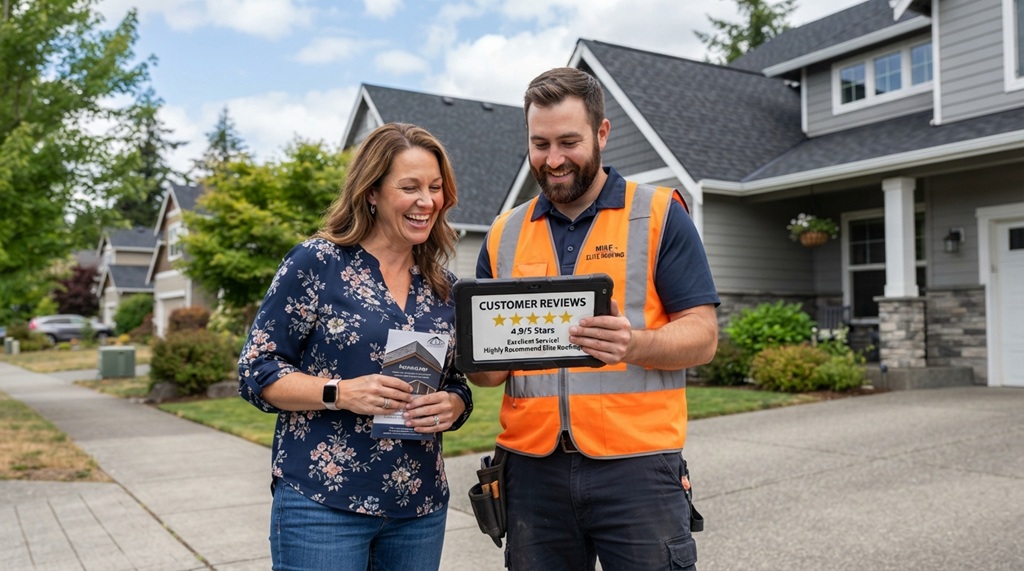
Licensed and insured contractors provide essential expertise for weather damage assessment and repair. Additionally, contractors familiar with local building codes and insurance requirements offer valuable guidance through the repair process. Checking references and Better Business Bureau ratings helps identify reputable service providers.
Storm-chasing contractors often appear after significant weather events, but local established businesses typically provide superior service and warranty support. Furthermore, obtaining multiple estimates helps ensure fair pricing and comprehensive damage assessment. Therefore, choosing qualified local contractors improves repair outcomes and long-term satisfaction.
Emergency Repair Services and Temporary Protection Measures
Immediate action after weather damage helps prevent additional deterioration from subsequent rainfall or weather events. Tarping damaged areas provides temporary protection while permanent repairs are planned and executed. Additionally, emergency services help maintain habitability during the repair process.
Professional emergency services include water extraction, temporary weatherization, and structural stabilization. Moreover, proper emergency repairs support insurance claims by demonstrating efforts to minimize additional damage. Therefore, establishing relationships with emergency service providers before weather events ensures rapid response capabilities.
Cost Analysis of Weather-Related Roof Repairs in Texas
Average Repair Costs for Different Types of Weather Damage
Hail damage repair costs vary significantly based on damage extent and roofing materials. Minor repairs may cost several hundred dollars, while complete roof replacement can exceed $20,000 for average-sized homes. Additionally, material availability and contractor demand following major weather events influence pricing.
Hurricane and tornado damage often requires complete roof replacement due to structural compromise. These extensive repairs may cost $15,000 to $40,000 depending on home size and material choices. Furthermore, temporary living expenses during repairs add to the total weather damage costs.
Long-Term Financial Benefits of Weather-Resistant Roofing Investments
Investing in weather-resistant roofing materials provides long-term financial benefits through reduced repair frequency and insurance savings. Impact-resistant roofing systems typically last longer and require fewer repairs than standard materials. Additionally, some utility companies offer rebates for energy-efficient roofing installations.
Insurance premium reductions for impact-resistant roofing can offset additional material costs over time. Moreover, weather-resistant roofing systems often increase property values and improve marketability. Therefore, considering long-term costs justifies investing in superior roofing materials for Texas applications.
Emergency Preparedness and Response Planning for Severe Weather Events
Creating Comprehensive Weather Response Plans
Effective weather response plans include evacuation procedures, emergency supplies, and communication strategies. Additionally, identifying safe areas within the home provides protection during severe weather warnings. Maintaining battery-powered weather radios ensures continued weather information during power outages.
Emergency supply kits should include tarps, nails, and basic tools for temporary roof repairs. Moreover, keeping important documents in waterproof containers protects crucial information during flooding events. Therefore, comprehensive planning reduces chaos and improves safety during weather emergencies.
Post-Storm Safety Protocols and Damage Assessment Procedures
Electrical hazards pose significant risks following severe weather events. Additionally, structural damage may not be immediately visible, making professional assessment essential before occupying damaged buildings. Carbon monoxide dangers from generators require proper ventilation and detection equipment.
Documenting damage immediately after weather events supports insurance claims and repair planning. Furthermore, prioritizing repairs based on safety and weather protection helps allocate resources effectively. Therefore, following established protocols improves safety and recovery outcomes.
Future Climate Considerations and Roofing Adaptation Strategies
Climate Change Impacts on Texas Weather Patterns
Climate change may intensify extreme weather events affecting Texas roofing systems. Additionally, shifting precipitation patterns could alter traditional flood risks and drainage requirements. Rising temperatures may accelerate roofing material deterioration and increase cooling costs.
Adaptation strategies include selecting materials rated for higher temperature ranges and more intense weather events. Furthermore, improved building codes may require enhanced weather resistance for new construction. Therefore, considering future climate conditions helps inform current roofing decisions.
Emerging Technologies for Weather-Resistant Roofing Systems
Advanced roofing materials incorporate nanotechnology and synthetic compounds that provide superior weather resistance. Additionally, smart roofing systems include sensors that monitor condition and alert homeowners to potential problems. Solar integration offers energy benefits while providing weather protection.
Cool roofing technologies reduce heat absorption and lower cooling costs in hot climates. Moreover, improved installation techniques and fastening systems enhance wind resistance capabilities. Therefore, emerging technologies offer promising solutions for Texas weather challenges.
Conclusion
Weather-related roof problems present ongoing challenges for Texas property owners across all regions of the state. From devastating hailstorms in Central Texas to hurricane threats along the coast, understanding these risks helps homeowners make informed protection decisions. Additionally, proper preparation, quality materials, and professional maintenance significantly reduce weather damage susceptibility.
The financial impact of weather-related roof damage continues growing as extreme weather events become more frequent and intense. However, investing in weather-resistant roofing systems and comprehensive insurance coverage provides long-term protection and peace of mind. Therefore, Texas homeowners should prioritize roof protection as an essential component of property stewardship and financial planning.
Taking proactive steps today prevents costly emergency repairs tomorrow. Moreover, working with qualified professionals ensures proper installation and maintenance that maximizes roofing system performance. The challenges are significant, but with proper knowledge and preparation, Texas homeowners can successfully protect their most important investment from whatever weather nature delivers.
Frequently Asked Questions
What size hail typically causes roof damage in Texas?
Hail stones larger than one inch in diameter can cause significant damage to most roofing materials. Golf ball-sized hail (1.75 inches) commonly creates cracks in asphalt shingles and dents in metal roofing. However, even smaller hail can damage older or already compromised roofing systems.
How often should Texas homeowners inspect their roofs for weather damage?
Texas homeowners should conduct visual roof inspections at least twice yearly, preferably in spring and fall. Additionally, inspections should occur after any significant weather event, including hailstorms, high winds, or heavy rainfall. Professional inspections every 2-3 years help identify subtle damage.
Do impact-resistant shingles really provide better protection against Texas weather?
Yes, Class 4 impact-resistant shingles undergo rigorous testing and provide superior protection against hail damage. These materials can withstand repeated impacts from 2-inch steel balls dropped at terminal velocity. Many insurance companies offer premium discounts for impact-resistant roofing installations.
What should homeowners do immediately after severe weather damages their roof?
First, ensure personal safety and avoid walking on potentially damaged roofing surfaces. Document damage with photographs from ground level, cover exposed areas with tarps if possible, and contact your insurance company promptly. Additionally, keep receipts for emergency repairs and temporary protection measures.
How long do weather-resistant roofing materials typically last in Texas conditions?
High-quality impact-resistant shingles typically last 25-30 years in Texas conditions with proper maintenance. Metal roofing systems can last 40-50 years or more. However, extreme weather exposure, inadequate maintenance, and installation quality significantly affect lifespan expectations.
Have you experienced weather-related roof damage in Texas? Share your story in the comments below and help other homeowners learn from your experience. Don’t forget to share this article with friends and neighbors who might benefit from this information!
Read More: