
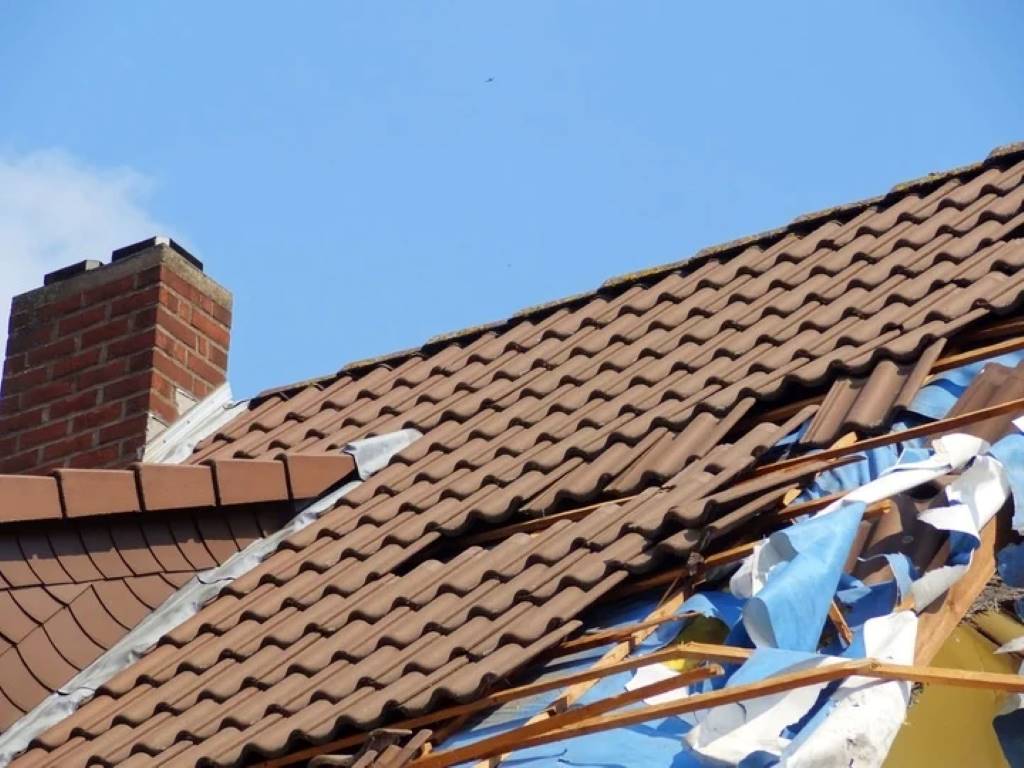
Texas homes face unique challenges when it comes to roof damage. Harsh weather, poor maintenance, and aging materials can wreak havoc on rooftops across the state. Understanding the top causes of roof failure helps homeowners act quickly to protect their investment. This article explores why roofs in Texas deteriorate, offering practical insights to identify and address issues. From storms to neglect, we’ll uncover what threatens your roof and how to prevent costly repairs. Stay informed and keep your home safe by learning these key factors.
Extreme Weather Conditions Cause Significant Roof Damage
Texas weather is relentless, with hurricanes, hailstorms, and high winds frequently battering homes. According to a 2023 study by the National Oceanic and Atmospheric Administration (NOAA), Texas experienced 18 billion-dollar weather disasters, including storms that damaged 60% of residential roofs in affected areas. Hail can crack shingles, while winds lift or tear them away, exposing underlayment. Heavy rains from hurricanes often lead to leaks, especially if flashing is compromised.
Homeowners may notice missing shingles or water stains after storms. For example, after a hailstorm in Austin, I found dents in my roof’s metal flashing, which led to minor leaks. Regular inspections after severe weather can catch these issues early. Delaying repairs risks mold growth or structural damage, increasing costs. Checking for granule loss or cracked tiles is a simple way to assess storm-related harm.
Poor Roof Maintenance Leads to Premature Failure
Neglecting roof maintenance is a common cause of failure in Texas homes. Dust, debris, and algae buildup can weaken shingles over time. The Texas Department of Insurance reports that 70% of roof claims in 2022 were linked to preventable maintenance issues. Clogged gutters trap water, causing rot, while untrimmed trees scrape or drop branches onto roofs during storms.
Routine care, like cleaning gutters twice yearly, prevents water pooling. I learned this the hard way when leaves clogged my gutters, leading to water seeping under shingles. Scheduling annual inspections by professionals can spot small problems before they escalate. Additionally, removing moss or algae with a low-pressure wash preserves shingle integrity. Homeowners should prioritize these tasks to extend roof life and avoid expensive replacements. Discover How to Treat a Water Damaged Ceiling.
Aging Roofing Materials Weaken Over Time
Roofing materials don’t last forever, especially in Texas’s harsh climate. Asphalt shingles, common in the state, typically last 15–20 years, but intense heat and UV rays accelerate wear. A 2021 study by Texas A&M University found that 65% of roofs over 15 years showed significant granule loss, reducing their protective ability. Metal roofs, while durable, can corrode if not properly coated.

Signs of aging include curling shingles, bald spots, or rust on metal surfaces. I noticed my 18-year-old roof had brittle shingles that cracked easily, prompting a replacement. Homeowners should check manufacturer warranties and plan for replacements as materials age. Choosing high-quality, heat-resistant materials during installation can extend roof life, especially in Texas’s extreme conditions.
Improper Installation Contributes to Roof Problems
A poorly installed roof invites trouble, regardless of material quality. Incorrectly placed flashing, inadequate sealing, or improper shingle alignment can lead to leaks and premature wear. The Texas Department of Insurance notes that 25% of roof failures stem from installation errors, often unnoticed until damage appears. In humid areas like Houston, improper ventilation causes heat buildup, warping materials.
Hiring certified contractors is crucial. When my neighbor’s roof was replaced, shoddy installation led to leaks within a year. Checking contractor credentials and reviews helps avoid such issues. Homeowners should also request detailed installation plans and ensure proper ventilation systems are in place. These steps reduce the risk of costly repairs due to subpar workmanship.
Pest Infestations Damage Roof Structures
Pests like rodents, birds, and insects can wreak havoc on Texas roofs. Squirrels chew through shingles, while birds nest in vents, blocking airflow. Termites, common in Texas, can damage wooden underlayment, weakening the roof’s structure. A 2022 Texas A&M AgriLife study reported that 15% of rural homes had pest-related roof damage.
Signs include droppings, nesting materials, or small holes in shingles. I once found a bird’s nest clogging my roof vent, causing heat buildup. Regular inspections and sealing entry points deter pests. Homeowners can install vent covers or use pest-repellent materials during repairs. Addressing infestations early prevents structural issues and maintains roof integrity.
Tips to Prevent Roof Damage in Texas Homes
Protecting your roof requires proactive steps. Here are practical ways to minimize damage:
- Inspect regularly: Check for loose shingles or debris after storms.
- Clean gutters: Remove leaves and dirt twice yearly to prevent water buildup.
- Trim trees: Keep branches away from the roof to avoid scraping or falling debris.
- Hire professionals: Use certified contractors for installations and repairs.
- Address pests: Seal vents and use repellents to deter animals and insects.
Implementing these tips can save thousands in repairs. For example, trimming trees near my home prevented branch damage during a windstorm. Regular care ensures your roof withstands Texas’s tough conditions.
Conclusion
Roof damage in Texas homes stems from harsh weather, poor maintenance, aging materials, improper installation, and pests. By understanding these causes, homeowners can take proactive steps to safeguard their roofs. Regular inspections, timely repairs, and quality installations are key to avoiding costly damage. Don’t wait for leaks or missing shingles to act—start with simple maintenance like cleaning gutters or checking for pest activity. Share your roof care tips in the comments or spread this article to help others protect their homes!
FAQs
What are the most common signs of roof damage in Texas homes?
Look for missing shingles, water stains, granule loss, or cracked flashing, especially after storms.
How often should I inspect my roof in Texas?
Inspect your roof twice yearly and after major storms to catch issues early.
Can poor maintenance really cause roof failure?
Yes, neglecting gutters or debris removal can lead to water damage and rot.
What roofing materials are best for Texas weather?
Asphalt shingles with high wind ratings or coated metal roofs withstand Texas’s climate well.
How can I prevent pest damage to my roof?
Seal vents, install covers, and use pest-repellent materials during repairs.







