
Texas weather presents unique challenges for homeowners, particularly when it comes to roof protection. The Lone Star State experiences some of the most extreme weather conditions in the country. Scorching summer temperatures regularly exceed 100°F, while sudden hailstorms can unleash golf ball-sized ice chunks. These weather extremes create a perfect storm for roof damage. Understanding how heat and hail affect your roofing system helps you protect your investment. Additionally, recognizing early warning signs prevents costly repairs down the road. This comprehensive guide explores why Texas heat and hail are your roof’s worst enemies and provides practical solutions for homeowners.
Understanding Texas Weather Patterns and Their Impact on Roofing Systems
Texas experiences a diverse climate that varies significantly across its vast territory. The state’s location creates unique weather patterns that challenge roofing materials year-round. Summer temperatures often soar above 105°F in many regions, creating intense thermal stress on roofing components.
Hailstorms frequently occur during spring and early summer months, particularly in the notorious “Hail Alley.” This region stretches across North Texas and experiences some of the most severe hail activity in the world. According to the National Weather Service, Texas leads the nation in hail damage claims, with property damage exceeding $1.6 billion annually.
The combination of extreme heat followed by sudden temperature drops during storms creates thermal shock. This rapid expansion and contraction weakens roofing materials over time. Furthermore, the state’s high humidity levels accelerate material degradation, making roofs more vulnerable to damage.
How Extreme Texas Heat Damages Different Roofing Materials Over Time
Intense Texas heat affects various roofing materials in distinct ways, creating long-term structural problems. Asphalt shingles, the most common roofing material, suffer significant damage from prolonged sun exposure. The petroleum-based materials become brittle and crack under extreme temperatures.
Clay and concrete tiles expand and contract with temperature fluctuations, causing micro-fractures that worsen over time. Metal roofing systems, while generally heat-resistant, can experience thermal expansion that loosens fasteners and creates gaps. Additionally, the constant UV radiation breaks down protective coatings on all roofing materials.
Temperature extremes also affect underlying roof structures. Wooden decking expands and contracts, potentially causing nail pops and structural weakening. Insulation materials lose effectiveness when exposed to extreme heat, reducing energy efficiency. Therefore, regular inspections become crucial for identifying heat-related damage before it becomes costly.
The Science Behind Hail Formation and Why Texas Gets Hit So Hard
Texas experiences frequent hailstorms due to specific atmospheric conditions that favor hail development. The state’s flat terrain allows storm systems to build intensity without geographical barriers. Warm, moist air from the Gulf of Mexico collides with cool, dry air from the north, creating perfect conditions for severe thunderstorms.
Hailstones form when strong updrafts carry raindrops high into freezing atmospheric layers. These ice pellets grow larger as they circulate within storm clouds before eventually falling to earth. According to the Insurance Information Institute, Texas experiences approximately 60% of all significant hailstorms in the United States.
The size and velocity of hailstones determine their destructive potential. Golf ball-sized hail, common in Texas, can reach speeds of 100 mph upon impact. This tremendous force easily damages roofing materials, gutters, and other exterior components. However, even smaller hailstones can cause cumulative damage over multiple storm events.
Immediate Roof Damage Signs After Severe Texas Weather Events
Recognizing immediate damage signs helps homeowners address problems before they worsen. After hailstorms, inspect your roof safely from the ground using binoculars. Look for obvious signs like missing or cracked shingles, dented gutters, and damaged flashing around chimneys or vents.
Granule loss on asphalt shingles appears as dark spots or streaks where the protective coating has been removed. Exposed mat underneath indicates significant damage requiring professional attention. Additionally, check for punctures or holes in roofing materials, which can lead to water infiltration.
Interior signs include water stains on ceilings or walls, indicating compromised roof integrity. Attic inspections may reveal daylight streaming through damaged areas. Furthermore, increased energy bills often signal insulation damage from extreme weather. Document all damage with photographs for insurance purposes and contact professional roofers immediately for thorough assessments.
Long-term Consequences of Ignoring Heat and Hail Damage on Your Property
Neglecting weather-related roof damage leads to exponentially more expensive problems over time. Small cracks and punctures allow water infiltration, causing structural rot and mold growth. These issues compromise the entire roofing system and potentially affect interior living spaces.
Heat damage accelerates material aging, reducing roof lifespan significantly. What might have been a 20-year roof could require replacement in 10-15 years without proper maintenance. Additionally, energy costs increase as damaged insulation loses effectiveness and cooling systems work harder to maintain comfortable temperatures.
Insurance complications arise when homeowners delay repairs after known damage. Many policies require prompt notification and mitigation of damage to maintain coverage. Therefore, addressing weather damage quickly protects both your property investment and insurance benefits. Regular maintenance and prompt repairs ultimately save thousands of dollars in premature replacement costs.

Proven Roofing Materials That Withstand Texas Weather Extremes Better
Selecting appropriate roofing materials significantly impacts long-term performance in Texas weather conditions. Impact-resistant asphalt shingles rated Class 4 offer superior hail protection compared to standard materials. These reinforced shingles feature modified asphalt compounds that resist cracking and granule loss.
Metal roofing systems provide excellent heat reflection and hail resistance when properly installed. Standing seam metal roofs offer superior protection against both extreme temperatures and impact damage. However, proper ventilation remains crucial for preventing heat buildup in attic spaces.
Synthetic slate and tile options combine aesthetic appeal with weather resistance. These materials resist thermal cycling better than natural alternatives while maintaining attractive appearances. Additionally, cool roof technologies reflect solar radiation, reducing heat absorption and extending material lifespan. Consider consulting roofing professionals to determine the best materials for your specific location and budget.
Professional Roof Inspection Strategies for Texas Homeowners Throughout the Year
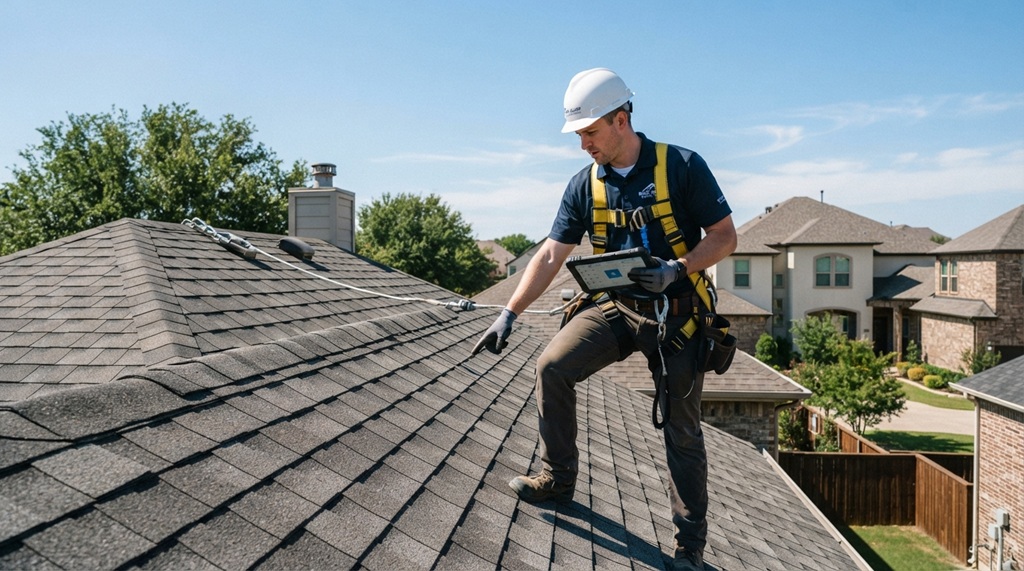
Regular professional inspections help identify potential problems before they become major repairs. Schedule comprehensive roof inspections twice yearly, preferably in spring and fall when weather conditions are moderate. Professional roofers have specialized equipment and training to identify subtle damage signs that homeowners might miss.
Spring inspections should focus on winter damage and preparation for severe weather season. Roofers check for loose or damaged shingles, compromised flashing, and gutter problems. Fall inspections prepare roofing systems for winter weather while addressing summer heat damage.
Additionally, schedule immediate post-storm inspections after significant weather events. Professional assessments document damage for insurance claims and prevent minor issues from becoming major problems. Many reputable roofing companies offer emergency inspection services following severe weather. Therefore, establishing relationships with trusted contractors before emergencies occur ensures prompt service when needed.
Emergency Preparedness and Response Plans for Severe Weather Damage
Developing comprehensive emergency plans helps homeowners respond effectively to weather-related roof damage. Create emergency contact lists including trusted roofing contractors, insurance agents, and restoration companies. Keep important documents like insurance policies and previous inspection reports easily accessible.
Prepare emergency supplies including tarps, rope, and basic tools for temporary damage mitigation. However, prioritize safety and avoid climbing on damaged roofs during or immediately after storms. Professional emergency services provide safe temporary repairs until permanent solutions can be implemented.
Document property conditions before storm seasons with photographs and video recordings. This documentation helps establish pre-existing conditions for insurance purposes. Furthermore, understand your insurance policy coverage limits and deductibles before filing claims. Quick response and proper documentation significantly improve claim outcomes and repair timelines.
Insurance Considerations and Documentation Requirements for Weather-Related Claims
Understanding insurance policy details helps homeowners navigate claims processes effectively after weather damage. Most homeowner policies cover sudden weather events like hailstorms but may exclude gradual deterioration from heat exposure. Review policy language carefully and consult with agents about coverage specifics.
Proper documentation proves essential for successful insurance claims. Photograph damage from multiple angles and maintain detailed repair estimates from licensed contractors. Additionally, keep receipts for temporary repairs and document all communication with insurance representatives.
File claims promptly after discovering damage, as many policies have specific notification timeframes. Work with reputable contractors who understand insurance processes and can provide accurate damage assessments. However, avoid contractors who offer to waive deductibles or provide unrealistic estimates, as these practices may violate insurance agreements.
Personal Experience: Learning from a Texas Hailstorm
Last spring, my neighbor experienced firsthand why Texas weather demands respect from homeowners. A sudden hailstorm with tennis ball-sized ice pellets lasted only fifteen minutes but caused extensive damage throughout our subdivision. Her twenty-year-old roof, previously in good condition, suffered significant impact damage across multiple areas.
The immediate aftermath revealed obvious problems like missing shingles and dented gutters. However, subtle damage became apparent during professional inspection, including compromised underlayment and loose flashing. Insurance adjusters documented over $15,000 in damage from that single storm event.
This experience taught valuable lessons about emergency preparedness and the importance of regular roof maintenance. Additionally, it demonstrated how quickly Texas weather can transform minor maintenance items into major replacement projects. Consequently, we now schedule annual professional inspections and maintain relationships with trusted roofing contractors.
Conclusion
Texas heat and hail present formidable challenges for roofing systems throughout the Lone Star State. Understanding these weather patterns and their effects helps homeowners protect their investments proactively. Regular inspections, appropriate material selection, and prompt damage response significantly extend roof lifespan and reduce repair costs.
The combination of extreme temperatures and severe hailstorms creates unique stresses that accelerate normal wear and aging processes. However, informed homeowners who prioritize roof maintenance and choose weather-resistant materials can successfully navigate these challenges. Additionally, proper insurance coverage and emergency preparedness provide financial protection when severe weather strikes.
Taking action before problems develop saves money and prevents extensive property damage. Schedule professional inspections, document your roof’s condition, and establish relationships with trusted contractors. Your roof protects your most valuable investment, and understanding Texas weather threats helps ensure that protection remains effective for years to come.
Have you experienced roof damage from Texas weather? Share your experiences in the comments below and help fellow homeowners learn from your situation. Don’t forget to share this article with friends and neighbors who might benefit from these insights.
Frequently Asked Questions
How often should Texas homeowners inspect their roofs for weather damage?
Texas homeowners should schedule professional roof inspections twice yearly, preferably in spring and fall. Additionally, conduct visual inspections after major weather events like hailstorms or extreme heat waves to identify immediate damage requiring prompt attention.
What are the most hail-resistant roofing materials for Texas homes?
Class 4 impact-resistant asphalt shingles, standing seam metal roofing, and synthetic slate materials offer superior hail protection. These materials undergo rigorous testing to withstand impact from large hailstones common in Texas weather patterns.
How quickly should I file an insurance claim after discovering roof damage?
File insurance claims within 30 days of discovering damage, though many policies require notification within one year. However, prompt filing ensures better documentation and prevents additional damage from worsening the initial problem.
Can extreme Texas heat void my roof warranty?
Extreme heat typically does not void manufacturer warranties, but improper installation or lack of adequate ventilation might. Review warranty terms carefully and ensure proper installation by certified contractors to maintain coverage validity.
What temporary measures can protect my roof during severe weather?
Secure loose materials, trim overhanging tree branches, and ensure gutters are clean before storm seasons. After damage occurs, professional contractors can install temporary tarps or covers, but avoid climbing on damaged roofs yourself for safety reasons.
Read more: