

The relentless expansion of urban landscapes, characterized by vast stretches of concrete, asphalt, and dark-colored rooftops, has inadvertently created a significant environmental challenge: The Urban Heat Island (UHI) effect. This phenomenon describes the measurable increase in air and surface temperatures in urban areas compared to their surrounding rural counterparts. The consequences are far-reaching, impacting energy consumption, air quality, human health, and even local ecosystems. Fortunately, innovative solutions are emerging to mitigate these adverse effects, and advanced green roofing technologies stand at the forefront of this urban cooling revolution.
This article delves into the sophisticated world of green roofing, exploring its advanced iterations and their profound potential in combating the UHI effect. We will move beyond the basic concept of vegetated roofs, examining cutting-edge designs, integrated technologies, and the multifaceted benefits they offer for creating more sustainable and resilient urban environments.
Understanding the Urban Heat Island Effect: A Looming Threat
Before exploring the solutions, it’s crucial to grasp the magnitude of the UHI problem. Several factors contribute to this temperature disparity:
- Absorption of Solar Radiation: Dark, impervious surfaces like asphalt and conventional roofing materials absorb a significant amount of solar radiation, converting it into heat. This heat is then radiated back into the surrounding air, raising ambient temperatures.
- Reduced Evapotranspiration: Natural vegetation plays a vital role in cooling the environment through evapotranspiration – the process of water evaporating from soil and transpiring from plant leaves. Urban areas, with their limited green spaces, significantly reduce this natural cooling mechanism.
- Anthropogenic Heat: Human activities, such as vehicle emissions, industrial processes, and the operation of air conditioning systems, release substantial amounts of heat into the urban atmosphere.
- Altered Wind Patterns: Tall buildings can disrupt natural wind flow, reducing the dispersion of heat and pollutants within urban canyons.
The consequences of the UHI effect are significant and multifaceted:
- Increased Energy Consumption: Higher ambient temperatures lead to increased demand for air conditioning, placing a strain on energy grids and escalating energy costs for individuals and businesses. This increased energy consumption often relies on fossil fuels, further contributing to greenhouse gas emissions.
- Deterioration of Air Quality: Elevated temperatures can accelerate the formation of ground-level ozone, a harmful air pollutant that can exacerbate respiratory problems. The UHI effect can also trap pollutants, leading to poorer air quality in urban areas.
- Impacts on Human Health: Prolonged exposure to higher temperatures can lead to heatstroke, heat exhaustion, and other heat-related illnesses, particularly affecting vulnerable populations such as the elderly, children, and those with pre-existing health conditions.
- Water Quality Issues: Warmer urban runoff from heated surfaces can carry pollutants into waterways, negatively impacting aquatic ecosystems.
- Reduced Biodiversity: The lack of green spaces and the harsh microclimates created by the UHI effect can limit biodiversity within urban areas, making it difficult for certain plant and animal species to thrive.
The Evolution of Green Roofing: From Extensive to Intensive and Beyond
Green roofs, at their core, are vegetated layers installed on top of conventional roof structures. They offer a natural and effective way to counteract the heat-absorbing properties of traditional roofing materials and introduce the cooling benefits of vegetation into the urban environment. Green roofs have evolved significantly over time, leading to a range of advanced solutions tailored to specific needs and environmental goals.
- Extensive Green Roofs: These are characterized by shallow growing media (typically less than 6 inches), lightweight vegetation such as sedums, grasses, and mosses, and minimal maintenance requirements. While offering significant benefits in terms of stormwater management and insulation, their cooling capacity might be less pronounced compared to more complex systems due to the limited biomass and evapotranspiration.
- Intensive Green Roofs: These feature deeper growing media (more than 6 inches), allowing for a wider variety of plants, including shrubs and even small trees. They resemble ground-level gardens and offer greater potential for biodiversity, recreational space, and enhanced cooling through increased evapotranspiration. However, they are heavier and require more structural support and maintenance.
Advanced Green Roofing Solutions: Pushing the Boundaries of Sustainability
Building upon these foundational types, advanced green roofing solutions incorporate innovative technologies and design principles to maximize their effectiveness in combating the UHI effect and delivering a wider range of benefits:
- Blue-Green Roofs: These systems integrate water retention and detention layers beneath the growing media. This allows the roof to capture and temporarily store rainwater, which can then be gradually released, reducing stormwater runoff and the strain on urban drainage systems. The stored water also enhances evapotranspiration, leading to significant cooling effects, especially during dry periods. Smart sensors and control systems can optimize water release based on weather forecasts and plant needs.
- Bio-Solar Roofs: This innovative approach combines the benefits of green roofs with photovoltaic (PV) panels for renewable energy generation. Integrating solar panels with vegetation can lead to synergistic effects. The vegetation can help to cool the solar panels, increasing their efficiency, while the panels can provide shade for certain plant species, reducing water stress. Careful design is crucial to optimize both energy generation and plant health.
- Cool Green Roofs: These systems combine the reflective properties of cool roofing materials with the evaporative cooling of vegetation. The base layer of the roof utilizes highly reflective materials to reduce initial heat absorption, while the green roof layer further mitigates heat buildup through evapotranspiration. This hybrid approach can offer superior cooling performance compared to either technology alone.
- Modular Green Roof Systems: These pre-vegetated units are grown off-site and then transported and installed as self-contained modules. This approach offers several advantages, including easier installation, reduced disruption to building occupants, and the ability to relocate or reconfigure the green roof if needed. Advanced modular systems can incorporate features like integrated drainage and irrigation.
- Living Walls Integrated with Roofs: While technically vertical greening systems, integrating living walls that connect seamlessly with the rooftop vegetation can further enhance the cooling effect through increased evapotranspirative surface area. These integrated systems can also improve building aesthetics and create valuable vertical habitats.
- Smart Green Roofs: The integration of sensors, data analytics, and automated control systems is ushering in a new era of intelligent green roofs. Sensors can monitor soil moisture, temperature, humidity, and plant health, providing valuable data for optimizing irrigation, nutrient delivery, and overall system performance. Automated irrigation systems can precisely deliver water based on plant needs and weather conditions, minimizing water waste and maximizing cooling efficiency.
Related: In-Depth Guide to Starlink Non-Penetrating Roof Mounts
Optimizing Green Roof Design and Implementation for UHI Mitigation
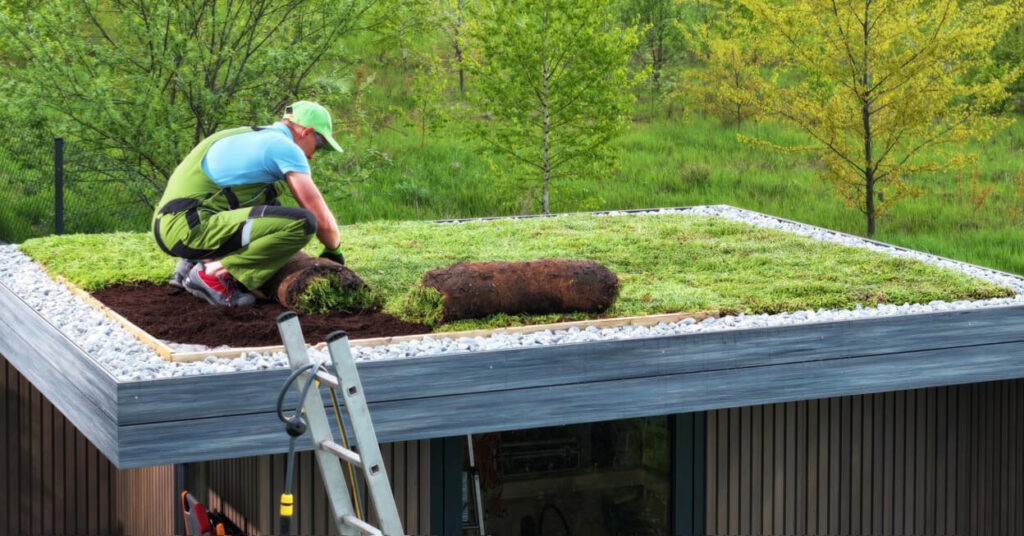
The effectiveness of advanced green roofing solutions in combating the UHI effect depends on careful design and implementation. Key considerations include:
- Plant Selection: Choosing plant species that are well-adapted to the local climate, drought-tolerant, and have high evapotranspiration rates is crucial for maximizing cooling benefits. Native species often thrive with minimal intervention and support local biodiversity.
- Growing Media Composition: The type and depth of the growing media significantly influence water retention, drainage, and plant health, which in turn affects evapotranspiration rates. Engineered growing media can be tailored to specific plant requirements and water management goals.
- Irrigation Systems: Efficient irrigation systems, such as drip irrigation or sub-surface irrigation, can deliver water directly to the plant roots, minimizing evaporation losses and maximizing water use efficiency. Smart irrigation controls based on sensor data can further optimize water usage.
- Drainage and Water Retention: Proper drainage is essential to prevent waterlogging and root rot. Integrating water retention layers, as seen in blue-green roofs, can enhance cooling and reduce stormwater runoff.
- Albedo of Non-Vegetated Surfaces: Even in green roof systems, non-vegetated components like walkways or gravel areas can absorb heat. Selecting light-colored, high-albedo materials for these areas can help to minimize heat absorption.
- Roof Slope and Orientation: These factors can influence solar radiation exposure and water runoff patterns, which should be considered during the design process.
- Maintenance: Regular maintenance, including weeding, pruning, and ensuring proper drainage, is essential for the long-term performance and cooling efficiency of green roofs.
The Multifaceted Benefits of Advanced Green Roofing
Beyond their significant contribution to UHI mitigation, advanced green roofing solutions offer a wide array of additional benefits:
- Improved Building Energy Efficiency: Green roofs provide insulation, reducing heat gain in the summer and heat loss in the winter, leading to lower heating and cooling costs.
- Enhanced Stormwater Management: They can significantly reduce the volume and rate of stormwater runoff, alleviating pressure on urban drainage systems and reducing the risk of flooding and water pollution.
- Extended Roof Lifespan: The protective layers of a green roof shield the underlying roofing membrane from UV radiation, temperature fluctuations, and physical damage, extending its lifespan.
- Improved Air Quality: Vegetation on green roofs can filter pollutants and dust particles from the air, contributing to improved local air quality.
- Increased Biodiversity: Green roofs can provide valuable habitat for insects, birds, and other small wildlife, enhancing biodiversity in urban environments.
- Creation of Amenity Space: Intensive green roofs can create valuable recreational or amenity spaces for building occupants, improving their well-being and connection to nature.
- Enhanced Aesthetics: Green roofs can transform otherwise barren rooftops into visually appealing green spaces, improving the overall aesthetics of urban landscapes.
- Noise Reduction: The layers of a green roof can help to absorb and dampen sound, reducing noise pollution within buildings.
- Carbon Sequestration: While the carbon sequestration capacity of green roofs varies depending on the vegetation and growing media, they can contribute to offsetting carbon emissions.
Related: Why Ice Dams Form Even With Good Insulation
Overcoming Challenges and Fostering Adoption
Despite their numerous benefits, the widespread adoption of advanced green roofing solutions faces certain challenges:
- Initial Costs: The upfront costs of installing green roofs can be higher than those of conventional roofs, although these costs can be offset by long-term energy savings, reduced stormwater management fees, and extended roof lifespan.
- Structural Considerations: The additional weight of green roofs, especially intensive systems, may require structural reinforcement in existing buildings.
- Technical Expertise: Proper design, installation, and maintenance of advanced green roof systems require specialized knowledge and expertise.
- Awareness and Education: Raising awareness among building owners, developers, and policymakers about the benefits and feasibility of advanced green roofing is crucial for driving adoption.
- Policy and Incentives: Supportive policies, regulations, and financial incentives from local and national governments can play a significant role in encouraging the implementation of green infrastructure, including green roofs.
The Future is Green: Embracing Advanced Roofing for Sustainable Urban Development
Advanced green roofing solutions represent a powerful tool in the fight against the urban heat island effect and a cornerstone of sustainable urban development. By integrating innovative technologies and ecological principles, these systems offer a multitude of environmental, economic, and social benefits. As cities continue to grow and face the increasing challenges of climate change, embracing and investing in advanced green infrastructure, particularly green roofs, will be essential for creating more resilient, livable, and sustainable urban environments for future generations. The time for widespread adoption is now, paving the way for greener, cooler, and healthier cities.







