

Imagine a city rooftop bursting with wildflowers, buzzing bees, and chirping birds. This is the magic of a biodiverse green roof, a living ecosystem atop urban structures. Maintaining such a vibrant space requires a thoughtful schedule to ensure plants thrive and wildlife flourishes. A well-kept green roof not only boosts biodiversity but also cools cities and manages stormwater. According to the EPA, green roofs can reduce urban heat by up to 30°F. My journey began when I helped a community center nurture its rooftop garden, sparking my passion for these urban oases. This guide shares a year-round biodiverse green roof maintenance schedule, blending practical tips with my experiences to help you cultivate a thriving rooftop ecosystem.
Why Biodiverse Green Roofs Matter
Biodiverse green roofs are more than just pretty spaces. They create habitats for pollinators like bees and butterflies, supporting urban ecosystems. These roofs also absorb rainwater, reducing runoff by up to 65%, per a 2023 study by the National Research Council. Additionally, they insulate buildings, cutting energy costs. My first encounter with a green roof was at a local school, where kids learned about native plants. The joy on their faces showed me the community value of these spaces. However, maintaining biodiversity requires consistent care. Without it, invasive species can take over, harming the delicate balance. A proper maintenance schedule ensures your roof remains a haven for wildlife and a model of sustainability.
Spring: Awakening Your Green Roof
Inspecting and Cleaning
Spring is when your green roof wakes up. Start by inspecting for winter damage, like clogged drains or dead plants. Remove debris such as leaves or twigs to prevent rot. I once found a forgotten branch blocking a drain, nearly flooding a client’s roof. Check the waterproof membrane for cracks, as leaks can ruin the system. According to Green Roofs for Healthy Cities, 80% of green roof failures stem from poor drainage. Clean gently to avoid disturbing young shoots. This season sets the tone for growth, so ensure your roof is ready to thrive. Follow The Ultimate Guide to Protecting Your Roof During Storms.
Planting and Seeding
Spring is ideal for adding native plants or reseeding sparse areas. Choose species like sedums or wildflowers suited to your climate. I helped a friend plant milkweed, attracting monarch butterflies by summer. Use a lightweight growing medium to avoid overloading the roof. Water newly planted areas lightly but regularly to establish roots. A well-planned spring planting boosts biodiversity, ensuring a colorful and lively roof throughout the year.
Summer: Nurturing Growth
Watering and Irrigation
Summer heat can stress green roof plants, especially in dry climates. Water early in the morning to reduce evaporation. Extensive roofs with shallow soil need weekly checks, while intensive roofs may require more frequent irrigation. I learned this the hard way when a heatwave wilted half a rooftop garden. Automated drip systems can save time, but manual checks ensure even coverage. A 2021 GSA report noted that proper irrigation extends roof lifespan by 50%. Monitor soil moisture to prevent overwatering, which can harm roots and attract pests.
Weed and Pest Control
Weeds and pests can invade in summer, threatening biodiversity. Hand-pull weeds to avoid damaging native plants. I once spent hours removing invasive crabgrass, saving a patch of native grasses. Use organic pest controls like neem oil for aphids or beetles. Regular monitoring prevents infestations. Maintain a diverse plant mix to deter pests naturally, as varied ecosystems are more resilient. Keep an eye out for invasive species, which can disrupt your roof’s ecological balance.
Fall: Preparing for Rest
Pruning and Harvesting
Fall is the time to prune dead or overgrown plants to maintain airflow and prevent mold. I recall trimming back sedums on a community roof, revealing hidden wildflowers that bloomed late. Remove spent flowers to encourage reseeding. For biodiverse roofs with food crops, harvest herbs or vegetables. This keeps the roof tidy and supports next year’s growth. Check substrate depth, as erosion can occur over time. A tidy roof in fall ensures a healthy start in spring.
Assessing Soil and Structure
Evaluate soil health by testing nutrient levels and adding organic compost if needed. Inspect structural elements like drainage systems and barriers. I once spotted a loose root barrier during a fall check, preventing costly repairs. According to the Denver Botanic Gardens, regular soil testing can boost plant survival by 20%. Reinforce weak areas and ensure proper drainage to protect against winter rains. Fall prep strengthens your roof’s resilience for the colder months ahead.
Winter: Protecting Your Ecosystem
Winterizing Plants
Winter requires protecting plants from harsh weather. For extensive roofs, sedums and grasses often survive with minimal care. However, intensive roofs with shrubs may need mulch or protective covers. I helped a neighbor wrap young rooftop trees in burlap, saving them from frost. Avoid heavy foot traffic to prevent soil compaction. Check for standing water, which can freeze and damage roots. A little care ensures your green roof emerges vibrant in spring.
Monitoring and Minimal Maintenance
Winter maintenance is light but crucial. Inspect drains monthly to prevent ice buildup. I once cleared a frozen drain just before a storm, avoiding a rooftop flood. Remove snow gently if it accumulates, as heavy loads can stress the structure. Monitor for animal activity, as birds or rodents may seek shelter. Minimal intervention keeps your biodiverse green roof safe, preserving its ecological benefits through the cold season.
Tools and Tips for Success
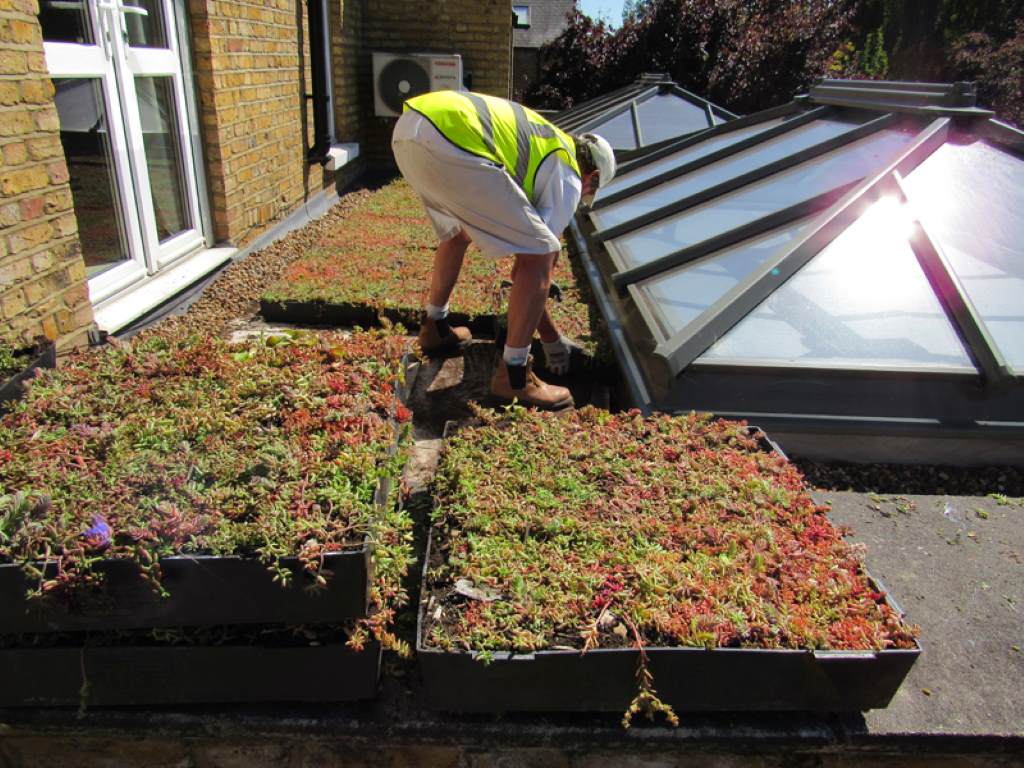
Maintaining a biodiverse green roof requires the right tools and strategies. Here’s a quick guide:
- Hand tools: Trowels and pruners for precise weeding and trimming.
- Irrigation system: Drip lines for efficient watering.
- Soil testing kit: Check nutrient levels annually.
- Protective gear: Gloves and sturdy shoes for safety.
Regularly consult a Green Roof Professional (GRP) for expert advice. I once hired a GRP who saved a struggling roof by recommending native grasses. Visit Green Roofs for Healthy Cities for training resources. Keep a maintenance log to track tasks and plant health. These steps ensure your roof remains a thriving ecosystem year-round.
Challenges and Solutions
Biodiverse green roofs face challenges like weed invasion or structural strain. Weeds can outcompete native plants, reducing biodiversity. Hand-weeding and diverse planting help. Structural issues arise if roofs aren’t designed for weight. I saw a roof sag due to poor planning, a costly fix. Ensure proper load calculations during installation. Extreme weather can also stress plants. Use drought-tolerant species like sedums for resilience. Regular inspections catch problems early, saving time and money. With proactive care, your green roof can overcome these hurdles and thrive.
Conclusion
A biodiverse green roof is a gift to cities, fostering wildlife and sustainability. Following a year-round maintenance schedule keeps it vibrant, from spring planting to winter protection. My journey with green roofs taught me their power to connect communities and nature. By nurturing these spaces, you create urban havens that cool cities and support ecosystems. Whether you’re a homeowner or a facility manager, a well-maintained green roof is achievable with dedication. Share your green roof stories in the comments or spread this guide to inspire others. Let’s grow more biodiverse rooftops together! For more insights, explore EPA’s Green Roof Resources.
FAQs
What is a biodiverse green roof?
A biodiverse green roof is a rooftop covered with varied plants to support wildlife, improve insulation, and manage stormwater, enhancing urban ecosystems.
How often should I water my green roof?
Watering depends on the roof type. Extensive roofs need weekly checks in summer, while intensive roofs may require more frequent irrigation.
Can I install a green roof myself?
Installation is complex and requires professional expertise to ensure structural safety and proper drainage. Consult a Green Roof Professional.
What plants are best for biodiverse green roofs?
Native plants like sedums, wildflowers, and grasses thrive due to their adaptability to local climates and low maintenance needs.
How do green roofs benefit the environment?
They reduce urban heat, manage stormwater, and support biodiversity, with studies showing up to 65% runoff reduction and 30°F temperature drops.







