

Texas roof damage is a pressing concern for homeowners due to the state’s unpredictable weather and environmental challenges. From scorching heat to severe storms, roofs in Texas face relentless threats that can compromise their integrity. Understanding the causes, recognizing the signs, and knowing effective solutions can save homeowners time, money, and stress. This guide dives into the core issues surrounding roof damage, offering clear insights and practical steps to protect your home. Whether you’re dealing with leaks or missing shingles, this article will equip you with the knowledge to act confidently.
Common Causes of Roof Damage in Texas
Texas weather is a primary driver of roof damage. Harsh conditions like intense heat, high winds, and hailstorms wreak havoc on roofing materials. According to a 2021 study by the National Oceanic and Atmospheric Administration (NOAA), Texas experiences an average of 132 tornadoes annually, often accompanied by hail and wind gusts exceeding 70 mph. These elements can crack shingles, loosen flashing, or cause structural failures. Additionally, prolonged sun exposure accelerates wear, causing asphalt shingles to curl or fade.
Poor maintenance also contributes significantly. Neglecting regular inspections or failing to clear debris allows minor issues to escalate. For example, clogged gutters can trap water, leading to leaks or rot. Trees overhanging roofs pose another risk, as falling branches during storms can puncture or dent surfaces. A personal experience taught me this lesson when a neighbor’s oak tree damaged my roof during a windstorm, highlighting the need for proactive tree trimming and routine checks.
Recognizing the Signs of Roof Damage
Spotting roof damage early can prevent costly repairs. Visible signs include missing, cracked, or curling shingles, often caused by wind or heat exposure. Look for granule loss on asphalt shingles, as this reduces their protective layer. Inside the home, water stains on ceilings or walls signal leaks, while mold or mildew indicates trapped moisture. According to Texas A&M AgriLife Extension Service, 40% of Texas homes inspected post-storm showed undetected roof leaks.
Other indicators are less obvious. Sagging rooflines may suggest structural issues, while debris buildup in valleys or gutters can hint at underlying problems. After a hailstorm, I noticed small dents on my metal roof, initially dismissing them as cosmetic. A professional inspection revealed weakened seams, prompting timely repairs. Regular checks, especially after severe weather, help catch these signs before they worsen. Use binoculars for a safe initial assessment, but always consult a professional for a thorough evaluation.
Impact of Texas Weather on Roof Longevity
Texas’s diverse climate significantly shortens roof lifespan. Extreme heat, averaging 90°F in summer, causes thermal expansion, weakening materials over time. Hail, common in spring, can bruise or crack shingles, reducing their effectiveness. NOAA data indicates Texas sees hail events in 70% of its counties annually, with stones often exceeding one inch in diameter. High winds, especially in coastal areas, can lift shingles or tear off flashing, exposing underlayment.
Humidity also plays a role, fostering algae and moss growth, particularly in East Texas. These organisms degrade roofing materials, leading to premature failure. For instance, my cousin in Houston noticed green streaks on his roof, initially mistaking them for dirt. A roofing expert identified algae, which required professional cleaning to prevent further damage. Regular maintenance, such as cleaning and applying protective coatings, can mitigate these effects and extend roof life.
Effective Solutions for Texas Roof Damage
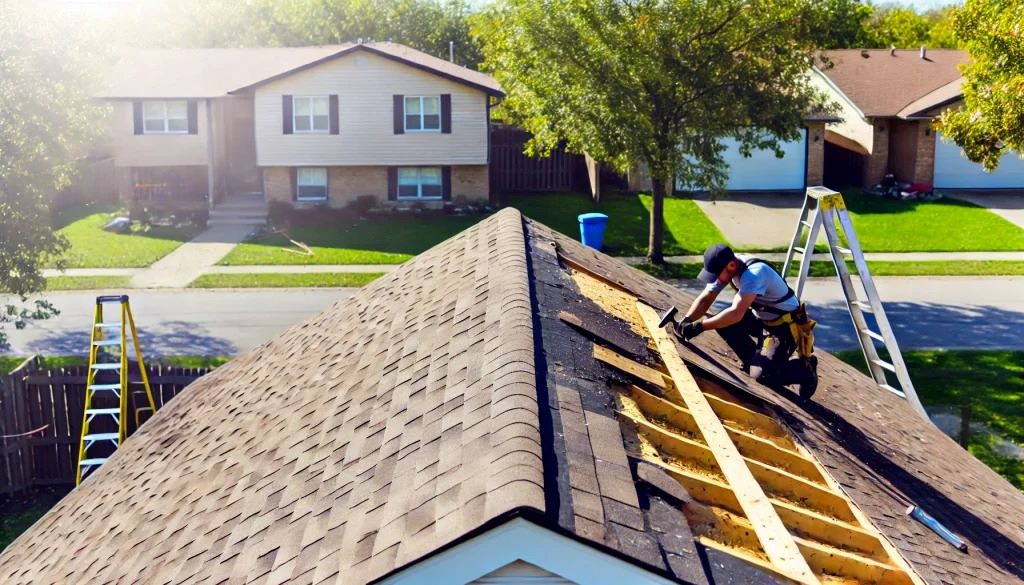
Addressing roof damage promptly is crucial for Texas homeowners. Start with regular inspections, ideally twice a year, to catch issues early. After storms, check for loose shingles, leaks, or debris accumulation. For minor damage, patching or replacing individual shingles can suffice. However, extensive issues like widespread leaks or structural damage require professional intervention. A licensed roofer can assess whether repair or replacement is more cost-effective.
Investing in durable materials is another solution. Impact-resistant shingles or metal roofs better withstand hail and wind. Additionally, proper ventilation and insulation prevent heat buildup, reducing wear. I learned this firsthand when upgrading my roof to impact-resistant shingles after repeated hail damage. Financing options, like those offered through Texas’s Property Assessed Clean Energy (PACE) program, can ease the cost of upgrades. Always choose certified contractors to ensure quality repairs and compliance with local codes.
Preventative Measures to Protect Your Roof
Prevention is key to minimizing Texas roof damage. Regular maintenance, such as clearing gutters and removing debris, prevents water buildup. Trim overhanging branches to reduce the risk of falling limbs during storms. Installing impact-resistant materials or storm-proof features, like reinforced flashing, enhances durability. According to Texas A&M AgriLife Extension, homes with proper ventilation systems last 20% longer than those without.
Here are practical preventative tips:
- Inspect annually: Check for wear, especially after storms.
- Clean gutters: Remove leaves and debris to ensure proper drainage.
- Trim trees: Keep branches at least 10 feet from the roof.
- Upgrade materials: Consider metal or impact-resistant shingles for longevity.
Scheduling professional inspections every few years can catch issues early. After a hailstorm damaged my roof, I began annual checks, which saved me from costly repairs by addressing minor issues promptly. Proactive steps like these protect your investment and ensure long-term roof health.
Choosing the Right Roofing Professional in Texas
Selecting a reliable roofer is critical for effective repairs or replacements. Look for licensed, insured contractors with local experience, as Texas’s climate demands specialized knowledge. Check reviews on platforms like the Better Business Bureau and verify credentials through the Texas Department of Licensing and Regulation. Avoid contractors who demand full payment upfront or lack references.
Ask for detailed estimates and compare at least three options. A trustworthy roofer will provide a clear scope of work and warranty details. When my roof needed repairs, I chose a contractor with a decade of Texas experience, ensuring they understood local weather challenges. This decision saved time and ensured quality. Always confirm the roofer uses materials suited for Texas’s harsh conditions, like impact-resistant shingles or UV-protective coatings.
FAQs
What are the most common causes of roof damage in Texas?
Severe weather, including hail, high winds, and extreme heat, along with poor maintenance, are the primary causes.
How can I tell if my roof is damaged?
Look for missing or cracked shingles, water stains, mold, or sagging rooflines. Professional inspections confirm issues.
How often should I inspect my Texas roof?
Inspect at least twice a year and after major storms to catch damage early.
What roofing materials are best for Texas?
Impact-resistant shingles and metal roofs withstand Texas’s hail, wind, and heat effectively.
Can I repair roof damage myself?
Minor repairs are possible, but extensive damage requires professional expertise to ensure safety and quality.
Conclusion
Texas roof damage, driven by extreme weather and environmental factors, demands vigilance from homeowners. Recognizing signs like leaks or missing shingles and addressing them promptly can prevent costly repairs. Solutions such as durable materials and regular maintenance protect your home from the state’s harsh climate. By choosing reliable professionals and taking preventative steps, you ensure your roof’s longevity. Share your experiences or questions in the comments below, or spread this guide to help others safeguard their homes!
Read More:







