
California’s dramatic weather shifts from drought to deluge create unique challenges for homeowners. When heavy rains finally arrive after months of dry conditions, many residents discover unwelcome surprises: water dripping through their ceilings. Your California roof faces extreme temperature fluctuations, intense UV exposure, and sudden heavy downpours that test every component. Understanding why roofs fail during storms helps you protect your investment and avoid costly repairs. Additionally, recognizing early warning signs enables proactive maintenance that saves thousands of dollars in water damage restoration.
Understanding California’s Unique Weather Patterns and Roof Challenges
California experiences some of the most extreme weather variations in North America. Therefore, roofs must withstand scorching summers followed by intense winter storms. The state’s Mediterranean climate creates a perfect storm for roofing problems.
During dry seasons, roofing materials expand and contract repeatedly. However, when atmospheric rivers bring heavy rainfall, these weakened materials often fail. Furthermore, the sudden temperature drops accompanying storms cause rapid material contraction, opening gaps where water penetrates.
The National Weather Service reports that California receives 75% of its annual precipitation between November and March. Consequently, roofs experience months of stress before facing their ultimate test during storm season.
Common Reasons Why California Roofs Develop Leaks During Heavy Rainfall
Age-Related Deterioration and Material Breakdown Issues
Roofing materials naturally degrade over time, especially under California’s harsh conditions. Additionally, most residential roofs last 15-25 years before requiring major repairs or replacement. However, extreme weather accelerates this timeline significantly.
Asphalt shingles become brittle after years of UV exposure. Therefore, they crack and curl when heavy rains create sudden temperature changes. Furthermore, the protective granules wash away during storms, exposing the underlying material to further damage.
Metal roofing expands and contracts with temperature fluctuations. Consequently, fasteners loosen and sealants fail around penetrations. Moreover, coastal areas experience additional challenges from salt air corrosion that weakens metal components over time.
Inadequate Installation and Poor Workmanship Problems
Many roof leaks stem from improper installation techniques during construction. However, identifying these issues often requires professional inspection. Additionally, corners cut during installation become apparent only when heavy rains test the system.
Flashing around chimneys, vents, and skylights requires precise installation. Therefore, gaps or improperly sealed joints allow water infiltration during storms. Furthermore, inadequate overlap of roofing materials creates vulnerable areas where water penetrates.
Improper fastening techniques cause premature failure during high winds. Consequently, loose shingles or tiles allow water entry points that worsen with each storm cycle. Moreover, insufficient underlayment provides inadequate backup protection when primary materials fail.
Clogged Gutters and Drainage System Failures
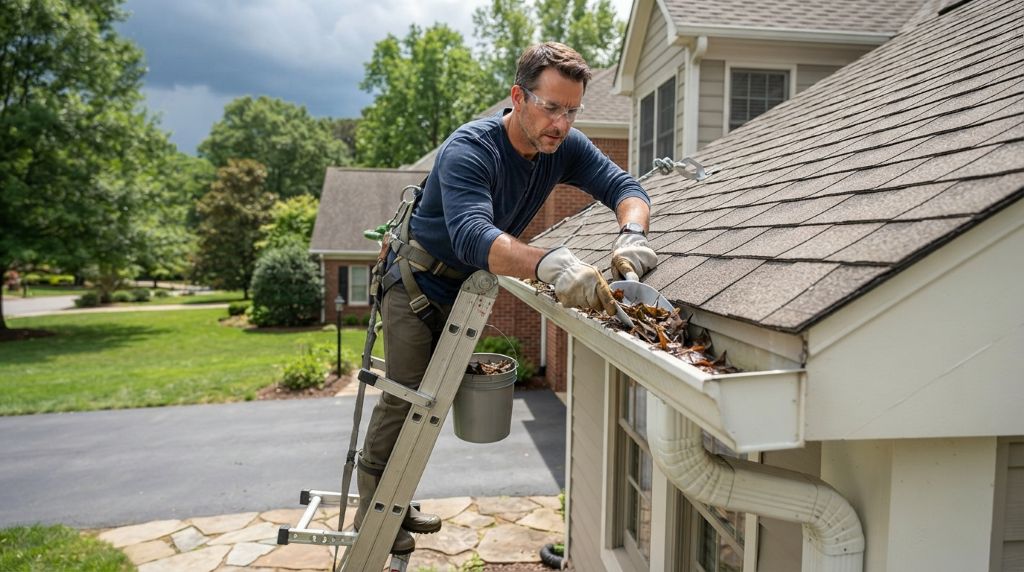
Effective water management prevents most roof leaks during heavy California rains. However, neglected gutters and downspouts create dangerous water backup situations. Additionally, debris accumulation blocks proper drainage when you need it most.
Clogged gutters force water to overflow and pool around roof edges. Therefore, this standing water finds entry points through fascia boards and soffits. Furthermore, ice dams in mountain regions create similar backup problems that damage roofing materials.
According to the California Department of Water Resources, proper drainage systems reduce roof leak incidents by 60%. Consequently, regular gutter maintenance represents one of the most cost-effective leak prevention strategies available to homeowners.
Tree Damage and Debris-Related Roof Penetrations
California’s abundant vegetation creates both beauty and roofing challenges. However, overhanging branches scrape shingles and deposit debris that traps moisture. Additionally, falling branches during storms can puncture roofing materials directly.
Pine needles and leaves accumulate in roof valleys and around penetrations. Therefore, these organic materials retain moisture and accelerate material breakdown. Furthermore, decomposing debris creates acidic conditions that damage metal components and sealants.
Storm-driven branches can tear shingles or crack tiles instantly. Consequently, these sudden openings allow immediate water infiltration during ongoing storms. Moreover, even small debris impacts can loosen fasteners and create future leak points.
Identifying Early Warning Signs of Potential Roof Leak Problems
Interior Signs That Indicate Developing Roof Issues
Water stains on ceilings represent the most obvious leak indicators. However, smaller signs often appear weeks before major water intrusion occurs. Additionally, musty odors in upper floors suggest hidden moisture problems developing overhead.
Paint peeling or wallpaper bubbling near ceiling lines indicates moisture infiltration. Therefore, these cosmetic issues signal underlying structural problems requiring immediate attention. Furthermore, discolored or warped ceiling tiles suggest ongoing water exposure that worsens with time.
Sagging ceiling areas indicate serious structural water damage. Consequently, these dangerous conditions require emergency professional assessment and repair. Moreover, visible mold growth represents health hazards that extend beyond simple roof repairs.
Exterior Roof Inspection Points for Homeowner Assessment
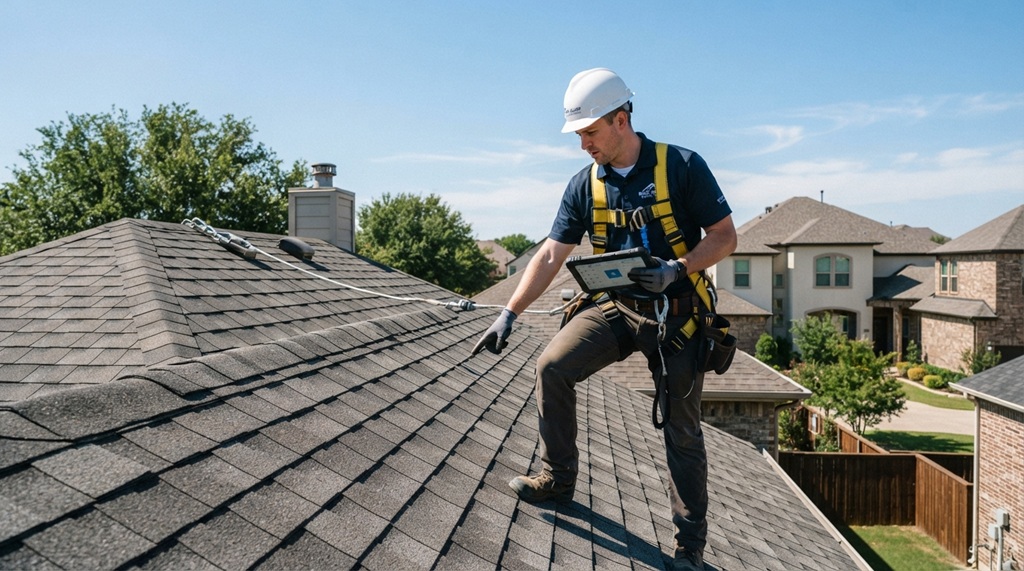
Regular exterior inspections help identify problems before they cause interior damage. However, safety should always be your primary concern during these assessments. Additionally, binoculars allow ground-level inspection of many roof areas safely.
Missing or damaged shingles create immediate vulnerability to water infiltration. Therefore, addressing these issues promptly prevents expensive interior damage during the next storm. Furthermore, loose or lifted edges indicate fastener failure requiring professional attention.
Damaged flashing around penetrations represents critical failure points during heavy rains. Consequently, gaps or rust stains around chimneys and vents require immediate sealing or replacement. Moreover, cracked caulking around these areas allows water entry that worsens rapidly.
Proven Prevention Strategies for California Homeowners
Regular Maintenance Tasks That Prevent Most Leak Issues
Consistent maintenance prevents most roof leaks from developing during heavy California storms. However, timing these tasks properly maximizes their effectiveness. Additionally, documenting maintenance activities helps track your roof’s condition over time.
Essential Monthly Tasks:
- Clean gutters and downspouts thoroughly
- Remove debris from roof surfaces and valleys
- Check for loose or missing shingles
- Inspect flashing around all penetrations
- Trim overhanging tree branches
Seasonal Preparation Activities:
- Apply protective sealants before storm season
- Replace worn weather stripping around penetrations
- Secure loose roofing materials and fasteners
- Clear drainage systems completely
- Schedule professional inspections annually
According to research by the National Roofing Contractors Association, homeowners who perform regular maintenance reduce leak incidents by 80%. Therefore, these simple tasks provide exceptional return on investment compared to emergency repairs.
Professional Inspection Benefits and Recommended Frequency
Professional roof inspections identify problems that homeowners often miss during casual observations. However, choosing qualified contractors ensures accurate assessments and appropriate recommendations. Additionally, documented inspections provide valuable records for insurance claims and warranty purposes.
Certified inspectors use specialized equipment to detect hidden problems. Therefore, thermal imaging reveals moisture infiltration invisible to visual inspection. Furthermore, moisture meters identify developing issues before they cause visible damage.
Most roofing professionals recommend annual inspections for California homes. Consequently, this frequency catches developing problems before they become expensive emergencies. Moreover, pre-storm inspections allow repairs during favorable weather conditions when materials and labor costs remain reasonable.
Read Also: Essential Winter Roof Maintenance Tips to Prevent Leaks and Ice Dams
When to Call Professional Roofing Contractors for Assistance

Emergency Situations Requiring Immediate Professional Response
Certain roof leak situations demand immediate professional intervention regardless of cost considerations. However, attempting DIY repairs during storms often worsens problems and creates safety hazards. Additionally, emergency temporary measures can prevent further damage while waiting for professional repairs.
Active leaks during storms require immediate attention to prevent structural damage. Therefore, placing tarps or buckets provides temporary protection until professionals arrive. Furthermore, documenting damage with photographs helps insurance claims and repair planning.
Sagging roof sections indicate potential structural failure requiring emergency evaluation. Consequently, evacuating affected areas ensures family safety while awaiting professional assessment. Moreover, these dangerous conditions often worsen rapidly during ongoing storms.
Cost Considerations and Insurance Coverage Information
Roof repair costs vary significantly based on damage extent and material choices. However, addressing problems early typically costs much less than emergency repairs during storms. Additionally, many insurance policies cover sudden storm damage but exclude gradual deterioration.
Minor repairs typically range from $200-800 depending on complexity and materials. Therefore, regular maintenance investments prevent much larger expenses later. Furthermore, complete roof replacement costs $8,000-15,000 for average California homes.
Insurance coverage often depends on damage cause and policy specifics. Consequently, reviewing your coverage annually ensures adequate protection for your home’s value. Moreover, maintaining detailed maintenance records supports insurance claims when damage occurs.
Personal Experience: Learning from a Costly Leak
Last winter, my neighbor discovered the importance of proper roof maintenance the expensive way. Heavy rains revealed multiple leak points that caused $12,000 in interior damage. However, the most frustrating part was learning that simple maintenance could have prevented the entire situation.
The leaks originated from clogged gutters that forced water under loose shingles. Additionally, overhanging oak branches had scraped away protective granules over several seasons. Therefore, what started as minor maintenance issues became a major insurance claim and months of repairs.
This experience taught our entire neighborhood valuable lessons about proactive roof care. Furthermore, we now organize annual group inspections that help everyone identify potential problems early. Consequently, our street has avoided similar disasters through collective vigilance and shared maintenance knowledge.
Conclusion
California roof leaks during heavy rains result from predictable causes that homeowners can address proactively. Understanding your roof’s vulnerabilities and implementing regular maintenance prevents most water intrusion problems. Therefore, investing time and modest resources in prevention saves thousands in emergency repairs and interior damage restoration.
Regular inspections, proper drainage maintenance, and timely repairs protect your home investment effectively. However, recognizing when professional help is necessary ensures complex problems receive appropriate solutions. Additionally, staying informed about your roof’s condition enables confident decision-making when storms approach.
Take action today by scheduling a professional roof inspection and establishing a regular maintenance routine. Furthermore, document your efforts to support future insurance claims and warranty requirements. Your California home deserves protection from the state’s dramatic weather extremes.
Ready to protect your home from roof leaks? Share this article with neighbors who might benefit from these prevention strategies, and leave a comment about your own roof maintenance experiences below.
Frequently Asked Questions
How often should California homeowners inspect their roofs?
California homeowners should inspect their roofs twice annually, preferably in spring and fall. Additionally, inspect after major storms or high winds to identify new damage promptly.
What are the most common leak locations on California roofs?
The most common leak locations include flashing around chimneys and vents, roof valleys, gutter connections, and areas where different roofing materials meet. These transition points experience the most stress during weather changes.
Can I temporarily fix a roof leak myself during a storm?
Yes, you can place tarps, buckets, or plastic sheeting as temporary measures. However, avoid climbing on wet roofs during storms. Instead, work from inside the attic when possible and call professionals for permanent repairs.
How much does professional roof leak repair typically cost in California?
Minor leak repairs typically cost $200-800, while major repairs range from $1,000-3,000. Complete roof replacement averages $8,000-15,000 depending on size, materials, and location.
Does homeowner’s insurance cover roof leaks in California?
Insurance typically covers sudden storm damage but may exclude gradual deterioration or maintenance-related issues. Review your policy annually and maintain detailed maintenance records to support claims when necessary.