

Texas homeowners face unique roofing challenges due to extreme weather conditions. From scorching summer heat to devastating hailstorms, your roof endures constant stress throughout the year. Recognizing early warning signs can save thousands in repair costs and prevent serious structural damage.
However, many property owners overlook subtle indicators until major problems develop. Additionally, Texas weather patterns create specific vulnerabilities that require immediate attention. Therefore, understanding these seven critical signs helps protect your most valuable investment and ensures your family’s safety during severe weather events.
Missing or Damaged Shingles Signal Immediate Roof Repair Needs
Missing shingles create vulnerable entry points for water infiltration. When Texas storms tear away roofing materials, exposed areas become susceptible to moisture damage within hours. Furthermore, damaged shingles compromise your entire roofing system’s integrity.
Additionally, high winds commonly lift shingle edges, creating pathways for rain penetration. These openings allow water to seep beneath protective barriers, potentially causing extensive interior damage. Therefore, addressing missing or damaged shingles immediately prevents costly structural repairs and mold growth throughout your home.
Water Stains and Leaks Indicate Critical Roofing System Failures
Interior water stains reveal active leaking that demands urgent professional intervention. These discolored patches typically appear on ceilings, walls, or around light fixtures during heavy rainfall. Moreover, visible stains often represent just a fraction of underlying moisture damage.
Water infiltration compromises insulation effectiveness, promotes harmful mold growth, and weakens structural components over time. According to the Insurance Information Institute, water damage accounts for approximately 29% of homeowners insurance claims annually. However, catching leaks early significantly reduces repair expenses and prevents health hazards associated with prolonged moisture exposure.
Granule Loss Creates Serious Protection Vulnerabilities for Texas Homes
Asphalt shingle granules provide essential UV protection and weather resistance. When granules accumulate in gutters or around your home’s foundation, your roof loses critical defensive capabilities. Additionally, excessive granule loss indicates advanced shingle deterioration requiring immediate replacement.
Texas sun exposure accelerates granule deterioration, particularly on south-facing roof sections. Furthermore, hailstorms can strip granules instantly, leaving shingles vulnerable to rapid aging. Therefore, monitoring granule levels helps identify replacement needs before complete system failure occurs, protecting your investment from expensive emergency repairs.
Sagging Roof Sections Require Emergency Professional Assessment and Intervention
Visible sagging indicates serious structural compromise that poses immediate safety risks. When roof decking weakens from water damage or excessive weight, dangerous collapse becomes possible. Moreover, sagging often signals underlying framework deterioration requiring extensive reconstruction.
Additionally, improper installation or inadequate support structures can cause gradual sagging over time. These structural issues worsen rapidly during heavy snow loads or severe weather events. Therefore, any noticeable sagging demands immediate professional evaluation to prevent catastrophic failure and ensure occupant safety.
Damaged Flashing Around Chimneys and Vents Creates Major Leak Pathways
Flashing provides waterproof seals around roof penetrations like chimneys, vents, and skylights. When these metal barriers crack, separate, or deteriorate, water easily enters your home’s interior spaces. Furthermore, damaged flashing represents one of the most common leak sources in residential roofing systems.
Texas temperature fluctuations cause flashing materials to expand and contract repeatedly, creating stress fractures over time. Additionally, severe weather can dislodge flashing entirely, leaving penetrations completely exposed. Therefore, regular flashing inspection prevents extensive water damage and maintains your roofing system’s protective integrity throughout extreme weather conditions.
Clogged or Damaged Gutters Threaten Your Home’s Foundation and Structure
Properly functioning gutters direct water away from your home’s foundation and walls. When debris blocks drainage or gutters separate from roofing structures, water overflow causes serious foundation damage. Moreover, standing water in clogged gutters creates breeding grounds for mosquitoes and promotes harmful mold growth.
Additionally, ice formation in blocked gutters can damage roofing materials and create dangerous icicles. Heavy debris loads strain gutter attachment points, potentially causing complete system failure during storms. Therefore, maintaining clear, secure gutters protects both your roof and foundation from expensive water-related damage throughout the year.
Age-Related Deterioration Signals the Need for Complete Roof Replacement Planning
Most asphalt shingle roofs last approximately 20-25 years under normal conditions. However, Texas weather extremes often reduce expected lifespans significantly. Additionally, aging roofing materials become increasingly vulnerable to storm damage and energy inefficiency.
Furthermore, older roofs frequently require more frequent repairs as multiple components reach failure points simultaneously. According to the National Association of Home Builders, roof replacement timing depends on material type, installation quality, and local climate conditions. Therefore, proactive replacement planning prevents emergency situations and allows for better contractor selection and financing options.
Personal Experience: When Ignoring Warning Signs Nearly Cost Me Everything
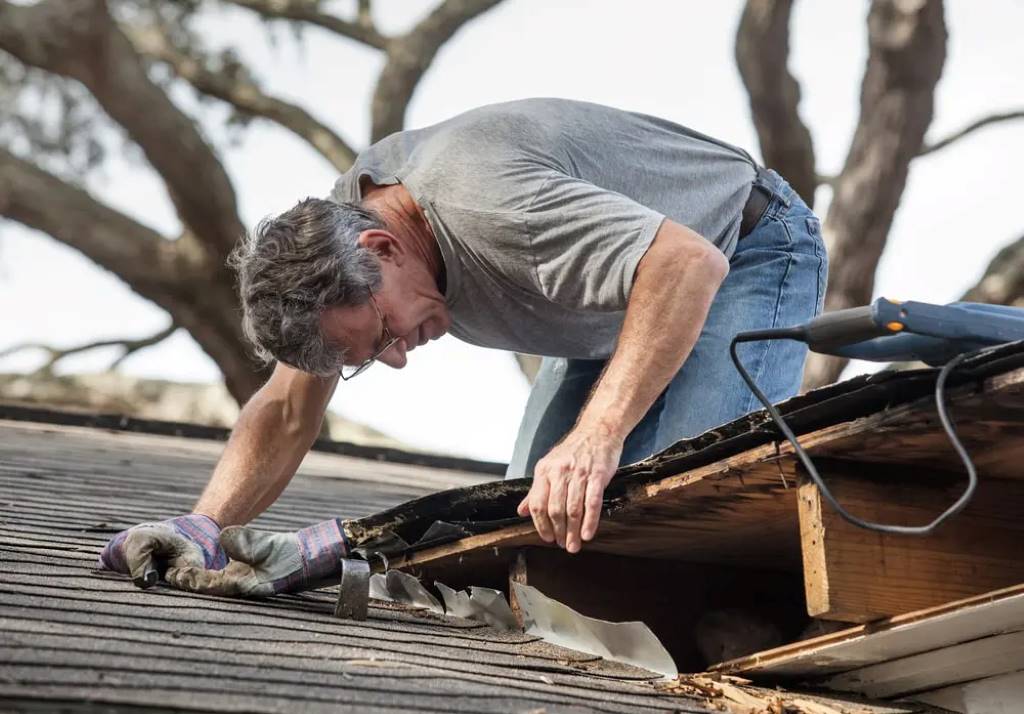
Last spring, I noticed small water stains in my guest bedroom ceiling. Unfortunately, I dismissed these marks as minor cosmetic issues that could wait until summer. However, during a severe thunderstorm three weeks later, water poured through multiple ceiling locations, damaging furniture, electronics, and flooring throughout the room.
The repair costs exceeded $8,000, including roof replacement, interior restoration, and mold remediation services. Additionally, my insurance company initially questioned coverage due to delayed reporting. Therefore, this expensive lesson taught me the importance of addressing roofing problems immediately, regardless of their apparent severity.
When to Call Professional Roofing Contractors for Emergency Services
Certain warning signs require immediate professional intervention to prevent catastrophic damage. Additionally, attempting DIY repairs on steep or damaged roofs creates serious safety hazards for untrained individuals. Therefore, recognizing when to call experts protects both your property and personal wellbeing.
Contact roofing professionals immediately when you notice:
- Active leaking during rainfall
- Visible structural sagging
- Missing large shingle sections
- Damaged electrical connections near roofing
- Suspected hail damage after storms
Read Also:
How to Spot and Fix Roof Leaks Before They Get Worse
Tesla Solar Roof vs GAF Timberline Solar Cost: A Detailed Comparison
Preventive Maintenance Tips for Texas Homeowners
Regular maintenance extends roofing system lifespan and prevents expensive emergency repairs. Additionally, proactive care helps identify potential problems before they become serious threats. Therefore, implementing consistent maintenance schedules protects your investment year-round.
Essential maintenance activities include:
- Quarterly gutter cleaning and inspection
- Annual professional roof assessments
- Immediate debris removal after storms
- Prompt repair of minor damage
- Proper attic ventilation maintenance
Conclusion
Recognizing these seven critical warning signs helps Texas homeowners protect their properties from expensive roofing emergencies. Additionally, prompt professional intervention prevents minor issues from becoming major structural problems. Therefore, regular inspections and immediate attention to warning signs ensure your roof continues protecting your family and belongings effectively.
Moreover, understanding when your Texas roof needs immediate attention saves money, prevents health hazards, and maintains your home’s value throughout extreme weather conditions. Don’t wait until small problems become expensive disasters – address roofing concerns immediately for optimal protection and peace of mind.
Have you noticed any of these warning signs on your roof? Share your experiences in the comments below and help other homeowners recognize potential problems early. Additionally, share this article with neighbors who might benefit from this essential roofing information.
Frequently Asked Questions
How often should Texas homeowners inspect their roofs?
Texas homeowners should inspect their roofs at least twice yearly, preferably in spring and fall. Additionally, inspect immediately after severe weather events like hailstorms or high winds.
What’s the average cost of roof repairs in Texas?
Minor roof repairs typically cost $300-$800, while major repairs range from $1,500-$5,000. However, complete replacement costs vary from $8,000-$20,000 depending on size and materials.
Can I safely inspect my own roof?
Ground-level inspections using binoculars are safe for most homeowners. However, avoid climbing on roofs due to safety risks. Professional inspections provide more thorough assessments and expert recommendations.
How long do Texas roofs typically last?
Asphalt shingle roofs last 15-20 years in Texas due to extreme weather. Metal roofs can last 25-40 years, while tile roofs may last 30-50 years with proper maintenance.
What should I do immediately after discovering a roof leak?
Place containers to catch dripping water, move valuables to dry areas, and contact a professional roofer immediately. Document damage with photos for insurance purposes and avoid electrical hazards in affected areas.







