
Living in Florida means enjoying sunny beaches and warm weather, but it also brings unique challenges for homeowners, especially when it comes to roofing. Harsh sunlight, heavy rains, and hurricanes can wreak havoc on roofs, leading to costly repairs if not managed properly. By understanding Florida’s climate and taking proactive steps, you can protect your home and avoid expensive roofing issues. This guide offers practical Florida roofing tips to maintain your roof’s integrity, focusing on prevention, maintenance, and smart choices. Whether you’re a new homeowner or a seasoned Floridian, these insights will help you save money and keep your roof in top shape.
Understanding Florida’s Harsh Weather Impacts on Roofs
Florida’s climate is a mix of intense sun, high humidity, and frequent storms, all of which test a roof’s durability. Ultraviolet rays weaken roofing materials over time, causing shingles to crack or fade. Heavy rainfall and hurricanes, common in Florida, can lead to leaks or structural damage if the roof isn’t properly maintained. According to a 2021 study by the National Oceanic and Atmospheric Administration (NOAA), Florida experiences an average of 7-9 tropical storms annually, with 2-4 becoming hurricanes.
To combat these conditions, homeowners must prioritize regular inspections and choose materials suited for Florida’s weather. For example, metal or tile roofs often withstand storms better than asphalt shingles. My neighbor in Tampa ignored a small leak, thinking it was minor, only to face a $15,000 repair after a storm worsened the damage. Proactive care is key to avoiding such costly surprises.
Choosing the Right Roofing Materials for Florida Homes
Selecting the right roofing material is critical in Florida’s demanding climate. Asphalt shingles are popular but may degrade faster under intense UV exposure. Metal roofs, on the other hand, reflect heat and resist wind damage, making them ideal for hurricane-prone areas. Tile roofs, common in Florida, offer durability and aesthetic appeal but require proper installation to avoid cracking. A 2022 report by the University of Florida’s Engineering School found that metal roofs can last up to 50 years in Florida’s climate, compared to 20 years for asphalt shingles.
Consider your home’s location and budget when choosing materials. Coastal homes need corrosion-resistant options like aluminum, while inland homes may benefit from cost-effective tiles. Always consult a licensed contractor to ensure materials meet Florida’s building codes. By investing in quality materials, you can avoid frequent repairs and extend your roof’s lifespan.
Regular Roof Inspections to Prevent Costly Damage
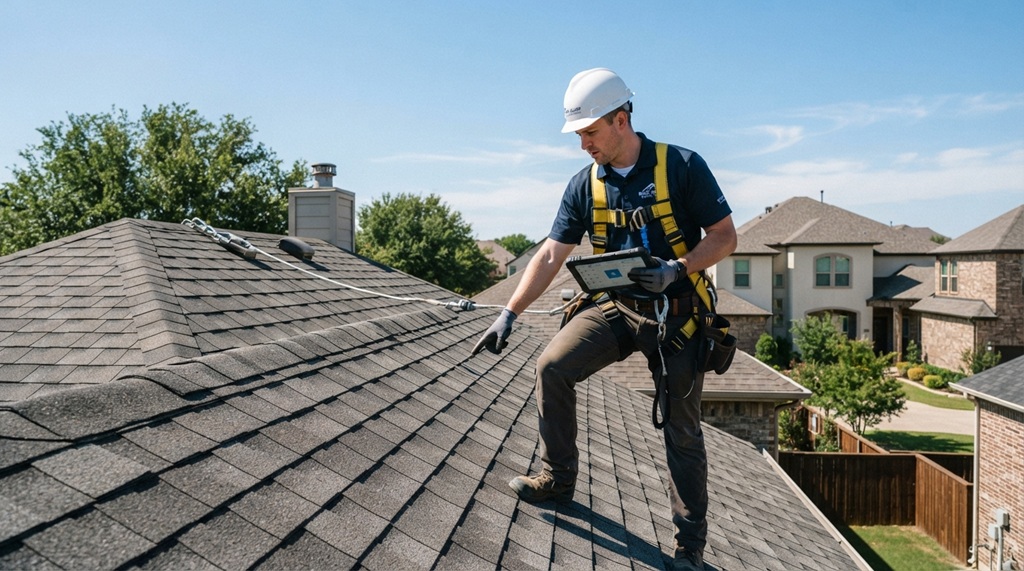
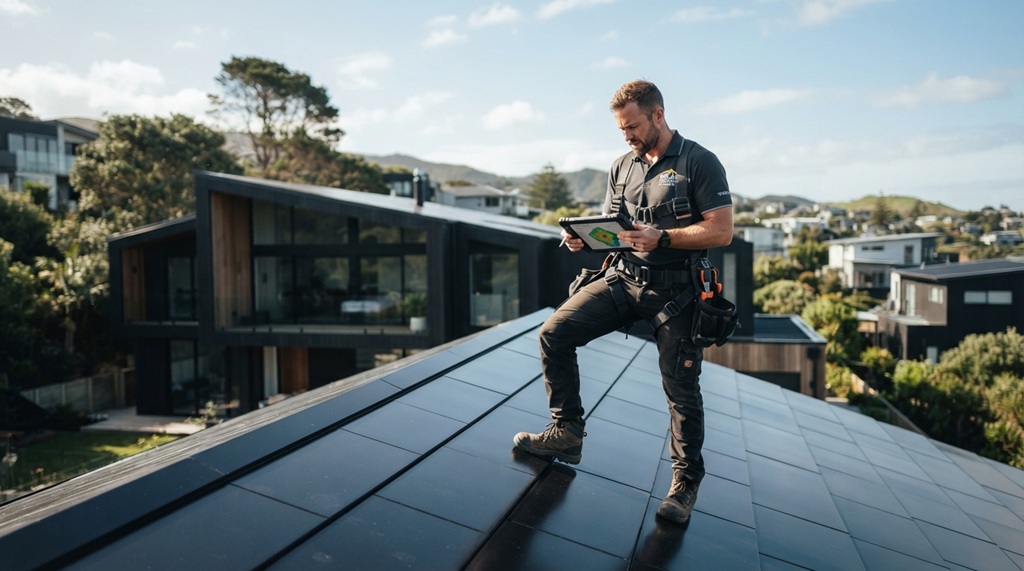
Routine inspections are one of the most effective Florida roofing tips to avoid expensive repairs. Inspect your roof at least twice a year, ideally before and after hurricane season. Look for missing shingles, cracked tiles, or clogged gutters that could lead to water pooling. Hiring a professional inspector ensures hidden issues, like weak underlayment, are caught early.
Ignoring small problems can escalate costs. For instance, a loose shingle might seem minor, but during a storm, it can allow water to seep in, damaging the roof deck. I learned this the hard way when a small crack in my roof went unnoticed, leading to a $5,000 repair after heavy rains. Scheduling inspections in spring and fall, and after major storms, helps catch issues early, saving you from hefty bills.
Essential Maintenance Practices for Florida Roofs
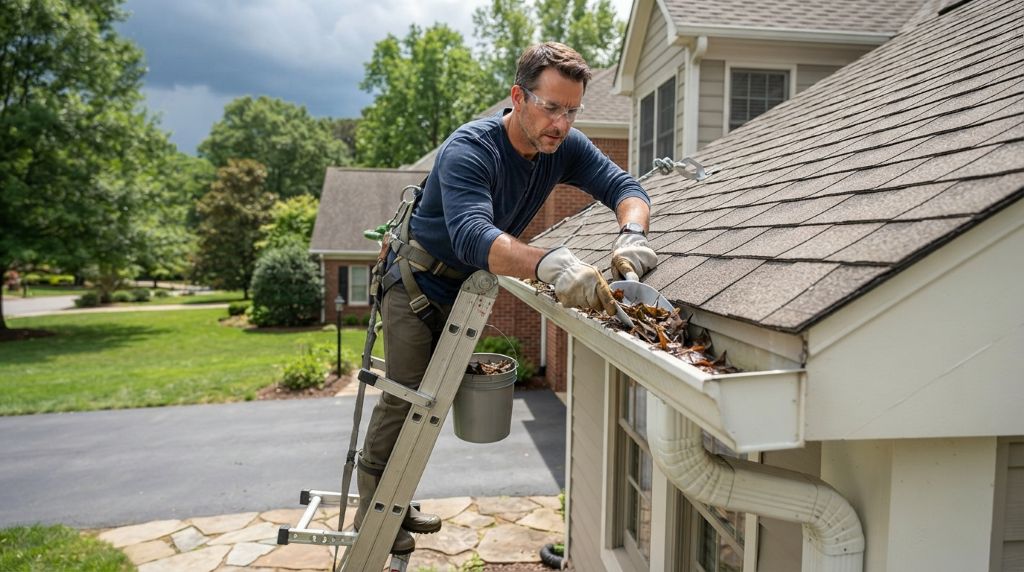
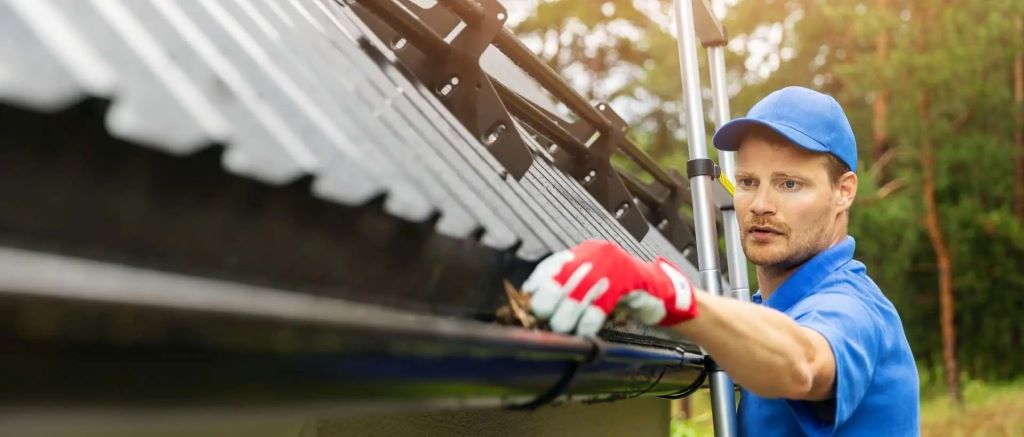
Maintaining your roof is crucial to avoiding costly repairs in Florida’s tough climate. Regular maintenance includes cleaning gutters, removing debris, and checking for mold or algae growth, which thrives in humid conditions. Trim overhanging branches to prevent damage during storms. Additionally, ensure proper attic ventilation to reduce heat buildup, which can weaken roofing materials over time.
Here are key maintenance tips:
- Clean gutters every 3-4 months to prevent water backup.
- Remove moss or algae with a low-pressure wash to avoid shingle damage.
- Check flashing around chimneys and vents for cracks.
- Schedule professional maintenance annually for thorough checks.
Consistent upkeep extends your roof’s life and prevents small issues from becoming expensive problems. For example, clearing debris after a storm saved my roof from water damage during a recent downpour.
Common Roofing Mistakes to Avoid in Florida
Homeowners often make mistakes that lead to costly roofing repairs. One common error is neglecting minor leaks, which can cause mold or structural damage. Another is choosing cheap materials to save money upfront, only to face frequent repairs later. Additionally, DIY repairs without proper knowledge can worsen issues, as I discovered when a friend’s attempt to fix a leak led to a $10,000 roof replacement.
To avoid these pitfalls:
- Never ignore small leaks or missing shingles.
- Avoid low-quality materials not suited for Florida’s climate.
- Hire licensed professionals for repairs, not DIY fixes.
- Don’t skip regular inspections, especially after storms.
By steering clear of these mistakes, you can protect your roof and wallet from unnecessary expenses.
Preparing Your Roof for Florida’s Hurricane Season
Hurricane season, from June to November, demands extra preparation to safeguard your roof. Ensure your roof meets Florida’s wind-resistant building codes, which require structures to withstand winds up to 150 mph in some areas. Reinforce roof edges with metal drip edges and secure loose shingles with roofing cement. Installing hurricane straps or clips can also strengthen your roof against high winds.
Before a storm, clear debris and secure loose items around your home to prevent them from damaging the roof. After a hurricane, inspect for damage immediately to prevent leaks from worsening. Taking these steps can significantly reduce repair costs and keep your home safe during Florida’s stormy season.
When to Replace Your Roof to Save Money
Knowing when to replace your roof can prevent expensive emergency repairs. Signs of replacement include widespread shingle damage, frequent leaks, or a roof nearing the end of its lifespan (20-50 years, depending on materials). Replacing a roof before major issues arise is often more cost-effective than patching multiple problems. For example, my cousin delayed replacing her aging roof, leading to a $20,000 repair after a storm caused extensive damage.
Consult a professional to assess your roof’s condition. If repairs exceed 25% of the roof’s surface, replacement is usually the better option. Investing in a new roof with durable materials suited for Florida’s climate can save you from recurring costs and provide long-term peace of mind.
Conclusion
Florida’s climate demands proactive roofing care to avoid expensive repairs. By choosing durable materials, scheduling regular inspections, and maintaining your roof, you can prevent costly damage from storms, heat, and humidity. Avoiding common mistakes and preparing for hurricane season further protect your investment. These Florida roofing tips empower you to keep your roof in top shape, saving money and stress. Share your roofing experiences in the comments or pass this guide to a fellow homeowner to help them avoid costly repairs!
FAQs
How Often Should I Inspect My Florida Roof?
Inspect your roof twice a year, before and after hurricane season, and after major storms to catch issues early.
What Are the Best Roofing Materials for Florida?
Metal and tile roofs are ideal for Florida due to their durability against heat, wind, and storms.
How Can I Prepare My Roof for Hurricanes?
Reinforce edges, secure shingles, clear debris, and install hurricane straps to protect against high winds.
Why Is Roof Maintenance Important in Florida?
Regular maintenance prevents leaks, mold, and structural damage, extending your roof’s life and reducing repair costs.
When Should I Replace My Roof in Florida?
Replace your roof if it shows widespread damage, frequent leaks, or is nearing the end of its lifespan.
Read More: