

Florida homeowners face unique roofing challenges that demand specialized solutions. From intense hurricanes to persistent moisture, your roof battles extreme weather conditions year-round. Understanding the right roofing materials and maintenance strategies can save thousands in repairs while protecting your family’s safety. This comprehensive guide explores proven Florida roofing solutions that withstand the state’s harsh climate. Whether you’re dealing with minor leaks or planning for storm season, these expert-backed strategies will help you make informed decisions about your roof’s future.
Understanding Florida’s Unique Roofing Challenge Environment
Florida’s climate creates a perfect storm of roofing problems that homeowners across the state must navigate. The combination of high humidity, salt air, and extreme weather events makes roofing maintenance more critical than in most other regions.
The state experiences over 100 days of rain annually, creating constant moisture exposure that can weaken roofing materials over time. Additionally, Florida’s coastal areas face salt air corrosion, which accelerates the deterioration of metal components and fasteners. Hurricane season brings winds exceeding 150 mph, testing even the most robust roofing systems.
Therefore, selecting appropriate materials and implementing preventive maintenance becomes essential for long-term roof performance. Understanding these environmental factors helps homeowners make better decisions about their roofing investments.
Most Common Types of Roofing Damage in the Sunshine State
Florida roofs encounter several types of damage that require immediate attention to prevent costly repairs. Recognizing these issues early can save homeowners significant money and prevent structural damage.
Wind damage represents the most serious threat during storm season. High winds can lift shingles, tear off entire sections, and drive debris into roofing surfaces. However, everyday wear also creates problems that homeowners often overlook until major issues develop.
Water damage occurs frequently due to Florida’s heavy rainfall and high humidity levels. Leaks develop around penetrations, valleys, and damaged flashing. Additionally, UV exposure from intense Florida sunshine breaks down roofing materials faster than in northern climates, causing premature aging and brittleness.
Smart Material Selection for Long-Lasting Florida Roofing Solutions
Choosing the right roofing materials makes the difference between frequent repairs and decades of reliable protection. Florida’s climate demands materials that can handle extreme conditions while providing energy efficiency.
Metal roofing has gained popularity among Florida homeowners due to its exceptional durability and wind resistance. These systems can withstand hurricane-force winds and reflect heat effectively, reducing cooling costs. Furthermore, metal roofs resist fire, insects, and rot, making them ideal for Florida’s challenging environment.
Tile roofing offers another excellent option for Florida homes. Clay and concrete tiles provide superior wind resistance and longevity. However, proper installation is crucial, as improperly secured tiles can become dangerous projectiles during storms. Additionally, tile roofs require adequate structural support due to their weight.
Professional Installation Techniques That Ensure Maximum Storm Resistance
Proper installation determines whether your roofing system will survive Florida’s severe weather events. Even premium materials fail when installed incorrectly, making professional expertise essential for long-term performance.
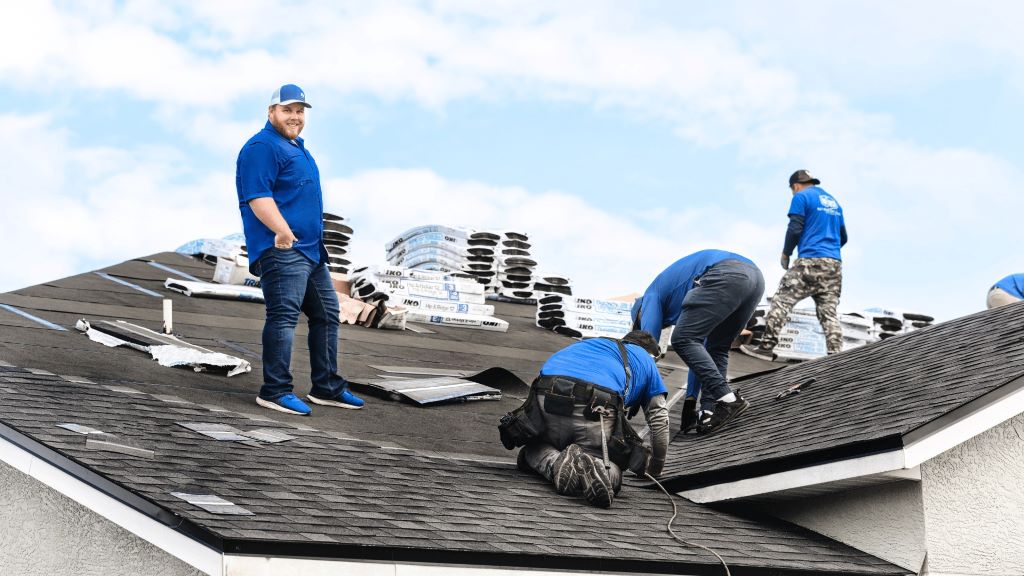
Wind-resistant installation techniques include using ring-shank nails, applying adhesive strips, and securing materials beyond minimum code requirements. Professional roofers understand how to create sealed systems that prevent wind uplift and water infiltration. Therefore, investing in quality installation saves money on future repairs and insurance claims.
Building code compliance ensures your roof meets Florida’s stringent requirements for wind resistance. Licensed contractors stay current with code changes and use approved installation methods. Additionally, proper permits and inspections protect homeowners from liability issues and ensure insurance coverage remains valid.
Essential Maintenance Strategies to Prevent Costly Emergency Repairs
Regular maintenance prevents minor issues from becoming major problems that threaten your home’s structural integrity. Florida’s harsh climate makes consistent upkeep more important than in other regions.
Quarterly inspections should focus on loose or damaged shingles, clogged gutters, and damaged flashing around penetrations. However, safety should always come first, so consider hiring professionals for thorough roof inspections. Additionally, documenting maintenance activities helps with insurance claims and warranty issues.
Gutter cleaning becomes critical in Florida due to frequent storms and heavy rainfall. Clogged gutters cause water backup that can damage fascia boards, soffit, and roofing materials. Therefore, maintaining proper drainage protects your entire roofing system from water damage.
Key Maintenance Tasks for Florida Roofs:
- Clean gutters and downspouts quarterly
- Inspect and replace damaged shingles immediately
- Check flashing around chimneys and vents
- Trim overhanging tree branches
- Remove debris from roof surfaces
- Inspect attic for signs of leaks or damage
When to Call Emergency Roofing Services During Storm Season
Knowing when to seek immediate professional help can prevent minor storm damage from becoming catastrophic problems. Florida’s storm season requires homeowners to act quickly when damage occurs.
After any significant weather event, inspect your roof from the ground for obvious damage. However, never climb onto a damaged roof, as this creates serious safety risks. Additionally, documenting damage with photographs helps with insurance claims and contractor communications.
Emergency situations requiring immediate professional attention include visible structural damage, active leaks, or missing roofing sections. Therefore, establishing relationships with reliable roofing contractors before storm season ensures faster response times during emergencies.
Cost-Effective Solutions for Different Types of Roof Damage
Understanding repair options helps homeowners make informed financial decisions about their roofing investments. Different damage types require specific approaches that balance cost with long-term effectiveness.
Minor leak repairs often involve replacing damaged flashing or sealing small gaps around penetrations. However, extensive water damage may require replacing entire sections of roofing materials and underlying decking. Additionally, identifying the root cause prevents recurring problems that waste money on temporary fixes.
Partial roof replacement makes sense when damage affects specific areas while leaving other sections intact. Therefore, working with experienced contractors helps determine the most cost-effective approach for your specific situation.
Budget-Friendly Repair Options:
- Patch repairs for isolated damage
- Flashing replacement around penetrations
- Shingle replacement for wind damage
- Preventive sealant application
- Gutter repair and realignment
Advanced Roofing Technologies for Enhanced Florida Weather Protection
Modern roofing technologies offer superior protection against Florida’s challenging climate conditions. These innovations provide better performance while often reducing long-term maintenance costs.
Impact-resistant shingles meet stringent testing standards for hail and debris resistance. These materials earn insurance discounts in many Florida markets while providing enhanced storm protection. Furthermore, advanced manufacturing processes create more durable products that last longer in harsh conditions.
Cool roof technologies reflect more sunlight and absorb less heat than traditional materials. This reduces cooling costs and extends material lifespan by reducing thermal stress. Additionally, some cool roof products qualify for energy efficiency rebates and tax credits.
Insurance Considerations and Claims Process for Florida Roof Damage
Understanding insurance coverage helps homeowners navigate the claims process effectively when storm damage occurs. Florida’s unique insurance environment requires specific knowledge to maximize coverage benefits.
Most Florida homeowners’ policies cover sudden storm damage but exclude gradual deterioration from normal wear. However, proper maintenance documentation can help support claims by demonstrating responsible ownership. Additionally, understanding your policy’s deductible structure helps with repair planning and budgeting.
Working with insurance-approved contractors streamlines the claims process and ensures repairs meet policy requirements. Therefore, choosing experienced professionals familiar with Florida insurance procedures saves time and reduces claim complications.
Real-World Success Story: Surviving Hurricane Season with Quality Roofing
Last year, I witnessed firsthand how proper roofing solutions make the difference during severe weather events. My neighbor had invested in impact-resistant shingles and professional installation two years prior to Hurricane Ian’s arrival.
While several homes in our neighborhood suffered significant roof damage, their home emerged virtually unscathed. The combination of quality materials and expert installation techniques protected their property and prevented costly repairs. However, nearby homes with older, improperly maintained roofs required extensive reconstruction work.
This experience reinforced the importance of proactive roofing investments. Therefore, spending money on quality solutions upfront saves thousands in emergency repairs and provides invaluable peace of mind during storm season.
Conclusion
Florida’s challenging climate demands roofing solutions that combine quality materials, professional installation, and consistent maintenance. From hurricane-force winds to persistent moisture, your roof faces unique threats that require specialized approaches. However, investing in proven strategies protects your home and family while saving money on costly emergency repairs.
Smart material selection, professional installation, and regular maintenance create roofing systems that withstand Florida’s harsh conditions. Additionally, understanding insurance requirements and emergency procedures helps homeowners navigate storm damage effectively. These comprehensive Florida roofing solutions provide the durability and protection your home deserves for decades to come.
Ready to protect your home with lasting roofing solutions? Share this article with neighbors who might benefit from these expert tips, or leave a comment about your own roofing experiences in Florida’s challenging climate.
Frequently Asked Questions
What are the best roofing materials for Florida hurricanes?
Metal roofing and impact-resistant shingles provide superior hurricane protection. These materials meet strict wind-resistance standards and often qualify for insurance discounts in Florida markets.
How often should I inspect my Florida roof for damage?
Inspect your roof quarterly and after every major storm. However, hire professionals for thorough inspections, as walking on roofs can be dangerous and cause additional damage.
Does homeowners insurance cover all types of roof damage in Florida?
Most policies cover sudden storm damage but exclude gradual wear and maintenance issues. Proper documentation of regular maintenance helps support insurance claims when damage occurs.
When should I replace my entire roof versus making repairs?
Replace your roof when repairs exceed 25% of replacement cost or when multiple areas show significant damage. Age, material condition, and energy efficiency also factor into replacement decisions.
How can I reduce cooling costs with my Florida roof?
Choose light-colored, reflective roofing materials that meet cool roof standards. Proper attic ventilation and insulation also reduce cooling costs while extending roof lifespan in Florida’s hot climate.
Read More:







