
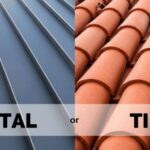
Choosing a new roof is a significant investment, one that impacts your home’s curb appeal, protection, and long-term value. Two popular contenders often emerge: tile and metal. Both offer distinct advantages, making the decision a nuanced one. This comprehensive guide dives deep into the intricacies of tile and metal roofing, empowering you to make an informed choice tailored to your specific needs and preferences.
Understanding the Core Differences: Material and Aesthetics
The fundamental divergence lies in the materials themselves. Tile roofs, traditionally crafted from clay or concrete, exude a timeless elegance, reminiscent of Mediterranean villas and historic structures. Their inherent texture and varied profiles—from classic barrel tiles to flat shingles—create a visually rich aesthetic. Metal roofs, on the other hand, boast a sleek, modern appearance. Constructed from materials like steel, aluminum, or copper, they offer a clean, streamlined look, often associated with contemporary architecture. This initial aesthetic preference sets the stage for further considerations.
Durability and Longevity: A Battle of Titans
Both tile and metal roofs are renowned for their exceptional durability, surpassing the lifespan of traditional asphalt shingles. Tile roofs, particularly those made from high-quality clay, can endure for over a century with proper maintenance. Their resistance to fire, rot, and insect infestations makes them a formidable shield against harsh weather conditions. Metal roofs, while potentially susceptible to dents from hail or falling debris, also boast impressive longevity, often lasting 40 to 70 years or more. Modern metal roofing coatings, like those utilizing PVDF or SMP, enhance their resistance to corrosion and fading, ensuring a vibrant appearance for decades.
Weight and Structural Considerations: Ensuring a Solid Foundation
Tile roofs are significantly heavier than metal roofs. This weight difference necessitates a robust structural framework to support the added load. Before opting for tile, a structural engineer should assess your home’s framing to ensure it can handle the weight. Metal roofs, being lightweight, impose minimal stress on the underlying structure, making them suitable for a wider range of buildings. This consideration is particularly crucial for older homes or those with pre-existing structural limitations.
Energy Efficiency and Climate Adaptability: Staying Comfortable Year-Round
Both tile and metal roofs offer energy-efficient benefits, albeit through different mechanisms. Tile roofs, due to their thermal mass, absorb and release heat slowly, moderating temperature fluctuations within the home. This natural insulation helps maintain a comfortable indoor environment, reducing reliance on HVAC systems. Metal roofs, particularly those with reflective coatings, excel at reflecting solar radiation, minimizing heat absorption. This translates to cooler interior temperatures during hot summer months. The choice between these options depends on your local climate. In hot, sunny regions, metal roofs may offer a slight edge in energy savings. In areas with significant temperature swings, tile roofs’ thermal mass could provide more consistent comfort.
Installation Complexity and Cost: Investing in Expertise
Installing a tile roof is a labor-intensive process requiring specialized skills and experience. The intricate interlocking of tiles and the need for precise flashing contribute to higher installation costs. Metal roof installation, while generally less complex, still demands expertise to ensure proper sealing and prevent leaks. The cost of both roofing systems varies depending on the materials chosen, the complexity of the roof design, and local labor rates. Generally, tile roofs tend to have higher upfront costs compared to metal roofs, but their longer lifespan can offset the initial investment over time.
Maintenance and Repair: Preserving Your Investment
Both tile and metal roofs require minimal maintenance, but periodic inspections are essential to identify and address potential issues. Tile roofs may require occasional replacement of cracked or broken tiles, particularly after severe weather events. Metal roofs may need touch-ups to repair scratches or dents and ensure the integrity of the protective coating. Regular cleaning to remove debris and prevent mold growth is recommended for both roofing systems.

Environmental Impact: Sustainable Choices
Tile roofs, especially those made from natural clay, are considered environmentally friendly due to their long lifespan and recyclability. Metal roofs, particularly those made from recycled materials, also offer sustainable benefits. Their reflective properties contribute to reducing urban heat island effect and lowering energy consumption. When considering environmental impact, it’s important to factor in the entire lifecycle of the roofing material, from manufacturing to disposal.
Aesthetic Versatility and Customization: Tailoring Your Home’s Style
Tile roofs offer a wide range of aesthetic options, with various colors, shapes, and textures available. Metal roofs, while traditionally associated with a modern aesthetic, are now available in a diverse array of finishes and profiles, including those mimicking the look of traditional shingles or tiles. Both materials can be customized to complement the architectural style of your home and reflect your personal preferences.
Noise Reduction and Sound Insulation: Creating a Peaceful Sanctuary
Tile roofs, due to their density, offer excellent sound insulation, effectively dampening external noise. Metal roofs, while generally quieter than asphalt shingles, can produce a drumming sound during heavy rain or hail. However, advancements in metal roofing technology, such as the use of insulation and sound-dampening underlayments, can significantly reduce noise levels.
Resale Value and Curb Appeal: Enhancing Your Home’s Marketability
Both tile and metal roofs can enhance your home’s resale value and curb appeal. Their durability, longevity, and aesthetic appeal make them attractive features for potential buyers. In regions where tile roofs are prevalent, they can add a touch of luxury and sophistication. Metal roofs, with their modern aesthetic and energy-efficient benefits, can appeal to environmentally conscious buyers and those seeking a low-maintenance roofing solution.
Choosing the Right Contractor: Ensuring Quality Installation
Regardless of the roofing material chosen, selecting a reputable and experienced contractor is paramount. A skilled contractor will ensure proper installation, maximizing the lifespan and performance of your roof. Look for contractors with specialized experience in tile or metal roofing, and request references and proof of insurance.
Local Climate and Building Codes: Adapting to Regional Requirements
Local climate conditions and building codes play a significant role in roofing decisions. Areas prone to hurricanes or earthquakes may require specific roofing materials and installation techniques. Coastal regions may necessitate corrosion-resistant metals or tiles designed to withstand salt spray. Consult with local building officials and roofing professionals to ensure compliance with regional requirements.
Budget and Long-Term Investment: Balancing Cost and Value
Budget is a crucial factor in any home improvement project. While tile roofs may have higher upfront costs, their longevity and minimal maintenance requirements can translate to long-term savings. Metal roofs, with their lower initial cost and energy-efficient benefits, can also offer excellent value. Carefully evaluate the long-term costs and benefits of each roofing system to make an informed financial decision.
Read More: Why You Should Hire a Certified Roof Inspector Before Roof Replacement
People Also Ask (FAQs):
Q: Are tile roofs more expensive than metal roofs?
A: Generally, yes. Tile roofs tend to have higher upfront costs due to material and installation labor. However, their longer lifespan can offset this initial expense over time.
Q: Which roof is better for a hot climate, tile or metal?
A: Both offer advantages. Tile roofs’ thermal mass moderates temperature fluctuations, while metal roofs’ reflective properties minimize heat absorption. The best choice depends on specific climate conditions and personal preferences.
Q: Can metal roofs be installed on any home?
A: Metal roofs are lightweight, making them suitable for most homes. However, it’s essential to ensure the existing structure is sound and can support the roofing system.
Q: Do tile roofs require a lot of maintenance?
A: Tile roofs require minimal maintenance, primarily periodic inspections and replacement of damaged tiles.
Q: Are metal roofs noisy during rain?
A: Metal roofs can produce a drumming sound during heavy rain, but advancements in insulation and underlayments can significantly reduce noise levels.
Q: How long do tile and metal roofs last?
A: Tile roofs can last over 100 years, while metal roofs typically last 40 to 70 years.
Conclusion: Making the Informed Decision
Ultimately, the choice between tile and metal roofing hinges on a careful evaluation of your individual needs, preferences, and budget. Both materials offer exceptional durability, longevity, and aesthetic appeal. Tile roofs exude timeless elegance and provide excellent sound insulation, while metal roofs offer modern aesthetics, energy efficiency, and lightweight construction. By considering the factors outlined in this guide, you can confidently select the roofing system that provides the ideal shield for your home, ensuring years of protection and beauty.
Read More: Longest Lasting Roofing Material: Ultimate Guide to Durability & Lifespan







