

Rain season brings relief from heat but can wreak havoc on homes with roof leaks. Water damage from a leaky roof can ruin interiors, foster mold, and cost thousands in repairs. Preparing your roof before storms hit is crucial to avoid these headaches. This guide will educate you on spotting issues, demonstrate practical fixes, and fascinate you with insights to protect your home. With rain season looming, acting now ensures your roof stays watertight. Learn how to identify, repair, and prevent leaks to keep your home safe and dry.
Understanding the Impact of Roof Leaks on Your Home
Roof leaks can cause significant damage if ignored. Water seeping through a compromised roof can ruin insulation, weaken structural beams, and destroy drywall. According to the National Association of Home Builders, water damage accounts for 25% of homeowner insurance claims annually. Mold growth, which thrives in damp environments, can start within 48 hours, posing health risks like respiratory issues.
Beyond structural concerns, leaks lead to costly repairs. A small leak can escalate, requiring ceiling replacements or even roof overhauls, averaging $5,000-$10,000, per the U.S. Department of Housing and Urban Development. Last year, my neighbor ignored a minor leak, only to face a $7,000 bill for mold remediation. Addressing leaks early saves money and stress, ensuring your home remains a safe haven during rain season.
Identifying Common Signs of a Leaky Roof
Spotting a leaky roof early prevents major damage. Look for water stains on ceilings or walls, often appearing as brown or yellowish discoloration. Peeling paint, warped wood, or damp spots in the attic are also red flags. Outside, check for missing, cracked, or curled shingles, as these allow water to seep through.
Additionally, inspect flashing around chimneys, vents, or skylights, as these are common leak points. A 2023 study by the Insurance Institute for Business & Home Safety found that 40% of roof leaks stem from damaged flashing. Last rainy season, I noticed a small drip in my attic, traced it to a loose shingle, and fixed it before it worsened. Regular inspections, especially before rain season, help you catch issues early and avoid costly repairs.
Essential Tools and Materials for Roof Leak Repairs
Fixing a leaky roof requires the right tools and materials. Basic tools include a ladder, utility knife, caulking gun, and pry bar. For materials, stock up on roofing cement, patching fabric, and replacement shingles. Flashing tape and sealant are vital for sealing gaps around vents or chimneys.
For larger repairs, consider a roofing membrane or tarps for temporary fixes. According to the Occupational Safety and Health Administration, using proper safety gear like harnesses reduces roofing accidents by 30%. My first attempt at patching a leak taught me to always have extra sealant on hand—it’s a lifesaver for quick fixes. Investing in quality materials ensures durable repairs, keeping your roof ready for rain season storms.
Step-by-Step Guide to Fixing Minor Roof Leaks
Repairing minor roof leaks is manageable with a clear plan. Start by locating the leak’s source, often above interior water stains. Inspect the attic for damp spots, then check the roof’s exterior for damaged shingles or flashing. Clean the area, removing debris or loose material.
Next, apply roofing cement under damaged shingles or around flashing, then press patching fabric over the area for reinforcement. Seal with another layer of cement. For small holes, use sealant alone. Last year, I fixed a leak by replacing a cracked shingle in under an hour, saving hundreds. Always work on a dry day and wear safety gear. If the damage is extensive, consult a professional to avoid risks. This approach keeps your roof watertight and ready for rain season.
Tips for Effective Roof Leak Repairs
- Work on dry days: Wet surfaces prevent sealants from adhering properly.
- Use quality materials: Cheap sealants fail quickly, leading to recurring leaks.
- Check weather forecasts: Avoid repairs before imminent storms.
- Inspect annually: Regular checks catch issues before they escalate.
- Wear safety gear: Harnesses and non-slip shoes prevent falls.
Preventing Roof Leaks Before Rain Season Hits
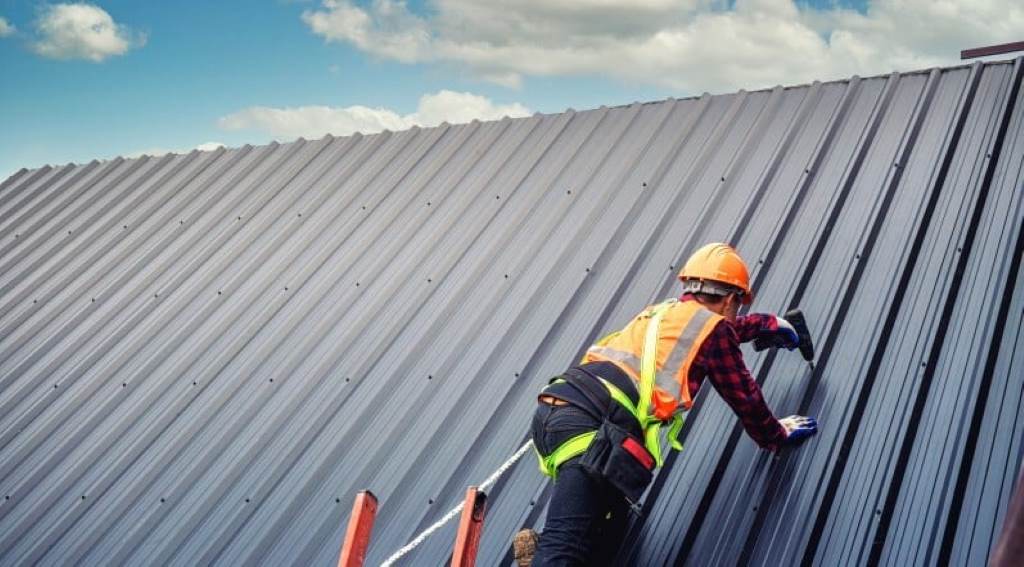
Prevention is key to avoiding roof leaks. Schedule annual inspections to catch wear early. Clean gutters to prevent water backup, which can weaken roofing materials. Trim overhanging branches to reduce debris and damage from falling limbs. Apply waterproof coatings to vulnerable areas like flashing or seams.
A 2022 report by the Federal Emergency Management Agency noted that proper roof maintenance reduces storm-related damage by up to 50%. After a tree branch damaged my roof, I started trimming nearby trees yearly, preventing further issues. Installing gutter guards also cut down on clogging, saving time. Proactive steps like these ensure your roof is ready for rain season, minimizing the risk of leaks and costly repairs. You can also check out our Roof Maintenance Guide.
When to Call a Professional for Roof Repairs
Some roof issues require expert help. If leaks persist after repairs, involve multiple areas, or involve structural damage, call a professional. Roofs with steep slopes or extensive damage pose safety risks for DIY fixes. Professionals have the tools and expertise to handle complex repairs, ensuring long-term solutions.
The cost of professional repairs varies, but the National Roofing Contractors Association estimates $500-$2,000 for most fixes. My cousin tried fixing a major leak himself, only to worsen the damage, costing double to repair. If you’re unsure about the leak’s extent or lack experience, hiring a licensed roofer saves time and prevents accidents. Always verify credentials and get multiple quotes before hiring.
Maintaining Your Roof Year-Round for Durability
Year-round roof maintenance prevents leaks and extends roof life. Inspect twice yearly, ideally in spring and fall, checking for loose shingles, cracked flashing, or clogged gutters. Seal small gaps promptly to avoid water seepage. Remove moss or algae, which can degrade shingles over time.
Additionally, ensure proper attic ventilation to prevent moisture buildup, which weakens roofing materials. A study by the U.S. Department of Energy found that proper ventilation extends roof life by 20%. After noticing moss on my roof, I cleaned it with a vinegar solution, preventing shingle decay. Consistent maintenance keeps your roof resilient, ensuring it’s ready for rain season and beyond, saving you from unexpected repairs.
Common Roof Maintenance Mistakes to Avoid
- Ignoring small leaks: Minor issues escalate quickly, causing major damage.
- Skipping gutter cleaning: Clogged gutters lead to water pooling and leaks.
- Using improper sealants: Mismatched materials fail under weather stress.
- Neglecting ventilation: Poor airflow traps moisture, weakening roofs.
- DIY on steep roofs: High-risk areas require professional expertise.
Conclusion
Rain season can test any home, but a well-maintained roof keeps leaks at bay. By understanding signs of damage, using the right tools, and following proper repair steps, you can protect your home from water damage. Regular maintenance and timely fixes save money and prevent stress. Don’t wait for storms to expose weaknesses—act now to ensure your roof is ready. Share your roof maintenance tips or questions in the comments below, or spread this guide to help others prepare for rain season!
FAQs
How Can I Tell If My Roof Is Leaking?
Look for water stains, peeling paint, or damp attic spots. Check exterior shingles and flashing for damage.
What Tools Do I Need to Fix a Roof Leak?
You’ll need a ladder, utility knife, caulking gun, roofing cement, patching fabric, and replacement shingles.
When Should I Call a Professional for Roof Repairs?
Call a pro for persistent leaks, steep roofs, or structural damage to ensure safe, lasting repairs.
How Often Should I Inspect My Roof?
Inspect twice yearly, in spring and fall, to catch issues before rain season escalates them.
Can I Prevent Roof Leaks Entirely?
Regular maintenance, gutter cleaning, and tree trimming significantly reduce leak risks, though no roof is immune.







