
Imagine a leaky roof on a stormy night. The frantic scramble for buckets, the growing puddle, the dread of expensive repairs – it’s a homeowner’s nightmare. But what if you could prevent such scenarios, proactively safeguarding your biggest investment? Your roof, often an afterthought until disaster strikes, is your home’s primary shield against the elements. Regular roof inspection and timely repairs are paramount to its longevity and your peace of mind. And for any homeowner serious about protecting their property, having the right arsenal of roof maintenance tools isn’t just a convenience; it’s a necessity.
Many homeowners feel intimidated by the idea of DIY roof work, believing it’s exclusively for professionals. While major structural repairs certainly warrant expert intervention, a significant portion of roof care, from routine cleaning to minor shingle replacement and leak detection, can be handled safely and effectively with the proper equipment and a little knowledge. This comprehensive guide will walk you through the best roof maintenance tools every homeowner should own, empowering you to tackle common issues, save money, and extend the lifespan of your roof. Get ready to transform from a worried homeowner into a confident roof guardian!
Safety First: Non-Negotiable Gear for Working at Height
Before you even think about stepping foot on your roof, safety must be your absolute top priority. Falls from roofs are a leading cause of serious injuries and even fatalities among homeowners. Investing in quality safety equipment is not an option; it’s a mandate.
Sturdy Extension Ladder:
This is your primary access point. Choose a ladder that extends at least three feet above your roofline for safe transition. Look for features like rubberized feet for stability and a strong, durable construction. A ladder stabilizer or leveler can further enhance safety, especially on uneven ground.
Safety Harness and Lifeline:
For sloped roofs or any work where a fall risk exists, a full-body safety harness tethered to a secure anchor point on your roof is crucial. This personal fall arrest system (PFAS) can literally save your life. Ensure the harness fits correctly and the lifeline is strong and free from wear.
Non-Slip Roofing Shoes:
Regular shoes won’t cut it. Invest in footwear specifically designed for roof work, featuring high-traction, slip-resistant soles. These provide superior grip on various roofing materials, even when wet or dusty.
Safety Glasses/Goggles:
Protect your eyes from dust, debris, and stray nails. Opt for comfortable, impact-resistant glasses that offer good peripheral vision.
Work Gloves:
Protect your hands from sharp edges, splinters, and chemicals. Durable, flexible gloves with good grip are ideal.
Hard Hat:
While not always necessary for light maintenance, a hard hat is recommended if there’s any risk of falling debris or bumping your head on overhead structures.
Remember, never work on your roof alone, especially if you’re new to it. Have a spotter on the ground, and always check weather conditions before ascending. A wet or icy roof is incredibly dangerous.
Essential Hand Tools for General Roof Care
Once you’re safely equipped and on the roof, a core set of hand tools will be your best friends for various tasks. These are the workhorses of roof maintenance.
Roofing Hammer/Hatchet:
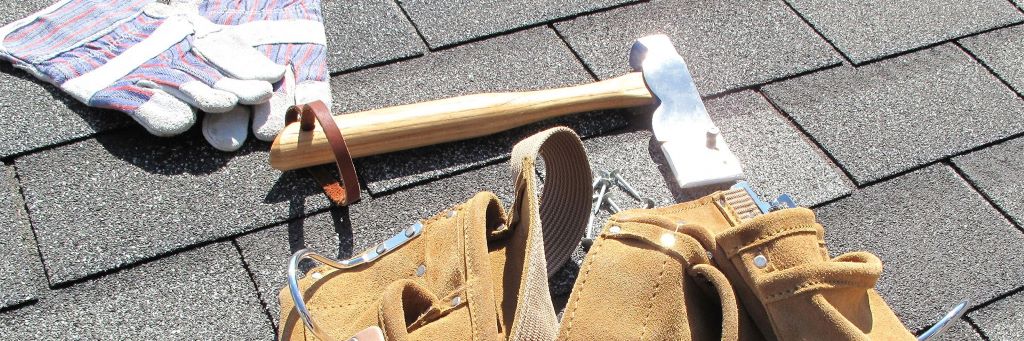
This specialized hammer has a hatchet-like blade on one side for cutting shingles and a claw for removing old nails. Some models even have a magnetic nail holder for easier shingle installation. It’s an indispensable multi-purpose tool for shingle work and minor repairs.
Utility Knife with Roofing Blades:
A heavy-duty utility knife with a sharp, retractable roofing blade is essential for precise cuts on asphalt shingles, felt paper, and other roofing materials. Keep a supply of extra blades on hand, as they dull quickly.
Pry Bar/Shingle Remover:
For removing old, damaged shingles, a pry bar or a dedicated shingle remover (often called a roofing shovel or rake) is invaluable. Its flat, wedged end allows you to get underneath shingles and pry them up efficiently, often with serrated edges to catch nails.
Caulking Gun and Roofing Sealant:
Crucial for sealing minor cracks, gaps around flashing, and small punctures. High-quality roofing sealant (like asphaltic or silicone-based sealants) provides a watertight barrier. Always keep a tube or two readily available for quick fixes.
Tape Measure and Chalk Line:
Accurate measurements are vital for any repair or replacement. A sturdy tape measure and a chalk line are used for marking straight lines, ensuring proper alignment of shingles and other materials.
Stiff-Bristled Brush/Roof Scraper:
For clearing away loose debris, moss, lichen, and algae. A long-handled roof scraper can reach difficult areas without excessive bending or stretching.
Leaf Blower (Cordless Recommended):
While not exclusively a “roofing” tool, a powerful leaf blower is incredibly efficient for clearing leaves, twigs, and light debris from your roof and gutters, preventing water buildup and moss growth.
Specialized Tools for Deeper Diagnostics and Repairs
Beyond the basics, a few specialized tools can make more involved diagnostic work and repairs much easier and more effective.
Moisture Meter:
Hidden moisture can lead to significant structural damage. A moisture meter can detect elevated moisture levels within your roof decking or insulation, indicating potential leaks that aren’t visible to the naked eye. This is a fantastic proactive tool for preventing major issues.
Reciprocating Saw (Sawzall):
While perhaps more of a “repair” tool than a “maintenance” tool, a reciprocating saw with a demolition blade is incredibly useful for removing old, stubborn roofing materials or cutting through damaged sections of plywood decking during larger repairs.
Cordless Drill/Driver:
A versatile tool for driving screws (e.g., for attaching flashing or repair patches) and drilling pilot holes. An impact driver provides extra torque for tough materials.
Air Compressor and Roofing Nailer:
For larger shingle replacement projects or new installations, a pneumatic roofing nailer powered by an air compressor dramatically speeds up the process and ensures consistent nail depth. While an investment, it pays dividends for extensive work.
Tin Snips/Aviation Snips:
Essential for cutting and shaping metal flashing, which is critical for waterproofing areas around chimneys, vents, and valleys.
Roof Jacks/Roof Brackets:
These temporary support systems attach to your roof and provide a stable platform for standing and holding materials, making work on sloped roofs much safer and more comfortable.
Cleaning and Drainage Tools for Optimal Performance
Maintaining clear gutters and preventing debris buildup are critical aspects of roof health. These tools help keep your drainage system functioning optimally.
- Gutter Scoop/Trowel: Designed specifically to remove leaves, mud, and other debris from gutters, preventing clogs and water overflow that can damage fascia boards and foundations.
- Garden Hose with High-Pressure Nozzle: A strong stream of water can help flush out stubborn debris from gutters and downspouts, and can also be used for a gentle rinse of the roof surface to remove loose dirt. Avoid high-pressure washers on asphalt shingles, as they can damage the granules.
- Downspout Cleaner/Auger: For clearing clogs deep within downspouts that a hose can’t dislodge.
- Telescoping Pole with Attachments: A versatile pole that can reach high gutters and roofs, often with attachments for brushes, scrapers, or even small cameras for inspection from the ground.
Organizing and Maintaining Your Tools
Having the right tools is only half the battle; keeping them organized and well-maintained ensures they’re ready when you need them and last for years.
- Tool Belt/Tool Pouch: Keeps essential hand tools accessible while you’re working on the roof, eliminating the need for constant trips up and down the ladder.
- Sturdy Toolbox/Storage Bin: Protects your tools from the elements and keeps them neatly organized in your garage or shed.
- Regular Cleaning and Inspection: After each use, clean your tools to remove dirt and debris. Inspect them for any signs of wear, damage, or rust. Sharpen blades as needed. This simple habit prolongs their lifespan and ensures they perform effectively.
Answering Your Roof Maintenance Tool FAQs
Q: Can I really do roof maintenance myself, or should I always hire a professional?
A: For routine maintenance tasks like cleaning gutters, removing debris, minor shingle repair (e.g., reattaching a loose shingle, sealing a small crack), and basic inspections, many homeowners can safely and effectively do it themselves with the right tools and precautions. However, for significant damage, extensive repairs, or anything that makes you feel uncomfortable or unsafe, always consult a qualified roofing professional. Your safety and the structural integrity of your home are paramount.
Q: What are the most important tools for a beginner to start with?
A: For beginners, prioritize safety gear (ladder, non-slip shoes, safety glasses, gloves), a reliable roofing hammer/hatchet, a utility knife with extra blades, a caulking gun with sealant, and a good tape measure. These allow you to handle the most common minor issues.
Q: How much should I expect to spend on these tools?
A: The cost can vary widely depending on brand, quality, and whether you buy new or used. A basic, high-quality safety and hand tool kit might range from $200-$500. Adding power tools like a cordless drill or a roofing nailer will increase the investment significantly, potentially adding another $300-$800 or more. Consider borrowing or renting specialized tools for one-off projects before committing to a purchase.
Q: Are there any tools I should absolutely avoid using on my roof?
A: Yes, absolutely! Never use a high-pressure washer on asphalt shingles. The intense water pressure can strip away the protective granules, drastically reducing your roof’s lifespan and voiding warranties. Also, avoid using harsh chemicals or wire brushes that can damage roofing materials. Stick to methods and tools specifically recommended for roof maintenance.
Q: How often should I inspect my roof, and what tools do I need for inspection?
A: It’s recommended to inspect your roof at least twice a year – in the spring to check for winter damage and in the fall to prepare for winter – and after any major storm. For inspection, you’ll need your ladder, safety gear, binoculars (for ground-level inspection), a flashlight (for inspecting the attic for leaks), and a moisture meter if you suspect hidden water issues. A camera or smartphone for documenting findings is also helpful.
Conclusion: Empowering Your Home’s First Line of Defense
Your roof is a critical component of your home’s structural integrity and overall value. By investing in the right roof maintenance tools and committing to regular care, you’re not just buying equipment; you’re investing in peace of mind, preventing costly emergencies, and extending the life of your most important asset. From essential safety gear to versatile hand tools and specialized equipment, this guide equips you with the knowledge to make informed choices.
Don’t wait for a leak to remind you of your roof’s importance. Proactive roof care, armed with the best tools, empowers you to take control of your home’s future.
Ready to safeguard your home? Head to your local hardware store or browse online for these essential roof maintenance tools. Start your journey towards a well-maintained, long-lasting roof today!
Read More:
What is the Best Type of Roof for a House?
7 Powerful Pros & Cons of Algae Resistant Shingle Options You Need to Know







