

The relentless summer sun beating down on your roof can turn your home into an oven, driving up energy bills and compromising comfort. In a world grappling with rising temperatures, understanding how to mitigate roof heat is no longer a luxury, but a necessity. Whether you live in a sweltering desert climate or experience occasional heatwaves, proactive measures can make a significant difference. This comprehensive guide delves into practical and effective strategies to keep cool and reduce roof heat in summer, ensuring a more comfortable and energy-efficient home.
Understanding the Root of the Problem: Solar Radiation and Roof Absorption
The primary culprit behind a hot roof is solar radiation. When sunlight strikes your roof, the surface absorbs a significant portion of this energy, converting it into heat. The degree of absorption depends on the roofing material, its color, and the roof’s orientation. Darker materials, like asphalt shingles, absorb more heat than lighter ones. This heat is then transferred into the attic and subsequently into the living spaces below, leading to increased indoor temperatures and the need for more intensive air conditioning.
-
The Power of Reflective Roofing: Cool Roofing Solutions
One of the most effective ways to combat roof heat is by using reflective roofing materials. “Cool roofs” are designed to reflect a higher percentage of sunlight, reducing heat absorption. These materials often feature light colors and specialized coatings that enhance reflectivity.
- White or Light-Colored Roofing: Opting for white or light-colored roofing materials, such as tiles, metal, or coatings, is a straightforward approach. These colors reflect a substantial portion of sunlight, minimizing heat absorption.
- Reflective Coatings: Applying a reflective coating to your existing roof can dramatically reduce its heat absorption. These coatings, often made of elastomeric or acrylic materials, form a protective layer that reflects sunlight and can also improve the roof’s durability.
- Cool Metal Roofing: Metal roofs, particularly those with reflective coatings, are excellent at dissipating heat. They are durable, long-lasting, and can significantly reduce energy costs.
-
Enhancing Ventilation: Attic and Roof Ventilation Systems
Proper ventilation is crucial for removing trapped hot air from the attic and preventing it from radiating into the living spaces. A well-ventilated roof system allows for the circulation of fresh air, keeping the attic cooler.
- Ridge Vents: Installed along the peak of the roof, ridge vents allow hot air to escape while drawing in cooler air from soffit vents.
- Soffit Vents: Located under the eaves of the roof, soffit vents provide an intake for fresh air, creating a continuous airflow through the attic.
- Powered Attic Ventilators: These fans, often solar-powered, actively exhaust hot air from the attic, significantly reducing attic temperatures.
- Roof Turbines: These wind-driven ventilators spin to extract hot air from the attic. They are a passive solution, requiring no electricity.
-
Insulation: Creating a Thermal Barrier
Adequate insulation acts as a thermal barrier, preventing heat from transferring from the hot roof into the living spaces. The right type and amount of insulation can make a significant difference in maintaining a comfortable indoor temperature.
- Attic Insulation: Ensure your attic is properly insulated with materials like fiberglass, cellulose, or spray foam. The recommended R-value (thermal resistance) varies depending on your climate.
- Radiant Barriers: These reflective foils are installed in the attic to block radiant heat transfer. They can significantly reduce attic temperatures, especially in hot climates.
-
Green Roofing: Nature’s Cooling Solution
Green roofs, also known as living roofs, involve planting vegetation on the rooftop. This natural solution provides numerous benefits, including reducing roof heat, improving air quality, and enhancing building aesthetics.
- Extensive Green Roofs: These roofs feature shallow soil and low-maintenance plants, making them suitable for large areas.
- Intensive Green Roofs: These roofs have deeper soil and can support a wider variety of plants, including trees and shrubs.
- Benefits of Green Roofs:
- Reduced roof surface temperatures.
- Improved building insulation.
- Stormwater management.
- Enhanced biodiversity.
-
Shade and Protection: Creating a Buffer Zone
Providing shade for your roof can significantly reduce its exposure to direct sunlight. This can be achieved through various methods, including:
- Trees and Vegetation: Planting trees around your home can provide shade for the roof, reducing its exposure to direct sunlight.
- Shade Sails and Awnings: Installing shade sails or awnings can create a physical barrier between the roof and the sun, reducing heat absorption.
- Roof Overhangs: Designing or extending roof overhangs can provide shade for the walls and windows, reducing overall heat gain.
-
Choosing the Right Roofing Material: Durability and Heat Resistance
Selecting the right roofing material is crucial for long-term heat management. Consider materials that offer durability, reflectivity, and heat resistance.
- Metal Roofing: Known for its reflectivity and durability, metal roofing is an excellent choice for hot climates.
- Tile Roofing: Tile roofs offer good insulation and reflectivity, making them suitable for warm regions.
- Slate Roofing: While darker, slate roofs are durable and offer good thermal mass, which can help regulate temperature.
- Concrete Roofing: Concrete tiles are durable and can be manufactured in light colors, providing good reflectivity.
Related: How to Fix Standing Water on a Roof: A Comprehensive Guide
Regular Maintenance: Ensuring Optimal Performance
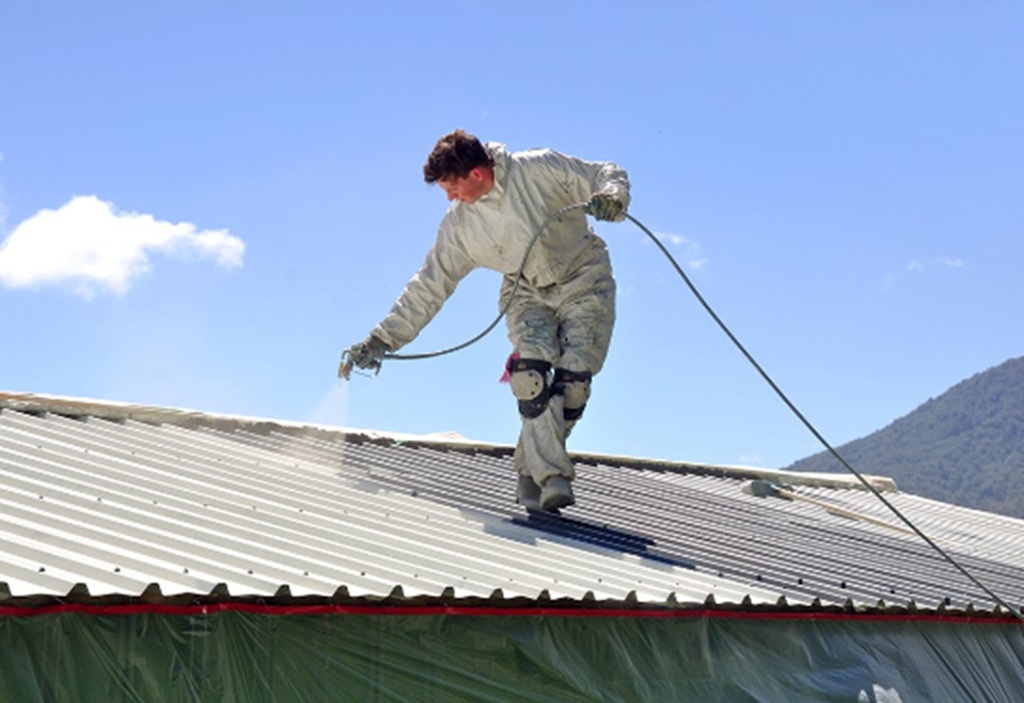
Regular maintenance is essential for ensuring your roof’s cooling systems are functioning optimally.
- Clean Roof Surfaces: Remove debris, leaves, and other obstructions from the roof surface to prevent heat buildup and ensure proper ventilation.
- Inspect Ventilation Systems: Regularly inspect attic and roof ventilation systems to ensure they are functioning correctly.
- Check Insulation: Periodically check attic insulation to ensure it is in good condition and provides adequate thermal resistance.
- Re-Coat Reflective Coatings: Reapply reflective coatings as needed to maintain their effectiveness.
Roof Heat in Summer (FAQs)
Q: How much can a cool roof reduce my energy bills?
A: Cool roofs can reduce cooling energy consumption by 10-15%, depending on the climate, roofing material, and insulation levels.
Q: Are reflective coatings effective on all types of roofs?
A: Reflective coatings are effective on most roof types, including metal, asphalt, and concrete. However, the effectiveness may vary depending on the roof’s condition and the coating’s quality.
Q: How do I know if my attic ventilation is adequate?
A: Signs of inadequate attic ventilation include excessive heat in the attic, moisture buildup, and increased energy bills. You can also perform a visual inspection to ensure vents are clear and functioning.
Q: Can I install a green roof myself?
A: Installing an extensive green roof may be feasible for DIY enthusiasts with proper research and planning. However, intensive green roofs typically require professional installation due to their complexity and weight.
Q: What is the best color for a cool roof?
A: White is the most reflective color, but light colors like light gray, beige, and light blue also offer good reflectivity.
Q: Is it worth it to install a solar-powered attic fan?
A: Solar-powered attic fans are a great option for reducing energy costs and improving attic ventilation. They are particularly beneficial in sunny climates.
Q: How often should I reapply reflective roof coatings?
A: The frequency of reapplication depends on the coating’s quality and the climate. Generally, reflective coatings should be reapplied every 5-10 years.
Q: Do radiant barriers really work?
A: Yes, radiant barriers are effective at blocking radiant heat transfer, especially in hot climates. They can significantly reduce attic temperatures.
Q: What are the best plants for a green roof in a hot climate?
A: Drought-tolerant plants like sedums, succulents, and native grasses are ideal for green roofs in hot climates.
Q: Can I combine multiple heat reduction strategies?
A: Absolutely! Combining multiple strategies, such as reflective roofing, proper ventilation, and insulation, will provide the most effective heat reduction.
Conclusion: A Cooler, More Comfortable Home
Reducing roof heat in summer is a multifaceted approach that requires a combination of strategic choices and proactive maintenance. By implementing the techniques outlined in this guide, you can significantly reduce your home’s heat gain, lower energy bills, and create a more comfortable living environment. Whether you opt for a reflective roof, improved ventilation, or a living green roof, taking action to combat the scorching sun will yield significant benefits. Remember that consistency in maintenance is key to long-term performance. By making informed decisions and taking proactive steps, you can transform your hot roof into a cool and energy-efficient asset.







