Your roof is arguably the most critical component of your home’s exterior, tirelessly shielding your family and belongings from the unpredictable whims of nature. But like any vital system, it requires regular care to perform optimally and extend its lifespan. In 2025, understanding the costs associated with roof maintenance is more important than ever, given fluctuating material prices, labor shortages, and evolving weather patterns.
This comprehensive guide will break down the typical expenses you can expect for various roof maintenance tasks, explore the factors influencing these costs, and help you determine whether a DIY approach or professional intervention is the best path for your home.
Why Prioritize Roof Maintenance? The Unseen Value
Before delving into the numbers, let’s reaffirm why consistent roof maintenance isn’t just an expense, but a crucial investment. Neglecting your roof can lead to a cascade of problems, far more costly than preventative care.
- Extended Roof Lifespan: Regular maintenance, like addressing minor issues promptly, can significantly prolong your roof’s life, delaying the need for a full, expensive replacement.
- Prevent Costly Repairs: Small leaks can become major water damage, leading to issues like mold, rot, and structural compromise. Catching these early saves you thousands.
- Enhanced Energy Efficiency: A well-maintained roof, free of leaks and with proper insulation, contributes to better temperature regulation in your home, reducing energy bills.
- Boosted Property Value: A healthy, well-maintained roof is a significant asset when it comes time to sell your home, contributing positively to its curb appeal and overall value.
- Peace of Mind: Knowing your home is protected from the elements offers invaluable peace of mind, especially during severe weather.
- Preserves Warranty: Many roofing material warranties require regular professional inspections and maintenance to remain valid.
Breaking Down the Costs: What to Expect in 2025
The cost of roof maintenance in 2025 varies widely depending on the type of service, the extent of the work, your roof’s material and complexity, and your geographic location. Here’s a breakdown of common maintenance tasks and their estimated costs:
-
Roof Inspection Costs (The Foundation of Maintenance)
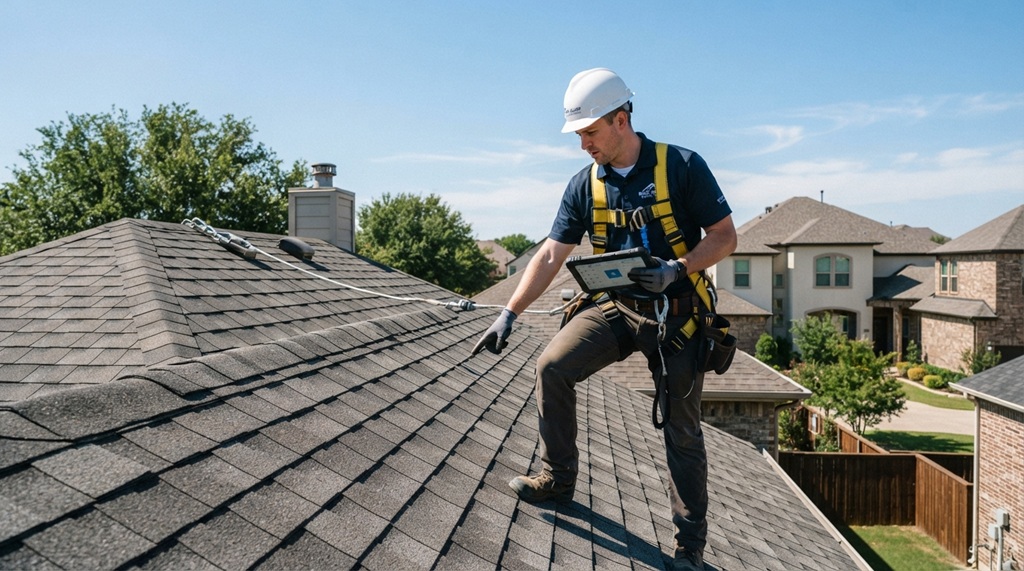
A professional roof inspection is the cornerstone of effective roof maintenance. It allows experts to identify potential problems before they escalate.
- Average Cost (2025): The national average for a roof inspection in 2025 is around $238, typically ranging from $75 to $950.
- Factors Affecting Cost:
- Roof Size and Pitch: Larger and steeper roofs are more challenging and time-consuming to inspect, increasing costs.
- Accessibility: If your roof is difficult to access, special equipment like drones may be needed, raising the price.
- Type of Inspection:
- Physical Inspection: $75 – $200 (for relatively flat, accessible roofs).
- Drone Inspection: $150 – $400 (for steep or inaccessible roofs).
- Infrared Inspection: $400 – $600 (identifies invisible issues like moisture trapped beneath the surface).
- Severity of Damage: Severely damaged roofs may take longer to inspect, incurring additional fees.
- Roof Material: Specialized materials like slate or tile may require specific expertise, potentially increasing inspection costs.
- Key Insight: Many roofing contractors offer “free” basic inspections as part of a repair estimate. While helpful for identifying immediate issues, these might not be as comprehensive as a paid, independent inspection.
-
Roof Cleaning Costs
Moss, algae, leaves, and debris can accumulate on your roof, trapping moisture, degrading materials, and even promoting rot. Regular cleaning is essential.
- Average Cost (2025): Professional roof cleaning averages around $459, with most homeowners paying between $295 and $623. Costs can range from $0.20 to $0.60 per square foot.
- Factors Affecting Cost:
- Roof Size and Number of Stories: Larger roofs and multi-story homes require more labor and specialized equipment.
- Cleaning Method:
- Soft Wash: $560 – $900 (ideal for asphalt, clay, concrete shingles, using low pressure and cleaning solutions).
- Chemical Wash: $450 – $840 (for materials like tar and gravel, rubber).
- Low-Pressure Wash: $600 – $1,100 (suitable for wood and slate).
- High-Pressure Wash: $350 – $700 (often used for metal roofs, but can damage other materials if not applied correctly).
- Extent of Debris/Growth: Heavily soiled roofs with significant moss or algae buildup will take longer to clean.
- Accessibility: Difficult-to-reach areas increase labor time and cost.
- DIY vs. Professional: While some homeowners tackle minor cleaning, professional services offer specialized equipment and knowledge to prevent roof damage. Pressure washing improperly can severely harm roofing materials.
-
Minor Roof Repair Costs
Addressing small issues promptly is the essence of preventative maintenance and can save you from major headaches.
- Average Cost (2025): Minor roof repairs typically range from $150 to $1,000, with many falling between $392 and $1,929.
- Common Minor Repairs and Their Costs:
- Replacing a Few Shingles: $150 – $500 (depending on shingle type and accessibility).
- Small Leak Patching: $150 – $1,000 (identifying the source and patching it can be tricky).
- Flashing Repair (around vents or chimneys): $200 – $600.
- Gutter Repairs: $180 – $560 (essential for proper water diversion).
- Vent Repair: $75 – $250.
- Ridge Cap Repair: $200 – $750.
- Key Insight: Even seemingly minor issues like a single missing shingle can lead to significant water damage if ignored. Early detection and repair are crucial.
-
Moderate to Major Roof Repair Costs
When minor issues are neglected or unexpected damage occurs, moderate to major repairs become necessary.
- Average Cost (2025): Moderate repairs typically range from $1,001 to $2,000, while major repairs can range from $2,001 to $8,000 or more.
- Examples of Moderate to Major Repairs and Their Costs:
- Limited Water Damage (before it escalates): This can vary significantly but may require replacing underlying felt or decking.
- Extensive Flashing Replacement: Up to $2,000, especially for chimney flashing.
- Sagging Roof (initial stages): $750 – $3,000 (early intervention is vital, as this can indicate structural issues).
- Soffit and Fascia Repair: $600 – $6,000 ($6 – $20 per linear foot), depending on the extent of damage and materials.
- Roof Truss Repair: $500 – $5,000 (trusses are structural, making these repairs more complex).
- Hail Damage Repair: $700 – $4,000 (can vary based on severity and insurance claims).
- Decision Point: At the higher end of major repairs, it’s often more cost-effective to consider a partial or full roof replacement, especially if the roof is nearing the end of its lifespan.
Factors Heavily Influencing Roof Maintenance Costs in 2025

Beyond the specific task, several overarching factors dictate how much you’ll pay for roof maintenance:
- Roofing Material:
- Asphalt Shingles: Generally the most affordable to repair and maintain due to widespread availability and ease of installation. Repairs average around $875.
- Metal Roofing: Durable but can be more complex and expensive to repair ($1,600 average repair cost) due to specialized installation techniques.
- Tile (Clay/Concrete): Aesthetic and long-lasting, but tiles are fragile and labor-intensive to replace. Repairs average $1,000 – $2,400.
- Slate: Extremely durable and long-lasting, but very expensive to repair ($1,550 average) due to specialized skills and material cost.
- Wood Shingles/Shakes: Require more maintenance and repairs can average $750.
- Flat/Low-Slope Roofs (Rubber/PVC): Can be relatively inexpensive to repair ($400 average) but prone to pooling water if not maintained.
- Roof Size and Pitch: Larger roofs naturally require more materials and labor. Steeply pitched roofs pose safety challenges for workers, increasing labor costs. Complex roof designs with multiple valleys, dormers, or chimneys also add to the complexity and cost.
- Extent of Damage: A small, localized issue will always be cheaper to fix than widespread damage caused by neglect, storms, or age.
- Labor Costs: This is a significant component of any roofing service.
- Hourly Rates: Professional roofers typically charge between $45 and $75 per hour.
- Shortages: In 2025, labor shortages in the construction industry can lead to higher demand and increased labor costs (estimated 5-10% increase).
- Expertise: Highly skilled professionals for specialized materials (like slate) may charge more.
- Location: Costs can vary significantly based on your regional cost of living and local market conditions. Areas prone to extreme weather (e.g., hurricanes, heavy snow) may see higher demand and prices.
- Permit and Inspection Fees: Some significant repairs or modifications may require local permits, adding to the overall cost (typically $75 – $250).
- Seasonal Trends: Prices for roofing services can sometimes be higher during peak seasons (spring and summer) due to increased demand.
DIY Roof Maintenance: When is it Feasible?
For minor, simple tasks, DIY can save money. However, it’s crucial to understand the risks and limitations.
Feasible DIY Tasks:
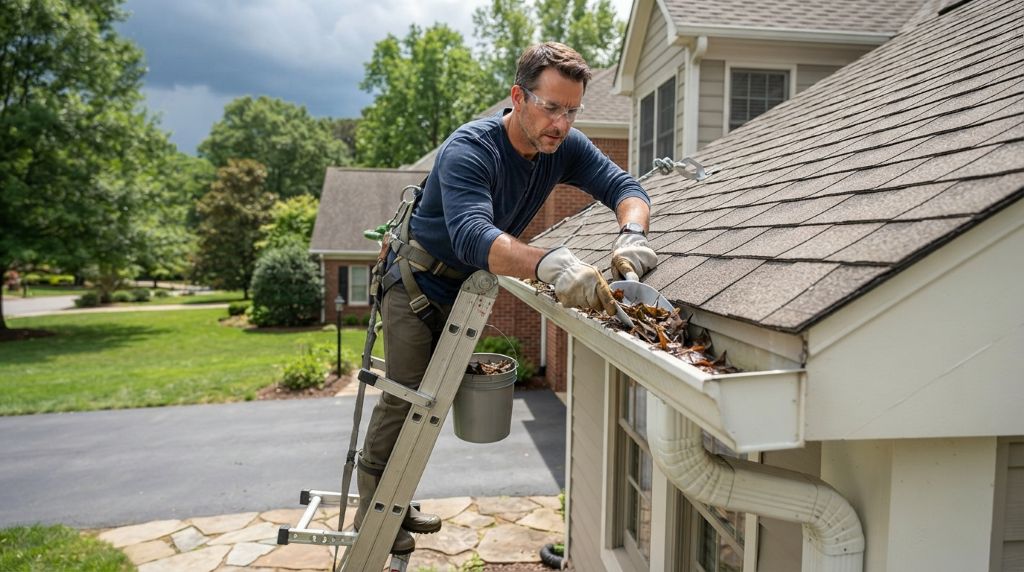
- Gutter Cleaning: Regularly clear leaves and debris from gutters and downspouts.
- Basic Visual Inspection (from the ground): Look for obvious signs of damage like missing shingles, sagging areas, or debris buildup.
- Pruning Overhanging Branches: Prevent branches from scratching or falling on your roof.
When to Call a Professional (Always Recommended for):
- Any Work on the Roof Itself: Walking on a roof is inherently dangerous, especially on steep or wet surfaces. Falls can result in severe injury or worse.
- Identifying the Source of Leaks: Leaks can be tricky to pinpoint, and misdiagnosing the problem can lead to further damage.
- Replacing Shingles or Tiles: Improper installation can lead to new leaks or void warranties.
- Flashing Repairs: Flashing needs to be installed precisely to prevent water intrusion.
- Structural Concerns: Sagging roofs, significant water damage, or damaged trusses require professional assessment and repair.
- Moss/Algae Removal (beyond light growth): Incorrect cleaning methods can damage your roofing material.
- Any Repair That Requires Special Tools or Expertise.
Key Takeaway: While DIY might seem cost-effective initially, improper repairs can lead to greater damage and expense in the long run. Professional contractors have the knowledge, tools, safety equipment, and insurance to do the job correctly and safely. Many roofing material warranties also require professional installation and repair to remain valid.
The Importance of Emergency Water Mitigation After Roof Damage
Saving on Roof Maintenance in 2025
While costs are on the rise, there are ways to manage your roof maintenance budget:
- Regular Inspections: Proactive inspections catch small issues before they become expensive problems.
- Don’t Delay Repairs: A small leak today can be a major structural issue tomorrow.
- Get Multiple Quotes: Always obtain quotes from at least three reputable roofing contractors. Compare not just prices, but also the scope of work and warranty offered.
- Ask About Maintenance Plans: Some roofing companies offer annual or bi-annual maintenance plans that can include inspections and minor repairs at a discounted rate.
- Consider Your Roof’s Age: If your roof is nearing the end of its estimated lifespan, significant repairs might be a temporary fix, and a full replacement could be more cost-effective in the long run.
- Check Your Warranty: Understand what your roofing material and installation warranties cover.
Conclusion
Investing in regular roof maintenance is not a luxury, but a necessity for protecting your home and your finances. In 2025, while costs for materials and labor may see some increases, the long-term savings and peace of mind derived from a well-maintained roof far outweigh the immediate expenses. By understanding the typical costs, the influencing factors, and when to call in the professionals, you can make informed decisions to ensure your roof continues to stand strong for years to come. Don’t wait for a drip to become a deluge – prioritize your roof’s health today!
Read More: