
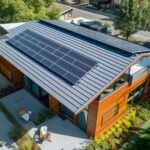
Smart roofs are revolutionizing the construction industry with cutting-edge technology. These innovative systems integrate sensors, solar panels, and automation to enhance energy efficiency, durability, and sustainability. As homeowners and builders prioritize eco-friendly solutions, smart roofs offer a forward-thinking approach to modern construction. This blog post explores why smart roofs are the next big thing in construction, diving into their benefits, technologies, and real-world applications. With rising energy costs and climate concerns, these roofs are transforming how we build. Join us to discover why smart roofs are the future of sustainable living.
What Are Smart Roofs?
Smart roofs combine advanced materials and technology to create dynamic roofing systems. Unlike traditional roofs, they use sensors, solar panels, and automation to adapt to environmental changes. For instance, they can regulate temperature or generate electricity, reducing energy costs. Additionally, smart roofs often include green roofing elements, like vegetation, to improve insulation and reduce runoff.
These roofs are designed for efficiency and sustainability. According to a 2023 study by the U.S. Department of Energy, smart roofing systems can reduce energy consumption by up to 20% in residential buildings. Builders are increasingly adopting them for their versatility. For example, I recently visited a friend’s new home with a smart roof that adjusted ventilation based on weather, noticeably lowering their cooling costs. This adaptability makes smart roofs a game-changer in construction.
Energy Efficiency and Cost Savings
Smart roofs excel in energy efficiency, a key reason they’re gaining popularity. By integrating solar panels and reflective materials, they generate power and reduce heat absorption. This lowers cooling costs, especially in warmer climates. Moreover, smart sensors optimize ventilation, ensuring homes stay comfortable without excessive energy use. These features make smart roofs a cost-effective choice for homeowners.
The financial benefits are significant. A 2024 report by the National Renewable Energy Laboratory found that homes with the roofs saved 15–25% on annual energy bills. Additionally, government incentives for solar installations further reduce costs. For instance, my neighbor installed a smart roof and received a tax credit, cutting their upfront expenses by 30%. Therefore, smart roofs not only save money long-term but also offer immediate financial perks, making them a smart investment in construction.
Sustainability and Environmental Impact
Sustainability is a driving force behind smart roofs’ rise in construction. These roofs often incorporate green elements, like vegetation or recycled materials, reducing environmental impact. They also manage stormwater effectively, preventing urban flooding. Additionally, solar-powered smart roofs decrease reliance on fossil fuels, cutting carbon emissions significantly.
The environmental benefits are measurable. According to a 2022 study by the Environmental Protection Agency, green roofs can reduce urban heat island effects by up to 2°C. This cooling effect lowers energy demand for air conditioning. I recall visiting a community center with a green smart roof; the lush vegetation not only looked appealing but also kept the building cooler naturally. Consequently, the roofs align with global sustainability goals, making them a vital trend in eco-conscious construction.
Advanced Technology in Smart Roofs

Integration of IoT and Automation
Smart roofs leverage Internet of Things (IoT) technology to monitor and adapt to conditions. Sensors detect temperature, humidity, or structural issues, sending data to automated systems. For example, vents can open to release heat or close to retain warmth. This automation enhances efficiency and prolongs roof lifespan.
The technology is evolving rapidly. A 2023 report by the International Energy Agency noted that IoT-enabled roofs can reduce maintenance costs by 10–15% through early issue detection. I saw this firsthand when a colleague’s smart roof alerted them to a minor leak, preventing costly repairs. Therefore, IoT integration makes the roofs reliable and forward-thinking, setting a new standard in construction.
Solar and Reflective Technologies
Solar panels and reflective coatings are central to smart roofs. Solar panels generate clean energy, while reflective materials deflect sunlight, reducing heat buildup. Together, they lower energy consumption and enhance home comfort. Additionally, these technologies are becoming more affordable, boosting adoption rates.
The impact is significant. The Solar Energy Industries Association reported in 2024 that solar roof installations grew by 40% in the U.S. My cousin’s home, fitted with a solar smart roof, powers most of their appliances, slashing their electricity bill. Thus, these technologies make latest roofs a practical choice for modern construction, blending innovation with affordability.
Durability and Longevity
Smart roofs are built to last, using advanced materials like reinforced membranes and weather-resistant coatings. These materials withstand extreme weather, from heavy rain to intense heat. Additionally, sensors monitor structural integrity, alerting owners to potential issues before they escalate, ensuring long-term durability.
The longevity benefits are clear. A 2023 study by the National Roofing Contractors Association found that smart roofs last 20–30% longer than traditional ones due to proactive maintenance. I remember a local school installing a smart roof; it’s still in excellent condition after a decade of harsh winters. Therefore, modern roofs offer durability, reducing replacement costs and making them a top choice in construction.
Challenges and Considerations
While smart roofs offer many benefits, they come with challenges. The initial installation cost can be high, deterring some homeowners. Additionally, the technology requires regular updates and maintenance to function optimally. However, these costs often balance out through energy savings and durability.
Another consideration is the learning curve. Homeowners may need time to understand smart roof systems. I faced this when helping a relative set up their smart roof’s app, which took a few tries to master. Nevertheless, with proper guidance, these challenges are manageable. Builders should educate clients to ensure smooth adoption, making smart roofs a viable option in construction.
Why Smart Roofs Are the Future
Smart roofs are poised to dominate construction due to their blend of efficiency, sustainability, and innovation. As energy costs rise and environmental concerns grow, these roofs address both issues effectively. Moreover, advancements in IoT and solar technology make them more accessible than ever. They’re not just a trend—they’re a necessity for future-proofing homes.
At Last
The construction industry is already shifting. Builders are prioritizing smart roofs to meet demand for eco-friendly solutions. My experience touring a smart roof-equipped housing development showed how seamless and impactful these systems are. Therefore, smart canopies are the next big thing in construction, offering a sustainable, cost-effective path forward. Ready to explore modern roofs? Share your thoughts or experiences in the comments below, or spread the word by sharing this article!
FAQs
What makes smart roofs different from traditional roofs?
Smart roofs use sensors, solar panels, and automation to enhance energy efficiency and sustainability, unlike static traditional roofs.
Are smart roofs worth the investment?
Yes, they save 15–25% on energy bills and last longer, offsetting initial costs with long-term savings.
How do smart roofs help the environment?
They reduce carbon emissions, manage stormwater, and lower urban heat, promoting sustainable construction practices.
Do smart roofs require a lot of maintenance?
They need regular updates but save on repairs through early issue detection, reducing overall maintenance costs.
Can smart roofs be installed on older homes?
Yes, with proper retrofitting, older homes can support smart roof systems, enhancing efficiency and durability.







